

-
1
-
16S rRNA sequencing
A molecular technique that identifies bacterial species in a sample by reading their genetic fingerprint.
-
A
-
Abdominal fat (belly fat)
Fat stored around your midsection that can increase health risks when excessive, especially visceral fat around organs
-
Abdominal pain
An uncomfortable cramping or aching feeling anywhere in your belly between your chest and pelvis
-
Abnormal discharge
Vaginal fluid that looks, smells, or feels different from what's normal for you.
Learn more -
Absorption
The process by which your body takes in nutrients from food through your digestive tract
-
Acid reflux (heartburn)
When stomach acid flows back up into your esophagus, causing that uncomfortable burning sensation
-
Acne vulgaris / Hormonal acne
Breakouts triggered by hormonal shifts that cause your skin to produce excess oil and clog pores.
Learn More -
Aerobic vaginitis (AV)
A vaginal infection caused by too many oxygen-loving bacteria crowding out protective Lactobacillus bacteria.
Learn More -
Alkalized
Having a pH above 7, which throws off your vaginal balance and opens the door for infections.
Learn more -
Allergic reaction
Your immune system's overreaction to a usually harmless substance, causing symptoms from itching to rash to life-threatening complications
-
Amylase
A digestive enzyme that breaks down carbohydrates and starches into simpler sugars your body can use
Learn More -
Anaerobes
Bacteria that thrive without oxygen, some of which are the troublemakers behind bacterial vaginosis.
-
Anaerobic infection
An infection caused by bacteria that prefer low-oxygen or oxygen-free environments.
-
Anal cancer
Cancer that develops in the tissues of the anus, often linked to HPV infection.
Learn more -
Antacids
Medications that neutralize stomach acid to relieve heartburn and indigestion
-
Antibiotics
Medications that kill bacteria or stop them from growing and clear infection, though they can also disrupt your vaginal microbiome
-
Antidepressants
Medications that treat depression and anxiety but can sometimes affect your hormones and vaginal health.
-
Antifungals (antifungal treatments)
Medications designed to treat fungal infections like yeast infections by killing or stopping fungal growth
-
Antihistamines
Medications that block histamine to relieve allergic reactions, though they can sometimes cause dryness
-
Antiviral medication
Drugs that fight viral infections by preventing viruses from multiplying in your body
-
Anxiety
Persistent worry or nervousness that can actually impact your physical and reproductive health.
-
Apple cider vinegar (ACV)
A fermented vinegar popular in wellness circles, but definitely not meant for your vagina.
Learn more -
At-home vaginal microbiome tests
Convenient test kits that let you check your vaginal bacteria balance from home.
-
Atopobium vaginae
A stubborn bacteria commonly associated with BV that forms protective shields called biofilms.
Learn more
-
B
-
Bacterial overgrowth
When harmful bacteria multiply beyond normal levels, crowding out the good guys and causing problems
-
Bacterial vaginosis (BV)
The most common vaginal infection associated with strong odor and abnormal gray discharge, caused when your natural bacterial balance gets disrupted.
Learn more -
Barrier protection
Condoms and other methods that physically block the exchange of bodily fluids during sex to prevent STIs and pregnancy
-
Bartholin cyst
A fluid-filled bump near your vaginal opening that happens when a Bartholin's gland gets blocked.
Learn more -
Bifidobacteria
Friendly probiotic bacteria that live mostly in your gut and support digestion and immunity.
-
Biofilm
A protective armor that bacteria create around themselves, making infections trickier to treat.
-
Biogenic amines
Chemical compounds produced by bacteria during food fermentation that some people are sensitive to
-
Birth control
Methods or devices used to prevent pregnancy, ranging from hormonal options like birth control pills to barrier methods like condoms
Learn More -
Black period blood
Really dark menstrual blood that's usually just older blood taking its time to exit.
Learn more -
Bloating
That puffy, tight feeling in your belly often caused by hormones, diet, or digestive drama.
-
Blood glucose monitoring
Tracking your blood sugar levels to understand how your body handles insulin—super important for PCOS.
-
Blood in urine
Red blood cells showing up in your pee, which could mean a UTI or another urinary issue.
-
Blood markers
Measurable substances in your blood that help doctors assess your health or diagnose conditions.
-
Blood sugar swings
Rapid ups and downs in your glucose levels that can make PCOS and hormonal symptoms worse.
-
Boric acid
An antifungal and antibacterial ingredient often used in vaginal suppositories to calm vaginal symptoms.
Learn more -
Brain fog
That frustrating mental fuzziness and forgetfulness often linked to hormonal imbalances.
Learn more -
Breathable underwear
Cotton or moisture-wicking underwear that allows airflow to keep your vulva dry and healthy
-
Bright red period blood
Fresh menstrual blood that just left your uterus, showing a steady flow.
Learn more -
Bromelain
A protein-digesting enzyme found in foods like pineapple that's sometimes used as a digestive supplement
Learn More -
BV‑associated bacteria
The group of troublemaker bacteria (like Gardnerella and Prevotella) commonly found in bacterial vaginosis
Learn More
-
C
-
Calorie surplus
Consuming more calories than your body burns, which leads to weight gain over time
-
Candidal vaginitis
Just another name for a vaginal yeast infection caused by Candida species.
Learn more -
Celiac disease
An autoimmune condition where eating gluten damages your small intestine and blocks nutrient absorption
-
Cellulase
An enzyme that breaks down cellulose (plant fiber) to help with digestion and nutrient extraction
Learn More -
Cervical cancer
Cancer that develops in your cervix, usually from persistent HPV infection.
-
Cervical cancer screening
Regular Pap smears and HPV tests that catch concerning cell changes before they become cancer.
-
Cervical swab
A sample of cells taken from your cervix to test for infections or abnormal cells.
-
Cervix
The narrow opening of your uterus that connects to your vagina.
-
CFU (Colony Forming Units)
The measurement of live, active bacteria in probiotics; higher is not always better
Learn More -
Chronic bacterial vaginosis
Recurrent BV that keeps coming back despite treatment, usually three or more times a year
Learn More -
Chronic pain
Persistent pain lasting three months or longer that continues beyond normal healing time
-
Chronic pancreatitis
Long-term inflammation of the pancreas that impairs its ability to produce digestive enzymes
-
Chronic pelvic pain
Ongoing pain in your pelvic area that sticks around for six months or more.
Learn more -
Clitoris
The highly sensitive, pleasure-centered organ located at the top of your vulva where the labia meet
Learn More -
Clotrimazole
A common antifungal medication used to treat yeast infections, available over-the-counter as creams or suppositories
-
Cloudy, dark, or bloody urine
Abnormal urine appearance that could indicate infection, dehydration, or other health issues
-
Cloudy or strong‑smelling urine
Urine that looks murky or has an unusually pungent odor, often signaling a UTI
Learn More -
Constipation
When bowel movements become infrequent, difficult, or just plain uncomfortable.
Learn more -
Contact dermatitis
Skin irritation or rash caused by direct contact with an allergen or irritating substance
-
Cortisol
Your body's main stress hormone that affects everything from metabolism to immune function when chronically elevated
-
Cramps
Those painful muscle contractions in your abdomen or pelvis—especially fun during your period.
Learn more -
CT
Computed tomography; an imaging test that combines X-rays to create detailed cross-sectional body images.
-
Cycle irregularities
Variations in your menstrual cycle length, flow, or timing that deviate from your normal pattern
-
Cystic fibrosis
A genetic disorder affecting the lungs and digestive system by producing thick, sticky mucus
Learn More -
Cytokines
Signaling proteins your immune system releases to trigger inflammation and coordinate your body's defense response; helpful when fighting infection, but problematic when chronically elevated
-
Cytolytic vaginosis
When too much of a good thing (aka protective Lactobacilli) causes irritation by breaking down vaginal cells.
Learn more
-
D
-
D-Chiro-inositol
A helpful compound that improves insulin sensitivity and hormone balance, especially for PCOS management
Learn more -
D‑mannose
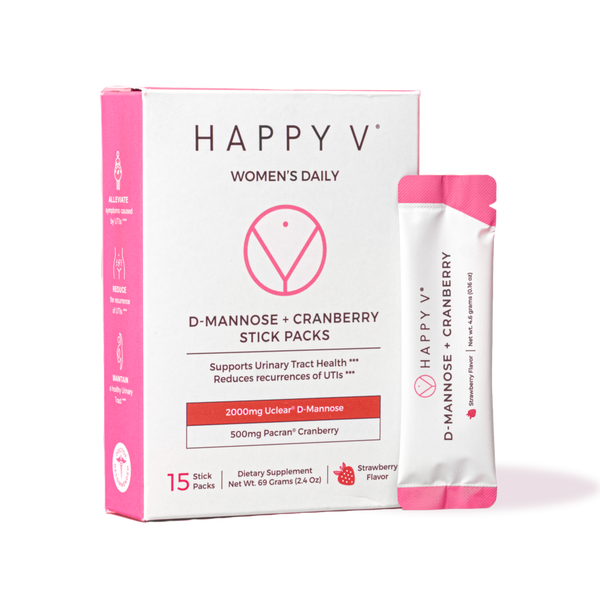
A natural sugar that prevents bacteria like E. coli from sticking to your urinary tract walls, helping prevent UTIs
Learn more -
Dark red or brown period blood
Older menstrual blood that oxidized before making its exit; usually appears toward the end of your period.
Learn more -
Dehydration
Not having enough fluids in your system, which can worsen UTI symptoms and vaginal dryness.
-
Delayed Period
When your period decides to show up fashionably late to the party (think: a day or two).
Learn more -
Depression
A mood disorder that causes persistent sadness and can throw your hormones out of whack.
-
Digestive enzyme deficiency
When your body doesn't produce enough enzymes to properly break down food, causing digestive issues
Learn More -
Digestive enzymes
Proteins that break down food into smaller molecules your body can absorb and use for energy
Learn More -
Digestive system
The organs that work together to break down food, absorb nutrients, and eliminate waste, from mouth to, well, exit
Learn More -
Discharge
Fluid released from your vagina that's totally normal and helps keep things clean and healthy
Learn More -
Dizziness or lightheadedness
That woozy, unsteady feeling often related to hormonal changes or blood loss.
-
Douching
Rinsing your vagina with water or solutions, which actually disrupts your natural pH and healthy bacteria.
Learn more -
Dysmenorrhea (painful periods)
Menstrual cramps that are severe enough to interfere with daily activities.
-
Dyspareunia (pain during sex)
The medical term for pain experienced during sexual intercourse that's very common and not something that has to be lived with.
Learn more -
Dysuria (burning during urination)
A burning or stinging sensation when you pee, usually signaling a UTI or infection.
-
E
-
Ectopic pregnancy
A pregnancy that develops outside your uterus, usually in a fallopian tube.
-
Eczema (atopic dermatitis)
A chronic skin condition causing red, itchy, inflamed patches that can flare up from triggers like stress or allergens
-
Endogenous enzymes
Digestive enzymes your body naturally produces in organs like your pancreas and salivary glands
Learn More -
Endometriosis
A painful condition where tissue similar to your uterine lining grows outside the uterus.
Learn more -
Epithelium
The protective layer of cells lining your vagina and other body surfaces.
-
Erythema
The medical term for redness of the skin or mucous membranes caused by increased blood flow
-
Escherichia coli (E. Coli)
A gut bacteria that's the number one culprit behind urinary tract infections.
Learn more -
Estrogen
The primary female sex hormone that keeps menstruation, reproduction, and vaginal health running smoothly.
-
Exogenous enzymes
Digestive enzymes you get from outside sources like food or supplements to aid digestion
Learn More
-
F
-
Fallopian tube scarring
Damage to your fallopian tubes, often from untreated infections like chlamydia.
-
Fatigue
That exhausted, run-down feeling that doesn't quit, often linked to hormonal imbalances.
-
Fermented foods
Foods transformed by beneficial bacteria (like yogurt, kimchi, and sauerkraut) that support gut health
Learn More -
Fever
Your body's temperature rising to fight off an infection.
-
Fiber supplements
Products that add extra dietary fiber to help with digestion, regularity, and gut health
-
Final menstrual period
Your very last period before menopause, which you can only identify in hindsight after 12 months without bleeding
Learn More -
Fishy vaginal odor
That unmistakable smell of bacterial vaginosis caused by anaerobic bacteria.
Learn more -
Flagellum hook
The whip-like tail that helps bacteria like Gardnerella move around and latch onto cells.
-
Foreign Body Response (inflammation)
Your immune system's reaction to something it sees as an invader, like an IUD or implant
-
Foul smell
An unpleasant vaginal odor that's your body's way of saying something's off balance.
-
G
-
Gardnerella vaginalis
The key troublemaker bacteria behind bacterial vaginosis that throws your vaginal pH off track.
Learn more -
Gartner’s duct cyst
A rare, fluid-filled bump on your vaginal wall made from leftover embryonic tissue.
-
Genital herpes
An STI caused by the herpes simplex virus that creates painful blisters or sores.
-
Genital warts
Bumpy skin growths in your genital area caused by certain strains of HPV.
-
Gluten intolerance
Difficulty digesting gluten (without celiac disease) that causes bloating, discomfort, and digestive issues
-
Glycogen
A stored form of sugar in your vaginal cells that feeds healthy lactobacilli, keeping your pH balanced
-
Gonorrhea
A common STI caused by Neisseria gonorrhoeae bacteria.
-
Gray period blood
Grayish discharge during your period that could signal an infection like BV.
Learn more -
Green period blood
Greenish menstrual blood or discharge that's usually a red flag for bacterial infection.
Learn more -
Gut microbiome
The bustling community of bacteria and microorganisms living in your digestive system.
-
Gynecologic exam / speculum exam
A pelvic exam using a speculum to open the vagina so your provider can examine your cervix and vaginal walls
-
H
-
Hair loss (Hair thinning)
Excessive shedding or thinning that's often connected to hormonal imbalances like PCOS.
-
Heavy bleeding
Menstrual flow that's seriously abundant, soaking through products quickly or lasting over seven days.
-
High cholesterol
Elevated levels of cholesterol in your blood that increase your risk for heart disease and stroke
-
Hirsutism
Unwanted hair growth in typically male-pattern areas (like the face), usually caused by excess androgens.
-
Hormonal birth control
Contraceptives that use synthetic hormones to prevent pregnancy, including pills, patches, and hormonal IUDs
Learn More -
Hormonal changes (pregnancy, menopause, menstrual cycle)
Natural fluctuations in hormone levels that affect your body throughout different life stages and monthly cycles
Learn More -
Hormonal Imbalance
When your hormone levels are out of their normal range, causing symptoms throughout your body.
-
Hormonal IUD
An intrauterine device that releases progestin to prevent pregnancy while potentially lightening periods
Learn More -
Hormone level blood tests
Blood work that measures specific hormones to identify imbalances or health issues.
-
Hormone replacement therapy (HRT)
Treatment that supplements declining hormones (usually estrogen and progesterone) during menopause to relieve symptoms
Learn More -
Hot flashes
Sudden waves of heat and sweating, especially common during perimenopause and menopause.
Learn more -
HPV test (HPV screening)
A test that checks for high-risk HPV strains that could lead to cervical cancer.
-
Human papillomavirus (HPV)
A group of viruses that can cause genital warts and certain cancers, including cervical cancer.
Learn more -
Hunger and satiety hormones
Chemical messengers like ghrelin and leptin that regulate your appetite and tell you when you're full
-
Hydration
Keeping your body properly supplied with fluids to support everything from vaginal moisture to urinary health.
-
Hydrogen peroxide
A substance naturally produced by healthy Lactobacilli that helps keep your vaginal pH acidic.
Learn more -
Hypertension
High blood pressure that puts extra strain on your heart and blood vessels over time
-
Hypoallergenic products
Items formulated to minimize allergic reactions by excluding common irritants and allergens
-
Hypothalamic‑pituitary‑ovarian axis
The communication highway between your brain and ovaries that regulates your menstrual cycle and reproductive hormones
-
Hysterectomy
Surgery to remove the uterus, sometimes along with the cervix, ovaries, or fallopian tubes.
-
I
-
Immune system
Your body's defense network that protects you from infections, diseases, and foreign invaders
-
Infection
When harmful bacteria, viruses, fungi, or parasites invade your body and start causing trouble
-
Infection swab tests
Tests that use a swab sample to identify bacteria, yeast, or other pathogens causing infection.
-
Infertility
Difficulty getting pregnant after a year of trying, or difficulty carrying a pregnancy to term.
-
Inflammation
Your body's natural response to infection or injury that can become problematic when chronic.
-
Inflammation markers
Substances in your blood that signal inflammation happening somewhere in your body.
-
Inflammatory Bowel Disease (IBD)
Chronic conditions like Crohn's disease or ulcerative colitis that cause intestinal inflammation.
-
Insomnia
Trouble falling asleep or staying asleep, often linked to hormonal changes or stress.
-
Insulin resistance
When your cells don't respond well to insulin, causing blood sugar issues—a hallmark of PCOS.
-
Interstitial cystitis
A chronic bladder condition that causes pelvic pain and frequent, urgent urination.
-
Intrauterine device (IUD)
A small T-shaped device inserted into your uterus for long-term birth control.
Learn more -
Irregular bleeding or spotting
Bleeding between periods or unpredictable menstrual patterns that differ from your normal cycle.
-
Irregular bowel movements
Unpredictable bathroom habits that vary in frequency, consistency, or timing from your normal pattern
Learn More -
Irritable Bowel Syndrome (IBS)
A digestive disorder causing cramping, bloating, diarrhea, and constipation without visible bowel damage.
-
Itchy or burning bumps
Irritated skin bumps that could signal genital herpes, yeast infection, or another condition.
-
K
-
Kegel exercises
Pelvic floor muscle contractions that strengthen the muscles supporting your bladder, uterus, and rectum
-
Kidney/Bladder Stones
Hard mineral deposits that form in your kidneys or bladder and can cause severe pain.
-
Kidney Disease
Conditions that damage your kidneys and affect their ability to filter waste from your blood.
-
Kidney Infection
A serious form of UTI that has traveled up to your kidneys, causing fever, back pain, and nausea.
-
L
-
Labia majora
The outer, fleshier folds of skin that form the outside of your vulva and protect your internal structures
-
Labia minora
The inner, thinner folds of skin that protect your vaginal opening and surround your clitoris
-
Lactase
The enzyme that breaks down lactose (milk sugar) so your body can digest dairy products
Learn More -
Lactic acid
An acid produced by lactobacilli that keeps your vaginal pH low and creates a hostile environment for bad bacteria
Learn More -
Lactobacillus
The superstar good bacteria that dominate a healthy vaginal microbiome and keep your pH balanced.
Learn more -
Lactobacillus acidophilus
A beneficial Lactobacillus strain that produces lactic acid to maintain vaginal acidity.
-
Lactobacillus crispatus
The MVP of vaginal health; a Lactobacillus strain strongly linked to optimal vaginal balance.
Learn more -
Lactobacillus gasseri
A guardian strain that crowds out harmful bacteria and helps maintain your vagina's natural protective barrier.
-
Lactobacillus iners
A common but less protective Lactobacillus species that's easier to disrupt than other strains.
Learn more -
Lactobacillus jensenii
A hydrogen peroxide-producing probiotic strain that actively fights off bad bacteria to keep you balanced.
-
Lactobacillus reuteri
A probiotic strain found in both the gut and vagina that supports immune health.
-
Lactobacillus rhamnosus
A clinically-studied strain that helps restore and maintain healthy vaginal flora, especially after disruption.
-
Lactose intolerance
When your body doesn't produce enough lactase to digest dairy, causing bloating, gas, and discomfort
-
Late‑term miscarriage
Pregnancy loss that occurs between 13 and 20 weeks of gestation
-
Latex allergy / latex sensitivity
An immune reaction to proteins in natural rubber latex, which can cause reactions to condoms and medical gloves
Learn More -
Leukocyte esterase
An enzyme released by white blood cells that shows up in urine tests as a sign of infection
-
Libido
Your sex drive or desire for sexual activity, which hormones heavily influence.
-
Lichen planus
An inflammatory condition that creates painful, purplish patches on skin and mucous membranes, including the vulva
Learn More -
Lichen sclerosus
A chronic skin condition causing white, patchy, thin skin on the vulva that can itch and tear easily
Learn More -
Lichen simplex chronicus
Thickened, leathery skin caused by chronic scratching and rubbing, often from persistent itching
Learn More -
Lipase
A digestive enzyme that breaks down fats into smaller fatty acids your body can absorb
Learn More -
Lower urinary tract symptoms
A group of symptoms including frequent urination, urgency, and discomfort when peeing.
-
M
-
Menopause
The end of your reproductive years, officially diagnosed after 12 months without a period.
-
Menstrual health
The overall wellness of your menstrual cycle, including regularity, flow, and associated symptoms.
-
Metabloic syndrome
A cluster of conditions (think: high blood pressure, high blood sugar, excess belly fat) that increase disease risk.
-
Metabolism
All the chemical processes in your body that convert food into energy and keep you functioning
-
Mobiluncus
A curved, mobile bacteria commonly found in bacterial vaginosis that disrupts vaginal balance.
-
Mood swings
Rapid or intense changes in your emotional state, often triggered by hormonal fluctuations.
-
Mucosal tissue
The moist, protective lining of body cavities like your mouth, nose, and vagina
-
Mucous membranes
Specialized tissue that lines body openings and produces mucus to trap pathogens and keep surfaces moist
-
Multiplex PCR test
A molecular test that can detect multiple infections simultaneously from a single sample.
-
Muscle mass (lean body mass)
The total amount of skeletal muscle in your body, which affects metabolism, strength, and overall health
-
Mycoplasma genitalium
A sexually transmitted bacteria that can cause urethritis, cervicitis, and pelvic inflammatory disease.
Learn more -
Mycoplasma hominis
A bacteria that lives in the genital tract and can sometimes contribute to BV or PID
Learn more -
Myo-inositol
A compound that helps regulate insulin and hormones, particularly beneficial for PCOS management.
Learn more -
Myomas
Another name for uterine fibroids, or benign growths in the muscle tissue of the uterus.
-
N
-
Natural moisturizers
Your body's own lubrication and hydration systems, or gentle, body-safe products that mimic them
-
Neisseria gonorrhoeae
The bacteria responsible for causing gonorrhea infections.
-
Night Sweats
Episodes of heavy sweating during sleep, commonly linked to perimenopause and menopause.
Learn more -
Nitrites
Compounds produced by bacteria that show up in urine tests as a marker for urinary tract infections
-
Non‑hormonal (copper) IUD
A hormone-free intrauterine device that uses copper to prevent pregnancy for up to 10 years
Learn More -
Nonoxynol‑9
A spermicide chemical found in some condoms and contraceptives that can irritate vaginal tissue and increase infection risk
Learn More -
Nucleic Acid Amplification Test
A highly sensitive molecular test that detects genetic material from bacteria or viruses.
-
Nugent score
A scoring system (0-10) that diagnoses bacterial vaginosis based on vaginal bacteria under a microscope.
-
Nutrient deficiencies (malnutrition)
When your body doesn't get enough of essential vitamins, minerals, or other nutrients it needs to function
Learn More -
Nutrition
The process of getting the nutrients your body needs from food to function, grow, and stay healthy
-
O
-
Obesity
Excess body weight from accumulated fat that increases health risks, typically defined as a BMI over 30, though there is discussion around the accuracy of BMI alone
-
Odor
The natural scent your body produces, which should be mild; strong or foul smells usually signal something's off
-
Off‑color vaginal discharge
Discharge that's yellow, green, gray, or otherwise different from the normal clear-to-white spectrum
Learn More -
Omega‑3 fatty acids
Essential fats your body needs for heart, brain, and anti-inflammatory support, found in fish and certain plant sources
Leanr More -
Omega‑7 (palmitoleic acid)
A fatty acid (particularly palmitoleic acid) that supports mucous membrane health and may help with vaginal dryness
Learn More -
Orange period blood
Menstrual blood with an orange tint, which could indicate infection when mixed with cervical fluid.
Learn more -
Oropharyngeal cancer
Cancer in the back of the throat, often linked to oral HPV infection.
-
Osteoporosis
A condition where bones become weak and brittle, often accelerated by declining estrogen during menopause.
-
Ovarian cyst rupture
When a fluid-filled ovarian cyst bursts, causing sudden, sharp pelvic pain.
Learn more -
Overactive bladder
A condition causing sudden, strong urges to urinate and frequent bathroom trips, often with leakage
-
Ovulation pain
Mid-cycle cramping or aching when your ovary releases an egg, sometimes called mittelschmerz.
-
P
-
pH Scale
A measurement system from 0-14 that indicates how acidic or alkaline a substance is.
-
pH (vaginal pH)
The acidity or alkalinity level of your vagina, ideally between 3.8-4.5 for optimal health.
Learn more -
Pacran®
A patented, concentrated whole cranberry powder clinically studied for urinary tract health
Learn More -
Painful blisters or sores
Tender lesions in the genital area, often a sign of genital herpes.
-
Pancreas
The organ that produces digestive enzymes and insulin to help break down food and regulate blood sugar
-
Pancreatic insufficiency
When your pancreas doesn't make enough digestive enzymes, causing malabsorption and digestive issues
-
Pap smear (Pap test)
A screening test that collects cervical cells to check for abnormalities or early signs of cancer.
-
PCR
Polymerase chain reaction, a molecular technique that amplifies DNA to detect infections with high accuracy
-
Pelvic exam
A physical examination of your reproductive organs, including the vagina, cervix, uterus, and ovaries.
-
Pelvic exam with biopsy
A pelvic exam that includes taking a small tissue sample for lab analysis.
-
Pelvic floor
The hammock of muscles and connective tissue that supports your bladder, uterus, and rectum
Learn More -
Pelvic floor physiotherapy
Specialized physical therapy to strengthen, relax, or retrain your pelvic floor muscles
-
Pelvic Inflammatory Disease (PID)
A serious infection of the female reproductive organs, often from untreated STIs.
Leart more -
Pelvic pain
Discomfort or pain felt in the lower abdomen or pelvic region that can have many causes.
-
Pelvic ultrasound imaging
An imaging test using sound waves to visualize your uterus, ovaries, and other pelvic structures.
-
Penile cancer
Cancer that develops in the tissues of the penis, sometimes linked to HPV infection.
-
Perimenopause
The transitional years leading up to menopause when hormones start to fluctuate and periods become irregular.
Learn more -
Persistent pelvic pain
Ongoing pain in your pelvic region that lasts for months and interferes with daily life
-
Phytoestrogens
Plant compounds that weakly mimic estrogen in your body and may help with menopause symptoms
-
Pink period blood
Light red or pink menstrual blood, often seen at the start or end of your period or with lighter flow.
Learn more -
Polycystic ovary syndrome (PCOS)
A hormonal disorder causing irregular periods, excess androgens, and often multiple ovarian cysts.
Learn more -
Polysomnography
A sleep study test that monitors brain waves, breathing, and body movements to diagnose sleep disorders.
-
Postmenopause
The years after your final menstrual period when you're officially done with periods for good
Learn More -
Prebiotic foods
Foods rich in fiber that support the growth of beneficial gut and vaginal bacteria, like garlic, onions, and bananas
Learn More -
Prebiotics
Non-digestible fibers that support the good bacteria in your gut and vaginal microbiome.
Learn more -
Pregnancy
The condition of carrying a developing embryo or fetus in the uterus.
-
Premenstrual Dysphoric Disorder (PMDD)
A severe form of PMS causing intense mood changes, depression, and anxiety before your period.
Learn more -
Preterm or pre‑labor rupture of membranes
When your water breaks before labor starts or before 37 weeks of pregnancy
-
Prevention
Steps taken to avoid infections, diseases, or health complications before they occur.
-
Prevotella
A type of bacteria that, when overabundant in the vagina, is linked to bacterial vaginosis.
Learn more