

- Fact Checked
- December 04, 2025
- 9 min read
Navigating Perimenopause Symptoms After Hysterectomy

- Written by Daniella Levy • Updated on June 05, 2026
- Updated on June 05, 2026

Table of Contents
Table of Contents
Undergoing a hysterectomy can bring significant changes to your body and your everyday life, especially when it comes to hormonal shifts and menopausal symptoms1. Whether your surgery was recent or you're planning ahead, understanding what to expect can help you navigate this transition with confidence and prepare for the road ahead.
This post is for informational purposes only and does not constitute medical advice. See full disclaimer below.
Understanding Surgical Menopause and Its Causes

Surgical menopause occurs when your ovaries are removed during a hysterectomy procedure, instantly stopping the production of estrogen and other reproductive hormones2. This differs significantly from the natural aging process, where hormone levels decline gradually over several years.
Types of Hysterectomy and Their Impact:
Not all hysterectomies are the same. Some involve removing the uterus alone, while others include the ovaries or cervix3. The specific procedure performed can greatly influence whether, and how quickly, menopausal symptoms appear afterward.
- Total Hysterectomy with Bilateral Salpingo-Oophorectomy: Removal of the uterus, cervix, fallopian tubes, and both ovaries results in immediate surgical menopause and estrogen deficiency4. This is the most dramatic hormonal change, leading to instant menopausal symptoms.
- Total Hysterectomy with Ovarian Conservation: When ovaries are preserved, you may still experience some hormonal changes due to altered blood flow to the ovaries, potentially leading to earlier natural menopause or "silent ovarian failure."5
- Supracervical Hysterectomy: Removal of the upper portion of the uterus while leaving the cervix and ovaries intact typically has the least hormonal impact, though some women still experience changes.
- Radical Hysterectomy: This more extensive surgery may affect ovarian function even when ovaries are preserved due to potential damage to blood supply and surrounding tissues6.
How Surgical Menopause Compares to Natural Menopause

The differences between surgical and natural menopause are profound and affect both the intensity and timeline of symptoms you might experience.
The natural menopause process:
- Occurs gradually over several years (perimenopause typically lasts 4-8 years)
- Hormone levels fluctuate before declining
- Begins, on average, around 51
- Symptoms often develop slowly, allowing your body time to adjust
- Ovaries may continue producing small amounts of hormones even after periods stop
The surgical menopause process:
- Occurs immediately when ovaries are removed
- Involves sudden, dramatic drop in hormones within days
- Can happen at any age depending on when surgery is performed
- Symptoms often appear quickly and may be more severe
- Complete cessation of ovarian hormone production
Common Symptoms After Hysterectomy

The sudden drop in hormones after a hysterectomy often leads to more intense menopausal symptoms compared to the gradual hormonal changes of natural menopause7. For example, women who have had a hysterectomy frequently report that hot flashes are more frequent and severe, mood changes are more dramatic, and sleep disruption is more significant following surgical menopause.
Understanding the range of potential symptoms can help you recognize what you're experiencing and seek appropriate support.
Vasomotor Symptoms
Vasomotor basically refers to your body’s ability to regulate temperature8. The most common symptoms include:
- Hot flashes: Often more intense and frequent than in natural menopause
- Night sweats: Can significantly disrupt sleep quality and duration
- These symptoms are typically among the first to appear and can be the most bothersome
Physical Changes
Estrogen influences far more than reproductive health, so when levels drop suddenly, it can affect multiple systems in the body, leading to:
- Vaginal dryness: Due to estrogen deficiency affecting vaginal tissue
- Sexual health issues: Changes in libido, comfort, and sexual response
- Fatigue: Both from hormonal changes and sleep disruption
- Joint and muscle pain: Estrogen affects joint health and inflammation
- Weight gain: Hormonal changes can affect metabolism and fat distribution
- Hair thinning or hair loss: Reduced estrogen can affect hair growth and thickness
Bone and Long-term Health
Estrogen loss after hysterectomy can weaken bones and reduce heart protection, raising long-term health risks, particularly:
- Osteoporosis risk: Estrogen deficiency accelerates bone loss
- Cardiovascular changes: Estrogen provides some heart protection that's lost after surgery
Sleep and Energy
Hormonal changes often disrupt sleep and drain energy, making rest and recovery more difficult, which is why these symptoms are common:
- Sleep problems: Difficulty falling asleep, staying asleep, or achieving restful sleep
- Fatigue: Often compounded by poor sleep quality and hormonal changes
Emotional and Psychological Impact
The emotional journey following hysterectomy is often underestimated but incredibly important to address. The combination of sudden hormonal changes, physical recovery, and potential feelings about the surgery itself can create a complex emotional landscape.
Common Emotional Experiences

Emotional changes after hysterectomy are common, influenced by both hormonal shifts and the life adjustments that follow surgery. They often include:
- Mixed feelings: Relief from previous symptoms alongside grief for lost fertility
- Mood swings: Sudden hormonal changes can cause emotional instability
- Anxiety: Uncertainty about the future and physical changes can increase worry
- Depression: Hormonal shifts combined with life changes can trigger depressive symptoms
- Feelings of loss or grief: Even when surgery was necessary, mourning the loss of reproductive organs is normal
Why Symptoms Aren’t the Same for Everyone

Every woman’s experience after hysterectomy is unique, shaped by both surgical and personal factors.
Factors That Influence Your Experience
- Type of hysterectomy: Removing the ovaries often leads to more severe symptoms than preserving them.
- Age at surgery: Younger women tend to experience more dramatic hormonal shifts.
- Pre-surgery hormone levels: Your baseline hormone status affects how you transition.
- Overall health: Fitness, nutrition, and existing conditions influence recovery.
- Genetics: Family history can shape symptom patterns and duration.
Symptom Differences
- Duration: Some women experience intense symptoms for only a few months, while others face milder but longer-lasting changes.
- Variability by type: Hot flashes may resolve sooner, while bone and heart health require long-term attention.
- Silent ovarian failure: Even when ovaries are preserved, some women develop earlier menopause symptoms if ovarian function declines unexpectedly.
Managing Symptoms and Treatment Options

Fortunately, there are many effective ways to manage post-hysterectomy symptoms, often through a personalized mix of medical, lifestyle, and emotional support strategies9.
Hormone Replacement Therapy (HRT)
For women experiencing surgical menopause—especially at a younger age—hormone therapy can be highly beneficial10. HRT often involves:
- Estrogen-only therapy (ET): With the uterus removed, progestin is typically not needed11.
- Menopausal hormone therapy (MHT): May include combinations tailored to your needs12.
- Estrogen cream: Targets vaginal dryness and related symptoms13.
- Delivery methods: Options include pills, patches, gels, and vaginal rings14.
Nonhormonal Medication Options
When hormone therapy isn’t suitable, other medications can help manage symptoms, including:
- Antidepressants: May reduce hot flashes and support mood15.
- Blood pressure medications: Can help decrease hot flash frequency16.
- Osteoporosis medications: Protect bone density if loss is a concern17.
Lifestyle Modifications
Daily habits can play a major role in recovery and long-term wellness. Focus on pillars like:
- Exercise: Supports bone, heart, mood, and weight management.
- Healthy diet: Focus on calcium, vitamin D, and balanced nutrition.
- Stress reduction: Practices like yoga, meditation, and breathing exercises.
- Sleep hygiene: Create conditions for deeper, more restorative rest.
Supplement Support
Supplements can provide additional relief alongside medical or lifestyle approaches, especially for hot flashes, sleep issues, mood shifts, and bone health. Key ingredients for menopause support supplements include:
- Vitamin B6 & B12: Support energy, mood regulation, and nervous system health.
- DIM (Diindolylmethane): Promotes healthy estrogen metabolism.
- Hop extract & Red clover: Plant-based compounds studied for reducing hot flashes.
- Ashwagandha: Adaptogen that supports stress resilience and balanced energy.
- Magnesium & Zinc: Important for sleep quality, relaxation, and immune function.
- 5-HTP: May support restful sleep and mood balance.
- Lignans (Norway spruce): Phytoestrogens that may gently support hormone balance.
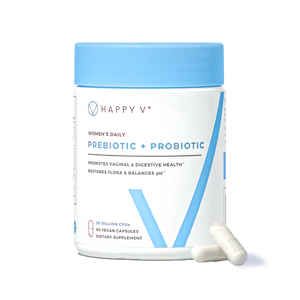
Happy V Menopause Relief AM+PM brings these ingredients together in a unique dual-formula system. The AM formula is designed to promote steady energy, mood balance, and focus throughout the day, while the PM formula supports nighttime relief from hot flashes, stress, and sleep disruption. Together, this around-the-clock approach helps smooth the most common challenges of post-hysterectomy and menopausal transitions, offering support exactly when your body needs it most.
Emotional and Professional Support
Emotional well-being is as important as physical recovery. Support your emotional well-being by utilizing:
- Stress management techniques: Mindfulness, meditation, gentle exercise, and relaxation can ease both emotional and physical strain.
- Mental health professionals: Therapists specializing in women’s health provide tailored support.
- Psychotherapy: Approaches like CBT help with adjustment and coping.
- Medication: Antidepressants may assist in managing mood shifts during the transition.
Long-Term Health and Monitoring

Managing symptoms is only part of the journey. Preventive care and long-term health monitoring become especially important after hysterectomy. This includes:
- OB/GYN visits: Regular follow-ups remain important.
- Bone density screening: Monitor for osteoporosis, particularly without hormone therapy.
- Cardiovascular health: Extra attention is needed since estrogen loss increases risk.
- Blood tests: Track hormones, lipids, and other key markers.
- Cervical cancer screening: Still required if the cervix was preserved or if there’s a history of abnormalities.
Your doctor will create a personalized plan, often with a focus on protecting bone and heart health through screening, lifestyle strategies, and possibly hormone therapy. Whatever your plan looks like, communication is key: keep track of your symptoms and treatments, and share changes or side effects so your care team can make timely adjustments.
Final Thoughts
Experiencing menopause after hysterectomy presents unique challenges, but with proper support, monitoring, and treatment, most women successfully navigate this transition and maintain excellent quality of life.
Remember that seeking help is a sign of strength, not weakness. Whether you need medical treatment, emotional support, or simply someone to listen, resources are available to help you through this journey. Every woman's path is different, but you don't have to walk it alone.
Work closely with your healthcare team, stay informed about your options, and be patient with yourself as you adjust to these changes. With time, appropriate treatment, and support, you can thrive during this new phase of your life.
Keep the Conversation Going
- Visit our blog for more women's health tips.
- Join our private Happy V Facebook group to hear from others who've been there.
- Explore supplements designed to support your vaginal health journey.
Disclaimer: This blog is for informational and educational purposes only and is not intended to diagnose, treat, cure, or prevent any disease. Statements about supplements have not been evaluated by the Food and Drug Administration. For more information about vaginal infections, visit the CDC or speak to a licensed healthcare provider.