

- Fact Checked
- February 02, 2026
- 12 min read
Can Condoms Cause Infections? Understanding the Link

- Written by Daniella Levy • Updated on July 24, 2026
- Updated on July 24, 2026

Table of Contents
Table of Contents
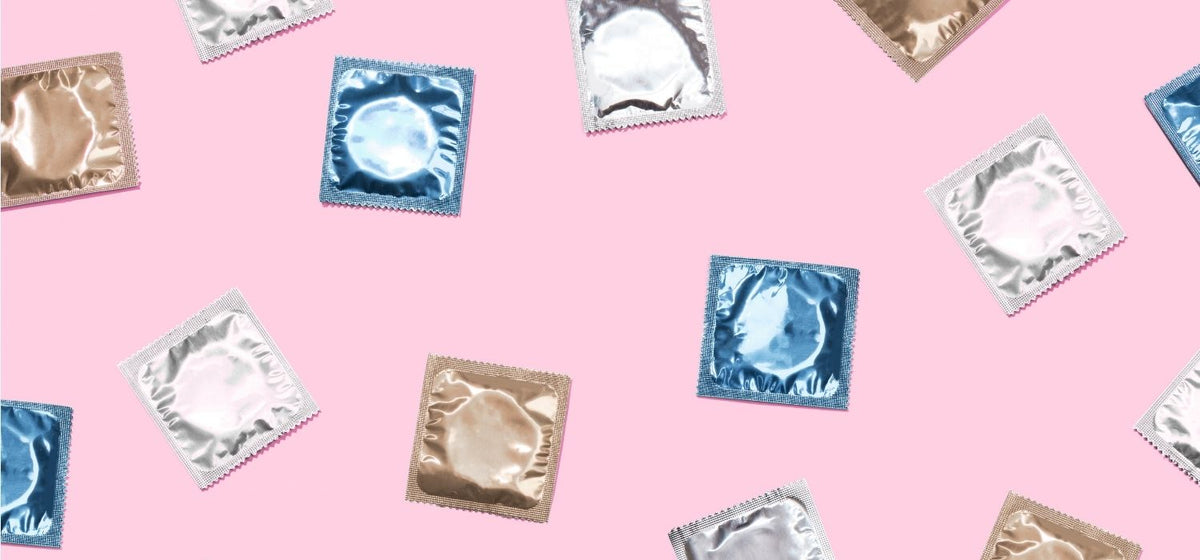
You're doing everything right when it comes to your sexual health. You’re using condoms, practicing good sex hygiene, but suddenly—bam!—you're dealing with a yeast infection or UTI. What gives? Could your condoms actually be causing the problem?
To make a long story short: No. Condoms themselves don't cause infections. But certain materials and additives can absolutely mess with your vaginal health in ways you might not expect.
This post is for informational purposes only and does not constitute medical advice. See full disclaimer below.
The Truth About Condoms and Infections

First, the good news: condoms actually protect against vaginal infections. Research published in Epidemiology found that consistent condom use was associated with a decreased frequency of bacterial vaginosis (BV)1. But if that’s the case… why are we even having this conversation?
Well, because it’s not the condom as a form of birth control that’s a problem2. It’s what’s in or on that condom that can be problematic. Certain materials, lubricants, and chemical additives can create the perfect storm for infections to develop. As for what that “perfect storm” is exactly and how you can avoid it without swearing off condoms altogether, keep reading.
What Makes Some Condoms Problematic?

The three main factors that can turn your safe sex routine into a vaginal health nightmare are latex sensitivities, spermicide additives, and certain lubricant ingredients3. Let’s break each of those down now.
Latex Allergies and Sensitivities
Latex condoms are the most common type of contraceptive barrier, but anywhere from 1 to 6 percent of people actually have some level of latex allergy or sensitivity4. And here's the kicker: research shows that women are more susceptible to allergic reactions from latex because vaginal mucus membranes absorb latex proteins way faster than other tissues.
If the latex material is causing your vaginal tissue to get irritated or inflamed, your vaginal barrier is therefore compromised, making it easier for opportunistic organisms like Candida (yeast) to take hold and potentially cause an infection5.
Signs you might have a latex sensitivity include:
- Vaginal itching or burning during or after sex
- Swelling around the vulva
- Redness or rash
- Recurrent yeast infections or BV after protected sex
If condoms are your preferred method of birth control, the good news is that many non-latex options are available6. You just have to make sure they don’t contain the other top two culprits.
Spermicide
Sermicide-coated condoms might seem like you're getting extra birth control protection, but—plot twist!—they can actually increase your infection risk7. That’s because most spermicides contain nonoxynol-9, a chemical that kills sperm but also damages your vaginal tissue and the good bacteria that keep you healthy.
A study published in the American Journal of Epidemiology found that women exposed to nonoxynol-9-coated condoms faced nearly three times the risk of developing urinary tract infections compared to those who didn't use spermicide-coated condoms8. The research showed that spermicide was responsible for 42% of UTIs among women exposed to these products.
How spermicide messes with your vaginal health:
- Kills the beneficial Lactobacillus bacteria that keep yeast in check
- Irritates vaginal tissue, creating entry points for bacteria
- Disrupts your vaginal pH balance
- May increase the risk of chronic UTI and yeast infections
Condoms with spermicides added list them on the box, so if you see it, avoid it9!
Lubricants and Additives
Many pre-lubricated condoms contain glycerin, a sugar-based ingredient that basically feeds Candida yeast. And flavored or scented lubricated condoms contain additional chemicals that can irritate sensitive vaginal tissue.
Not everyone who uses glycerin-based lube will develop a yeast infection, but if you're already prone to recurrent infections, these ingredients in lubricants can absolutely tip the balance.
The type of lube you use matters, too. Water-based lubricants without glycerin are generally safer for your vaginal pH than oil-based or glycerin-heavy options10. Silicone-based lubricants are another good choice for sexual activity, as they don't contain sugars that feed yeast overgrowth.
Other Contributing Factors to Infection
Beyond the condoms themselves, several other factors can contribute to post-sex infections, with the most important being:
Your Immune System
Your immune system plays a huge role in keeping infections at bay11. It’s actually its #1 job. But when you're stressed, sleep-deprived, or fighting off another illness, your body's defenses are weaker, making you more susceptible to yeast infections, bacterial vaginosis, and UTIs after sex, even when using condoms that are free of latex and spermicides.
Hormonal Changes
Hormonal fluctuations that occur during your menstrual cycle, pregnancy, or perimenopause can affect your vaginal environment12. Lower estrogen levels (like during perimenopause) can make vaginal tissue thinner and more prone to irritation from condoms and lubricants, potentially leading to infections.
Many women think they don’t have to use condoms during the perimenopause stage because their estrogen is lower and their periods are irregular, but until you’ve reached menopause (aka haven’t had a period for 12 consecutive months), you are still at risk for pregnancy13. Plus, condoms protect against STIs and STDs no matter your stage in life!
Antibiotics and Medications
Antibiotics are a necessary and often lifesaving form of medication14. But they aren’t without side effects. Antibiotics kill the bad bacteria causing your infection, but they also wipe out the good Lactobacillus bacteria in your vagina. This disruption to your natural balance can lead to yeast overgrowth, especially after sexual activity.
Douching and Hygiene Products
Douching is not good for your vaginal health15. Let's say it louder for the people in the back: douching is not good for your vaginal health.
Douching disrupts your vaginal pH and removes protective bacteria, making infections more likely. The same goes for scented soaps, feminine washes, and other products marketed for the genital area that often contain chemicals that disrupt vaginal pH. Your vagina is self-cleaning and doesn't need these products.
Recognizing Symptoms of Infection
Avoiding triggers and practicing good sex hygiene will help prevent many vaginal infections, but sometimes, despite our best efforts, infections happen16. When they do, the best thing you can do is catch them early so you can start treating them before they spread or lead to complications.
Here are the most common infections associated with certain types of condoms and how you can spot them:
Yeast Infection Symptoms
Yeast infections are incredibly common. About 75% of people with vaginas will experience at least one in their lifetime17. If you're dealing with a yeast infection, you might notice:
- Thick, white, cottage cheese-like discharge
- Intense itching and irritation in the genital area
- Burning sensation, especially during urination or sex
- Redness and swelling of the vulva
- Soreness or discomfort
Bacterial Vaginosis Symptoms
BV happens when harmful bacteria outnumber the good guys in your vagina18. Signs include:
- Thin, gray, white, or green vaginal discharge
- Strong fishy odor, especially after sex
- Burning during urination
- Vaginal itching (though less common than with yeast infections)
UTI Symptoms
Urinary tract infections affect your bladder and urethra19. Watch for:
- Burning sensation when you pee
- Frequent urge to urinate, even when your bladder is empty
- Cloudy, dark, or bloody urine
- Strong-smelling urine
- Pelvic pain or pressure
- Low-grade fever (in more severe cases)
Allergic Reaction Symptoms20

If you're experiencing allergic reactions to latex condoms or other materials, you might notice:
- Immediate itching or burning during or right after sex
- Hives or rash in the genital area
- Swelling of the vulva or vagina
- In severe cases: difficulty breathing, widespread rash, or anaphylaxis (seek emergency care immediately)
As you’ll notice many of these symptoms—especially between BV, UTIs, and yeast infections—can overlap, but each of these requires a different form of treatment to resolve21. That’s why it's important to get a diagnosis from a doctor, instead of taking your best guess after a few Google searches.
Seeking Treatment: When and How
Not every little discomfort requires a doctor's visit, but knowing when to seek treatment can prevent complications and frustrating recurring infections22.
When to See Your Healthcare Provider
Schedule an appointment with your healthcare provider if you experience:
- Your first suspected yeast infection (get it properly diagnosed before self-treating)
- Recurrent infections (three or more yeast infections per year)
- Persistent symptoms that don't improve with over-the-counter treatment
- Unusual discharge with a strong odor (could be BV or an STI)
- Pain during sex that doesn't improve with different types of condoms or lubricants
- UTI symptoms that last more than a day or two
- Severe allergic reactions to latex or other condom materials
- Any symptoms if you're pregnant
Treatment Options
What treatment option your doctor suggests comes down to where your infection is (vagina or urinary tract) and what’s causing it (yeast or bacteria)23.
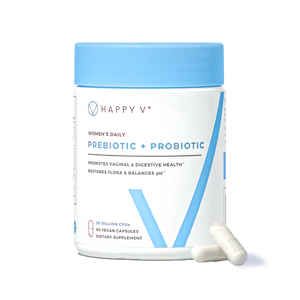
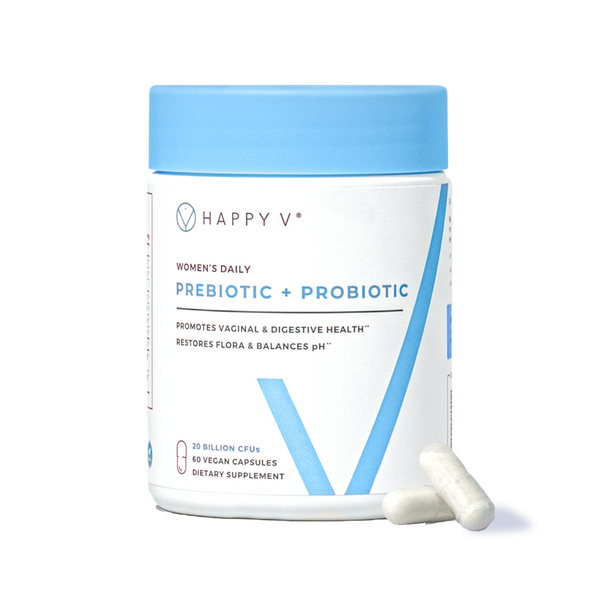
For yeast infections: Over-the-counter antifungal medications (like miconazole or clotrimazole) work well for most people24. If you're experiencing recurrent yeast infections, your healthcare provider might prescribe oral fluconazole or recommend longer treatment courses. Supporting your vaginal microbiome with vaginal probiotics can also help prevent future infections by restoring levels of protective Lactobacillus.
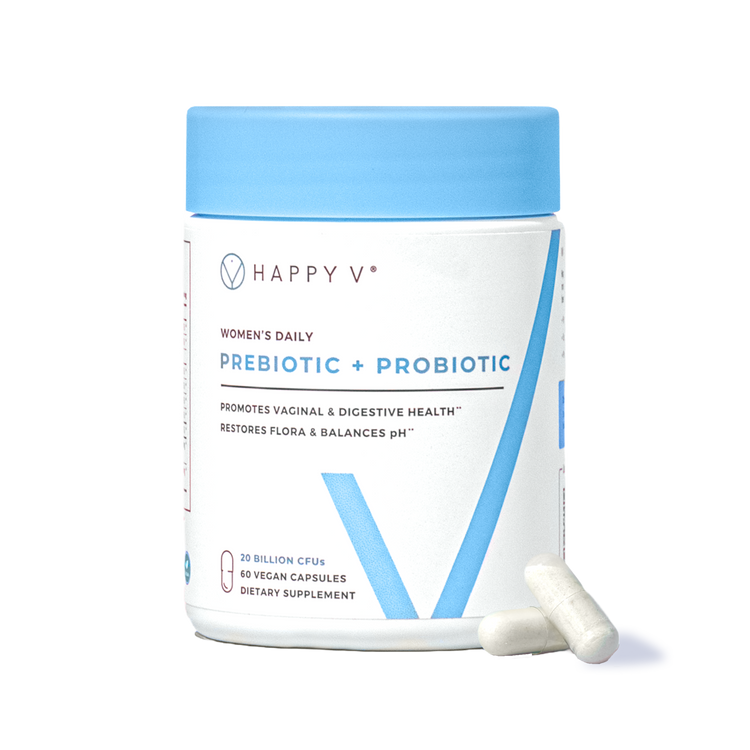 Bestseller
Prebiotic + Probiotic
Maintains vaginal pH and restores gut health.
For bacterial vaginosis: Symptomatic BV requires prescription antibiotics (usually metronidazole or clindamycin)25. Don't try to treat BV with over-the-counter yeast infection medications. It won't work and could make things worse.
For UTIs: Most UTIs need antibiotics prescribed by your healthcare provider26. With UTIs especially, it’s important to seek treatment sooner than later to prevent the infection from spreading to your kidneys.
For latex allergies: The treatment is simple: switch to non-latex condoms made from polyisoprene or polyurethane27. For severe allergic reactions, antihistamines or topical corticosteroids might provide relief.
STI Testing and Prevention
If you're experiencing unusual vaginal symptoms, your doctor may test you for sexually transmitted infections like herpes, HPV, chlamydia, gonorrhea, and syphilis, since these can cause symptoms similar to yeast infections or BV28.
Condoms are highly effective at preventing most sexually transmitted diseases when used consistently and correctly for all types of sexual activity: vaginal, anal sex, and (with dental dams) oral sex.
Better Condom Choices for Vaginal Health

Many people find condoms to be an incredibly convenient, effective form of birth control. If you have a history of vaginal infections, you don’t have to forgo condoms completely. Instead, it’s all about making smarter choices about which condoms you use.
What to Avoid
If you're prone to infections, skip these:
- Spermicide-coated condoms
- Flavored or scented varieties (especially for vaginal use—save the strawberry for oral sex only)
- Condoms with glycerin-based lubricants
- Products with added warming or tingling sensations
What to Look For
Choose condoms that are:
- Free from nonoxynol-9 and other spermicides
- Unscented and unflavored
- Made from materials you're not sensitive to
- Lubricated with water-based or silicone-based lubricants without glycerin
When you're buying condoms for the first time or trying a new type, read the label carefully. All the features we listed above (both good and bad) will be listed somewhere on the box.
Supporting Your Vaginal Health During & After Sex

Even if you feel like your condoms are contributing to your vaginal infections, they are likely not the standalone cause. Along with switching which type of condoms you’re using, there are other ways you can and should be supporting your vaginal health, both during and after sex, to prevent infections and support a balanced vaginal microbiome.
Immediately After Sex
Your post-sex routine matters just as much as protection during. Best practices when it comes to sex and vaginal health include:
- Peeing within 30 minutes of intimacy. This flushes out bacteria and significantly reduces your UTI risk
- Cleansing the external area only. After sex, cleanse the vulva (that’s the external part) with warm water and mild, unscented soap. Skip harsh cleansers or scented products, even if they’re marketed for vaginal health.
- Never douche. Like, ever. It disrupts your natural vaginal balance and does way more harm than good
Everyday Support
Maintaining vaginal health is a 24/7 job, not just about what happens during sex. Luckily, this 24/7 support doesn’t have to be costly or time consuming.
- Wear breathable underwear. Cotton is your best friend for keeping things dry and comfortable. Synthetic materials like nylon or polyester trap moisture, which can speed up bacteria growth.
- Support your immune system. Prioritize sleep, stress management, and good nutrition—a healthy immune system helps keep infections at bay
- Consider daily probiotic support. Happy V's Prebiotic + Probiotic contains probiotic strains of L. crispatus, L. reuteri, L. gasseri, L. acidophilus, and L. rhamnosus that have been shown in multiple clinical studies to help support your vaginal microbiome and maintain your natural defenses against infection
Final Thoughts
The bottom line is condoms are an essential part of protecting your sexual health, and they shouldn't be causing you problems. If you're experiencing recurrent infections or irritation after sex, the issue likely isn't the condom itself but what's in or on it and how these exaggerate other risk factors.
Pay attention to your body, read those ingredient labels on both condoms and lubricants, and don't be afraid to experiment with different types of condoms until you find what works for you. Your vaginal health matters just as much as pregnancy and STI prevention, and you deserve protection that supports your body instead of working against it. And as always, if something feels off, don't hesitate to talk to your healthcare provider. It’s what they’re there for, after all!
Keep the Conversation Going
- Visit our blog for more women's health tips.
- Join our private Happy V Facebook group to hear from others who've been there.
- Explore supplements designed to support your vaginal health journey.
Disclaimer: This blog is for informational and educational purposes only and is not intended to diagnose, treat, cure, or prevent any disease. Statements about supplements have not been evaluated by the Food and Drug Administration. For more information about vaginal infections, visit the CDC or speak to a licensed healthcare provider.