

- Fact Checked
- December 19, 2025
- 17 min read
Pelvic Inflammatory Disease: What Every Woman Should Know

- Written by Daniella Levy • Updated on July 24, 2026
- Updated on July 24, 2026

Table of Contents
Table of Contents

Pelvic inflammatory disease (PID) is one of those health conditions that flies under the radar—until it doesn't. According to the Centers for Disease Control and Prevention (CDC), this serious infection of the female reproductive system affects approximately one million women in the United States each year, yet many people have never heard of it or don't understand just how significant it can be.
The truth is, PID can have serious implications for your health, your fertility, and your quality of life. But with the right knowledge and preventive strategies, you can significantly reduce your risk and catch it early if it does occur.
This post is for informational purposes only and does not constitute medical advice. See full disclaimer below.
What Causes Pelvic Inflammatory Disease (PID)?

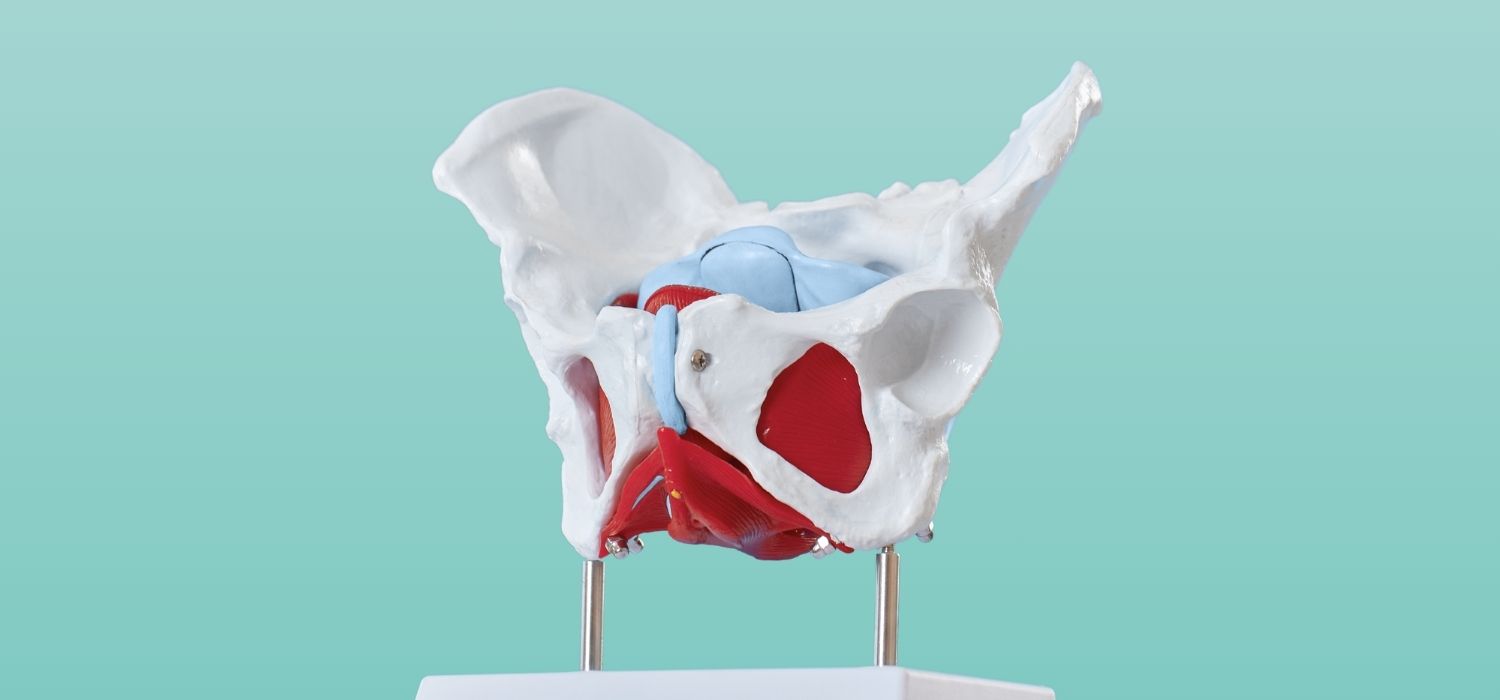
Pelvic inflammatory disease happens when bacteria travel upward from the vagina or cervix into the upper reproductive organs (think: the uterus, fallopian tubes, or ovaries).
The most common cause of PID is a sexually transmitted infection (STI) that’s been left untreated. The most common STIs associated with PID are chlamydia and gonorrhea, which is tricky because these particular infections can often be asymptomatic, meaning there’s (no pain, no unusual discharge, and no obvious warning signs that something is wrong. But even without symptoms, these bacteria can quietly spread upward and begin causing scarring that may impact fertility.
Other untreated infections can also contribute to PID, namely bacterial vaginosis or BV, which can also often be asymptomatic. That’s why it’s so important to get regular STI screening if you’re sexually active and see your gynecologist regularly. These appointments will help catch infections you might not feel before they spread and cause something far more serious.
Who is at Risk for PID?

While any sexually active woman can develop pelvic inflammatory disease, certain factors significantly increase your likelihood of developing this infection.
Having Unprotected Sex
Having sex without a condom is one of the most significant risk factors because it increases your exposure to sexually transmitted infections. Barrier methods like condoms are incredibly effective in blocking the bacteria that cause PID.
And while we aren’t trying to run your sex life, it’s important to know that having multiple sex partners or having a partner who has multiple partners increases your statistical likelihood of encountering STIs, and therefore increases your risk of PID. This is by no means a moral judgment, just simple mathematics.
Being Under 25
Women under 25 are at higher risk of developing PID for several reasons. Firstly, their cervixes aren't fully matured, which may make them more susceptible to infection since the cervix is meant to act as a sort of gate, blocking bacteria from the vagina from going into the upper reproductive system. More than that, younger individuals statistically have higher rates of STIs, partly due to behavioral factors and partly due to biological susceptibility.
A History of PID
If you’ve had PID before, you’re at higher risk of developing it again. This is partly because previous infections may have caused subtle changes to your reproductive tract that make reinfection easier, and partly because the lifestyle factors that led to the first infection (such as exposure to STIs) may still be present. The risk also compounds with each episode, so protecting yourself after one bout of PID becomes even more critical. (Don’t worry, we’ll tell you how to do that in just a bit!)
Douching
While douching is marketed as a way to stay fresh and clean, the truth is your vagina is remarkably good at cleaning itself, so douching is unnecessary. It also disrupts the natural balance of bacteria in your vagina, potentially allowing harmful bacteria to flourish. And if you have any sort of harmful bacteria already living in your vagina, the act of douching can push the bacteria through the cervix and into the reproductive organs.
Long story short: please don’t douche. If you ever want to clean yourself, wash the vulva with warm water and mild, unscented soap only.
Recent gynecological procedures.
Having a recent gynecological procedure, like an IUD insertion, elevates your risk for PID for the first several weeks. That’s because the insertion process briefly opens the cervix, potentially allowing bacteria present in the vagina or cervix to be pushed upward into the uterus. This is why healthcare providers typically screen for STIs before IUD insertion and take careful precautions during the procedure.
Symptoms of Pelvic Inflammatory Disease

One of the most challenging aspects of PID is that symptoms can range from so mild they're barely noticeable to severe and debilitating. Some women have no symptoms at all, but this isn’t necessarily a good thing because the infection can still be causing damage that impacts your fertility and overall reproductive health.
Common symptoms of PID include:
- Lower abdominal pain. This is the most common symptom and primary reason women seek care. Pain can range from dull and persistent or sharp and stabbing, affecting one or both sides of your lower abdomen. It may be constant or come and go.
- Abnormal vaginal discharge. Discharge that becomes more abundant, changes color (often yellow or green), or develops an unusual or unpleasant odor as your body responds to infection and inflammation.
- Painful sex. Discomfort during or after intercourse that wasn't present before can be a sign of PID. It’s caused by infected and inflamed reproductive organs being jostled during sex.
- Urinary pain. Pain or burning when urinating occurs because pelvic inflammation can affect nearby structures like your bladder.
- Menstrual changes. Irregular periods, bleeding between periods, heavier than normal periods, or periods that are significantly more painful than your typical cramps are all associated with PID.
- Fever and chills. This can sometimes be accompanied by nausea and vomiting, indicating your body is fighting an infection.
- Upper abdominal pain (rare). Pain in the upper right abdomen can occur if infection spreads to the area around your liver, a condition called Fitz-Hugh-Curtis syndrome.This is rare but very serious.
Remember that the severity of your symptoms doesn't always match the severity of infection or damage. Women with mild or no symptoms can still have significant scarring and fallopian tube damage. This is why any concerning symptoms warrant a visit to your gynecologist or healthcare provider, and why regular STI screening is essential, even when you feel fine.
Getting Diagnosed: What to Expect
Paying attention to your body and seeking help for unusual symptoms is critical when it comes to PID because early diagnosis leads to faster treatment, and faster treatment can prevent serious complications.
The diagnostic process for PID might feel a little involved, but it’s because symptoms of PID often overlap with other common conditions, like urinary tract infections, so thorough evaluation ensures you get the right diagnosis and treatment. Here’s what to expect from your appointment.
The Initial Evaluation
When you first go to your doctor complaining of symptoms of PID, they will likely do a few things right off the bat, like:
- Get your medical history. Your doctor will likely ask you questions about your symptoms like when they started, how severe they are, and how they've changed. Be honest and thorough, even if some details feel embarrassing. Your healthcare provider has heard it all (trust us) and needs complete information to help you.
- Ask about sexual history. Your doctor will ask about your sexual activity, number of partners, contraceptive methods, history of STIs, and whether your partners have had symptoms. Remember this isn't about judgment but about understanding your risk factors and making an accurate diagnosis. Everything you share is confidential and protected by medical privacy laws.
- Do a physical exam. Your doctor will gently press on your lower abdomen to check for tenderness, swelling, or masses. This can be uncomfortable if you have PID, but it provides valuable diagnostic information.
The Pelvic Examination
After a quick physical exam, your doctor will likely want to move on to a more elaborate pelvic exam, which includes:
- Checking for infection signs. Your doctor will look for inflammation, check for tenderness when moving your cervix (called cervical motion tenderness—a key PID indicator), and examine your reproductive organs.
- Sample collection. Samples may be taken to test for STIs, including chlamydia, gonorrhea, and sometimes mycoplasma genitalium. Even if you don't think you have an STI, these tests are standard because these infections often have no symptoms.
- Additional testing. In some cases, an endometrial biopsy may be performed to gather more information.
Additional Diagnostic Tests
Depending on your symptoms and exam findings, your doctor may order labs like blood tests or urine tests or even imaging tests like an ultrasound to get an image of your uterus.
In rare cases, your doctor might request something called a laparoscopy, where a small camera inserted through a tiny abdominal incision to directly visualize your reproductive organs and detect inflammation or scarring. This is typically reserved for complex cases or when diagnosis isn’t clear.
Complications of PID
PID is often a complication of an untreated infection, and if PID is left untreated, it can lead to even more complications, some of which can be severe or even life-altering. The most common complications of PID include:
Damage to Your Fallopian Tubes and Fertility
For many women, this is the most devastating long-term complication of PID. When bacteria infect the delicate fallopian tubes, your body responds with inflammation, and as your immune system fights the infection, scar tissue forms. This scar tissue can partially or completely block the fallopian tubes, which can impact fertility.
Approximately 1 in 10 women with PID becomes infertile, and the risk of infertility increases dramatically with each episode. If you've had multiple infections, some estimates say your risk can exceed 50%.
Along with difficulty getting pregnant, PID damage increases your risk of ectopic pregnancy, where a fertilized egg implants outside the uterus, usually in a fallopian tube, by as much as six to ten times. This happens because scar tissue in the tube prevents the fertilized egg from traveling to the uterus. Ectopic pregnancies cannot be carried to term and represent a life-threatening medical emergency to the women if the tube ruptures.
Chronic Pain and Other Complications
Chronic pelvic pain affects approximately one in five women who've had PID. This persistent pain can last for months or even years after the infection has cleared. For many women, it significantly impacts their quality of life and affects their ability to work, exercise, and maintain intimate relationships.
In rare but serious cases, PID can progress to a life-threatening infection that spreads beyond the reproductive organs. The permanent damage caused by PID sometimes cannot be repaired, and severely damaged organs may require surgery to remove affected tissue, permanently affecting fertility.
Treating Pelvic Inflammatory Disease

As scary as the complications for PID can be, if caught early, it’s highly treatable with simple antibiotics.
Typically, the course of antibiotics you receive for PID lasts for 14 days and consists of tablets, an injection, or a combination of both. These are standard STD treatment guidelines and also follow the European guideline for the management of pelvic inflammatory disease.
It’s extremely (we’ll repeat: EXTREMELY) important to complete your entire course of antibiotics, even if you start feeling better after a few days. Stopping antibiotics early allows bacteria to survive and potentially develop resistance, increasing your risk of complications.
If your PID stems from an untreated STI, your sexual partners must be evaluated and treated for STIs as well, even if they have no symptoms. This prevents reinfection and breaks the chain of transmission. It’s standard practice that all sex partners from the past 60 days should be contacted, tested, and treated. During treatment, abstain from sexual activity until both you and your partner have completed the full course of antibiotics.
Your doctor will schedule follow-up appointments to ensure treatment is working—don’t skip these!
If you have particularly severe symptoms, are pregnant, or do not respond to oral antibiotics, your doctor may request you get treated for PID in the hospital, but more often than not, PID cases are treated from home.
Preventing Pelvic Inflammatory Disease
They say prevention is the best medicine, and this is especially true for pelvic inflammatory disease, which is entirely preventable. By taking proactive steps to protect your sexual and reproductive health, you can dramatically reduce your risk.
The most critical prevention practices include:
Practicing Safe Sex
Using a condom consistently and correctly provides excellent protection against infection-causing bacteria.
While condoms don't provide 100% protection (no form of birth control dues!), they reduce your risk of contracting STIs by approximately 80-90% when used properly. To use condoms effectively, make sure they're stored properly and not expired, put them on before any genital contact, and use them consistently with all partners.
Getting Tested Regularly
Staying on top of regular STI testing is critical, especially if you're sexually active with new or multiple partners. Many STIs cause no symptoms but can still lead to PID.
General guidelines from health care providers and women's health experts suggest testing at least annually if you're sexually active, every 3-6 months if you have multiple partners, whenever you have a new sexual partner, and before getting an IUD inserted.
If you test positive for an STI or develop symptoms, seeking prompt treatment and early treatment is essential. Many cases of PID could be prevented simply by treating STIs early, before they spread to the upper reproductive tract.
Not Douching
Like we said earlier, douching increases your risk of pelvic inflammatory disease and offers no health benefits. Douching disrupts your vagina’s bacterial balance and can push bacteria upward into your reproductive organs.
If you're concerned about vaginal odor or discharge, that’s your sign to see a healthcare provider, not to douche.
Supporting Your Vaginal Health
Your vaginal health is supported by a delicate balance of beneficial bacteria, primarily Lactobacillus species, which maintain an acidic pH that helps protect against harmful bacteria (like those that cause the infections that can lead to PID).
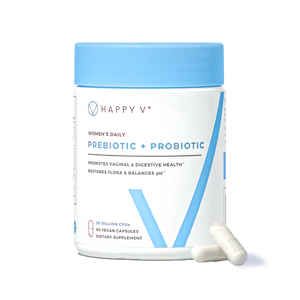
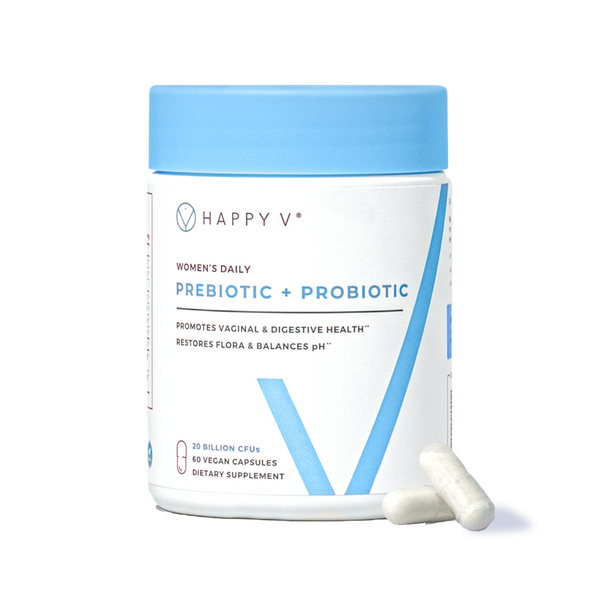
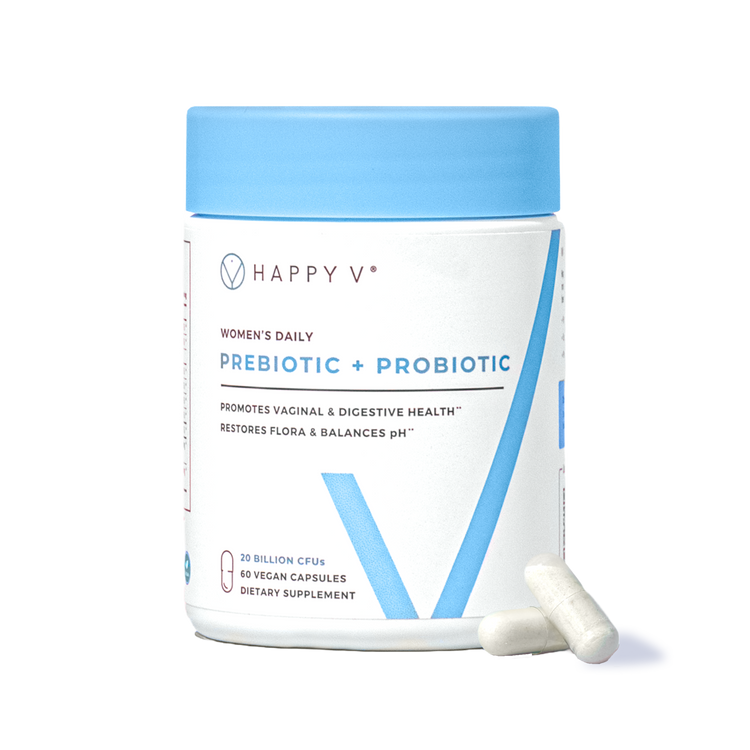
Happy V’s Prebiotic + Probiotic is doctor formulated with clinically-studied strains of Lactobacillus probiotics at their clinically effective doses. In fact, our unique formula has been shown in preclinical studies to protect against Gardnerella vaginalis, the #1 culprit of the PID contributor bacterial vaginosis.
While daily vaginal probiotics aren't a replacement for condoms, STI testing, or medical treatment if you do develop an infection, they can play a supporting role in your overall wellness routine.
By combining safe sex practices, regular testing, prompt treatment when needed, and supporting your vaginal microbiome through science-backed probiotics, you create multiple layers of protection for your reproductive health.
Special Considerations for Different Life Stages
While every woman should take PID seriously, women in certain life stages or situations should pay special attention to this infection. These special considerations include:
Women of Childbearing Age
If you're thinking about having children someday—whether that's next year or in a decade—protecting yourself from PID is protecting your fertility. After one episode of PID, approximately 12% of women will experience difficulty getting pregnant. After two episodes, that number jumps to about 25%. After three or more episodes, more than half of women will struggle with infertility.
If you have a history of pelvic inflammatory disease and are trying to conceive, inform your healthcare provider. You may benefit from earlier fertility evaluation if you're not getting pregnant, rather than waiting the usual 12 months of trying. Some women with tubal scarring from PID may need fertility treatments like IVF, which bypasses the fallopian tubes entirely.
Postpartum or Post-Miscarriage Women
The first few weeks after childbirth put women at greater risk for PID. This is because the cervix takes time to close completely, and the body is healing from the physical trauma of delivery. Any concerning symptoms like fever, abdominal pain, or unusual discharge during this period should be evaluated promptly.
Following miscarriage (particularly if a D&C procedure was performed), there's also a small risk of developing infection. Healthcare providers follow strict sterile protocols to minimize this risk, but you should still be aware of warning signs like fever, severe pain, or heavy bleeding and call your doctor right away if you experience them
IUD Users
Intrauterine devices (IUDs) are highly effective, long-lasting birth control options that many women use successfully. However, IUDs do put you at a slightly elevated risk of PID for the first few weeks after insertion.
To minimize this risk, get tested for chlamydia, gonorrhea, and other STIs before IUD insertion (this is standard practice for most doctors before insertion) and report any concerning symptoms in the weeks following insertion. Once the initial period has passed, having an IUD doesn't increase your risk of PID as long as you're not exposed to STIs.
Women with Multiple Partners
If you have multiple sexual partners or are in non-monogamous relationships, your risk of PID is statistically higher simply because you have more potential exposures to STIs.
This doesn't mean you can't have safe, healthy sexual relationships with multiple partners, just that you need to be especially vigilant about PID prevention. Use condoms consistently with all partners, get tested frequently (every 3-6 months), ensure all partners are also getting tested regularly, and maintain open communication with partners about testing and STI status.
During Menstruation
There's some evidence suggesting that the risk of bacteria ascending from the vagina into the upper reproductive tract might be slightly higher during menstruation because the cervix opens slightly during your period to allow menstrual blood to flow out. While this doesn't mean you need to take special precautions during your period beyond normal hygiene and safe sex practices, it's worth being aware of.
When to Seek Medical Attention
If you're experiencing any of the following symptoms, don't wait. Your reproductive health is too important to ignore warning signs.
Seek urgent medical attention if you experience:
- Severe pain in your lower abdomen that's intense, sudden, or rapidly worsening
- High fever (over 101°F) with severe pain or vomiting
- Inability to keep down food or liquids
- Signs of severe infection, including rapid heartbeat, confusion, or extreme weakness
These could indicate serious complications like an abscess or life-threatening infection requiring immediate intervention.
Schedule a prompt appointment (think; within a day or two) if you notice:
- New or unusual vaginal discharge
- Any pelvic or abdominal pain (even if mild)
- Pain during sex
- Irregular bleeding or bleeding between periods
- Urinary symptoms with lower abdominal discomfort
- Unusually painful periods
- A sex partner tells you they have a sexually transmitted infection, even if you have no symptoms
Final Thoughts
Pelvic inflammatory disease is serious, but here's the empowering truth: prevention is largely in your hands.
The key is layering your protection. Practice safe sex with consistent condom use, get tested regularly for STIs, seek prompt treatment when needed, and never douche (like, never ever).. Support your body's natural defenses with supportive supplements like Happy V’s Prebiotic + Probiotic to maintain a healthy vaginal microbiome.
 Bestseller
Prebiotic + Probiotic
Maintains vaginal pH and restores gut health.
If symptoms of PID do appear, don’t panic and don't wait. Early treatment with antibiotics can prevent the long-term complications and permanent damage that make PID so concerning. Your reproductive health is worth protecting, and the choices you make today can safeguard your fertility and wellbeing for years to come.
Keep the Conversation Going
- Visit our blog for more women's health tips.
- Join our private Happy V Facebook group to hear from others who've been there.
- Explore supplements designed to support your vaginal health journey.
Disclaimer: This blog is for informational and educational purposes only and is not intended to diagnose, treat, cure, or prevent any disease. Statements about supplements have not been evaluated by the Food and Drug Administration. For more information about vaginal infections, visit the CDC or speak to a licensed healthcare provider.