

- Fact Checked
- December 16, 2025
- 17 min read
What Is Dyspareunia? Understanding Painful Sex and Finding Relief

- Written by Daniella Levy • Updated on June 11, 2026
- Updated on June 11, 2026

Table of Contents
Table of Contents
Painful sex has a way of messing with everything: your confidence, your connection, your desire to even be intimate in the first place. And if you’ve ever brushed it off with a “maybe I’m just tense,” you’re in very good company.
Dyspareunia is the clinical name for pain during sex, and it’s far more common than most people know. It’s also one of those things that usually gets so much better once you know what’s driving it. That’s why, in this blog, we’re breaking down what dyspareunia is, why it happens, what to watch for, and the treatment options that can help you get back to comfortable, pleasurable intimacy.
This post is for informational purposes only and does not constitute medical advice. See full disclaimer below.
What is Dyspareunia?

The word dyspareunia comes from Greek roots: "dys-" meaning difficult or painful, and "pareunos" meaning lying beside (a reference to a bedmate). Literally, it translates into something like “badly mated,” but clinically, it refers to genital pain experienced during vaginal intercourse.
As for what that pain is, exactly, there are a whole range of experiences, from sharp pain right in the vaginal opening to deeper pain felt during penetration to a dull aching sensation afterward.

Other symptoms of dyspareunia include:
- Burning or stinging sensations, particularly at the vaginal opening
- Dryness that persists despite arousal or adequate foreplay
- Aching or throbbing deep pain in the pelvis during or after sex
- Muscle spasms or feeling like your vagina is "closing up"
- Bladder pain or increased urinary urgency after intercourse
- Visible lesions, abnormalities, or redness in the genital area
- Deep pelvic pain that may worsen with certain positions or deep penetration
While these symptoms all describe the physical experience of dyspareunia, those who experience it will tell you it also has a tremendous impact on your emotional well-being, your relationships, and your overall quality of life. The good news? It’s highly treatable if you are willing to open up and discuss your pain with your doctor.
Types of Dyspareunia

Like we alluded to earlier, not as dyspareunia pain is the same. In fact, if you go to your gynecologist or healthcare provider with concerns of painful sex, they will typically categorize it based on where you experience discomfort, with the two main categories being:
Superficial Dyspareunia (Entry Pain)
This involves pain at the vaginal opening or outer genital area during initial penetration. People who experience it often say it feels like burning, stinging, or tightness right at the entrance, affecting the vulva, labia, or vaginal wall.
Superficial pain is commonly associated with vaginal dryness, inadequate lubrication, tissue health issues, inflammation, skin disorders, or conditions like vaginismus (aka involuntary muscle spasms) and vulvodynia (or chronic vulvar pain).
Deep Dyspareunia (Internal Pain)
This pain occurs with deep penetration and may feel like aching, pressure, or sharp pains in your pelvis or lower abdomen. This type often points to internal conditions such as endometriosis, ovarian cysts, uterine fibroids, pelvic inflammatory disease, or issues affecting the cervix, ovaries, or other structures within the reproductive organs.
Some women describe it as bladder pain or a sensation of something being "hit" during sexual activity. Conditions like interstitial cystitis can also contribute to deep pelvic pain.
As uncomfortable as it can be to talk about (no pun intended), it’s important to describe your dyspareunia as openly and honestly as you can. Pay special attention to where it occurs, when it occurs, and what it feels like. This will help your provider pinpoint a potential root cause so you can ultimately find relief.
How Common Is Dyspareunia?
Dyspareunia is remarkably common and affects women across all ages and life stages.
According to systematic reviews and meta-analyses, female dyspareunia affects anywhere from 10% to 20% of women globally, though some studies suggest rates may be even higher depending on the population studied.
Dyspareunia at Different Life Stages
That 10-20% of women refers to women across all ages and stages. However, certain life stages are more prone to dyspareunia. Here’s how it breaks down:
Young Women and First Sexual Experiences
Young women experiencing their first sexual encounters may develop dyspareunia due to anxiety, inadequate foreplay, insufficient lubrication, or conditions like vaginismus. Early intervention and education are crucial to prevent these initial anxieties from solidifying into years of chronic sexual pain.
Postpartum Period
As you might imagine, postpartum dyspareunia is particularly prevalent, affecting 40-60% of women in the first three months after childbirth and persisting in 20-30% of women six months postpartum.
This high rate relates to tissue healing (especially following episiotomy), vaginal tearing, scar tissue formation, hormonal changes during breastfeeding that reduce lubrication, and pelvic floor dysfunction from delivery. Many new mothers assume painful sex is "normal" during this period and don't seek help from healthcare providers, but the truth is, there are interventions available; it’s just about opening up to your doctor.
Perimenopause and Menopause
Declining estrogen levels lead to vaginal dryness, thinning of the vaginal wall, decreased elasticity, and reduced lubrication all contribute to painful sexual intercourse during perimenopause and menopause. Some studies show that as many as 25-45% of women in this life stage experience dyspareunia. Despite how common this is, many women don't discuss these symptoms with their gynecologist or healthcare provider. But “suck it up” is never a good strategy for any symptoms of menopause, especially dyspareunia.
Populations at Higher Risk
Along with women in different life stages, there are certain populations of women who are more likely to develop dyspareunia. These include:
Women with Chronic Conditions
If you struggle with other chronic conditions, especially those that affect the reproductive system, you may be more likely to develop dyspareunia. The most common conditions associated with dyspareunia are:
- Endometriosis patients. Up to 50-70% report deep dyspareunia as a primary symptom
- Vulvodynia sufferers. Experience chronic vulvar pain affecting 8-16% of women at some point
- Pelvic floor dysfunction. Affects 25-30% of women and often includes sexual pain
- Interstitial cystitis patients. Frequently experience genital pain during sexual activity
- Those with autoimmune conditions or skin disorders. May develop vulvar lesions or inflammation
The best way to ease dyspareunia pain associated with chronic conditions? Follow whatever management plan you and your doctor have discussed.
Survivors of Sexual Trauma
Women with histories of sexual abuse face significantly higher rates of dyspareunia. That’s because sexual trauma creates both physical tension in the pelvic floor muscles and psychological factors that can manifest as chronic pain, vaginismus, or heightened pain sensitivity during sexual activity. Therapy like cognitive behavior therapy (CBT) can help.
Cancer Survivors
Women who've undergone treatment for gynecological or pelvic cancers, or those who've had radiation or chemotherapy affecting the pelvic area, often experience dyspareunia due to tissue changes, scar tissue, hormonal shifts, and emotional factors related to body image and trauma.
Women Taking Certain Medications
Hormonal birth control, antidepressants, antihistamines, and other medications can reduce lubrication or affect sexual response, contributing to vaginal dryness and painful sex.
Before you stop taking these medications, discuss the side effects with your doctor. They may be able to adjust your dosage or suggest a medication swap that would help.
What Causes Dyspareunia?

As you might have guessed from our discussion thus far, there isn’t one single cause of dyspareunia. Instead, painful sex is typically the result of a combination of physical causes, psychological factors, interpersonal factors, and socio-cultural factors.
Physical and Biological Causes
Your reproductive system is amazing in its complexity. This complexity also can make the reproductive system delicate at times. Shifts in hormones or microbiome imbalances can often lead to unexpected symptoms, like painful sex.
Vaginal Dryness and Lubrication Issues
One of the most common culprits behind superficial dyspareunia is inadequate lubrication aka vaginal dryness.
Vaginal dryness can result from hormonal imbalance (particularly low estrogen levels during menopause), certain medications, breastfeeding, stress, insufficient foreplay, or simply not enough arousal. When vaginal tissue lacks moisture, friction during intercourse causes irritation, burning, and pain.
Infections and Inflammation
Vaginal or pelvic infections create inflammation that makes sexual activity painful. The link is so common that testing for infection is standard for anyone complaining of dyspareunia.
The most common infections that contribute to painful sex include sexually transmitted infections like herpes, yeast infection, bacterial vaginosis, and urinary tract infections. With these infections, inflammation can linger for a few days to a few weeks after treatment, which can extend symptoms. That’s why many clinicians will caution you against sexual activity during and shortly following any sort of treatment for a vaginal infection.
Structural and Medical Conditions
Deep dyspareunia can often be attributed to structural or medical conditions like:
- Endometriosis. When tissue similar to the uterine lining grows outside the uterus on the ovaries, cervix, or other pelvic structures, it can cause severe pelvic pain, especially with deep penetration
- Pelvic Inflammatory Disease (PID). Infection of the reproductive organs creates inflammation and can lead to scar tissue
- Ovarian Cysts. Fluid-filled sacs on the ovaries can cause pain when pressure is applied during intercourse
- Uterine Fibroids. Benign growths in the uterus may cause discomfort depending on their size and location
- Pelvic Floor Dysfunction. Tight, overactive, or weakened pelvic floor muscles can create both superficial and deep pain
- Interstitial Cystitis. This bladder condition can cause genital pain during sexual activity
Other contributors include adhesions or scar tissue from previous surgeries (including episiotomy repair), prolapse, or lesions and abnormalities in the genital area.
Muscular Dysfunction
Vaginismus is a condition that involves involuntary tightening of the pelvic floor muscles and vaginal muscles, making penetration difficult or even impossible. It can develop in response to pain, fear, anxiety, or sexual trauma, creating a cycle where anticipated pain causes muscle tension, which then causes the actual cause of pain. In some cases, it can get so severe that it’s difficult to insert a tampon, nevermind have penetrative sex.
Skin Disorders
Vulvar skin disorders like lichen sclerosus or lichen planus can cause lesions, thinning of tissue, and pain in the vulva and labia, ultimately contributing to dyspareunia.
Psychological and Emotional Factors
Your mind and body are intimately connected, especially when it comes to sexual health. Psychological factors play a significant role in dyspareunia, especially:
- Anxiety and Fear. Worrying about pain can create tension that makes pain more likely
- Stress. Chronic stress (even if ti’s not related to sex) affects arousal, lubrication production, and muscle tension
- Depression. Depression decrease libido and physical responsiveness (aka the ability to get aroused)
- Body Image Issues. Negative feelings about your body can interfere with relaxation and arousal
- Sexual Trauma or Sexual Abuse. Past traumatic experiences can create both physical and psychological barriers to comfortable sex
Relationship and Interpersonal Factors
The quality of your relationship and communication with your partner matters tremendously. If you’re experiencing a lack of emotional intimacy, poor communication about sexual needs, relationship problems, or generally feeling pressured to be intimate, this can all contribute to painful sex.
Have an open discussion with your partner and if you need support, remember that couples counselors are available.
Socio-Cultural Influences
Socio-cultural factors shape how we think about sex, pleasure, and pain. Cultural or religious beliefs about sexuality, inadequate sex education, shame around discussing sexual issues, or societal expectations can all prevent women from understanding their bodies, communicating their needs, or seeking help for sexual pain.
When Should You See a Doctor?
If you're experiencing painful sex, it's natural to wonder whether you should seek medical help or if the problem will resolve on its own.
The truth is that early intervention with dyspareunia can prevent short-term discomfort from becoming more chronic pain that impacts relationships and self-esteem.
Always call your doctor and ask to be seen if you experience:
- Persistent or recurring pain
- A sudden onset of pain during or after sexual intercourse
- Symptoms of an infections like unusual vaginal discharge, bleeding between periods, fever, or chills
There are also certain phases of life where you will want to stay in close contact with your healthcare provider and let them know of any new or concerning symptoms like dyspareunia. These include:
- After childbirth. If postpartum dyspareunia persists beyond the initial healing period (typically 6-8 weeks), or if episiotomy sites remain painful, early evaluation can identify issues with scar tissue, pelvic floor dysfunction, or hormonal factors related to breastfeeding
- Perimenopause and menopause. As estrogen levels decline, vaginal dryness and tissue changes are common but highly treatable.
- Starting new medication. If dyspareunia begins after starting birth control, antidepressants, or other medications, your healthcare provider can adjust your treatment
- Following cancer treatment. If you've had surgery, radiation, or chemotherapy affecting the pelvic area, discuss sexual health proactively
And as with anything, it’s especially important to discuss dyspareunia with your doctor if it’s affecting your relationship, causing you to avoid intimacy, or contributing to anxiety or depression. What no one teaches you in school is that sexual health is a vital component of overall women's health and well-being. You shouldn’t need to reach a crisis point before seeking care.
Seeking treatment earlier than later comes with many important benefits. It:
- Prevents chronic pain development
- Catches and addresses any underlying conditions sooner
- Prevents psychological conditions, like anxiety
- Improves treatment outcomes (aka makes treatment more effective faster)
- Protects your relationship with your partner
Diagnosing Dyspareunia: What to Expect

While on the most basic level, diagnosing you with dyspareunia can be done through a simple conversation, your doctor will likely want to dig a little deeper. Female sexual dysfunction, like dyspareunia, can have many underlying factors, so your doctor will perform what's called a differential diagnosis to rule out certain issues and get to the root cause of your pain.
An appointment for dyspareunia typically involves:
Medical and Sexual History
Your healthcare provider will ask detailed questions about your symptoms, sexual and medical history, relationship factors, and any previous treatments you've tried. Be honest and specific, even if it’s uncomfortable. After all, this conversation is confidential and crucial for understanding your experience. If you can think of any patterns when it comes to symptoms, share those, too.
Physical Examination
A physical examination, including a pelvic exam, allows your provider to assess tissue health, check for visible abnormalities, and gently identify areas of tenderness.
While a physical exam of your genital region might feel daunting when you're experiencing genital pain, gynecologists trained in women's health can often minimize discomfort. They'll look for signs of inflammation, lesions, atrophy, skin disorders, or other visible issues affecting the vulva, labia, vaginal wall, and cervix.
Laboratory Testing
As we said earlier, testing for infection is often standard when it comes to dyspareunia. Your provider may use a swab to test for yeast infection, bacterial vaginosis, or other infections like STIs. They may also order testing for hormonal imbalance to check estrogen levels and other hormone levels, especially if you're perimenopausal, postmenopausal, experiencing menopause symptoms, or breastfeeding.
Imaging and Additional Tests
Depending on initial findings, your doctor might recommend an ultrasound to visualize your uterus, ovaries, cervix, and other pelvic structures. Ultrasounds are not painful and can help identify conditions like ovarian cysts, uterine fibroids, or signs of endometriosis. In complex cases, further testing may be necessary.
Treatment Options for Dyspareunia
Because dyspareunia often has more than one cause, the best treatment plans are usually multi-layered, addressing physical factors, pelvic floor function, and the emotional/relationship piece at the same time. What works can be highly personal, so it’s normal to try a few approaches (and tweak them) before you find your sweet spot. Just don’t give up because relief is possible!
Medical Treatments
These are used to treat various underlying conditions or physical issues that are contributing to your dyspareunia.
Treating Underlying Conditions
This is essential. If you cannot treat the root cause of your pain, it will only continue. The most common medical interventions for underlying conditions include:
- Antibiotics for bacterial infections or pelvic inflammatory disease
- Antifungal medications for yeast infection
- Medical or surgical management for endometriosis
- Surgery for structural issues like significant uterine fibroids or severe endometriosis
- Treatment for interstitial cystitis or other bladder conditions
- Management of skin disorders affecting the vulvar area
Hormonal Therapies
These are most commonly used for pain related to vaginal atrophy, genitourinary syndrome of menopause, or low estrogen level and include:
- Vaginal estrogen (available as cream, ring, or tablet)
- Systemic hormone therapy
- Low-dose progestin treatment
- DHEA suppositories
Emerging Therapies
Some women find relief through vaginal laser therapy, which stimulates collagen production and improves tissue health, though more research is needed on long-term effectiveness.
Physical Therapy and Pelvic Floor Work
Physical therapy helps address both the physical causes and consequences of chronic pain and can be transformative for muscular dysfunction, vaginismus, and pelvic floor dysfunction. Specialized therapists teach exercises to release tension in the pelvic floor muscles, strengthen weak muscles, and regain control over pelvic floor function.
Psychological and Counseling Support
Sexual counseling strategies help address psychological factors, communication issues, relationship problems, and the emotional impact of chronic pain. Trauma-informed counseling is particularly important for women with histories of sexual abuse or sexual trauma.
Therapy can help you:
- Process anxiety and fear around sex
- Develop coping strategies for pain
- Improve communication with your partner
- Rebuild positive associations with intimacy
- Address the emotional aspects that may be contributing to your sex life challenges
Lifestyle Changes
While lifestyle changes aren’t a substitute for medical care, they can help medical treatments work better (and help sex feel more comfortable along the way).
The best lifestyle changes you can make to support vaginal health and lessen the pain from dyspareunia include:
- Don’t rush it. More foreplay and arousal time can make a big difference in natural lubrication and comfort.
- Adjust positions to match your comfort. If deep penetration triggers pain, try shallower angles, slower pacing, or positions where you control depth and speed.
- Lower your stress load. Chronic stress can mess with arousal, lubrication, and muscle tension. Mindfulness, yoga, therapy, walks, dinners out with friends—all of them help fill your cup and lower your stress.
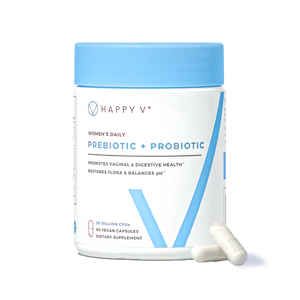
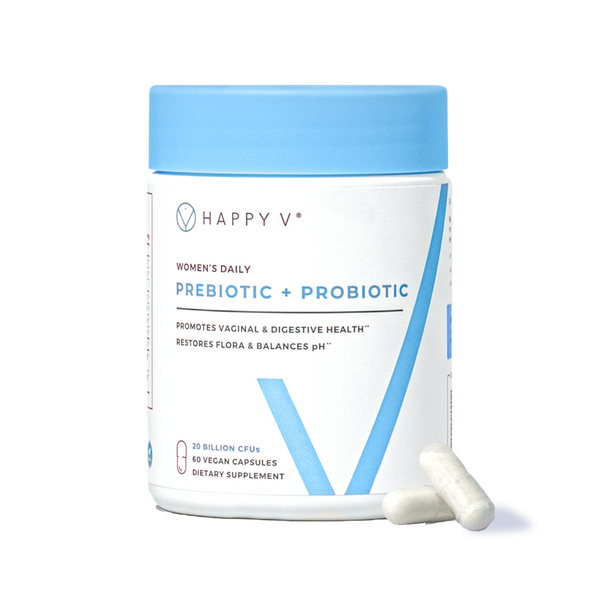
- Support your vaginal microbiome. If vaginal infections are causing pain during sex, an imbalance in vaginal probiotics may be to blame, and a daily targeted probiotic can help, especially one like Happy V’s that contains clinically studied strains of protective Lactobacillus at their clinically effective doses. In a preclinical study, our unique blend of probiotics was shown to help keep Gardnerella vaginalis and Candida albicans at bay, two of the main contributors to bacterial vaginosis and yeast infections respectively.
Final Thoughts
Pain during sex is common, but it’s never something you’re supposed to “just live with.” Dyspareunia has many possible causes, and the fastest path to relief is figuring out the why with a healthcare provider who takes your symptoms seriously.
You deserve pleasure, not pain, and help is absolutely available.
Keep the Conversation Going
- Visit our blog for more women's health tips.
- Join our private Happy V Facebook group to hear from others who've been there.
- Explore supplements designed to support your vaginal health journey.
Disclaimer: This blog is for informational and educational purposes only and is not intended to diagnose, treat, cure, or prevent any disease. Statements about supplements have not been evaluated by the Food and Drug Administration. For more information about vaginal infections, visit the CDC or speak to a licensed healthcare provider.