

- Fact Checked
- February 27, 2026
- 13 min read
What Happens When You Stop Birth Control & How to Do It Safely


-
Written by
Hans Graubard
• Updated on August 27, 2026

Dietary supplement manufacturing, regulatory and product development, and DTCt; leadership experience...
-
Medical Reviewed by Dr. Mariya Petrova

Internationally recognized microbiome specialist focused on urogenital microbiota and lactobacilli; PhD...
- Updated on August 27, 2026
Table of Contents
Table of Contents
Every year, millions of women decide to stop taking birth control. Some are ready to try to conceive. Some are tired of the side effects. Some just want to know what their natural cycle actually feels like. Whatever the reason, the decision to stop is straightforward. What comes after it… not always.
Hormonal birth control works by suppressing your natural hormone fluctuations and replacing them with a steady, synthetic dose of estrogen and progestin. When you stop, your body has to remember how to do that on its own. For most women, it does, but not always quickly, and not always quietly. Understanding what's actually happening during this transition and what you can do to support your body through it makes everything feel a lot more manageable.
This post is for informational purposes only and does not constitute medical advice. See full disclaimer below.
Why Women Stop Birth Control
Birth control is a deeply personal decision, both starting it and, ultimately, stopping it1. There's no single reason women decide to stop using hormonal contraception, but common motivations include:
- Pregnancy planning. For women ready to conceive, stopping birth control is the obvious first step, and fertility typically returns faster than most people expect (more on that a little later)2.
- Side effects. Mood changes, low sex drive, headaches, and weight gain are among the most commonly cited reasons women discontinue hormonal birth control3. If your current form of birth control isn't working for your body, that's a completely valid reason to switch methods or stop altogether.
- Switching methods. Some women stop one form of birth control so they can transition to another4. For example, they may be moving from oral contraceptives (aka the pill) to a non-hormonal option like a copper IUD.
- Wanting to know their natural cycle. There's growing interest in understanding natural hormonal rhythms, particularly among women who've been on the pill since their teens and have never experienced an unmedicated cycle as an adult5. Though this interest is driven in large part by social media, it is still a legitimate reason for many (and maybe you reading this!).
Whatever your reason for transitioning off your current birth control, the process is largely the same, though the timeline and experience can vary depending on which type of birth control you're stopping.
How to Stop Different Types of Birth Control Safely
Though every birth control method has the same ultimate goal (prevent pregnancy), the way they do that is a little bit different, which means there are different considerations to keep in mind when ultimately transitioning off of them6.
Ideally, this is a process you undertake in partnership with your gynecologist, OB, or general practitioner. Generally, though, here’s what to know for each method:
Oral Contraceptives
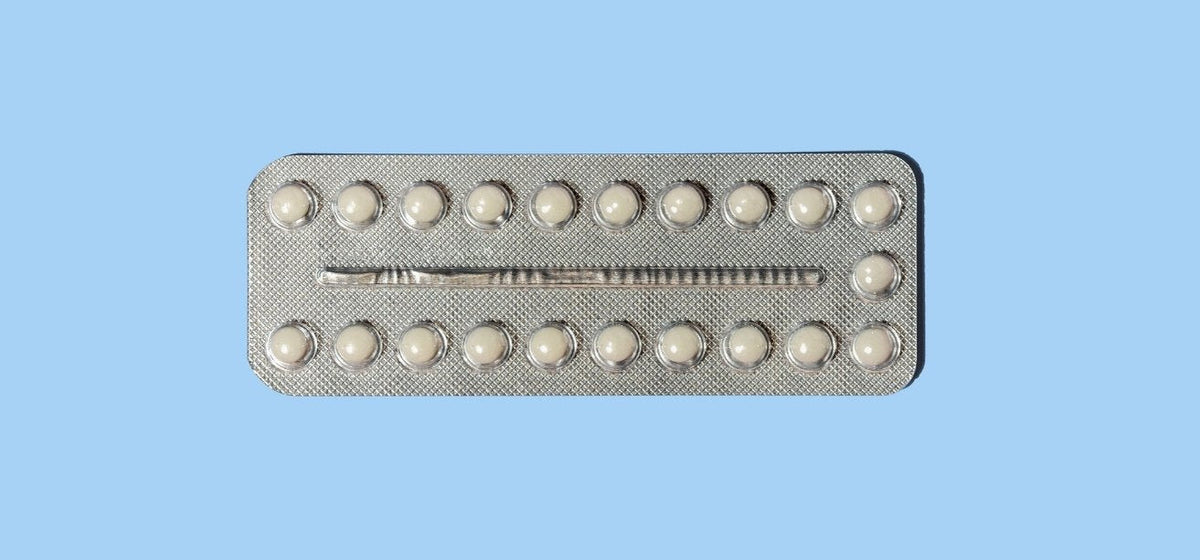
You can stop taking birth control pills at any point in your pill pack7. You don't need to finish out the month. That said, stopping mid-pack may cause some irregular bleeding as your body adjusts. Many women choose to finish their current pack simply for convenience and having a predictable period. There's no medical reason to "wean" off the pill. Stopping cold turkey and not renewing your prescription is completely fine.
The Birth Control Patch and Vaginal Ring
Hormonally, the birth control patch and vaginal rings work very similarly to oral contraceptives8. That means the process for transitioning off of them looks similar, too. To stop, simply remove the patch or ring and don't replace it. Your cycle should begin to return within a few weeks.
Hormonal and Copper IUDs
IUD removal requires a visit to your gynecologist or OB/GYN9. Do not (as in DO. NOT.) attempt to remove it yourself, even if you can feel the IUD string.
Though it does involve making an appointment and driving to the doctor’s office, removal is typically quick and straightforward10. With a copper (non-hormonal) IUD, your cycle may return almost immediately. With a hormonal IUD, it can take a bit longer for your natural hormones to reestablish.
Hormonal Implant
Like IUDs, hormonal implant removal also requires a provider visit11. A small incision is made to remove the rod from your arm, and once it's out, hormones clear from your system relatively quickly.
Depo-Provera
Depo-Provera (aka the birth control shot) is the outlier here. Because the hormone dose is injected and releases slowly over time, it can take significantly longer (sometimes six months to a year or more) for cycles to return after your last shot. If you're hoping to conceive within the next year or so, this is worth factoring into your timing of discontinuation12.
What to Expect After Stopping Birth Control

The honest answer is: it depends. Your experience after getting off birth control largely depends on which method you were using, how long you used it, and your hormonal baseline before you started, and your doctor will be able to provide you more nuanced answers than we can provide here13. That said, there are some patterns worth knowing about.
The Return of Your Natural Cycle
For most women on the pill, cycle regularity returns within one to three months14. For others, and especially those who used combination pills for many years, it can take six months or longer. During this birth control-free interval, your cycles may be irregular, longer or shorter than expected, and heavier or lighter than what you experienced on birth control.
Fertility Returns Fast

One of the most common misconceptions about stopping birth control is that it takes a long time for fertility to return15. For most methods, that's not true. Ovulation can return within weeks of stopping the pill, patch, or ring. Sometimes, it can even return within days. If you're not trying to conceive, it’s important to have an alternative contraception plan in place before you stop, not after.
Post-Pill Amenorrhea
Some women experience post-pill amenorrhea, or the absence of a period for three months or more after stopping16. This is more common after long-term pill use and is usually temporary. If your period hasn't returned after three months, it's worth checking in with your healthcare provider to rule out underlying conditions like PCOS.
Possible Side Effects and Body Changes After Stopping
During the weeks and months following discontinuation of birth control, your body is recalibrating. For some, this recalibration is a quick, quiet process. For others, it’s a bit more noticeable. Here are the most common side effects and body changes women report after stopping birth control:
Irregular Periods and Spotting
Irregular periods and spotting are among the most common experiences in the first few months after stopping17. Your cycle may be shorter or longer than expected, heavier or lighter than what you were used to on birth control, or arrive unpredictably.
Cycle tracking apps can be super useful during this period for identifying patterns as your natural rhythm reestablishes18. You can read more about how to track your period here.
Heavier Periods and Cramping
Some women start birth control not for the contraceptive benefits but because it helped to lighten their period and/or reduced cramping19. That means, when you stop, those benefits stop, too. If your periods were heavy or painful before birth control, you can expect them to return to that baseline. In this case, discussing other ways to relieve these symptoms with your doctor before stopping can be helpful.
Hormonal Acne and Skin Changes
Hormonal acne and other skin changes are common in the months after stopping birth control, particularly for women who started the pill partly to manage breakouts20. As hormonal fluctuations normalize, breakouts often follow. Most women notice these breakouts lessen or disappear within three to six months, though some women find it takes longer.
Mood Swings and Mental Health Changes
Mood swings and mood changes are real and worth taking seriously. Don’t laugh it off as just “being hormonal.”
The pill blunts hormonal fluctuations, including the natural highs and lows associated with the menstrual cycle21. When those fluctuations return, some women find the emotional variability difficult to adjust to, especially if they started the pill as teenagers and have never experienced an unmedicated cycle as an adult. If mood changes are significantly affecting your mental health, talk to your provider. To say your mental health is important is an understatement, and you deserve to feel like yourself, on or off birth control.
PMS
For women who used hormonal birth control to manage severe PMS symptoms, the return of PMS can feel jarring22. Nutrition, stress management, and targeted supplements (all of which we’ll get into later) can help take the edge off while your hormones find their rhythm.
Changes in Sex Drive
The pill can suppress sex drive in some women by reducing testosterone levels23. For many, libido actually improves after stopping, but it can take a few months for that shift to happen as hormones stabilize.
Hair and Body Changes
Some women notice temporary hair growth on the face or hair shedding after stopping, both of which are related to the hormonal shift24. These changes are typically temporary and resolve as hormone levels stabilize. If you feel like they’ve been going on for more than a few months, check in with your doctor.
How to Prepare Before You Stop
As with any life transition, a little preparation can go a long way in making the transition as smooth as possible. Here's what's worth doing before you stop.
Talk to Your Gynecologist
Technically, your body, your rules, which means you don't need a provider's sign-off to stop taking the pill25. But a conversation with your gynecologist or OB/GYN is worth having for a few reasons. For starters, they can help you understand what to expect based on your health history, discuss your options for alternative contraception if needed, and flag anything worth monitoring. And if you're stopping because you want to conceive, they are there to discuss prenatal vitamins (which are actually recommended even before conception!) and other pregnancy planning steps.
Line Up Alternative Contraception if Needed
If you're stopping birth control but still not trying to conceive, don't leave yourself in a gap26. Have your alternative method ready before you stop, whether that's condoms, a cervical cap, a copper intrauterine device, or another non-hormonal option.
Ramp Up Your Nutrition
As you’ll see in the next section, good nutrition during what some practitioners call the “weaning stage” can help your body adjust more smoothly, and you don’t have to wait until you’ve stopped taking birth control to improve your diet. Focus on nutrient-rich foods, reduce sugar and processed foods that can worsen hormonal fluctuations, and start a quality probiotic to begin rebuilding gut microbiome diversity before hormonal changes kick in.
Supporting Your Body Through the Transition

To a certain degree, you have to let your body do what it has to do to find its new rhythm following birth control. That being said, healthy habits can definitely play a supporting role and help your body find that new rhythm a bit easier and with fewer disruptive symptoms.
Nutrition
What you eat directly influences hormone production and metabolism. Cruciferous vegetables like broccoli and cauliflower support estrogen metabolism. Fatty fish deliver OMEGA-3s and vitamin D for hormone production, and high-protein foods like eggs, nuts, and seeds replenish the B vitamins and amino acids your body needs to produce hormones naturally.
Along with adding healthy foods to your diet, you can reduce those that may contribute to mood swings, breakouts, and irregular periods, like foods high in added sugar, alcohol, and processed foods.
Daily Probiotics
When you stop hormonal birth control, your estrogen and progesterone levels shift significantly as your body works to reestablish its natural rhythm. Those hormonal shifts don't just affect your cycle; they also affect your microbiomes. In the gut, changing hormone levels can disrupt the bacterial balance that regulates how your body processes and clears hormones, which can actually prolong the post-pill symptoms you're trying to get through. In the vagina, the same hormonal fluctuations can deplete the Lactobacillus populations that keep your vaginal pH stable and your risk of infections low, increasing your risk of infections like yeast infections or bacterial vaginitis.
Supporting both microbiomes during this transition is one of the more straightforward things you can do to help your body find its footing faster, and the most reliable way to do this is through a daily probiotic supplement made with clinically studied strains.
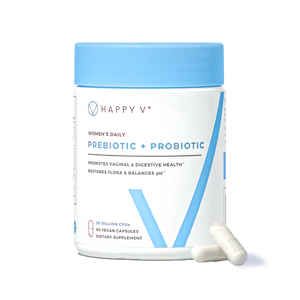
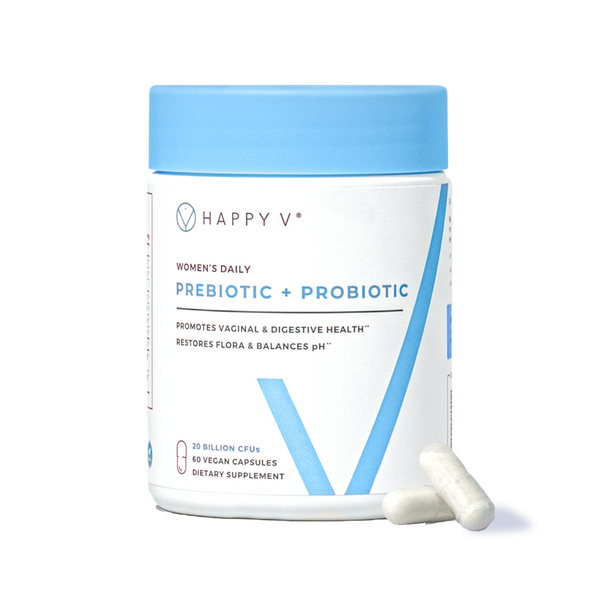
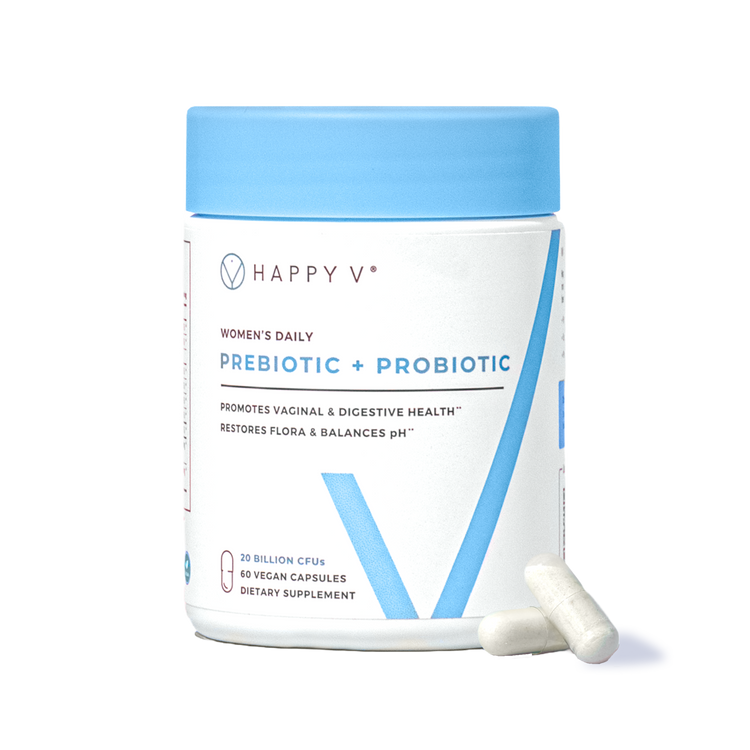
Happy V's Prebiotic + Probiotic contains seven clinically studied stains, including L. rhamnosus (HN001™) and L. acidophilus (LA-14®), chosen specifically for their role in supporting both gut microbiome balance and vaginal Lactobacillus health, which makes it particularly well-suited to the post-pill transition, when both are in flux at the same time. It also pairs those strains with a prebiotic (PreforPro®), which gives these beneficial Lactobacillus strains a greater chance of actually taking hold and flourishing in your microbiome. In preclinical studies, our unique formula was also shown to suppress the growth of both Gardnerella vaginalis and Candida albicans (aka the baddies behind BV and yeast infections, respectively), supporting your immunity against vaginal infections.
 Bestseller
Prebiotic + Probiotic
Maintains vaginal pH and restores gut health.
When It's Time to Talk to a Doctor
Most post-pill symptoms resolve on their own within three to six months. But some warrant a conversation with your healthcare provider. Talk to your provider if:
- Your period hasn't returned after three months
- You're experiencing severe mood changes that are affecting your daily life
- You have symptoms that suggest PCOS, like very irregular cycles, excess hair growth, or persistent hormonal acne
- You've been trying to conceive for six months or more without success
In your appointment, your OB/GYN or healthcare provider can run hormone panels, assess your reproductive health, and help determine whether what you're experiencing is a normal part of the transition or something worth investigating further.
Final Thoughts
Stopping birth control is a significant hormonal event, even if it doesn't always feel like one at first. Your body is going through a recalibration process. Give it time, give it the right nutritional and microbiome support, and pay attention to what it's telling you along the way.
For most women, the transition resolves within a few months. For others, it takes longer. Either way, understanding what's happening and why makes it a lot easier to navigate with patience instead of panic.
Keep the Conversation Going
- Visit our blog for more women's health tips.
- Join our private Happy V Facebook group to hear from others who've been there.
- Explore supplements designed to support your vaginal health journey.
Disclaimer: This blog is for informational and educational purposes only and is not intended to diagnose, treat, cure, or prevent any disease. Statements about supplements have not been evaluated by the Food and Drug Administration. For more information about vaginal infections, visit the CDC or speak to a licensed healthcare provider.