

- Fact Checked
- December 08, 2025
- 19 min read
How to Combat Hot Flashes: Natural Remedies, Lifestyle Changes & Treatment Options

- Written by Daniella Levy • Updated on June 04, 2026
- Updated on June 04, 2026

Table of Contents
Table of Contents
If you've ever been in the middle of an important meeting, a peaceful night's sleep, or just going about your day when suddenly you feel a wave of intense heat wash over you—your face flushing, sweat beading on your forehead, your heart racing—you know how disruptive hot flashes can be. One minute you're fine, and the next, you're… not. You’re frantically fanning yourself or peeling off layers while everyone around you seems perfectly comfortable.
Hot flashes are one of the most common symptoms of menopause and perimenopause, affecting up to 75% of women during the menopausal transition1. But just because they are common doesn’t mean you have to just grit your teeth and suffer through, especially if they are disrupting your life. From dietary changes and herbal supplements to mind-body therapies and medical treatments, there are lots of strategies that can help you combat hot flashes and reclaim your comfort and confidence during this life transition.
This post is for informational purposes only and does not constitute medical advice. See full disclaimer below.
What Are Hot Flashes & Why Do They Happen

Hot flashes, also sometimes called the “vasomotor symptoms” of perimenopause, occur when your body's internal thermostat (the hypothalamus) gets confused by changing hormone levels, particularly declining estrogen2. In its confusion, your hypothalamus mistakenly thinks you're overheating and triggers a cascade of responses to cool you down. Your blood vessels near the skin's surface dilate, which causes that flushed, red appearance; your heart rate increases, and you start sweating profusely.
This response can last anywhere from 30 seconds to 10 minutes, though when you're experiencing it, it can feel much, much longer than that. The severity of hot flashes also varies from woman to woman, with some women describing them as a mild warmth, while others describe it as an intense heat that radiates throughout their entire body3.
Common Triggers to Watch For

While declining estrogen levels during perimenopause are really the root cause of hot flashes, certain triggers can make hot flashes more frequent or severe, with the biggest being:
- Spicy foods and hot beverages that can raise your body temperature and trigger an episode
- Alcohol and caffeine that dilate blood vessels
- Stress and anxiety, which activate your nervous system in ways that can provoke hot flashes
- Warm environments or overdressing that can push your body over the edge
- Smoking, which is strongly linked to more frequent and severe hot flashes
- Sugar consumption and blood sugar spikes that may worsen symptoms for some women
If you are struggling with hot flashes, it can help to keep a diary of when they happen, so you can help identify your triggers and know what to avoid.
Why Hot Flashes Hit Harder at Night

Night sweats (or hot flashes that occur during sleep) can be particularly frustrating and leave you exhausted the next day. Many women also find night sweats are far more intense than daytime hot flashes4. Why is that?
Well, during sleep, your body's core temperature naturally drops slightly. When estrogen levels are fluctuating, your hypothalamus becomes hypersensitive to even small temperature changes5. This means the normal nighttime cooling process can accidentally trigger your body's overheating response, causing you to wake up drenched in sweat.
On top of that, the blankets, pajamas, and simply sharing a bed with another person can make your body more likely to overheat at night than during the day.
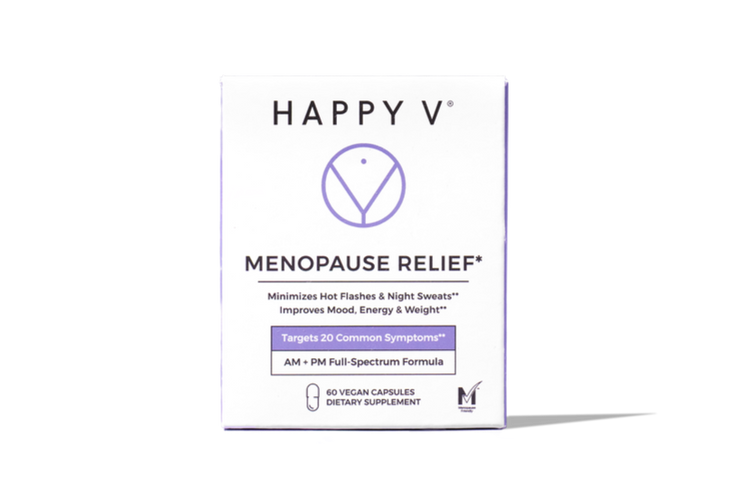
Menopause Relief AM + PM
Supports mood, energy and weight. Minimizes hot flashes and night sweats.
Dietary Approaches to Ease Hot Flashes

Though hot flashes are one of the most common symptoms of perimenopause, you don’t have to just white-knuckle your way through them. Perimenopause can last for up to 8 years, after all, and there are lots of simple, natural ways to find relief, starting with your diet6.
What you eat can have a surprisingly powerful impact on the frequency and severity of your hot flashes. While mindful changes to your diet may not eliminate hot flashes entirely, certain nutritional approaches have been shown to provide meaningful, noticeable relief.
Foods That May Help Reduce Hot Flashes
If you have heard of the Mediterranean diet, you are likely already familiar with many of the foods shown to help reduce hot flashes, such as oily fish, olive oil, and legumes7. Here are the top foods to add to your diet, based on science, to ease hot flashes.
Soy
Soy products like tofu, tempeh, edamame, and soy milk contain plant compounds called isoflavones that have a mild estrogen-like effect in the body8. Studies suggest that women who consume soy regularly may experience fewer hot flashes compared to those who don't, likely due to these phytoestrogens. To get these benefits, though, consistency is key. A one-off soy-based meal might not make a difference, but daily soy consumption can.
Flaxseeds
Like soy, flaxseeds are another excellent source of phytoestrogens. Research indicates that consuming 1-2 tablespoons of flaxseed daily may help reduce hot flash frequency9. Add them to smoothies, oatmeal, yogurt, or baked goods for an easy nutritional boost. Just make sure the flaxseed is ground as opposed to whole so your body can digest it!
Oily Fish
Salmon, sardines, mackerel, and other fatty fish rich in omega-3 fatty acids have anti-inflammatory properties that may help stabilize body temperature regulation10. Some studies suggest that omega-3s can reduce the severity of hot flashes and support overall hormonal balance.
Cruciferous Vegetables
Broccoli, cauliflower, Brussels sprouts, and kale help support healthy estrogen metabolism in the liver11. While there isn’t a direct scientific correlation between cruciferous veggies and hot flash reduction, supporting your body's ability to process hormones efficiently may help with overall symptom management (not to mention all the other health benefits these foods have to offer!).
Berries
Blueberries, strawberries, and other berries are packed with antioxidants that combat oxidative stress and inflammation, both of which can worsen menopausal symptoms12.
Bonus: they're also a smart alternative to sugary desserts that might trigger hot flashes.
Legumes
Chickpeas, lentils, and beans are another source of phytoestrogens and also provide stabilizing fiber and protein that help maintain steady blood sugar levels, both of which are important for preventing hot flash triggers13.
Whole Grains
Choosing whole grains over refined carbohydrates helps prevent blood sugar spikes and crashes that can provoke hot flashes14. Opt for quinoa, brown rice, oats, and whole wheat breads.
Olive Oil
This Mediterranean diet staple provides healthy fats that support hormone production and has anti-inflammatory properties15. Use it as your primary cooking oil or drizzle it over salads in place of traditional dressing.
What to Drink
Food is just one part of your daily diet, and what you drink can also have an impact on how severe your hot flash symptoms are (or aren’t!).
Stay Hydrated
Proper hydration is essential for body temperature regulation during perimenopause. Drink plenty of cool water throughout the day, and keep a glass by your bedside at night. Some women find that sipping ice water during a hot flash can even provide immediate relief.
Herbal Teas
Certain herbal teas may help manage hot flashes. Sage tea, in particular, has been traditionally used for this purpose, though scientific evidence is still emerging. Chamomile and peppermint teas may also provide a cooling, calming effect.
Limit Caffeine and Alcohol
Both are known triggers for many women. If you're not ready to eliminate them entirely, try reducing your intake gradually and notice if your symptoms improve. Switch to decaf coffee (especially in the afternoon—hey, night sweats!) or herbal tea, and limit alcohol to special occasions.
Alternative and Integrative Therapies for Hot Flashes

Diet is an important first step in combating hot flashes naturally, but many women find that true relief comes from a combination of strategies, which can include alternative medicines and integrative therapies like CBT, acupuncture, and herbal supplements16.
Mind-Body Therapies
Though hot flashes are definitely not in your head, certain forms of therapy and mindfulness can help you better manage these physical sensations.
Cognitive Behavioral Therapy (CBT)
Clinical trials have shown that CBT specifically designed for menopausal symptoms can significantly reduce the impact of hot flashes17. It doesn't necessarily reduce the frequency of hot flashes, but it changes how you perceive and react to them, making them far less distressing. A trained therapist can teach you techniques to manage the anxiety and stress that often accompany—and worsen—hot flashes.
Mindfulness Meditation and Deep Breathing
Mindfulness practices help you stay calm when a hot flash strikes, which can actually shorten its duration and intensity. Deep breathing exercises activate your parasympathetic nervous system (aka your body's "calm down" system), helping counteract the fight-or-flight response that makes hot flashes worse.
Try this simple breathing technique when you feel a hot flash coming on: Inhale slowly through your nose for a count of four, hold for four, exhale through your mouth for six. Repeat until the sensation passes.
Guided Imagery
This technique involves mentally visualizing calming, cool scenarios, like sitting by a mountain stream or feeling a cool breeze. It sounds simple, and maybe even kind of silly, but research shows it can be surprisingly effective at reducing hot flash frequency and severity.
Hypnosis
Clinical hypnotherapy for hot flashes is gaining scientific credibility. Studies show that hypnosis can reduce hot flash frequency by up to 74% in some women18. This is likely because it can make you more receptive to suggestions about temperature control and calmness.
Acupuncture
Acupuncture has been used in traditional Chinese medicine for thousands of years for all kinds of ailments, and modern research is beginning to validate its effectiveness for hot flashes19. Multiple studies suggest that regular acupuncture sessions can reduce both the frequency and severity of hot flashes.
While scientists are still working to understand exactly how acupuncture helps hot flashes, the women who use it often report significant improvements that can last for weeks or even months after treatment.
Herbal Supplements
When it comes to supplements, you have to be careful. Not all supplements are created equal, and even those that are marketed for menopause and hot flashes are often not rooted in science.
While results vary and more research is needed, there is promising research behind these ingredients:
Black Cohosh
One of the most studied herbs for menopausal symptoms, black cohosh may help reduce hot flash frequency and intensity, though results in clinical trials have been mixed20. It's generally considered safe for short-term use (up to six months), but as with any new supplement, consult with your healthcare provider before using.
Graminex® G63® Flower Pollen Extract™
This standardized Swedish flower pollen extract has been studied for menopausal symptoms, particularly hot flashes21. Clinical research suggests it may help reduce the frequency and severity of hot flashes, with some women experiencing relief within weeks of consistent use. It's particularly beneficial for women who can't take hormone replacement therapy.
LIFENOL™ Hop Extract (85 mg)
Hops aren't just for beer! They actually contain potent phytoestrogens called 8-prenylnaringenin22. This standardized hop extract has been shown in clinical trials to help reduce hot flashes by providing gentle estrogenic support. The LIFENOL™ form is specifically standardized for optimal phytoestrogen content.
Ashwagandha
This adaptogenic herb helps your body manage stress, which is crucial because stress is a major trigger for hot flashes. Sensoril® is a clinically studied form of ashwagandha that supports healthy cortisol levels and promotes a calm stress response. By helping your nervous system stay balanced, it may reduce hot flash frequency and improve sleep quality.
DI-Indolylmethane (DIM)
DIM is a compound derived from cruciferous vegetables like broccoli and cabbage23. It supports healthy estrogen metabolism by helping your body process and eliminate excess estrogens efficiently. By promoting balanced estrogen metabolism, DIM may help reduce hot flash triggers and support overall hormonal harmony.
BroccoRaphanin® Plus Broccoli Raffinate Seed Extract
This concentrated broccoli extract provides sulforaphane, a powerful compound that supports detoxification pathways and cellular health. It works synergistically with DIM to promote healthy hormone metabolism and may help your body better regulate temperature.
Happy V's AM + PM Menopause Relief: Targeted Support Around the Clock
Happy V combines all these clinically studied ingredients into one targeted supplement, with a unique, two-part system formulated to work with your body’s natural rhythms and combat hot flashes day and night—Happy V’s AM + PM Menopause Relief.
The AM Formula provides energizing support to help you manage daytime hot flashes while maintaining focus and vitality, while the PM Formula supports restful sleep and minimizes night sweats, so you can stop waking up drenched and exhausted. But don’t just take our word for it. Read our 5-star reviews and judge for yourself!

Lifestyle and Self-Care Strategies for Hot Flashes

Along with diet and alternative therapies, the third piece of the natural hot-flash relief puzzle for many women involves practical lifestyle modifications to help you stay cooler and more comfortable.
Dress Smart
Instead of wearing one thick sweater, wear multiple thin layers that you can easily remove when a hot flash strikes. Natural, breathable fabrics like cotton and linen are also your best friends during this stage of life. Avoid synthetic materials like polyester that trap heat and moisture.
For sleep, invest in moisture-wicking pajamas designed to pull sweat away from your skin. These can make a remarkable difference in nighttime comfort.
Control Your Environment
You can’t control the weather, but you can control the temperature in your own home, and that can make a big difference. Lower your thermostat, especially at night. Many women find that keeping their bedroom between 60-67°F helps prevent night sweats. Also use fans strategically. A ceiling fan plus a small bedside fan can create cooling air circulation.
If your night sweats are severe and really cutting into your shut-eye, consider investing in a cooling pillow, breathable sheets, or even a mattress topper that circulates cool water. Keep a handheld fan in your purse, car, and desk drawer.
Exercise Regularly
It might seem counterintuitive to exercise when you're already dealing with unwanted heat and sweating, but regular physical activity actually helps reduce hot flash frequency and severity. That’s because exercise improves your body's temperature regulation, reduces stress, supports healthy weight maintenance, and promotes better sleep, all of which help combat hot flashes.
Aim for at least 150 minutes of moderate exercise per week. Walking, swimming, yoga, and strength training are all excellent options. Just avoid exercising too close to bedtime, as it can interfere with sleep.
Manage Stress
Stress is a major trigger for hot flashes, creating a vicious cycle where hot flashes cause stress, which triggers more hot flashes. Incorporate stress reduction techniques into your daily routine like morning meditation (even just 5 minutes helps), yoga, time in nature, or hobbies that bring you joy.
Have Healthy Sleep Habits
Just like stress, poor sleep makes hot flashes worse, and hot flashes disrupt sleep. A frustrating cycle, to say the least. Dial in your sleep hygiene during this life transition, focusing on things like:
- Keeping a consistent sleep schedule, even on weekends
- Creating a cool, dark, quiet bedroom environment
- Avoiding screens for at least an hour before bed
- Skipping late-night snacks, especially sugary ones
- Placing a glass of ice water on your nightstand
Medical Treatments for Extra Hot Flash Support

For some women, lifestyle changes and natural remedies aren't enough to manage severe or disruptive hot flashes. That's when medical treatments come into play. There's no shame in needing additional support, either. Your quality of life matters, and for many women, it’s ultimately medical treatments that make better quality of life possible, especially HRT.
Hormone Replacement Therapy (HRT)
Hormone replacement therapy remains the most effective treatment for hot flashes because it addresses the root cause of vasomotor symptoms and replaces the estrogen your body is lacking24. It comes in various forms: pills, patches, gels, creams, and vaginal rings. All can reduce hot flashes by 75% or more and also help with other menopausal symptoms like vaginal dryness, mood changes, and bone loss.
HRT isn't right for everyone, though. Women with a history of breast or endometrial cancer, blood clots, stroke, or certain other health conditions may not be candidates. Your healthcare provider will review your health history and health risks to determine if HRT is appropriate for you. The decision should be personalized based on your individual situation, taking into account your symptoms, age, and overall health profile.
Non-Hormonal Medications
If HRT isn't an option or if you prefer to avoid hormones, several non-hormonal medications have been shown to reduce hot flashes, including:
Antidepressants
Low doses of certain antidepressants (particularly SSRIs and SNRIs) can reduce hot flashes by 50-60%. Common options include paroxetine (which is actually the only FDA-approved antidepressant specifically for hot flashes), venlafaxine, and escitalopram. These medications affect neurotransmitters involved in temperature regulation and should always be prescribed by a professional.
Gabapentin
Originally developed to treat seizures and nerve pain, gabapentin has been found to reduce hot flashes effectively, particularly night sweats. It's often prescribed at bedtime to help with both hot flashes and sleep.
Clonidine (Blood Pressure Medication)
This medication, typically used for high blood pressure, can also help reduce hot flashes by affecting blood vessel dilation. However, it may cause side effects like dry mouth, constipation, and drowsiness.
NK3 Inhibitors (Fezolinetant)
This is a newer class of medication that was specifically developed for hot flashes and works by blocking neurokinin 3 (NK3) receptors in the brain's temperature control center. It's a non-hormonal option that has shown significant efficacy in clinical trials.
Special Considerations for Hot Flash Management
While the strategies we’ve outlined here can work for a vast majority of women, there are some special considerations that warrant different forms of management.
After Hysterectomy
If you've had a hysterectomy, especially if your ovaries were also removed (which triggers what’s known as surgical menopause), you may experience sudden and severe hot flashes due to the abrupt drop in estrogen levels25. This type of menopause typically produces more intense symptoms than natural menopause.
Because you no longer have a uterus, you can take estrogen-only HRT without the need for progesterone, which simplifies treatment. If you're not a candidate for HRT, the non-hormonal medications listed above can be particularly helpful. Many women also find that combining medication with lifestyle changes and supplements provides the best relief.
For more information, check out our article on Navigating Perimenopause Symptoms After Hysterectomy.
Cancer-Related Treatments
Women who've been treated for breast cancer or other cancers may experience severe hot flashes due to treatment-induced menopause or the use of anti-estrogen therapies. For these women, HRT is typically not an option.
Non-hormonal medications like venlafaxine, gabapentin, or the newer NK3 inhibitors can provide significant relief. Mind-body therapies like CBT and hypnosis have also shown particular promise for this population. Working with an oncologist and a menopause specialist together ensures the safest, most coordinated care.
Frequently Asked Questions
How long do menopause hot flashes last?
The duration varies significantly from woman to woman. On average, hot flashes last about 7 years, but some women experience them for just a few months, while others deal with them for 10 years or longer. Factors that may influence duration include genetics, ethnicity (studies show that Black women and Hispanic women tend to experience longer duration), smoking status, and body weight.
What is most helpful for hot flashes at night?
Night sweats can be particularly disruptive, but these strategies have been shown to help provide relief and keep you sleeping with minimal interference:
- Keep your bedroom cool (60-67°F is ideal)
- Use moisture-wicking sheets and pajamas
- Try a cooling pillow or mattress topper
- Keep a fan running directly on you
- Place ice water on your nightstand
- Take a cool shower before bed
- Avoid eating large meals, spicy foods, or drinking alcohol close to bedtime
- Practice relaxation breathing exercises if you wake up during a hot flash
- Consider Happy V's PM Menopause Relief for targeted nighttime support
When to Seek Medical Advice
While hot flashes are a normal part of menopause, there are times when you should definitely talk to a healthcare provider. These include if hot flashes are:
- Significantly impacting your quality of life, affecting your work, relationships, or mental health
- Creating sleep disturbances that leave you exhausted and unable to function during the day
- Happening before age 40, which could indicate premature menopause
- Are accompanied by other concerning symptoms like unexplained weight loss, rapid heartbeat, or mood changes
Don't suffer in silence or feel like you just have to "tough it out." Your comfort and well-being matter, and getting relief is often simpler than most people think.
Final Thoughts
Hot flashes can be one of the most challenging aspects of menopause, but they don't have to (and shouldn’t!) take over your life. Whether you find relief through dietary changes, herbal supplements like Happy V's AM + PM Menopause Relief, mind-body therapies, lifestyle modifications, medical treatments, or, most likely, a combination of approaches, there are evidence-based solutions that can help.
The key is to be patient with yourself and be willing to experiment. What works wonders for your best friend might not work for you, and that's okay. Give each approach at least 4-6 weeks to see if it makes a difference, track your symptoms in a journal, and work with a healthcare provider who takes your concerns seriously.
Keep the Conversation Going
- Visit our blog for more women's health tips.
- Join our private Happy V Facebook group to hear from others who've been there.
- Explore supplements designed to support your vaginal health journey.
Disclaimer: This blog is for informational and educational purposes only and is not intended to diagnose, treat, cure, or prevent any disease. Statements about supplements have not been evaluated by the Food and Drug Administration. For more information about vaginal infections, visit the CDC or speak to a licensed healthcare provider.