


- Fact Checked
- December 12, 2025
- 12 min read
From Breakouts to Balance: Understanding and Managing Hormonal Acne

- Written by Daniella Levy • Updated on June 07, 2026
- Updated on June 07, 2026

Table of Contents
Table of Contents
Breaking out as an adult can feel unfair, not to mention frustrating. Even worse, it can take a toll on your confidence. If those stubborn pimples keep showing up around your jawline or chin, chances are hormones are playing a role. The good news is you’re not alone, and with the right approach, hormonal acne can be managed and kept under control so you can get back to feeling clear and confident.
This post is for informational purposes only and does not constitute medical advice. See full disclaimer below.
What Is Hormonal Acne?

Hormonal acne (also known as acne vulgaris) is a skin condition that occurs when hormone levels fluctuate and trigger excess sebum production in your hair follicles.
Unlike teenage acne that typically appears in the T-zone, hormonal acne in adults often presents as deep, painful lesions along the jawline, chin, and lower cheeks. This type of acne affects millions of adults, particularly women, and understanding its unique characteristics is key to effective treatment.
Recognizing the Symptoms and Types of Acne

The first step in managing hormonal acne is learning how to tell it apart from other types of breakouts. Its patterns, location, and the kinds of blemishes it causes can give you useful clues.
Common Signs of Hormonal Acne
Hormonal acne presents with several distinctive features that help differentiate it from other types of acne, with the two biggest being:
- Location: The most telling sign is where breakouts occur. Hormonal acne typically appears along the jawline, chin, and lower face, though it can also affect the neck, chest, and back.
-
Types of Lesions: Hormonal acne has several forms that differ from typical acne and include:
- Cysts: Deep, painful, fluid-filled bumps that can take weeks to heal
- Nodules: Hard, painful bumps beneath the skin surface
- Papules: Small, red, inflamed bumps without a white head
- Pustules: Pimples filled with pus that appear white or yellow on top
- Blackheads: Clogged pores with dark, oxidized material at the surface
- Whiteheads: Closed clogged pores that appear as small, flesh-colored bumps
Inflammatory vs. Non-Inflammatory Lesions
Non-inflammatory lesions include blackheads and whiteheads, while inflammatory lesions encompass papules, pustules, nodules, and cysts.
Knowing which you are dealing with will help guide your treatment strategy. Non-inflammatory acne often improves with over-the-counter products that unclog pores, while inflammatory acne may require prescription treatments to calm swelling, reduce bacteria, and prevent long-term scarring.
Understanding the Causes and Risk Factors

Hormonal acne isn’t random. It usually traces back to changes in your hormone levels and how your body responds to them. While some triggers are out of your control, others come from everyday lifestyle factors that can make breakouts worse.
Hormonal Changes: The Main Driver
At the core of hormonal acne are fluctuations in androgen hormones, like testosterone. These hormones stimulate your sebaceous (oil) glands, which can lead to excess sebum production. When that extra oil mixes with dead skin cells, it clogs pores and sets the stage for acne.
Common Hormonal Triggers Include:
- Your Menstrual Cycle: Breakouts often appear 1–2 weeks before a period.
- Pregnancy: Shifting hormones during pregnancy can spark or worsen acne.
- Menopause: Declining estrogen levels may bring new breakouts in adulthood.
- Polycystic Ovary Syndrome (PCOS): Higher androgen levels associated with PCOS increase the likelihood of hormonal acne.
Other Risk Factors
Certain factors make you more prone to hormonal acne, even if you practice perfect skincare. These include:
- Genetics: A family history of acne increases your risk.
- Age: Adult women in their 20s, 30s, and 40s are especially affected.
- Underlying Hormone Imbalances: Conditions that shift hormone levels can make breakouts more persistent.
Lifestyle and Dietary Influences
While hormones are the primary cause, daily habits and diet can tip the scales and aggravate acne, especially:
- High Glycemic Foods: Sugary or refined carbs can spike insulin and worsen oil production.
- Dairy Products: Some research suggests dairy may contribute to breakouts for certain people.
- Stress: Heightens cortisol and hormone fluctuations, which can trigger acne flares.
- Poor Sleep: Disrupts hormone regulation and slows skin’s natural healing.
Getting a Proper Diagnosis

Sometimes hormonal acne goes beyond what drugstore products can manage. If your breakouts feel stubborn, painful, or are affecting your confidence, it may be time to see a dermatologist.
When to See a Dermatologist
Consider making an appointment if you notice:
- Adult acne that doesn’t improve with over-the-counter products
- Deep, painful cysts or nodules that linger for weeks
- Acne scars or dark spots forming after breakouts
- Breakouts that are impacting your confidence or quality of life
- Other possible signs of hormone imbalance, like irregular periods or excess hair growth
What to Expect at Your Appointment
A dermatologist will take a thorough, whole-picture approach, which may include:
- Medical History: Questions about your cycle, medications, family history, and overall health
- Physical Examination: Looking at your skin type, breakout patterns, and lesion types
- Symptom Review: Discussing when your acne tends to flare and possible triggers
If your acne seems strongly tied to hormone imbalance, your dermatologist may also recommend blood tests. These can check hormone levels or screen for conditions like PCOS, especially if you experience other symptoms such as irregular cycles, breast tenderness, or pelvic pain.
Menstrual Cycle Tracking
How Do You Track Your Menstrual Cycle And Why Does It Matter for Your Health?
Effective Treatment Options

Hormonal acne rarely has a one-size-fits-all solution. Effective care often involves layering different approaches, including medical treatments, supportive supplements, and everyday lifestyle strategies, to manage both the breakouts and the underlying hormonal shifts that drive them.
Topical Treatments for Hormonal Acne
Topical therapies are usually the first line of defense. These treatments target clogged pores, bacteria, and inflammation right at the skin’s surface and include:
- Retinoids: Prescription or over-the-counter retinoids (like tretinoin or adapalene) are considered the gold standard. They help unclog pores, improve cell turnover, and prevent new breakouts.
- Benzoyl Peroxide: Reduces acne-causing bacteria and helps prevent clogged follicles. Often used in combination with retinoids or antibiotics.
- Salicylic Acid: A beta-hydroxy acid that exfoliates inside the pore, making it especially helpful for blackheads and whiteheads.
- Alpha Hydroxy Acids (AHAs): Glycolic or lactic acid smooth the skin’s surface, improve texture, and help reduce post-acne marks.
Oral Medications
For deeper or more persistent acne, oral medications can provide stronger hormonal or systemic control.
Hormonal Therapies
- Oral Contraceptives: Certain birth control pills containing estrogen and progestin can regulate hormones and reduce cyclical breakouts.
- Spironolactone: An anti-androgen that blocks hormone receptors in the skin, lowering oil production.
- Anti-Androgen Therapies: Other medications that directly target androgen-driven breakouts may be considered in some cases.
Other Oral Medications
- Isotretinoin: A powerful vitamin A derivative for severe or scarring acne. It dramatically reduces oil production but requires close monitoring.
- Oral Antibiotics: Short-term use can calm inflammation and reduce bacterial overgrowth. They are often paired with topical therapies to prevent resistance.
Supplements That Support Hormone Balance and Skin Health
In addition to prescriptions, many women turn to supplements with ingredients that support balanced hormones and calmer skin. These include:
- Zinc – helps regulate oil production and supports wound healing.
- Vitamin B6 – may ease PMS-related hormonal shifts linked to breakouts.
- Omega-3 Fatty Acids – reduce inflammation and may improve redness and swelling.
- DIM (Diindolylmethane) – supports estrogen metabolism and hormone balance.
- Chasteberry (Vitex agnus-castus) – traditionally used for PMS and cycle-related acne.
- Magnesium – supports stress resilience and healthy hormone regulation.
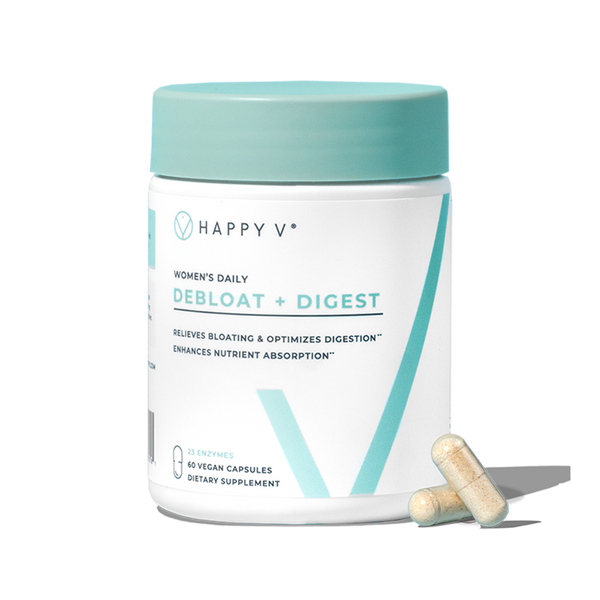
For a complete approach, the Happy V Hormone Harmony Collection brings these types of clinically studied ingredients together in a thoughtful system designed for every stage of womanhood. With PMS Support, Ovarian Support, and Menopause Relief AM + PM, the collection creates an ecosystem of care that adapts to your body’s changing needs:
- PMS Support for steadier energy, calmer moods, and clearer skin during your cycle.
- Ovarian Support for foundational reproductive health and hormone balance.
- Menopause Relief AM + PM for cooling comfort, better rest, and sustained daily energy during midlife transitions.
When taken together, this trio provides comprehensive support that helps women feel balanced, confident, and in control of their skin health at every age.

Skincare Routine Essentials
A consistent skincare routine is key to long-term management. Good practices include:
- Gentle Cleansing: Wash with a mild cleanser no more than twice daily. Over-cleansing can strip skin and worsen oiliness.
- Smart Product Selection: Stick to non-comedogenic, oil-free, and water-based products. Always patch-test new skincare or cosmetics.
- Targeting Key Ingredients: Look for tea tree oil (antibacterial), topical green tea (antioxidant), and niacinamide (oil regulation and redness reduction).
Dietary Modifications
Diet isn’t the root cause of hormonal acne, but certain adjustments may help reduce flares, especially:
- Limiting Sugar and Refined Carbs: High-glycemic foods can spike insulin and worsen oil production.
- Limiting Dairy: Some find breakouts improve when dairy intake is reduced.
- Adding Anti-Inflammatory Foods: Omega-3s, antioxidants, fruits, vegetables, and plenty of water support skin health.
Prevention and Risk Reduction

Now that we’ve talked about how you can get rid of hormonal acne, let’s talk about how you can keep it gone for good.
Preventing hormonal acne is about building consistent habits and knowing your triggers. While you can’t control every risk factor, daily choices in skincare, lifestyle, and health routines can reduce flare-ups and keep breakouts from worsening.
Daily Skincare Habits That Matter
Your everyday skincare routine lays the foundation for preventing breakouts. Simple, consistent habits can help keep pores clear, reduce irritation, and protect your skin over the long run. Remember:
- Gentle cleansing: Wash no more than twice a day and after sweating with a mild, non-irritating cleanser.
- Skip harsh scrubbing: Avoid exfoliating scrubs or picking at pimples, which can inflame skin and cause scarring.
- Moderation is key: Use a pea-sized amount of active acne products—more isn’t better and can cause irritation.
- Smart product choices: Stick to non-comedogenic, oil-free, water-based products. Always patch-test new items.
- Sun protection: Daily SPF protects against irritation and helps prevent post-acne marks from darkening.
Lifestyle and Environmental Triggers
Beyond skincare, daily habits and environmental factors can influence your skin’s behavior. Paying attention to these triggers can make a noticeable difference in how often breakouts occur.
- Humidity and sweat: Shower promptly after workouts or heat exposure. Keep hair clean and away from the face.
- Clean contact points: Wash pillowcases, makeup brushes, and phone screens regularly.
- Stress and sleep: Stress spikes cortisol and disrupts hormones. Consistent sleep (7–9 hours) and stress management practices like yoga or meditation help balance skin.
- Dietary adjustments: Limiting high-sugar foods, refined carbs, and dairy may reduce flares. Adding omega-3s, antioxidants, and whole foods supports skin health.
Hormonal Prevention Strategies
Because hormonal fluctuations are a major driver of adult acne, some medical and lifestyle strategies can help regulate them. These options work best when discussed with your healthcare provider and may include:
- Birth control pills, since certain oral contraceptives are FDA-approved for acne and can help regulate hormone fluctuations.
- Being mindful of medications, as some prescriptions may worsen acne, so it’s important to share your full medication list with your dermatologist.
- Adjusting timing of treatments, because your provider may be able to align or fine-tune medications to reduce breakouts.
Early Intervention Counts
Treating acne early prevents it from worsening and reduces the risk of scars. Look for signs like:
- Increased oiliness around the chin or jawline
- Small bumps that appear cyclically
- Breakouts tied to your menstrual cycle
- Skin that feels congested or rough
Start prevention as soon as you notice these patterns. Consistency pays off, especially when it comes to skin care.
Long-Term Management and Expectations
When it comes to hormonal acne, patience really is key. Most treatments take time to work, and lasting results usually come from consistency rather than quick fixes.
- Treatment timeline: Expect 6–12 weeks before you see noticeable improvement.
- Maintenance: Ongoing care is often needed to keep skin clear and prevent new flare-ups.
- Side effects: Some treatments can cause dryness, peeling, or other effects at first. Oral medications like spironolactone or isotretinoin may require regular monitoring by your provider.
Successful long-term management means committing to your regimen, making adjustments as life changes (like pregnancy or menopause), and keeping expectations realistic. Acne may not disappear overnight, but with the right plan, it can absolutely be managed and controlled.
When to Seek Professional Help

Make an appointment to see your dermatologist if you ever notice or experience:
- Large, painful cysts or nodules
- Acne that worsens quickly
- Signs of infection in lesions
- Significant scarring
- Emotional distress impacting daily life
For complex cases, care may be shared between specialists, including:
- Dermatologist for skin treatments
- Gynecologist for hormonal assessments and birth control options
- Endocrinologist if conditions like PCOS are suspected
Final Thoughts
Remember that hormonal acne is a treatable skin condition, even though it can feel overwhelming at times. With the right combination of professional treatment, consistent skincare, and lifestyle modifications, most people can achieve significant improvement in their breakouts and regain their confidence.
Whether you're dealing with occasional breakouts around your menstrual cycle or more persistent adult acne, there are effective solutions available. By understanding your skin condition and working with qualified professionals in dermatology, you can develop a comprehensive approach to treat hormonal acne and maintain healthy, clear skin for years to come.
Keep the Conversation Going
- Visit our blog for more women's health tips.
- Join our private Happy V Facebook group to hear from others who've been there.
- Explore supplements designed to support your vaginal health journey.
Disclaimer: This blog is for informational and educational purposes only and is not intended to diagnose, treat, cure, or prevent any disease. Statements about supplements have not been evaluated by the Food and Drug Administration. For more information about vaginal infections, visit the CDC or speak to a licensed healthcare provider.