


- Fact Checked
- December 30, 2025
- 11 min read
What Signals the End of Menopause (and How to Thrive in Your Next Chapter)

- Written by Daniella Levy • Updated on June 11, 2026
- Updated on June 11, 2026

Table of Contents
Table of Contents
Perimenopause may feel like a marathon of symptoms, including irregular periods, hot flashes, sleepless nights, and mood swings1. But the good news is that the finish line does exist, and the transition from perimenopause to menopause eventually gives way to a steadier, more balanced stage of life: postmenopause.
Recognizing the signs that menopause is coming to an end can help you feel reassured, empowered, and even excited about what comes next2. From the official 12-month marker without a period to the welcome relief of fading symptoms, here’s how to know when menopause is ending and how to embrace vitality and confidence during this new stage.
This post is for informational purposes only and does not constitute medical advice. See full disclaimer below.
The 8 Signs Menopause Has Ended

Reaching the end of menopause is a milestone worth celebrating. While every woman’s experience is unique, there are several telltale indicators that signal your body has moved beyond the hormonal rollercoaster of perimenopause. These signs not only mark the close of one chapter but also open the door to renewed balance and well-being.
Sign #1: No menstrual periods for 12 consecutive months
The most widely recognized signal that menopause has officially ended is the complete absence of menstrual periods for 12 consecutive months3. This milestone marks your transition from perimenopause (the transitional stage of menopause) into postmenopause, where your ovaries have stopped releasing eggs and producing reproductive hormones at previous levels.
This 12-month marker is significant because it indicates that your body has completed its natural transition. During perimenopause, you may have experienced irregular menstrual cycles, with periods that were unpredictable in timing, flow, or duration. Once you reach that full year without any menstrual bleeding, you can confidently say you have reached menopause.
It's worth noting that while the average age for this transition is around 51, with perimenopause lasting between 4-8 years, every woman's journey is unique4. Some may experience early menopause (before age 40) or premature menopause due to various factors, while others may not reach this milestone until their mid-50s. The key is recognizing that once you've achieved 12 consecutive months without periods, your body has successfully navigated this natural life transition.
Sign #2: Hot flashes and night sweats become rare or disappear entirely
What may have disrupted your sleep and daily activities for years often becomes less frequent and less intense5. While some women may continue to experience occasional hot flashes in early postmenopause, for most women, they typically become much more manageable and eventually fade away.
Sign #3: Mood fluctuations stabilize into emotional balance
The emotional rollercoaster of sudden mood swings, irritability, or feelings of anxiety that may have felt overwhelming during perimenopause often levels out as your hormone levels settle into their new normal6. You'll likely feel more like yourself again—calm, centered, and emotionally stable.
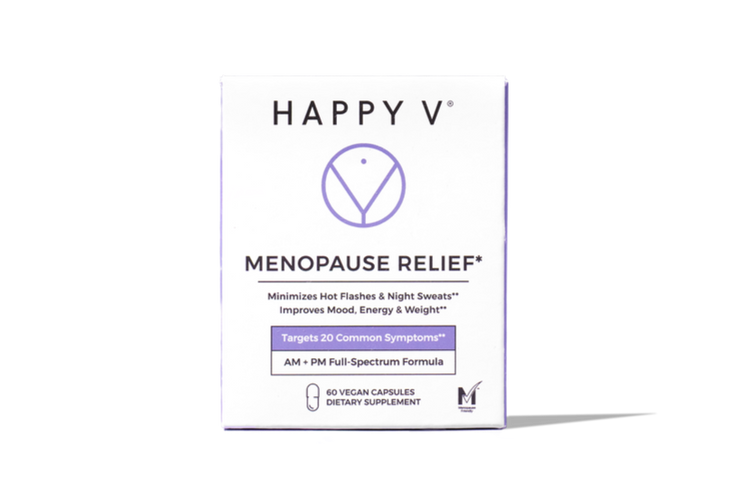
Menopause Relief AM + PM
Supports mood, energy and weight. Minimizes hot flashes and night sweats.
Sign #4: Sleep quality improves

As night sweats decrease and hormone fluctuations settle down, your sleep patterns often improve significantly7. This better sleep quality can have cascading positive effects on your energy levels, mood, and overall well-being, creating a positive cycle of improved health.
Sign #5: Hormone levels stabilize
Hormone level stabilization, particularly of estrogen and progesterone, signals that your reproductive system has completed its transition8. While these hormones settle at much lower levels than during your reproductive years, the wild fluctuations that characterize perimenopause begin to calm down.
Your follicle-stimulating hormone (FSH) levels typically remain elevated and stable in postmenopause, while estradiol (the primary form of estrogen) settles at consistently low levels9. This hormonal stability is what allows many of your symptoms to improve and your body to adjust to its new normal.
Some women choose to work with healthcare providers to monitor these hormone levels through testing, which can provide reassurance that their transition is progressing normally. Others find that tracking their symptoms is enough confirmation of their progress.
Sign #6: Energy levels become more consistent
Without the energy-draining effects of severe hot flashes, night sweats, and hormonal fluctuations, many women find they have more predictable and sustained energy10. The afternoon crashes and unexplained fatigue that may have plagued you during perimenopause often resolve.
Sign #7: Cognitive function and mental clarity improve

Many women report feeling mentally sharper and more focused in their post-menopausal years11. The "brain fog" that often accompanies hormonal fluctuations typically clears, allowing you to think more clearly and feel more mentally alert than in previous years.
Many women also report feeling more confident and self-assured in their post-menopausal years. With the unpredictability of perimenopause behind them, they can focus on pursuing goals, relationships, and activities that bring them joy and fulfillment.
Sign #8: Breast tenderness and joint aches lessen

The various aches, pains, and physical discomforts that may have appeared or worsened during perimenopause often improve as hormone levels stabilize12. While some changes may require ongoing attention, many women find significant relief from the physical symptoms that made daily life challenging.
Supporting Your Body During The Menopause Transition
While you’re waiting for the positive signs that menopause is winding down, it’s important to remember: you don’t have to just “tough it out.” There are effective ways to ease common symptoms, support your body, and feel more comfortable during this phase.
Lifestyle Modifications
Simple daily changes can make a powerful difference in how you feel. Consider:
- Exercise: Weight-bearing activities like walking, hiking, dancing, or strength training improve mood, sleep, energy, and long-term bone health.
- Stress management: Meditation, yoga, deep breathing, or mindfulness can reduce symptom intensity and promote calm.
- Nutrition: Focus on whole foods, adequate calcium and vitamin D intake, and hydration to support your body’s natural balance.
Medical Support
If symptoms are more severe, professional medical care can help. Options include:
- Hormone Replacement Therapy (HRT): Estrogen-only, combined estrogen-progestogen, or bioidentical options may provide significant relief.
- Non-hormonal prescriptions: Certain medications can reduce hot flashes, improve sleep, or address other specific symptoms.
- Cognitive Behavioral Therapy (CBT): Proven to help with mood regulation, anxiety, and sleep disturbances.
Supplemental Support
Many women turn to natural supplements for added relief. One option is Happy V Menopause Relief AM + PM, a dual-formula designed to support you around the clock.
The AM Formula includes clinically studied ingredients like:
- Ashwagandha – helps reduce stress and support emotional balance
- Green Tea Extract – provides natural energy and antioxidant protection
- Black Cohosh – traditionally used to ease hot flashes and night sweats
- B Vitamins – support steady energy, mood regulation, and mental clarity
And the PM Formula includes:
- Valerian Root – promotes relaxation and restful sleep
- Chamomile – supports calmness and helps ease nighttime anxiety
- Magnesium – relaxes muscles and supports healthy sleep cycles
- Melatonin – helps regulate the body’s natural sleep-wake rhythm
This targeted approach acknowledges that menopause symptoms don’t follow a 9-to-5 schedule and gives your body the support it needs day and night.
Intimacy & Comfort Solutions
Menopause can affect vaginal health and intimacy, but solutions are available, including:
- Vaginal moisturizers and lubricants to ease dryness
- Local estrogen creams or treatments, if needed
- Supportive routines that help maintain confidence and comfort in relationships
Long-Term Health Considerations In the Postmenopausal Phase

Once menopause is behind you, the focus shifts from managing disruptive symptoms to protecting your long-term health13. Postmenopause is a new chapter, one that brings stability, but also a higher risk for conditions like osteoporosis, heart disease, and cognitive decline due to lasting hormonal changes.
Luckily, with the right lifestyle strategies, preventive care, and ongoing support, this phase can be one of your healthiest and most fulfilling. By being proactive, you can reduce risks, strengthen resilience, and thrive for decades to come.
Protecting Your Bone Health
Bone health becomes increasingly important after menopause, but the good news is that with proper attention, you can maintain strong, healthy bones well into your later years14. The decrease in estrogen after menopause can lead to faster bone loss, which can lead to things like osteoporosis. You can lessen the risk of osteoporosis through:
- Weight-bearing and resistance exercises. These exercises are your best friends for maintaining bone density. Activities like walking, jogging, dancing, hiking, and strength training all help stimulate bone formation. Even 30 minutes of weight-bearing exercise most days of the week can make a significant difference.
- Calcium and vitamin D. These vitamins work together to support bone health. Aim for 1,200 mg of calcium daily through food sources like dairy products, leafy greens, and fortified foods, along with 800-1,000 IU of vitamin D. Many women find that supplements help them meet these targets, especially for vitamin D.
- Regular bone density screenings (DEXA scans). Regular screenings can help you and your healthcare provider monitor your bone health and catch any changes early, allowing for proactive treatment if needed.
Preserving Your Cardiovascular Health
The risk of heart disease increases after menopause. Instead of letting this fact frighten you, see it as knowledge that empowers you to take heart-healthy steps that can significantly reduce your risk and improve your quality of life, like:
- Regular exercise. Regular exercise is one of the most powerful tools for heart health. Aim for at least 150 minutes of moderate aerobic activity or 75 minutes of vigorous activity per week, plus muscle-strengthening activities twice weekly. This doesn't have to be intimidating – brisk walking, swimming, cycling, or dancing all count.
- Heart-healthy nutrition. This includes a balanced diet rich in fruits, vegetables, whole grains, lean proteins, and healthy fats like those found in olive oil, nuts, and fish. Limiting processed foods, excess sodium, and added sugars supports cardiovascular health.
- Managing other risk factors like blood pressure, cholesterol levels, and blood sugar becomes even more important. Regular check-ups with your healthcare provider can help you stay on top of these important numbers.
Maintaining Cognitive Health and Mental Well-being
Many women are pleasantly surprised to find that their cognitive function and mental clarity can actually improve in the post-menopausal years as hormonal fluctuations settle down, but that doesn’t mean you shouldn’t continue to focus on your mental well-being through:
- Mental stimulation. Reading, puzzles, learning new skills, or engaging in creative activities help keep your mind sharp15. Social connections and maintaining meaningful relationships also contribute significantly to cognitive health and overall well-being.
- Quality sleep. Sleep becomes even more important for cognitive function as you age16. With menopausal sleep disruptions behind you, focus on maintaining good sleep hygiene to support mental clarity and emotional balance.
- Stress management. This continues to be crucial for both mental and physical health17. Techniques like meditation, yoga, deep breathing, or simply spending time in nature can help maintain emotional equilibrium and reduce the risk of stress-related health issues.
Supporting Skin, Hair, and Overall Vitality
Low estrogen levels can bring changes to your skin and hair, but with the right care, you can maintain a healthy glow and feel confident in your appearance18. Energy and vitality also tend to stabilize during this stage, giving you more consistency in how you feel day to day. Consider:
- Skincare adjustments. Use moisturizers with ingredients like hyaluronic acid and always protect against sun damage. A tailored routine can help skin stay supple and radiant.
- Hair health support. Prioritize good nutrition, gentle hair care, and, if needed, targeted treatments. Many women also enjoy experimenting with new hairstyles that highlight their confidence.
- Boosting vitality. Better sleep and stable hormones often mean more consistent energy. Support this with balanced nutrition, regular movement, and daily self-care habits.
Prioritizing Preventive Care and Health Monitoring
Even when you’re feeling well, regular screenings and proactive medical care become more important in postmenopause. These steps ensure you catch potential issues early and maintain long-term health. Key considerations include:
- Routine screenings. Stay up to date with mammograms, colonoscopies, skin checks, and other age-appropriate exams.
- Specialist care. Build a healthcare team that includes a primary care provider, gynecologist, and any needed specialists who understand postmenopausal health.
- Ongoing monitoring. Keep track of key health markers like blood pressure, cholesterol, and blood sugar with regular check-ins.
Taking a proactive approach to preventive care allows you to feel empowered and supported as you move through this new phase of life.
Final Thoughts
The end of menopause isn’t just the close of a challenging chapter; it’s the beginning of a new stage filled with opportunity, strength, and self-assurance.
Postmenopause offers the chance to focus on your long-term health, embrace renewed energy, and celebrate the wisdom and resilience you’ve gained along the way. With the right support—whether through lifestyle shifts, medical care, or supplements like Happy V—you can step confidently into this next phase and thrive for years to come.
Keep the Conversation Going
- Visit our blog for more women's health tips.
- Join our private Happy V Facebook group to hear from others who've been there.
- Explore supplements designed to support your vaginal health journey.
Disclaimer: This blog is for informational and educational purposes only and is not intended to diagnose, treat, cure, or prevent any disease. Statements about supplements have not been evaluated by the Food and Drug Administration. For more information about vaginal infections, visit the CDC or speak to a licensed healthcare provider.