



- Fact Checked
- January 01, 2026
- 14 min read
Does Chlamydia Have a Smell?

- Written by Daniella Levy • Updated on July 24, 2026
- Updated on July 24, 2026

Table of Contents
Table of Contents
Let’s be real: noticing a change in your vaginal smell can send you into an overthinking spiral. Is it normal? Is it an infection? Could it even be a sexually transmitted infection (STI) like chlamydia?
The truth is, odor alone rarely tells the full story, but it can be one of several clues that something’s off. And when paired with symptoms like unusual discharge, pelvic pain, or a burning sensation, it’s worth paying attention to.
Chlamydia is one of the most commonly reported STIs in the world. While it doesn’t usually cause a strong odor on its own, understanding how it shows up (or doesn’t) in your body is key to protecting your sexual health. So let’s talk about what chlamydia is, what symptoms to look for, when to get tested, and how to support your body after treatment.
This post is for informational purposes only and does not constitute medical advice. See full disclaimer below.
What Is Chlamydia, Anyway?

Chlamydia is a common sexually transmitted infection caused by the bacteria Chlamydia trachomatis. It spreads primarily through unprotected vaginal, anal, or oral sex, including contact with shared or unclean sex toys. Even non-penetrative sexual contact, like genital-to-genital rubbing, can transmit the infection. It’s not just about penetration or ejaculation; skin-to-skin and fluid contact is enough.
One of the reasons chlamydia is so widespread is that it's often asymptomatic, especially in people with vaginas. Research shows that up to 80% of women and 50–70% of all people with chlamydia experience no symptoms at all, making it what many experts call a “silent infection.” That means people often carry and spread it without even realizing they’re infected!
How Common Is Chlamydia?
Chlamydia is the most reported bacterial STI in the United States, with over 1.5 million cases reported each year, according to the Centers for Disease Control and Prevention (CDC).
Globally, the World Health Organization (WHO) estimates prevalence at 4.0% in women and 2.5% in men aged 15–49.
Who’s Most at Risk?
While anyone who is sexually active can get chlamydia, certain groups face a higher risk, like:
- People ages 15–24, especially teen girls and young women, due to biological vulnerability and higher rates of new partners
- Men who have sex with men
- People with multiple or new sexual partners
- Pregnant people, due to the risk of transmitting the infection to the baby during birth
- Black and Hispanic populations, who experience higher rates of chlamydia diagnosis in the U.S.—a reflection of inequities in access to sexual health resources and screening
Why Early Detection Matters
Untreated chlamydia can lead to serious health problems, especially for people with vaginas. These complications include:
- Pelvic inflammatory disease (PID)
- Infertility
- Ectopic pregnancy
- Chronic pelvic pain
- In newborns: eye infections or pneumonia from exposure during childbirth
Early testing and treatment prevent these outcomes and also stop the infection from being passed to sexual partners.
Can You Get It in Other Ways?
Rarely, but yes. While the most common route is through genital contact, chlamydia can also infect the:
- Rectum (through anal sex)
- Throat (through oral sex)
- Eyes (if infected fluids come into contact with the eye, causing chlamydial conjunctivitis)
These non-genital infections are often overlooked, but testing can be done at those sites when relevant.
How You Can’t Get Chlamydia
Just to clear things up—you cannot catch chlamydia from:
- Kissing
- Hugging or holding hands
- Sharing food, drinks, or utensils
- Using public toilets or swimming pools
- Sitting on gym equipment or wearing someone else's underwear
Chlamydia is a bacterial infection, not a surface-level contaminant. It requires direct sexual or mucous membrane contact.
Can You Get It More Than Once?
Yes. In fact, reinfection is common, especially if your partner hasn’t been treated or if barrier protection isn’t used consistently. Having chlamydia once doesn’t protect you from getting it again, which is why follow-up testing and safer sex practices are so important.
What Does Chlamydia Smell Like?

Here’s the truth: chlamydia doesn’t typically cause a distinct smell. But if there’s a change in your vaginal odor—especially something fishy, musty, or foul-smelling—that could signal an infection. Sometimes, a chlamydia infection can occur alongside bacterial vaginosis, which is known for its fishy odor due to disrupted vaginal flora.
Other times, the presence of unusual vaginal discharge after unprotected sex might tip you off. But don’t jump to conclusions based on smell alone. Many infections (or even totally normal hormonal changes) can mess with your natural odor.
Other Symptoms of Chlamydia to Know

Most people with a chlamydia infection don’t experience noticeable symptoms.
When symptoms do show up, they can vary depending on the part of the body that’s infected, and on whether you have a vagina, penis, or engage in anal or oral sex.
Remember, even if you have no symptoms at all, you can still carry and unknowingly spread chlamydia to others. That’s why routine STI testing is essential, especially if you’re sexually active and under 25, have a new partner, or don’t consistently use barrier protection.
Symptoms of Chlamydia in Women
- Vaginal discharge that’s thin, watery, yellowish, or has an unusual smell
- Burning sensation while urinating
- Pelvic pain or lower abdominal cramps
- Pain during sex
- Bleeding between periods or after sex
- Inflammation of the cervix (which may cause spotting or discomfort during a pelvic exam)
If untreated, chlamydia can spread to the uterus and fallopian tubes, leading to pelvic inflammatory disease (PID), which can cause chronic pelvic pain, infertility, and increased risk of ectopic pregnancy.
Symptoms of Chlamydia in Men
- Discharge from the urethra (watery or cloudy)
- Burning or pain during urination
- Pain or swelling in one or both testicles
- Itching or irritation inside the urethra
Untreated chlamydia in men can lead to epididymitis, a painful inflammation of the coiled tube near the testicles that can affect fertility.
Other Possible Symptoms
Chlamydia can also infect the:
- Rectum, causing pain, discharge, or bleeding (especially after anal sex)
- Throat, often without symptoms (after oral sex)
- Eyes, though rare, via contact with infected fluids, resulting in conjunctivitis
What Does Cause Foul-Smelling Discharge?

While chlamydia can sometimes lead to unusual discharge, it’s not typically known for causing a strong, foul-smelling odor on its own.
If you’re noticing a fishy, musty, or just plain off vaginal scent, it may be due to another condition—or even a combination of infections.
Common causes of foul-smelling vaginal discharge include:
- Bacterial vaginosis (BV) – A shift in vaginal bacteria that often leads to a thin, grey discharge with a fishy odor, especially after sex.
- Trichomoniasis – A sexually transmitted infection that can cause frothy, greenish-yellow discharge and a strong, musty smell.
- Forgotten tampon – A stuck tampon can cause strong, unpleasant odor and brown or bloody discharge.
- Mixed infections – You can have more than one vaginal infection at once (e.g., chlamydia + BV), which can make symptoms more noticeable or severe.
Bottom line: Odor alone isn’t a diagnosis. Always get tested to find out what’s really going on.
Is It Chlamydia…or Something Else?
As you just read, the symptoms of chlamydia often overlap with those of other common vaginal infections, like bacterial vaginosis (BV), yeast infections, trichomoniasis, and even urinary tract infections (UTIs).
Things like vaginal discharge, burning sensation, or pelvic pain aren’t exclusive to one condition, which makes self-diagnosis nearly impossible. That’s why testing matters. Until you confirm what you’re dealing with, you’re basically guessing.
Here’s a side-by-side look at how the symptoms compare:
| Symptom | Chlamydia | Bacterial Vaginosis (BV) | Yeast Infections | Trichomoniasis | UTI |
| Vaginal discharge | Clear/yellowish, watery | Thin, grey, fishy-smelling | Thick, white, cottage cheese | Frothy, green/yellow, foul-smelling | None or cloudy urine |
| Vaginal odor | Mild or fishy (with co-infection) | Strong fishy odor | None or bread-like smell | Musty or bad-smelling | Urine may smell strong |
| Burning sensation when peeing | ✔️ | Sometimes | Sometimes | ✔️ | ✔️ |
| Pelvic pain | ✔️ | Rare | Rare | ✔️ | ✔️(in bladder) |
| Pain during sex | ✔️ | Possible | Possible | ✔️ | ❌ |
| Asymptomatic cases | Very common | Possible | Less common | Common | Less common |
Basically, what we’re saying is if you have any of these symptoms, get tested. Only a chlamydia test or full STI panel can tell you what’s actually going on.
How Is Chlamydia Diagnosed?

To confirm a chlamydia infection, your healthcare provider will typically recommend what’s called a nucleic acid amplification test (NAAT). It’s pretty much the gold standard for detecting Chlamydia trachomatis. This test works by detecting the genetic material of the bacteria, even in very small amounts, making it highly accurate.
There are two main ways this sample can be collected:
- Vaginal or cervical swab: This is the most accurate method for women or people with vaginas. It can be done by a provider or via a self-collected swab.
- Urine sample: Often used for men or people with penises, or when swabs aren’t available. However, research shows urine may miss up to 10% of infections compared to swab samples in people with vaginas.
In certain cases—like after oral sex or anal sex—your provider might also recommend a throat or rectal swab to ensure accurate testing at the site of exposure.
When Should You Get a Chlamydia Test?
Even if you're symptom-free, screening matters. You should get tested if:
- You’ve had unprotected sex (especially with a new partner)
- You’re experiencing symptoms of chlamydia (like vaginal discharge, burning sensation, or pelvic pain)
- You’re sexually active and under 25
- You have multiple sexual partners
- You're pregnant or planning to be
- A recent partner tested positive for an STI
Timing also matters. For the most accurate results, wait at least 14 days after potential exposure before taking a chlamydia test. It can take that long for the bacteria to be detectable in your system.
At-Home vs. In-Clinic Testing
Like we said, vaginal and cervical swabs can either be performed at home or in the doctor’s office. Which method is better for you? Here are several things to consider:
- At-home test kits: Convenient and private. You collect a urine sample or vaginal swab yourself and mail it to a lab. These are great for routine screening or if you want discretion—but you’ll need to follow instructions carefully.
- In-clinic testing: Recommended if you have symptoms, need multi-site testing (vaginal, rectal, throat), or want guidance from a provider. Clinics can also test for gonorrhea, trichomoniasis, and other STIs during the same visit. Many clinics and public health centers offer free or low-cost STD testing.
What to Expect During & After Testing
Sample collection is quick and usually painless (just a swab or a pee-in-a-cup moment). Results typically come back within a few days, depending on the clinic or test kit used.
If your test is positive:
- You’ll be prescribed antibiotics (like azithromycin or doxycycline).
- You should notify your sexual partners so they can be tested and treated too.
- You’ll need to retest in 3 months to ensure the infection is gone and hasn’t returned.
Why Routine Screening Is Non-Negotiable
Per the CDC and NHS, sexually active women under 25, pregnant people, and anyone at elevated risk should get a chlamydia test at least once a year (or more frequently depending on lifestyle).
Because untreated chlamydia can lead to pelvic inflammatory disease (PID) and other long-term complications, proactive testing is a powerful way to protect your sexual health.
Treatment for Chlamydia
Chlamydia is treated with antibiotics, usually:
- Azithromycin (a single dose), or
- Doxycycline (typically taken for 7 days)
It’s essential to:
- Avoid sex until you’ve completed treatment and your healthcare provider gives the all-clear.
- Make sure all recent sexual partners get tested and treated.
- Get retested in 3 months to check for reinfection.
Untreated chlamydia can lead to PID, which damages the uterus, fallopian tubes, and ovaries—sometimes permanently.
What To Do After Treatment
Treating chlamydia is a major step, but it’s not the finish line. Here’s how to support your body, reduce the risk of reinfection, and keep your vaginal health in balance moving forward.
1. Support Your Vaginal Microbiome
Antibiotics treat the bacterial infection, but they don’t discriminate. They wipe out helpful bacteria too, including the Lactobacillus species that keep your vaginal environment in check. Without these protective microbes, your vaginal microbiome becomes more vulnerable to yeast infections, bacterial vaginosis, and even future STIs.
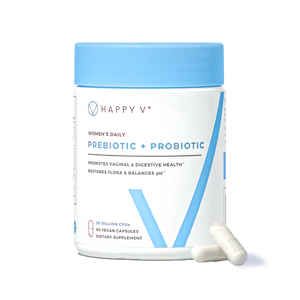
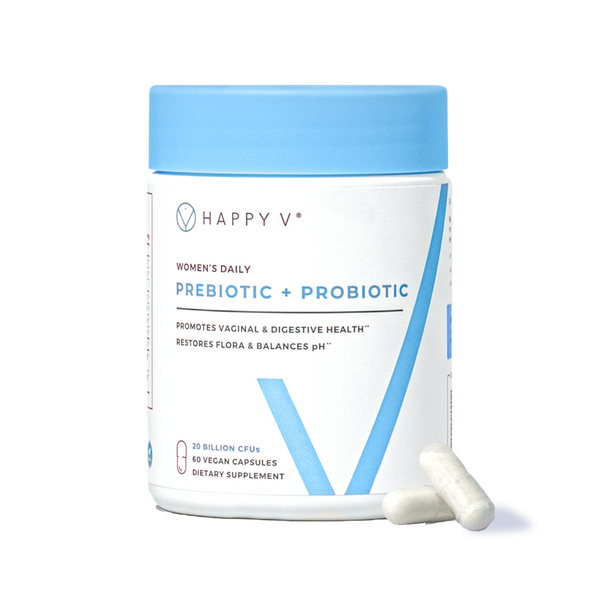
That’s where Happy V’s Prebiotic + Probiotic comes in. These probiotics were doctor-formulated with vaginal health in mind and contain only strains that have been clinically studied to improve vaginal health, like:
- Lactobacillus acidophilus LA14 – shown to help maintain a healthy vaginal pH and discourage the growth of unwanted microbes.
- Lactobacillus rhamnosus HN001 – supports immune response and helps reinforce the vaginal barrier against pathogens.
Together, these strains help repopulate your vaginal ecosystem with beneficial bacteria, support your body's natural defenses, and promote long-term balance, so you feel protected from the inside out. Just be sure to discuss Happy V with your doctor before starting.
2. Practice Safer Sex
Focus on creating habits that support your long-term sexual health and reduce the risk of reinfection. For example:
- Use condoms or dental dams during vaginal, anal, and oral sex.
- Wash sex toys between uses and don’t share them.
- Talk openly with sexual partners about STI testing and symptoms.
- Get regular STI screening if you’re sexually active.
3. Follow Up With Your Provider
Recheck your results, treat your sexual partners, and ask about additional tests (like for gonorrhea, trichomoniasis, or HIV) if needed.
How to Prevent Chlamydia
While no method is 100% foolproof (except abstinence), there are plenty of evidence-backed ways to reduce your risk of chlamydia infection and protect your overall sexual health.
1. Use Barrier Protection—Every Time
Condoms and dental dams aren’t just for avoiding pregnancy; they’re your best defense against STIs like chlamydia, especially during:
- Vaginal sex
- Anal sex
- Oral sex
- Sex with shared sex toys
And don’t forget: use a new condom or dam for each act and each partner. Chlamydia can enter through the urethra, cervix, rectum, or throat, so full coverage matters.
2. Get Tested Regularly
We’ve said it once, and we’ll say it again: routine STI testing is key. This is especially true if you are:
- Sexually active and under 25
- In a new relationship or have multiple sexual partners
- Pregnant or planning to be
A chlamydia test is quick, confidential, and effective.
3. Talk Openly With Sexual Partners
We know it can feel awkward, but being honest about STI testing, protection preferences, and symptoms helps everyone stay safer. If a new partner won’t talk about testing? That’s a red flag.
4. Avoid Sharing Sex Toys
Chlamydia bacteria can linger on surfaces. Either use a new condom on shared toys for each person or clean thoroughly between uses with soap and water or an appropriate toy cleaner.
5. Limit New Partners
Reducing the number of new partners you have—or spacing out encounters between STI tests—lowers your risk of exposure.
Final Takeaway
Chlamydia doesn’t always announce itself with a strong odor, but a shift in your vaginal discharge—especially when paired with other symptoms—is your cue to check in with a healthcare provider. The only way to know for sure is to get a chlamydia test. And if you’ve been treated, don’t forget the recovery phase: support your vaginal flora, practice safe sex, and treat your sexual partners too.
Keep the Conversation Going
- Visit our blog for more women's health tips.
- Join our private Happy V Facebook group to hear from others who've been there.
- Explore supplements designed to support your vaginal health journey.
Disclaimer: This blog is for informational and educational purposes only and is not intended to diagnose, treat, cure, or prevent any disease. Statements about supplements have not been evaluated by the Food and Drug Administration. For more information about vaginal infections, visit the CDC or speak to a licensed healthcare provider.