

- Fact Checked
- January 02, 2026
- 6 min read
The Best Over-the-Counter Yeast Infection Treatments: What Actually Works?

-
Written by
Hans Graubard
• Updated on July 22, 2026

Dietary supplement manufacturing, regulatory and product development, and DTCt; leadership experience...
- Updated on July 22, 2026
Table of Contents
Table of Contents
If you’ve ever had a yeast infection, you know the struggle is real. The itching, the burning, the telltale cottage cheese discharge… no one wants to deal with it longer than they have to.
The good news? Most vaginal yeast infections are super common and easy to treat with the right over-the-counter options. The not-so-good news? Choosing the best yeast infection treatment can feel overwhelming when you’re standing in the pharmacy aisle trying to decode creams, suppositories, and single-day vs. multi-day treatments.
We’re here to break down what actually works, what to watch for, and how you can support your vaginal microbiome at home, so you can get back to feeling like you, fast.
This post is for informational purposes only and does not constitute medical advice. See full disclaimer below.
What Is a Vaginal Yeast Infection?

A vaginal yeast infection, also called vaginal candidiasis, is a fungal infection caused by an overgrowth of Candida1. Candida is not inherently harmful. In fact, this fungus is often present in balanced vaginal microbiome. When your balance of good bacteria and yeast gets thrown off, though, Candida can multiply and overtake the microbiome. Enter: symptoms.
Common symptoms of a yeast infection include:
- Itching, irritation, or swelling around the vulva
- Burning during urination or sex
- Thick white vaginal discharge that looks like cottage cheese
- Redness or soreness in the vaginal area
How Do I Know It’s Really a Yeast Infection?
Mild infections can sometimes go unnoticed, but once you feel that itch or burning, you’ll want relief, stat2. Even if you’ve had a yeast infection before, see your healthcare provider or gynecologist to confirm it’s really a yeast infection and not bacterial vaginosis, trichomoniasis, or another vaginal infection or STI. The symptoms overlap and can be easy to confuse!
What Causes Yeast Infections?

So what throws off that delicate balance of bacteria in the microbiome? A lot of seemingly small, everyday things can play a role.
Common risk factors and triggers for vaginal imbalances include:
- Taking antibiotics, steroids, or certain birth control pills
- Hormonal changes from your menstrual cycle, pregnancy, or menopause
- Having uncontrolled diabetes or high blood sugar
- Wearing tight clothes or non-breathable fabrics that trap moisture
- Not changing out of wet swimsuits or sweaty workout gear fast enough
- Eating lots of sugary foods and drinks (Candida’s favorite food is glucose!)
- Using scented tampons, pads, or washes
- Douching
- Having unprotected sex
- Using improperly cleaned sex toys
Best Over-the-Counter Yeast Infection Treatments

Good news: most yeast infections are easy to treat at home with over-the-counter (OTC) antifungal options. Here’s what you should know.
1. Antifungal Creams, Suppositories, and Ovules
OTC antifungal medications are the gold standard for treating vulvovaginal candidiasis3. They come in vaginal creams, vaginal suppositories, or ovules, often with a plastic applicator for easy use.
Popular ingredients include:
- Miconazole (brand name Monistat®): Comes in 1-day, 3-day, or 7-day treatments. Products like Monistat 1 use a single-dose ovule that starts working at the site of infection.
- Clotrimazole: Found in brands like Gyne-Lotrimin.
- Tioconazole: A shorter course option for some.
These antifungal creams and suppositories work by stopping Candida from multiplying. For best results, use them as directed and don’t stop early, even if your symptoms have cleared!
2. Are OTC Treatments Effective?
Yes! In fact, topical treatments like Monistat can relieve symptoms of a yeast infection, like itching and burning, faster than a prescription pill like fluconazole (Diflucan®)4. One study even found Monistat’s miconazole nitrate worked four times faster at symptom relief than fluconazole.*
(*Source: Clinical study of Monistat 1 Combination Pack Ovule® vs. prescription fluconazole)
3. What About Prescription Options?
If you have frequent infections or symptoms that don’t improve after OTC treatment, your healthcare professional may prescribe an oral antifungal medication5. These work systemically but can take longer to kick in compared to a vaginal cream.
Home Remedies For Yeast Infections
You might see all kinds of DIY home remedies for yeast infections online, like yogurt, garlic, or boric acid suppositories. But here’s the deal: not all home remedies are safe or proven to work6. Some can even make irritation worse or throw off your vaginal pH even more. Always check with a trusted healthcare provider before trying anything new, even if it’s “natural”.
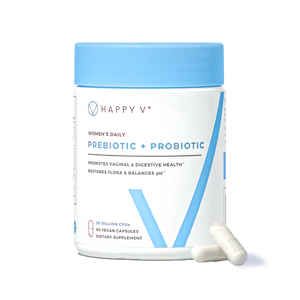
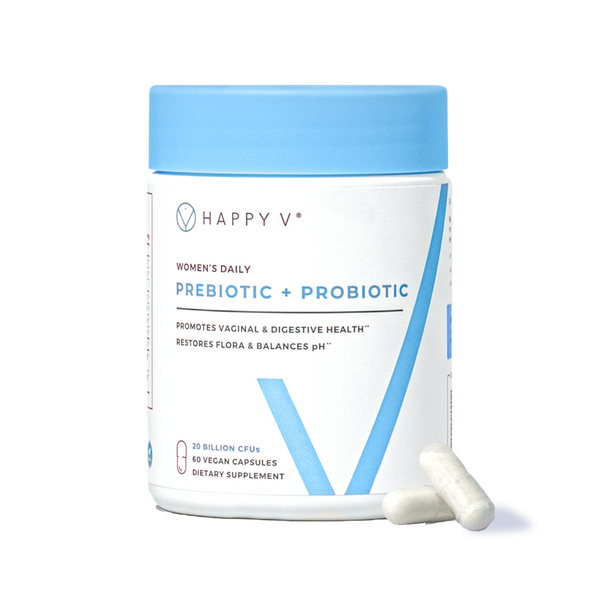
One safe, science-backed option? Adding a daily probiotic to your routine. Probiotics help support your natural balance of good bacteria, which keeps Candida overgrowth in check and helps you bounce back after antibiotics or other risk factors. Happy V’s Prebiotic + Probiotic includes clinically studied strains like Lactobacillus acidophilus LA-14® and Lactobacillus rhamnosus HN001™, shown to help support a healthy vaginal microbiome.
In preclinical research, Happy V’s unique blend (including a cell-free supernatant from seven antimicrobial-producing strains combined with PreforPro®) helped inhibit the growth of most Candida species, making it a smart step for vaginal wellness, backed by real data.
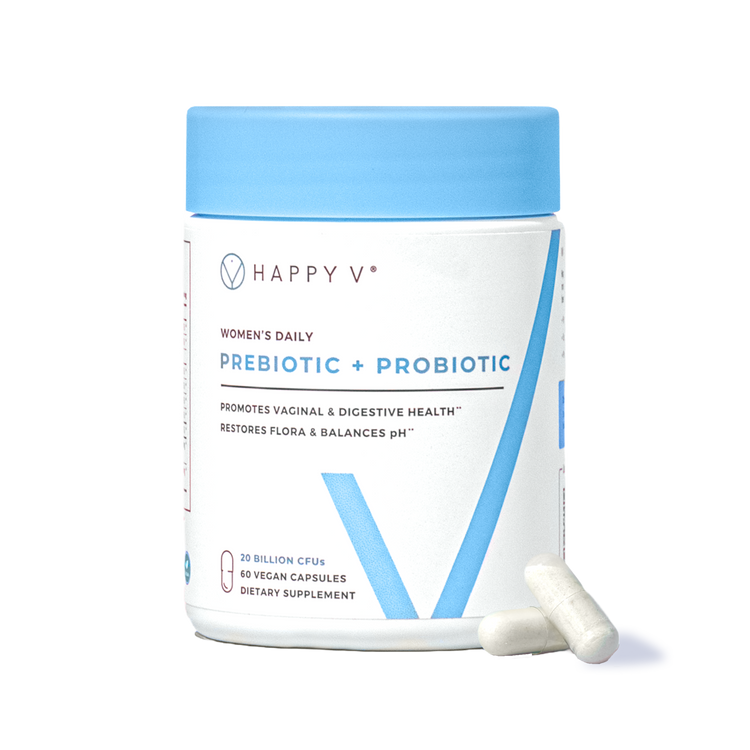 Bestseller
Prebiotic + Probiotic
Maintains vaginal pH and restores gut health.
How to Prevent Recurring Yeast Infections

Once you know your risk factors, you can take steps to correct them. Even small lifestyle changes can go a long way in restoring your vaginal health. These changes include:
- Changing out of damp swimsuits and gym clothes ASAP
- Wearing breathable cotton underwear and loose-fitting pants
- Limiting sugar and keeping blood sugar stable
- Skipping douching and heavily scented products
- Cleaning sex toys thoroughly and using protection, like condoms, during sexual activity
- Considering daily vaginal probiotics to support good bacteria and vaginal balance
Final Thoughts
Vaginal yeast infections are common—and treatable! The best over-the-counter yeast infection treatments, like Monistat, miconazole, clotrimazole, or tioconazole, can help clear up symptoms fast and safely.
And remember, your vagina works hard to keep itself healthy. You can help prevent recurring yeast infections by making small lifestyle tweaks, like wearing cotton underwear, avoiding douching, managing stress and blood sugar, and keeping things balanced with trusted probiotics. Smart choices, everyday support, and a little extra care go a long way toward keeping your vaginal health in check, so you can feel good down there, every day.
Keep the Conversation Going
- Visit our blog for more women's health tips.
- Join our private Happy V Facebook group to hear from others who've been there.
- Explore supplements designed to support your vaginal health journey.
Disclaimer: This blog is for informational and educational purposes only and is not intended to diagnose, treat, cure, or prevent any disease. Statements about supplements have not been evaluated by the Food and Drug Administration. For more information about vaginal infections, visit the CDC or speak to a licensed healthcare provider.