

- Fact Checked
- January 05, 2026
- 13 min read
Is PCOS Genetic? What Science Says About Your Family's Risk

- Written by Daniella Levy • Updated on June 04, 2026
- Updated on June 04, 2026

Table of Contents
Table of Contents
Let's cut to the chase: if it feels like you and your mother and your sisters are struggling with irregular menstrual periods, unwanted hair growth, and acne, you aren't imagining things. Polycystic ovary syndrome (PCOS), also called polycystic ovarian syndrome, is not only an incredibly common hormonal condition among women of reproductive age, but it's also genetic.
The good news? While you can pass down the genes, you can also pass down the habits that help keep them in check. With the right lifestyle choices, you can teach your body (and your future daughter's) how to keep hormones balanced and symptoms under control.
This post is for informational purposes only and does not constitute medical advice. See full disclaimer below.
Does PCOS Run In Families?

PCOS is pretty common as it is, affecting about 10% of women of reproductive age1. But if you have a first-degree relative with PCOS (think: sister, daughter, or mother), you have a 20-50% higher chance of having it, too. This hereditary pattern reflects the genetic factors that contribute to polycystic ovary syndrome development.
Statistically, that's pretty dang significant, but here's what you need to understand (and what the theme for this whole post is): genetic predisposition does not mean it's destiny. And while you can't control your genetics, there are plenty of other things you can control that can ultimately determine whether genetic susceptibility becomes an active disease. Think of your genetics like a lock, and lifestyle and environmental factors like the key. Certain choices will open that genetic door, and others can help it stay closed.
How PCOS Gets Passed Down

Fair warning, this is a bit complicated, but stay with us.
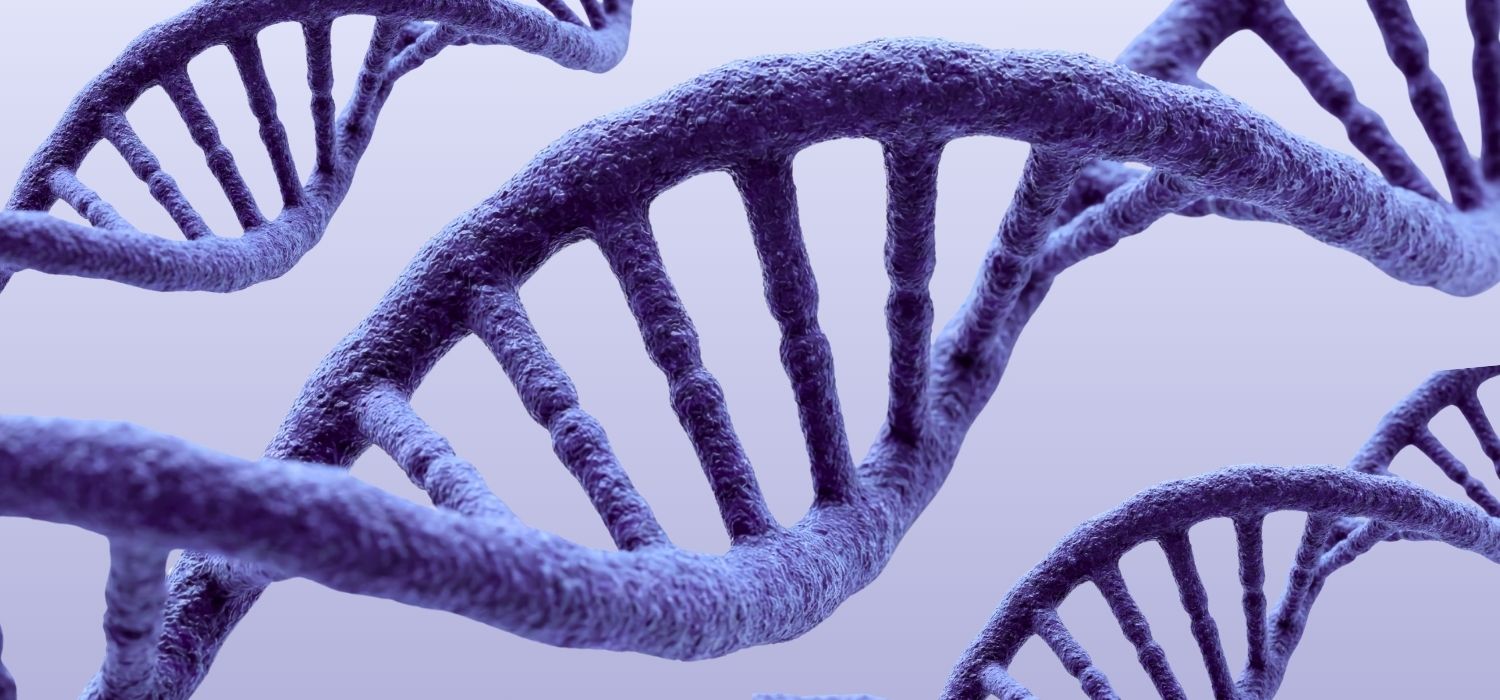
Unlike some conditions that come from a single gene (like cystic fibrosis), PCOS is more complicated. It's what scientists call polygenic, meaning several genes work together to raise your risk. Each one adds a small piece to the puzzle, influencing how your body makes and uses hormones, manages insulin, and supports ovulation. This is why the genetic risk factor for PCOS varies so widely from 20-50%; it all depends on how many and which combination of genes you inherit.
When it comes to genetic variations linked to PCOS, large-scale studies have found they fall into a few main categories, namely:
- Hormone-related genes. These affect how your body produces and responds to reproductive hormones like luteinizing hormone (LH), follicle-stimulating hormone (FSH), and sex hormone-binding globulin (SHBG), which help regulate ovulation and balance estrogen and testosterone levels2.
- Metabolic genes. These impact how your body processes insulin, glucose, and cholesterol, all key factors in metabolism and weight regulation3. Many people with PCOS have some level of insulin resistance, and these genes often play a role.
- Androgen pathway genes. These influence testosterone and other androgen (aka "male") hormones that can lead to symptoms like excess hair growth, acne, or thinning hair4. These variations can lead to hyperandrogenism, a hallmark of PCOS characterized by elevated androgen levels and symptoms of PCOS.
- Ovarian function genes. These affect how your ovaries develop and release eggs, influencing ovulation and menstrual regularity.
Rather than a single genetic "switch," the genetics linked to PCOS involve small changes across many areas of the body. Some of these genes act directly on the ovaries, while others affect broader systems like metabolism and insulin response.
And these PCOS genes? They can actually be inherited from either side of your family. Even though fathers don't have ovaries, they can still pass along genetic traits that influence hormone regulation and metabolism, showing just how interconnected the body's endocrine system really is.
What This Means for Your Children

If you're thinking about the future and wondering what PCOS might mean for your kids, here's what science has found so far:
For daughters
If you have PCOS, your daughter has a higher likelihood of developing it, too, and this risk goes up if multiple women in your family share similar symptoms5.
That being said, remember the theme of this blog post: genetics don't decide everything. Early lifestyle habits make a real difference. Encouraging balanced nutrition, regular movement, and stress management during adolescence can help lower the likelihood of symptoms of PCOS showing up later on. It's also important to watch for early signs during puberty, like irregular periods, acne, hirsutism (excess hair growth), or other symptoms of PCOS, and talk to a healthcare provider if they appear. Getting ahead of symptoms early can make a big impact on hormonal balance and long-term fertility, and ultimately, having a mother who has been through PCOS herself will be a huge ally to your daughter.
Understanding that PCOS is a leading cause of infertility can help daughters seek early intervention if they experience anovulation (lack of ovulation) or difficulty conceiving. Early recognition of hormonal imbalance can lead to better fertility outcomes.
For sons
Even though boys can't develop PCOS, research shows they may inherit related metabolic traits6.
Boys born to mothers with PCOS sometimes have higher chances of developing insulin resistance, obesity or weight gain, early hair thinning or male pattern baldness, or elevated cholesterol and blood sugar levels7. Like with daughters, these risks aren't inevitable, and the same lifestyle strategies that support women with PCOS (i.e. healthy eating, regular exercise, and routine checkups) can help protect their metabolic health too.
Lifestyle Strategies to Take Control of Your PCOS Genes

We've mentioned a few times now (okay, maybe more than a few!) that you have control over many of the risk factors that contribute to your overall PCOS risk8. But what are those things, exactly? It's the small choices you make every day that can add up to something much larger.
If you are struggling with PCOS symptoms or know you are at greater genetic risk and want to try to prevent symptoms, here are the key areas to focus on:
Eat a Healthy, Hormone-Balancing Diet
What you eat can make a huge difference in how your body manages insulin and hormones, two major players in PCOS9.
Focus on balanced meals that combine protein, healthy fats, and fiber to keep your blood sugar steady and prevent insulin spikes. Choose whole, complex carbs like quinoa, oats, and lentils instead of refined sugars or white flour.
Eating at consistent times or trying gentle time-restricted eating can also help your body regulate glucose and energy levels10. This approach helps correct hormonal imbalance and may reduce the risk of developing endometrial cancer, which occurs at higher rates in women with untreated PCOS. For extra support, consider inositol supplements (especially myo-inositol and d-chiro-inositol), which have been shown in research to improve insulin sensitivity and promote ovulation.
Get Plenty of Movement (and Rest!)
Along with a hormone-balancing diet, regular movement is one of the best ways to keep PCOS in check11. It helps lower insulin resistance, reduce inflammation, and balance hormones naturally.
There is no one type of exercise that works best for PCOS. Mix things up with strength training (to build muscle and boost insulin sensitivity), cardio (for heart and metabolic health), and mindful movement like yoga or Pilates (to calm stress hormones).
Equally important? Rest! Aim for 7–9 hours of quality sleep each night. Poor sleep can throw off your hormone levels (especially insulin, estrogen, and cortisol), making PCOS symptoms worse.
And remember, rest doesn't always mean sleep. Make time for downtime. Stress management tools like meditation, journaling, or simply taking a walk outdoors can help regulate cortisol and support more stable hormone function.
Support Your Hormones with the Right Supplements
When it comes to managing PCOS, the right supplements can make a big difference, especially when compared with a healthy lifestyle12. Research shows that specific nutrients can help your body respond better to insulin, regulate androgens, and address hyperandrogenism.
Some of the most effective, research-backed ingredients for hormonal support include:
- Inositols (myo-inositol and d-chiro-inositol). Improve insulin sensitivity, restore ovulation, and regulate menstrual cycles.
- Vitamin D. Supports ovarian health and fertility.
- Magnesium and Zinc. Help reduce inflammation, improve insulin response, and support healthy hormone production.
- B Vitamins (especially B6, B12, and folate). Essential for hormone metabolism, energy production, and supporting a healthy menstrual cycle.
- Omega-3 Fatty Acids. Help lower inflammation, improve cholesterol levels, and support balanced estrogen and androgen activity.
- Antioxidants (like CoQ10 or NAC). Protect ovarian cells from oxidative stress and support egg quality.
Happy V Ovarian Support combines these science-backed nutrients in one daily supplement. Using high-quality ingredients and targeted doses, it's designed to support hormone balance, healthy ovulation, and ovarian function naturally.

Ovarian Support
Promotes cycle regularity, hormone balance, and reproductive wellness.
Keep Your Metabolism in Check
Obesity is both a risk factor for and consequence of PCOS, creating a cycle that can worsen insulin resistance and hormonal imbalance13. Losing just 5–10% of your body weight (if recommended by your provider) can help restore ovulation, reduce androgen levels, and improve fertility outcomes, potentially reducing infertility risks.
Just please remember to avoid extreme diets or quick fixes. And don't forget regular checkups for cholesterol, blood pressure, and glucose levels to stay ahead of any metabolic shifts.
Build a Healthcare Team You Trust
PCOS isn't something you need to figure out alone. Having the right team in your corner can make all the difference.
For many women, that team includes a gynecologist or reproductive endocrinologist who specializes in PCOS, a registered dietitian who understands hormonal health and insulin resistance, and a therapist who can help you navigate the emotional side of living with a chronic condition14.
The Power of Combining Strategies
There's no single fix for PCOS, and that's actually a good thing15. Managing it isn't about following one strict plan; it's about finding the right combination of strategies that work for your body and adjusting them as your needs change.
For some women, the biggest impact comes from improving nutrition and blood sugar balance. For others, it's adding consistent movement, managing stress, or finding the right supplement support. Research shows that women who take this personalized, holistic approach see the greatest improvements in cycle regularity, fertility, and long-term hormonal health, a reminder that while your genes may set the stage, your daily choices write the story.
Should You Consider Genetic Testing?

Because PCOS is polygenic with many genetic variants, it's difficult to actually get clear genetic testing for PCOS to understand your risk factor16. Researchers are working on polygenic risk scores, but they aren't widely available or clinically reliable yet.
For now, PCOS is diagnosed using the Rotterdam criteria, which look at hormone levels, ultrasound findings (checking for ovarian cysts), and clinical symptoms like irregular periods or signs of androgen excess, while also taking into account family history.
The diagnostic process typically includes easy and relatively non-invasive testing like:
- Blood tests to measure hormone levels (testosterone, LH, FSH, AMH, progesterone, and estrogen)
- Glucose and insulin assessments to evaluate insulin resistance
- Cholesterol and blood pressure checks to monitor metabolic health
- Ultrasound imaging to assess ovarian appearance and function, including the presence of cysts
- Symptom tracking for menstrual changes, hair growth, acne, or fertility challenges
After diagnosis, some women do choose to receive genetic counseling for PCOS. Genetic counseling is essentially a guided conversation with a healthcare professional who specializes in genetics17. They can help you make sense of patterns in your family history, explain what's currently known about the genetic links to PCOS, and discuss how those factors interact with your lifestyle and environment.
For example, if several relatives have PCOS, type 2 diabetes, or cardiovascular disease, a genetic counselor can help you identify overlapping risk factors and outline prevention strategies. They can also help you develop a plan to monitor your children's health, teaching them early, sustainable habits to support hormone balance and metabolic wellness.
Long story short: genetics aren't used to diagnose PCOS, but they can be helpful for some women to better inform how they manage it.
Managing Pregnancy with PCOS
If PCOS runs in your family or you've received a diagnosis of PCOS, pregnancy is a time to take what you know about your genetics and turn it into action. While you can't change your genes, you can influence how they affect your pregnancy and your child's future health. Here are some areas to focus on before, during, and after your pregnancy.
Get proper diagnosis and start a treatment plan
If you haven't already, work with a healthcare provider who understands PCOS and its impact on fertility, infertility treatment, and pregnancy. Proper PCOS treatment before and during pregnancy can reduce the risk of complications like gestational diabetes, high blood pressure, and preterm birth. Your provider may also discuss options like supplements or medications to support ovulation and hormone balance.
Consider preconception counseling
If you're planning to get pregnant, talk to a reproductive endocrinologist or fertility specialist early. Preconception counseling can help you optimize hormone levels, improve egg quality, and create a plan to support a healthy pregnancy from day one, especially if you've experienced infertility.
Document your family history
Track which relatives have PCOS, diabetes, insulin resistance, or metabolic conditions like high blood pressure or high cholesterol. This helps your healthcare provider understand your genetic background and tailor your care during pregnancy.
Be proactive about postpartum health
Postpartum care is especially important for women with PCOS18. That's because women with PCOS have a higher risk of postpartum glucose changes and hormone fluctuations, so follow-up testing, balanced nutrition, and rest are key. Continue supporting your body with healthy foods and nutrients that promote hormonal balance, like those found in Happy V Ovarian Support, to aid recovery and long-term well-being.
Final Thoughts
Yes, PCOS has a genetic component, but those inherited risks don't define your future. Your daily habits, environment, and proactive healthcare decisions can have a far greater impact than your DNA ever could.
By learning about your body, tracking your symptoms, and prioritizing metabolic and hormonal health, you can take charge of what's in your control. And in doing so, you're not just improving your own well-being, but changing the story for future generations, too.
Keep the Conversation Going
- Visit our blog for more women's health tips.
- Join our private Happy V Facebook group to hear from others who've been there.
- Explore supplements designed to support your vaginal health journey.
Disclaimer: This blog is for informational and educational purposes only and is not intended to diagnose, treat, cure, or prevent any disease. Statements about supplements have not been evaluated by the Food and Drug Administration. For more information about vaginal infections, visit the CDC or speak to a licensed healthcare provider.