


- Fact Checked
- January 06, 2026
- 12 min read
When Does Perimenopause Start?

- Written by Daniella Levy • Updated on June 11, 2026
- Updated on June 11, 2026

Table of Contents
Table of Contents
Perimenopause is the body’s way of easing into menopause, a time when hormone levels start to shift, periods become less predictable, and new experiences like hot flashes, mood changes, night sweats, and sleep problems may show up.
For many women, it begins in their 40s, but it can arrive earlier (or later) depending on things like genetics, lifestyle, and overall health. While it can feel like a curveball, understanding the signs of perimenopause means you can spot what’s happening, take steps to manage symptoms, and protect your long-term health with confidence.
This post is for informational purposes only and does not constitute medical advice. See full disclaimer below.
What Is Perimenopause?

Perimenopause is the natural transition that leads up to menopause1. It’s driven by shifting hormone levels (especially estrogen and progesterone) that affect the menstrual cycle, fertility, and many areas of health.
Unlike menopause, when hormones stabilize at consistently lower levels, perimenopause is a time of fluctuations2. These ups and downs explain why symptoms can feel unpredictable—intense one month, milder the next.
For most women, perimenopause begins in the early-to-mid 40s, but the range can be anywhere from the mid-30s until the early 50s.
Hormonal Shifts Behind the Transition
Perimenopause is powered by shifting hormones, not just random changes. During perimenopause:
- Estrogen rises and falls irregularly. High levels may lead to heavy bleeding, while low levels can cause hot flashes and vaginal dryness3.
- Progesterone declines more steadily, disrupting ovulation and contributing to irregular periods, mood changes, and sleep problems4.
- FSH (follicle-stimulating hormone) increases as the ovaries release fewer eggs, though levels fluctuate too much for a single test to confirm perimenopause5.
- Testosterone also decreases gradually, sometimes affecting libido, energy, and mood6.
Recognizing when these hormonal changes begin gives you the opportunity to start conversations with a healthcare provider and find supportive tools that preserve your short-term comfort and protect your long-term well-being.
Menstrual Cycle Tracking
How Do You Track Your Menstrual Cycle And Why Does It Matter for Your Health?
Typical Age of Onset

For most women, perimenopause7 begins in the early-to-mid 40s, though the range is broader than many expect. Some women may notice subtle shifts as early as their mid-30s, while others continue to have regular cycles well into their 50s before the transition starts.
Several factors can influence when perimenopause begins:
- Family history: If your mother or sisters entered menopause early, you may follow a similar timeline.
- Lifestyle habits: Smoking is linked to an earlier onset—on average, smokers reach menopause 1–2 years sooner than nonsmokers.
- Medical conditions and treatments: Cancer therapies, autoimmune conditions, or ovarian abnormalities can trigger an earlier transition.
The timing of onset often affects how long perimenopause lasts and how strong the menopausal symptoms may feel. Women who start perimenopause earlier tend to experience a longer transition and more persistent issues like hot flashes, mood swings, and sleep problems, while those who begin later often move through the stages more quickly with milder symptoms.
Duration and Stages

Perimenopause can last 4–8 years on average, though some women experience it for less than a year and others for over a decade.
There are generally two stages:
- Early perimenopause: Cycles are still present but irregular. You may have heavy or unpredictable bleeding, PMS-like symptoms, or early hot flashes.
- Late perimenopause: Skipped cycles become more common, hot flashes and sleep problems often intensify, and fertility declines sharply.
The transition officially ends when a woman has had 12 consecutive months without a menstrual cycle, marking the start of menopause and, later, postmenopause.
Signs of Perimenopause

The first noticeable shift of perimenopause is usually menstrual irregularity. Cycles may shorten from 28 days to 24, or lengthen to 35–40 days. Some women experience much heavier bleeding, while others notice lighter or skipped periods. This unpredictability can be frustrating, especially if your cycles had always been regular before.
Beyond period changes, fluctuating hormones cause a wide range of symptoms that may touch every part of daily life. The most common symptoms include:
- Hot flashes and night sweats: These sudden surges of heat can last a few seconds or several minutes. They may happen during the day or strike at night, leading to disrupted sleep.
- Mood swings, anxiety, and depression: Shifts in estrogen and progesterone influence brain chemicals like serotonin and GABA, which affect mood stability. Women may notice irritability, sadness, or even panic episodes without obvious triggers.
- Sleep problems: Falling asleep may take longer, staying asleep becomes harder, and waking up too early becomes more common. Night sweats often add to the problem, leaving women fatigued the next day.
- Breast tenderness and bloating: These can be similar to PMS symptoms but often less predictable and more intense.
- Vaginal dryness and urinary issues: Declining estrogen causes tissues in the vagina and bladder to thin, leading to discomfort during sex, increased urinary urgency, or mild incontinence.
- Sexual changes: Lower testosterone and estrogen may reduce libido, arousal, and satisfaction.
- Weight gain and body composition changes: Fat tends to redistribute around the midsection, even without major changes in diet or activity.
- Joint and muscle pain: Aches, stiffness, and soreness, particularly in hands, knees, and hips, are common.
- Cognitive changes (aka “brain fog”): Difficulty concentrating, memory lapses, and word-finding issues can create added stress at work or home.
The wide range of symptoms is why perimenopause is often described as a moving target. Different women, and even the same woman at different times, may have very different experiences.
What’s important to remember is that you don’t have to “just live with it.” Talk to your healthcare provider if symptoms ever interfere with your daily life, sleep, relationships, or overall well-being.
Certain changes also deserve immediate attention, including:
- Very heavy or prolonged bleeding
- Bleeding between periods or after sex
- Sudden, severe pelvic pain
- New or worsening depression or anxiety
- Chest pain, shortness of breath, or severe headaches
Flagging these symptoms early helps your doctor rule out other conditions and create a treatment plan that supports both your short-term comfort and your long-term health.
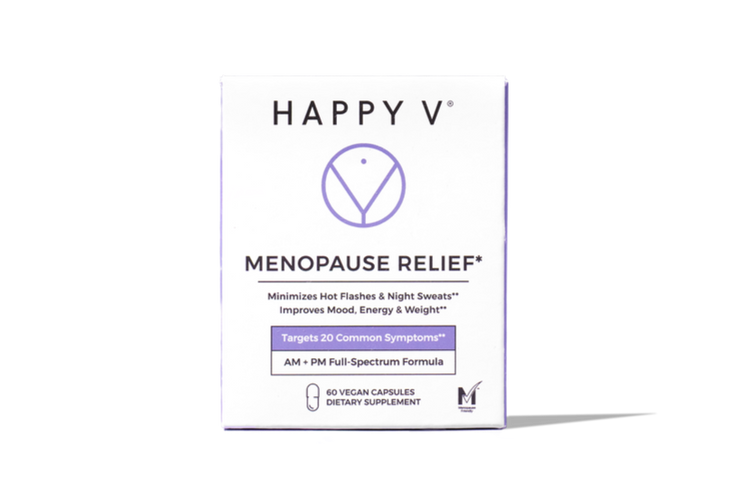
Menopause Relief AM + PM
Supports mood, energy and weight. Minimizes hot flashes and night sweats.
What Perimenopause Can Be Confused With

Because the symptoms are so varied, perimenopause is sometimes mistaken for other health conditions like:
- Thyroid disorders: Both hypothyroidism and hyperthyroidism can cause fatigue, mood changes, weight gain, irregular periods, and hot/cold intolerance8.
- Depression or anxiety disorders: Mood swings, sleep disruption, and concentration problems may be misdiagnosed as primary mental health conditions9.
- Pregnancy: Irregular periods, bloating, and breast tenderness can mimic early pregnancy, especially for women in their 30s and early 40s10.
- Polycystic ovary syndrome (PCOS): Irregular periods and hormone fluctuations may resemble PCOS, though PCOS usually begins earlier in life11.
- Chronic stress or burnout: Fatigue, poor sleep, and mood issues are sometimes attributed to stress rather than hormonal changes12.
Because of this overlap, it’s important to track symptoms, note changes over time, and consult a healthcare provider. Blood work or gynecological exams may help rule out other conditions.
Early Perimenopause: How to Know
While most women enter perimenopause in their 40s, some begin in their mid-to-late 30s. This is considered early perimenopause. It can be subtle at first and easy to overlook or misattribute to stress, lifestyle, or other health issues.
Signs that perimenopause may be starting early include:
- Periods that suddenly become irregular after years of consistency
- Hot flashes or night sweats in your 30s
- Noticeable mood swings, irritability, or new anxiety
- Changes in libido or vaginal dryness not explained by other causes
- Sleep problems that don’t respond to typical fixes
- A family history of early menopause
If you are ever concerned you are experiencing early menopause:
- Talk to your healthcare provider about your symptoms and medical history.
- Ask about blood tests, including FSH levels, though one test alone may not be conclusive.
- Rule out other conditions such as thyroid disease or PCOS.
Early perimenopause can happen naturally (and does in up to 5% of women), but it may also be linked to medical treatments such as chemotherapy, surgical procedures like hysterectomy or oophorectomy, or certain autoimmune conditions.
Identifying it early matters because it affects not only fertility but also long-term health risks such as bone density and cardiovascular disease.
Diagnosis and Testing
Perimenopause is most often diagnosed based on symptoms and menstrual changes13. However, in certain strains, healthcare providers may recommend tests including:
- Physical exam and medical history: To assess symptoms, bleeding patterns, and overall health.
- Blood tests: Measuring FSH, estradiol, or other hormone levels can help, but results vary from day to day.
- Endometrial biopsy or ultrasound: Used if abnormal vaginal bleeding raises concern for endometrial hyperplasia, fibroids, or cancer.
- Additional evaluations: Especially for women with prior hysterectomy or oophorectomy, since menstrual changes may not be a reliable guide.
If you’re experiencing abnormal vaginal bleeding (very heavy bleeding, bleeding between periods, or after sex), or if your symptoms interfere with daily life, it’s important to consult a healthcare professional.
Fertility and Pregnancy
Fertility naturally decreases during perimenopause, but pregnancy is still possible until menopause is reached. Ovulation becomes less predictable, yet eggs are sometimes still released, which means conception can and does occur, particularly in the earlier stages.
Because cycles are irregular, many women underestimate their chances of conceiving, which is why contraception is still recommended if you want to avoid pregnancy.
On the other hand, if you hope to conceive, timing can be challenging. According to Clinical Obstetrics and Gynecology, healthcare providers should discuss family planning during perimenopause, whether the goal is preventing an unexpected pregnancy or supporting conception before fertility fully declines14.
Health Risks and Complications
Perimenopause isn’t just about uncomfortable symptoms. It can also reveal or increase health risks, especially if estrogen levels drop significantly. It’s important to know these risks so you can take proactive steps to protect your health. Regular checkups, lifestyle changes, and early intervention can make a big difference in reducing complications down the road, like:
- Osteoporosis: Declining estrogen accelerates bone loss, raising fracture risk15.
- Cardiovascular disease: Risks of coronary artery disease, stroke, and cardiac events increase as protective estrogen levels fall and cholesterol levels change16.
- Endometrial cancer: Abnormal bleeding may signal issues that require prompt evaluation17.
- Breast cancer: Risk factors overlap with midlife hormonal changes, underscoring the need for routine screenings18.
- Urinary tract infections and vaginal atrophy: Thinning tissues make infections more likely19.
- Other risks: Autoimmune disorders, blood clots, and uterine fibroids may also be linked to this stage20.
This is why regular wellness visits are critical throughout perimenopause. Screenings, bone density scans, and lab tests can help identify issues early.
Management and Treatment Options
Managing perimenopause and protecting your quality of life often takes more than one solution21. It’s about finding the mix that works best for you. For some women, that might mean simple lifestyle changes like better sleep habits and regular exercise. For others, it could involve hormone therapy, supplements, or natural remedies to ease hot flashes, night sweats, or mood swings.
The good news? There are plenty of options, and with the right support, you can create a plan that helps you feel more balanced and in control during this transition.
Lifestyle Strategies
During perimenopause, it’s especially important to focus on:
- Nutrition: Prioritize calcium, vitamin D, and phytoestrogens (from soy, flaxseed, legumes) for bone and hormone support.
- Exercise: Combine weight resistance (for bones and muscle) with cardio (for heart health) and flexibility routines (like yoga).
- Stress and sleep management: Meditation, breathing exercises, and good sleep hygiene reduce symptom severity and improve energy.
Medical and Nonhormonal Options
If symptoms are interfering with your daily life, ask your doctor about how to can find relief through:
- Hormone replacement therapy (HRT): Estrogen or combined estrogen-progestin therapy may ease hot flashes, mood changes, and irregular bleeding22. Not every woman is a candidate, so evaluation is key.
- Nonhormonal medications: Antidepressants, gabapentin, or vaginal estrogen creams can target specific symptoms23.
- Alternative therapies: Black cohosh, acupuncture, and relaxation techniques are popular among women seeking natural relief24.
Natural Support
While lifestyle changes and medical treatments are important, many women also turn to supplements for extra relief during perimenopause. Look for supplements that include ingredients specifically studied for their ability to impact perimenopause symptoms, like:
- B vitamins (B6 & B12): For energy and mood regulation.
- Magnesium & zinc: For improved sleep and relaxation.
- Ashwagandha: To buffer stress and balance energy.
- Hop extract, red clover, and lignans: Plant compounds studied for hot flash and hormone support.
Happy V Menopause Relief AM + PM combines these proven ingredients into a unique dual-formula system. The AM formula supports focus, steady energy, and mood balance throughout the day, while the PM formula calms stress, eases night sweats, and encourages restorative sleep. Together, they provide around-the-clock relief exactly when your body needs it most.
Final Thoughts
Perimenopause can start in your 40s—or earlier—and may last several years before menopause begins. While symptoms can feel confusing and unpredictable, knowing what’s happening inside your body makes the journey less overwhelming.
By tracking symptoms, consulting with healthcare providers, and adopting a variety of supportive strategies, you can navigate this transition with resilience, balance, and confidence.
Perimenopause may be the beginning of the menopausal transition, but it can also be the start of a more empowered phase of health if you take the right steps early on.
Keep the Conversation Going
- Visit our blog for more women's health tips.
- Join our private Happy V Facebook group to hear from others who've been there.
- Explore supplements designed to support your vaginal health journey.
Disclaimer: This blog is for informational and educational purposes only and is not intended to diagnose, treat, cure, or prevent any disease. Statements about supplements have not been evaluated by the Food and Drug Administration. For more information about vaginal infections, visit the CDC or speak to a licensed healthcare provider.