

- Fact Checked
- December 23, 2025
- 11 min read
How to Increase Good Bacteria in Your Gut Naturally (Without Overcomplicating It)

- Written by Lenia Lopez • Updated on June 04, 2026
- Updated on June 04, 2026

Table of Contents
Table of Contents
In 400 BCE, Hippocrates was quoted as saying, “All disease begins in the gut.1” And you know what? He wasn’t exactly wrong. Your gut is home to trillions of microorganisms that influence digestion, immunity, metabolism— even your mood!
When beneficial bacteria are thriving, typically, so are you, with smoother digestion, more consistent energy, and fewer "random" stomach issues. When the balance shifts (which is often called dysbiosis), you may notice bloating, irregular bowel habits, food sensitivities, or that persistent "something's off" feeling.
The good news is you can support a healthier gut microbiome with a handful of science-backed habits—no extreme cleanse required.
This post is for informational purposes only and does not constitute medical advice. See full disclaimer below.
Gut Microbiome 101: What "Good Bacteria" Actually Do

Think of your gut microbiome as the ecosystem of your digestive tract2. A healthy digestive tract is typically dominated by two main beneficial bacteria: Lactobacillus and Bifidobacterium. These help you:
- Break down certain food components (especially certain fibers!)
- Produce helpful compounds that support a healthy gut lining
- Support immune system function
- Edge out less-helpful microbes for space and resources
This last part can be especially important. When beneficial bacteria are thriving, they tend to crowd out other, problematic bacteria that can cause bloating, inflammation, and other chronic digestive drama3.
When problematic bacteria do begin to overtake the gut microbiome, it can also affect other areas of your health, especially your energy and mental health, because the gut communicates directly with the brain through what’s known as the gut-brain axis.
10 Signs Your Gut Could Use More Support

There are many areas of health that can leave you guessing. Gut health isn’t one of them. When your gut is feeling stressed, it definitely lets you know.
Common signs your microbiome might be out of balance include:
- Persistent bloating and excess gas, especially after meals or throughout the day4
- Irregular bowel movements that disrupt your routine (this could be constipation, diarrhea, or alternating between both)5
- Fatigue that doesn't match your sleep quality or duration6
- Strong cravings for added sugars that feel impossible to control7
- Increasing food intolerances or sensitivities over time8
- More frequent illness or slow recovery from infections9
- Skin flare-ups like acne, eczema, or rosacea10
- Brain fog, low mood, or anxiety spikes without clear triggers: signs of gut-brain axis disruption11
- Unexplained weight changes despite consistent habits, potentially related to obesity risk12
- Abdominal discomfort or pain that disrupts your day13
While these symptoms could be a sign of general gut dysbiosis, they can also overlap with other, more serious conditions, like Clostridium difficile infections, small intestinal bacterial overgrowth (SIBO), irritable bowel syndrome (IBS), and inflammatory bowel disease (including Crohn's disease)14.
Be sure to make an appointment with your doctor right away if these 10 symptoms also occur with other symptoms like:
- Blood in stool
- Unintentional weight loss
- Persistent, severe pain
- Fever
What Depletes Good Gut Bacteria

Before we get into how to increase that good gut bacteria and relieve uncomfortable symptoms, let’s talk about what caused those levels to get depleted in the first place15. Some of these you can’t prevent, but others are totally within your control.
Medications (Especially Antibiotics)
Make no mistake, antibiotics can be essential and lifesaving, but they can reduce microbial diversity in the gut because they kill good bacteria along with bad16. Generally, it’s long-term or frequent use that has the biggest impact on gut health, but even a single course can temporarily shift your gut ecosystem and potentially lead to opportunistic infections.
Certain other medications also affect gut health, too, including:
- Acid blockers (PPIs)
- Regular NSAID (think: Motrin)
- Chemotherapy treatments
Poor Diet
Bacteria are living microorganisms, and the bad bacteria in your gut love to eat certain foods, especially:
- Refined sugar and added sugars
- Ultra-processed foods
- Artificial sweeteners
- Refined carbohydrates
- Alcohol, especially when it becomes routine
- Foods with pesticides
Lifestyle Factors
While no one can make the most healthy choice 100% of the time, when it comes to gut health, dialing down the biggest disruptors can go a long way in increasing healthy gut bacteria and lessening symptoms.
Lifestyle factors linked with poor gut health include:
- Chronic stress, which can disrupt the gut-brain axis and shift bacterial composition
- Poor sleep consistency that can throw off your microbiome’s circadian rhythms
- Sedentary days / low movement (low movement = low motility)
- Limited plant variety (same meals every day = less microbial diversity)
- Environmental toxins, including tobacco smoke and bacterial toxins from contaminated food
6 Ways to Increase Good Bacteria in Your Gut Fast

When it comes to boosting the beneficial bacteria in your gut, there isn’t one single magic strategy. Instead, it’s about incorporating a few simple, repeatable habits into your daily routine that will increase microbial diversity and help the helpful strains stick around. As for what those habits should be, science supports these six.
1) Go big on fiber (the #1 lever)
Fiber is the primary food source for beneficial gut bacteria, and the truth is, most people don’t get nearly enough17.
Increasing fiber is one of the most reliable ways to support a healthy gut microbiome, and it’s available in a variety of foods, including:
- Legumes: lentils, chickpeas, black beans
- Whole grains: oats, quinoa, brown rice, barley
- Vegetables: leafy greens, broccoli, carrots, peppers, cruciferous varieties
- Fruits: berries, apples (skin on!), pears
- Seeds & nuts: chia, flax, walnuts
Ideally, your long-term goal should be to get between 25-35 grams per day. But even if you’re an overachiever at heart, don’t try to meet this goal overnight. Sudden fiber jumps can actually increase temporary bloating while your gut adjusts. Start slow and work your way up!
2) Add prebiotics
The International Scientific Association for Probiotics and Prebiotics (ISAPP) officially defines a prebiotic as “a substrate that is selectively utilized by host microorganisms conferring a health benefit.18”
Basically, this means prebiotics are a food ingredient that good bacteria in your gut use to make fuel, which supports your gut health.
While you might not have ever heard of prebiotics before, they are available in everyday foods like:
- Garlic, onions, leeks
- Asparagus
- Slightly green bananas
- Apples
- Flaxseed and chia seeds
Even 1–2 prebiotic foods/day can make a meaningful difference in your gut health.
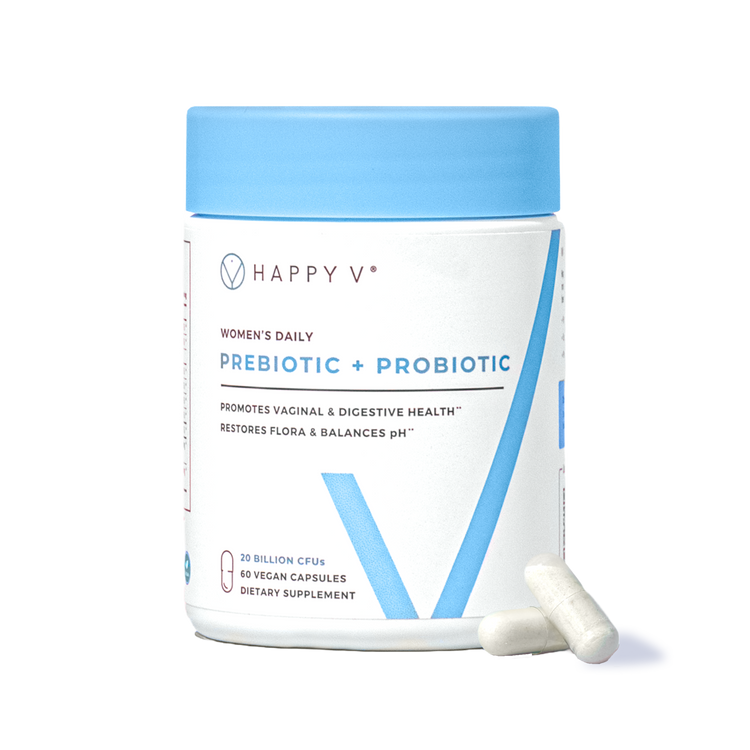 Bestseller
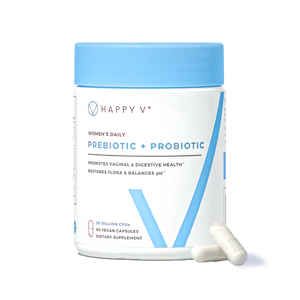
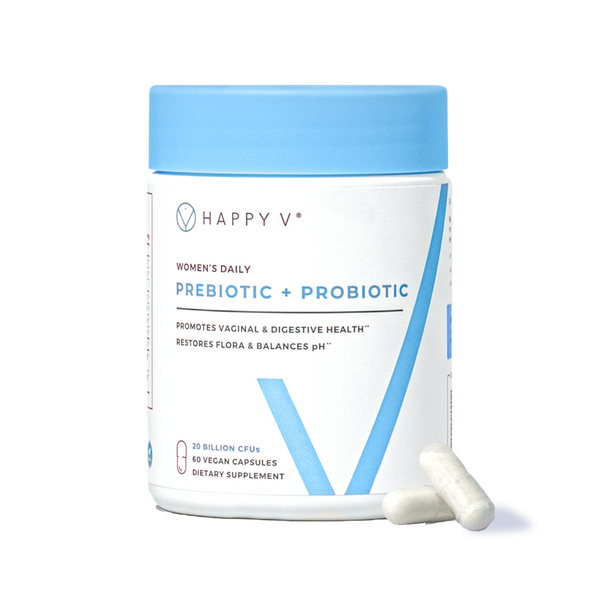
Prebiotic + Probiotic
Maintains vaginal pH and restores gut health.
3) Work in fermented foods
Fermented foods can add live microbes and support microbial diversity in your gut microbiota19.
Gut-friendly fermented options:
- Yogurt with live active cultures
- Kefir
- Kimchi or sauerkraut
- Miso
- Kombucha
If you’re thinking, “How am I going to eat a lot of those foods?” The good news is, you don’t really have to. Consistency beats intensity. Think “a forkful a day.” That’s all it takes to introduce beneficial bacteria directly to your gut.
4) Make smart diet swaps
Opportunistic bacteria and yeast love a steady stream of sugar and refined carbs20. You don’t have to give up all your favorite foods, but understand that certain swaps can really benefit your gut microbiome, especially:
- Swapping sugary snacks for fruit + nuts, yogurt
- Replacing refined grains with whole grains
- Building meals around plants + protein + healthy fats
Certain foods also have natural antimicrobial and anti-inflammatory properties. This means they can help keep bad bacteria in check. These foods include:
- Garlic
- Ginger
- Coconut oil
- Apple cider vinegar
- Turmeric
- Oregano
6) Take daily digestive enzymes
If food isn’t fully broken down up top, it can ferment further down, feeding opportunistic microbes and triggering uncomfortable bloating and gas21.
Digestive enzyme supplements can be a helpful add-on for people who feel heavy, overly full, or bloated after meals, especially if you are also increasing your fiber intake.
Digestive enzymes may support your gut ecosystem by:
- Helping break food down more completely so less reaches the lower intestine to ferment
- Supporting nutrient absorption so you actually benefit from all those diet swaps you’re making
- Reducing uncomfortable fermentation, which creates less fuel for opportunistic bacteria/yeast
- Supporting an environment where beneficial bacteria do better
- Making gut-health changes easier to stick
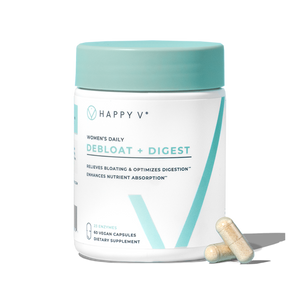
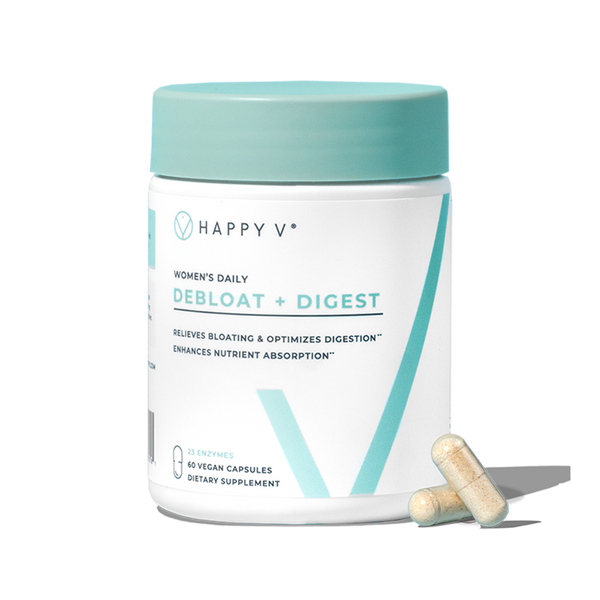
Happy V’s Debloat + Digest is doctor formulated with 23 unique enzymes to help reduce bloating and gas, while increasing overall digestive discomfort. It also includes ingredients like peppermint powder to reduce feelings of fullness, ginger extract to soothe your digestive tract, and sodium to relieve heartburn. And like all Happy V products, it’s free of GMOs, allergens, and anything artificial.
Lifestyle Habits That Improve Gut Health Microbiome

You can eat kale all day, but if you sleep four hours and live in fight-or-flight mode, your gut may not get the memo. Lifestyle changes take time, but they’re some of the highest-return moves you can make, not just for gut health but for overall wellness.
Prioritize Quality Sleep
Your gut microbes follow circadian rhythms just like you do. When your sleep schedule is erratic or insufficient, it throws off your microbiome's natural 24-hour cycle, leading to dysbiosis and inflammation22.
Research shows that sleep deprivation can reduce populations of beneficial bacteria while allowing potentially harmful species to flourish. Poor sleep hygiene also weakens your immune system function, making it harder for your body to maintain a healthy balance of bacteria in your digestive tract.
So basically, if you aren’t sleeping well enough or long enough, work to remedy that. Aim for 7-9 hours of sleep per night with consistent timing. Going to bed and waking up at roughly the same time each day helps synchronize your gut bacteria's rhythms. Even improving your sleep by one hour per night can positively shift your gut microbiota composition within weeks.
Manage Stress
When you're chronically stressed, your body releases cortisol and other stress hormones that directly impact your gastrointestinal tract, reducing beneficial bacteria and increasing gut permeability23.
The gut-brain connection is bidirectional, meaning stress affects your gut, and an unhealthy gut can worsen anxiety and mood issues24. This is why addressing stress is crucial for maintaining a healthy gut microbiome and supporting overall well-being.
You don't need an hour-long meditation practice to destress, either. Start small with 10 minutes of breathwork, gentle stretching, walking outside in nature, or a screen-free wind-down routine before bed.
Other effective stress-management techniques include journaling, spending time with people you love, listening to calming music, or practicing progressive muscle relaxation. Find what works for you and make it a consistent part of your daily routine.
Move Your Body
Regular physical activity supports gut motility (aka the movement of food through your digestive system) and may increase microbial diversity, one of the key markers of a healthy gut microbiome25. Physical activity also improves bowel movements, reduces constipation, decreases inflammation throughout the body, and promotes the growth of beneficial bacteria.
Aim for at least 150 minutes of moderate activity weekly. That breaks down to just 30 minutes, five days a week. Walking counts. Strength training counts. Dancing in your kitchen counts. Yoga counts. All that matters is that you find something you like to do and do it regularly. Even people who were previously sedentary can see noticeable improvements in their gut microbiota within just six weeks of starting a regular exercise routine.
Get Outside and Embrace Environmental Diversity
Outdoor exposure to diverse environments (think: plants, soil, nature) supports microbial diversity in your gut. Unfortunately, modern life has become increasingly sterile. We spend most of our time indoors, use antibacterial products constantly, and have minimal contact with the natural world. While basic hygiene is important, this over-sanitized lifestyle may be reducing our exposure to helpful environmental microorganisms that historically shaped human gut health.
Now, we aren’t saying you need to lick a tree or eat dirt. Simply spending time outside gardening, hiking, walking in parks, or even sitting in your backyard exposes you to a greater diversity of microbes.
Research shows that people who spend more time in natural environments and those who garden regularly have more diverse gut microbiomes compared to those who stay primarily indoors. Even 20-30 minutes in nature several times per week can make a measurable difference in your gut bacteria composition while also reducing stress and supporting mental health (win-win!).
Final Thoughts
If you want to increase good bacteria in your gut naturally, keep it simple: focus on fiber, lots of plant variety, and add a little fermented food. At the same time, dial back the ultra-processed, sugar-heavy stuff and support the basics that matter more than any “gut cleanse”—sleep, stress, and daily movement.
And if bloating or that overly-full feeling keeps derailing your best intentions, a digestive enzyme with meals (like Happy V’s Debloat + Digest) can make gut-friendly eating easier to stick with while you build long-term microbiome habits. We promise, even if you are feeling super uncomfortable now, those small, steady changes really do add up.
Keep the Conversation Going
- Visit our blog for more women's health tips.
- Join our private Happy V Facebook group to hear from others who've been there.
- Explore supplements designed to support your vaginal health journey.
Disclaimer: This blog is for informational and educational purposes only and is not intended to diagnose, treat, cure, or prevent any disease. Statements about supplements have not been evaluated by the Food and Drug Administration. For more information about vaginal infections, visit the CDC or speak to a licensed healthcare provider.