


- Fact Checked
- January 21, 2026
- 13 min read
What Causes BV? Risk Factors, Prevention & Vaginal Health Tips

- Written by Daniella Levy • Updated on July 23, 2026
- Updated on July 23, 2026

Table of Contents
Table of Contents
Bacterial vaginosis (BV) is incredibly common. And at the same time, it can feel like a total mystery. Bacterial vaginosis affects nearly 30% of women during their reproductive years, yet many don't realize what's triggering it.
While symptoms of bacterial vaginosis, like gray vaginal discharge and fishy smell, are caused by bacterial overgrowth, the root issue causing your infection is actually a shift in your vaginal microbiome, where a lack of protective lactobacilli has allowed harmful anaerobes to multiply.
Understanding this root issue and how to treat BV is what is going to help you end the bacterial vaginosis cycle and go from simply treating symptoms as they arise to actually supporting long-term vaginal health and women's health overall.
This post is for informational purposes only and does not constitute medical advice. See full disclaimer below.
What Is Bacterial Vaginosis?

Bacterial vaginosis develops when harmful anaerobic bacteria (anaerobes) outgrow beneficial lactobacilli1. How can they do this?
Well, in a healthy vagina, the beneficial bacteria Lactobacillus releases lactic acid2. This lactic acid maintains a vaginal pH of between 3.8 and 4.5, which forms a natural barrier against vaginal infections.
When lactobacilli levels decline (for reasons we'll get into later), there isn't enough lactic acid to maintain an optimal pH3. Instead, the vaginal pH rises above 4.5, creating an environment that favors the growth of different types of bacteria like Gardnerella vaginalis, Prevotella, and Atopobium—all anaerobes that thrive in less acidic environments. This disruption in the balance of bacteria is what causes bacterial vaginosis.
How BV Differs from Other Vaginal Infections
Bacterial vaginosis is often confused with other common vaginal infections, particularly yeast infections and trichomoniasis4. However, as many similarities as these infections have, there are key differences, too.
Bacterial Vaginosis vs. Yeast Infections

While both BV and yeast infections can cause serious discomfort, they're caused by different organisms5. A yeast infection is a fungal infection caused by Candida overgrowth, while bacterial vaginosis is caused by bacterial imbalance. The symptoms differ too: yeast infections typically cause thick, white discharge and intense itching, while BV produces thin, gray vaginal discharge with a fish-like odor.
You can read more about BV vs yeast infections here.
Bacterial Vaginosis vs. Trichomoniasis
Trichomoniasis (or trich) is a sexually transmitted infection (STI) caused by a parasite6. Both BV and trich can cause unusual vaginal discharge and odor, but trichomoniasis often includes more inflammation and itching. Other sexually transmitted infections, like chlamydia and gonorrhea, can also cause similar symptoms to BV. An STI screen will show the differences clearly, though.
You can read more about BV vs Trich here.
Why Accurate Diagnosis Matters
Because symptoms of BV can overlap with other conditions, it's important to see a healthcare provider for proper diagnosis rather than relying on DIY or over-the-counter treatment, since these infections require different forms of treatment to resolve7. Your provider will perform a pelvic exam and test your vaginal discharge and vaginal pH to determine the cause. Many gynecologists and women's health specialists will also perform a vaginal fluid test to confirm bacterial vaginosis.
Risk Factors: Who's Most Affected?
While any sexually active woman can develop bacterial vaginosis, certain groups face a higher risk8. Those at highest risk for BV include:
- Black women experience BV at higher rates than other racial groups, though researchers are still working to understand why
- Women with multiple sexual partners or new sex partners
- Sexually active women who don't use protection
- Women who douche regularly (douching significantly increases risk)
- Women with higher vaginal pH naturally
- Women using an IUD or other forms of contraception
Just because you fall into one of these groups doesn’t mean you’re doomed to recurrent BV. It just means you need to be even more mindful of the following triggers and take advantage of proven prevention strategies.
What Causes BV? The Main Triggers

The tricky thing about treating bacterial vaginosis, and especially recurrent BV, is that there isn't any one trigger9. Instead, in most cases, there are a variety of risk factors at play, and it's important to understand all the factors that may be influencing your own infections. The main bacterial vaginosis causes include:
Sexual Activity
BV is not exclusively a sexually transmitted infection (STI), but being sexually active is one of the biggest triggers for BV symptoms. Why?
Sexual activity (especially unprotected sex that involves exposure to semen) can shift the vaginal pH. That's because semen is alkaline with a pH around 7.2–8.010. This temporarily raises the pH of the vagina to make it easier for sperm to swim. However, frequent exposure to semen can make temporary swings not-so-temporary, reducing lactobacilli and creating room for BV-associated bacteria to move in.
Besides unprotected sex, other sex-related risk factors for bacterial vaginosis include:
- New sex partner or new sex partners
- Multiple sex partners or a higher number of sex partners
- Not using condoms or latex condoms during vaginal sex, oral sex, or anal sex
- Sex with female sex partners or partners who have vaginas
- The use of sex toys that haven't been cleaned properly
Many women wonder whether bacterial vaginosis is a sign that their partner (or male partners) is cheating. The answer is absolutely not. This is a common myth we dig into more in our separate blog post here.
Hormonal Fluctuations
Hormone levels directly shape your vaginal microbiome, so when hormone levels shift, the microbiome shifts right along with them11. Hormone changes can significantly impact your vaginal flora and increase the risk of BV.
Common hormonal triggers and risk factors that can lead to bacterial vaginosis include:
- Menstrual cycles (pH rises during menstruation)
- Pregnancy and postpartum changes
- Menopause (lower estrogen reduces lactobacilli levels)
- Hormonal contraception or birth control like birth control pills or IUDs (intrauterine devices)
- Hormone replacement therapies
- Recent hysterectomy
Douching and Scented Products
While douching is often seen as a way to clean your vagina and stay fresh, the reality is that douching removes protective bacteria and disrupts pH, often leading directly to bacterial vaginosis, which is why almost all healthcare providers advise against it12. A healthy vagina is self-cleaning, and douching does far more harm than good. Not douching is one of the simplest and most effective prevention strategies and significantly lowers your risk of BV.
Similarly, perfumed products and scented soaps often contain harsh chemicals, which can disrupt the protective lactobacilli in your vagina13. The most common products include:
- Scented soaps or body washes
- Vaginal deodorants or sprays
- Perfumed menstrual products
- Bubble baths with added fragrances
If you ever do want to clean your genital area, stick to the vulva (that's the outside part!) and use mild, unscented soap only. This is a key part of healthy vaginal and vulvar care.
Antibiotic Use
Broad-spectrum antibiotics (including medications like metronidazole and clindamycin that are sometimes used to treat bacterial vaginosis) don't just target the bad bacteria14. They also eliminate the good bacteria in your vagina that protect you from infection.
Are there times when antibiotic use is absolutely necessary and even life-saving? Totally15. But if you have a history of recurrent bacterial vaginosis, take precautions. Using vaginal probiotics during and after antibiotic courses helps restore the microbiome more quickly and can prevent the bacterial imbalance that leads to recurring vaginal infections like yeast infections or another bout of BV.

Smoking and Stress
Research consistently links smoking to a higher risk of developing bacterial vaginosis16. Chemicals in cigarettes interfere with lactobacilli activity and weaken vaginal immunity, making it harder for your body to maintain balance.
Chronic stress also alters hormone levels and immune responses, making it tougher to maintain a stable microbiome17. Managing stress isn't just good for your mental health; it's essential for your vaginal health too.
Diet and Hygiene
What you eat and how you care for your body play a bigger role in vaginal health than most people realize18. A diet high in sugar and processed foods can feed harmful bacteria, while fermented foods can support the beneficial lactobacilli your vagina needs to stay balanced.
Foods and habits that support vaginal health include:
- Eating foods with beneficial bacteria like yogurt, kefir, sauerkraut, and kimchi
- Drinking plenty of water (think: 6-8 glasses a day) to support overall tissue health
- Limiting refined sugar and processed carbohydrates
- Wearing breathable cotton underwear instead of synthetic materials
- Avoiding tight clothing that traps moisture
- Changing out of wet or sweaty clothing like swimsuits and workout gear promptly
- Wiping front to back after using the bathroom
These seemingly small choices create an environment where your microbiome can thrive, making it much harder for BV-causing bacteria to take over.
Understanding Recurrent BV
For some women, bacterial vaginosis isn't a one-time issue—it's a recurring problem. Recurrent BV (also called chronic BV) is defined as having three or more episodes in one year, and it affects about 50-60% of women who've had BV.
Why Does Bacterial Vaginosis Keep Coming Back?
Several risk factors contribute to recurrence, including:
- Continued douching even after treatment (this is a top cause, actually!)
- New sex partners or changes in sexual activity with sexual partners
- Incomplete restoration of healthy lactobacilli levels (aka ongoing microbiome imbalance)
- Use of an IUD (intrauterine device)
- Underlying conditions that weaken the immune system
Treatment for Recurrent Bacterial Vaginosis
If you're dealing with recurrent BV, your healthcare provider may recommend:
- A long-term course of antibiotics like metronidazole or clindamycin (such as an antibiotic gel used twice weekly for several months)
- A vaginal fluid test to identify specific bacterial strains
- Treatment adjustments based on your symptoms and history
- Daily vaginal probiotics to restore and maintain healthy bacteria levels
The inflammation and itching associated with chronic bacterial vaginosis can be frustrating, but with the right treatment approach and prevention strategies, most women can break the cycle.
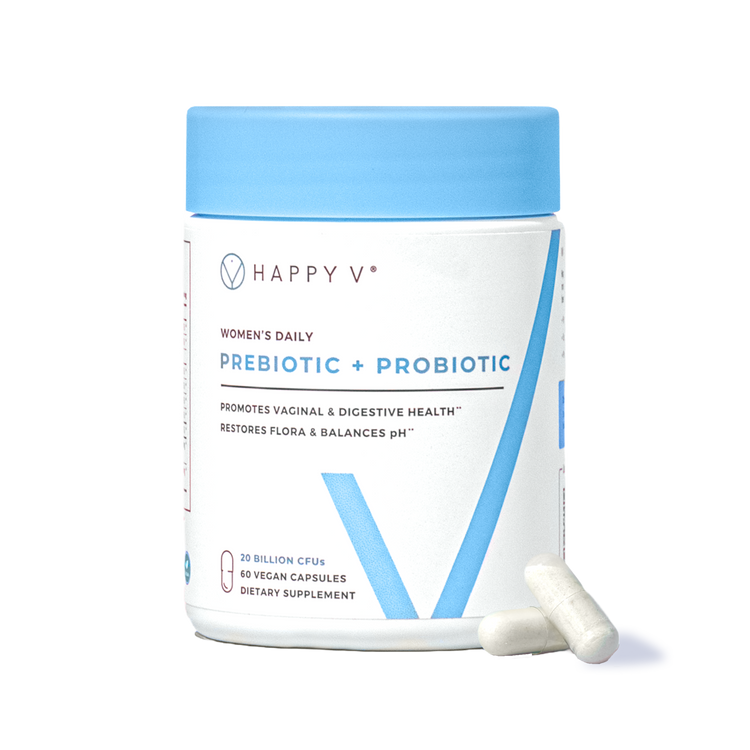 Bestseller
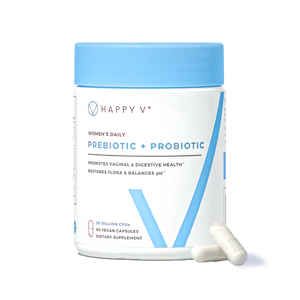
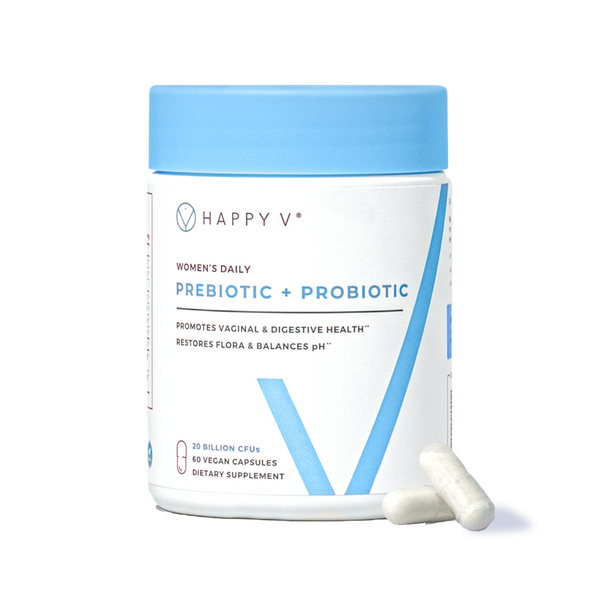
Prebiotic + Probiotic
Maintains vaginal pH and restores gut health.
Complications of Untreated BV

While bacterial vaginosis might seem like just an annoying infection, leaving it untreated can lead to serious complications, especially during pregnancy19.
BV and Pregnancy Risks
Pregnant women with untreated bacterial vaginosis face an increased risk of:
- Preterm birth (delivering before 37 weeks)
- Low birth weight babies
- Miscarriage
- Chorioamnionitis (infection of the fetal membranes)
- Increased risk of cerebral palsy in premature infants
If you're pregnant and experiencing symptoms of any sort of vaginal infection, don't wait. See your healthcare provider right away. Treatment with antibiotics during pregnancy is safe and significantly reduces these risks.
Other Complications
Even if you aren’t pregnant, if left untreated, bacterial vaginosis can also increase your risk of:
- Pelvic inflammatory disease (PID), which can affect the uterus and fallopian tubes
- Increased susceptibility to sexually transmitted infections (STIs), including HIV transmission
- Higher risk of contracting chlamydia, gonorrhea, and other STIs
- Infertility due to untreated pelvic inflammatory disease
- Post-surgical infections after gynecological procedures
How to Prevent BV

It may seem counterintuitive, but the best way to prevent bacterial vaginosis is actually not to focus on the infection-causing bacteria but the protective lactobacilli that maintain your vaginal pH.
Here's how you can do that:
Take Daily Vaginal Probiotics
Those protective lactobacilli we keep going on about? They're actually probiotics! That means probiotics that contain certain strains of Lactobacillus can help to restore the levels of good bacteria you need to20:
- Produce protective lactic acid
- Generate hydrogen peroxide that naturally suppresses harmful bacteria
- Maintain a stable acidic environment that prevents overgrowth
Not all strains of Lactobacillus are created equal, though. Only certain strains have been shown in clinical studies to support vaginal health. These include:
- Lactobacillus acidophilus LA-14®
- Lactobacillus rhamnosus HN001™
- Lactobacillus crispatus CCFM1110™
- Lactobacillus gasseri HLG13™
- Lactobacillus reuteri HR7™
Happy V's Prebiotic + Probiotic was doctor-formulated for vaginal health, so it contains all these clinically studied strains at their clinically effective doses21. In a preclinical study, our unique formula was actually proven effective against Gardnerella overgrowth (the main bacterial overgrowth associated with bacterial vaginosis). It's also vegan and free of GMOs and major allergens, meaning you get all of the vaginal health support without any harmful fillers.
Practice Gentle Hygiene
A healthy vagina is actually self-cleaning, so vaginal hygiene is relatively simple and comes down to a few key practices22. Namely:
- When cleaning, use warm water and mild, unscented soap on external areas only
- Skip douching entirely—your vagina doesn't need internal cleaning, and douching is a major risk factor
- Always wipe front to back after using the bathroom
- Change out of wet clothing like swimsuits or workout gear promptly
- Choose breathable cotton underwear over synthetic materials
- Avoid tight clothing that restricts airflow
- Avoid vaginal deodorants and scented products
Use Protection During Sex
Because frequent exposure to semen can mess with your vaginal pH, barrier methods like condoms provide partner protection and can be a key piece of protection against bacterial vaginosis23. Using condoms during vaginal sex, oral sex, and anal sex with sexual partners helps maintain your vaginal pH balance.
Also, if you use sex toys, clean them thoroughly after every use and cover them with a fresh condom when shared between partners. Consider using dental dams for additional protection during oral sex.
For some women, limiting your number of sex partners or not having sex temporarily during treatment can help reduce recurrence.
Make Lifestyle Adjustments
These small shifts don't just support your vaginal health but your overall wellness:
- Quitting smoking (or cutting back significantly)
- Managing stress through regular exercise, meditation, or therapy
- Eating foods rich in healthy bacteria like yogurt, kefir, and fermented vegetables
- Staying hydrated to support overall vaginal tissue health
- Limiting sugar intake, which can feed harmful bacteria
When to See a Healthcare Provider
If you're experiencing symptoms like unusual vaginal discharge, fishy smell, itching, or burning, schedule an appointment with your healthcare provider. While over-the-counter vaginal supplements can support your microbiome and provide symptom relief, symptomatic bacterial vaginosis typically requires antibiotics to clear the overgrowth. Home treatment approaches work best as prevention, not primary treatment.
And while BV is super common, don't ignore recurring infections. If you've had bacterial vaginosis three or more times in a year, work with your healthcare provider to identify underlying triggers and develop a comprehensive prevention strategy. This may include prescription treatments alongside supportive vaginal health supplements like probiotics for long-term management. Sexual health clinics can also provide additional resources and support.
Final Thoughts
Understanding what causes bacterial vaginosis puts you in the driver's seat when it comes to your vaginal health. While some triggers like hormonal changes are beyond your control, many others, like ditching the douche, choosing breathable underwear, and supporting your microbiome with probiotics, are totally within your power.
The key is consistency. Prevention isn't about perfection; it's about making choices that support your body's natural balance of bacteria over time. With the right information and tools, you can significantly reduce your risk of recurring bacterial vaginosis and feel comfortable and confident every single day.
Keep the Conversation Going
- Visit our blog for more women's health tips.
- Join our private Happy V Facebook group to hear from others who've been there.
- Explore supplements designed to support your vaginal health journey.
Disclaimer: This blog is for informational and educational purposes only and is not intended to diagnose, treat, cure, or prevent any disease. Statements about supplements have not been evaluated by the Food and Drug Administration. For more information about vaginal infections, visit the CDC or speak to a licensed healthcare provider.