


- Fact Checked
- January 23, 2026
- 10 min read
Can Yeast Infections Cause Bumps?

- Written by Daniella Levy • Updated on July 24, 2026
- Updated on July 24, 2026

Table of Contents
Table of Contents
Discovering bumps in your vaginal area can feel… pretty unsettling, to say the least. If you've been struggling with recurrent yeast infections, you may wonder if the two are related. So can yeast infections cause bumps? They can, though they are almost always accompanied by other symptoms, like itching and cottage cheese-like discharge.
Understanding what yeast infection bumps actually look like—and what else could be causing them—helps you figure out your next move and get back to feeling like yourself, and luckily, that's exactly what we're talking about today.
This post is for informational purposes only and does not constitute medical advice. See full disclaimer below.
What Is a Yeast Infection?
A yeast infection (or vaginal candidiasis, if we're being technical) happens when yeast—typically Candida albicans, a type of fungus—multiplies way faster than usual1, overtaking the vaginal microbiome and causing symptoms. This fungal infection can also appear in other areas where skin conditions develop, particularly in warm, moist skin folds.
Even healthy vaginas contain yeast, but antibiotics, hormonal changes, too much moisture, and stress can tip the scales, disrupting the levels of good bacteria and allowing Candida overgrowth2. Certain factors, like a weakened immune system or use of corticosteroids, can also increase your risk.
Around 75% of women will deal with at least one vaginal yeast infection in their lifetime, so if that's you, you're far from alone3. Most cases are mild and treatable, but the symptoms can definitely interrupt your comfort and daily routine until you address them.
Does a Yeast Infection Cause Bumps?

Yes, yeast infections can absolutely cause bumps4. Excessive yeast can irritate the delicate tissues of the vulva or labia, causing small, raised areas5. This is one of the symptoms of a yeast infection that often catches women off guard.
Women with yeast infection bumps normally describe them as:
- Small red or white raised spots on the vulva or labia
- Tiny pimple-like bumps that might contain fluid
- Swollen, irritated patches of skin that look raised
- Rash-like clusters of small bumps
These bumps can be tender or itchy, and are normally smaller than a pea and group together rather than being isolated. They also usually don't show up alone. They're typically accompanied by other classic symptoms of a yeast infection, like:
- Intense vaginal itching or itchiness in the genital area
- Inflammation or redness
- Burning sensation during urination or sex
- Thick, white discharge that resembles cottage cheese
What Else Could Cause Bumps in the Vaginal Area?

If the bumps you're experiencing are not like the ones we just described—maybe they're in the vaginal canal, for example, or maybe they're bigger and flesh-colored—something besides a yeast infection is likely at play. Several skin conditions and infections can cause similar-looking bumps.
The most common causes for bumps in the vaginal area include:
Genital Herpes
Genital herpes presents as painful blisters that eventually burst and form ulcers6. Unlike yeast infection bumps, herpes outbreaks may come with flu-like symptoms, including fever, body aches, and swollen lymph nodes7. The blisters are typically more painful than itchy, and they tend to appear in clusters. Herpes is a sexually transmitted infection (STI) that spreads through sexual contact with an infected sexual partner8.
Genital Warts
These flesh-colored or gray bumps are caused by certain strains of HPV9, another sexually transmitted infection10. They're typically painless and can appear as single bumps or in clusters that sometimes resemble cauliflower. Unlike yeast bumps, genital warts don't usually itch or burn, and they persist without treatment.
Folliculitis
This skin infection happens when hair follicles become inflamed or infected, often showing up after shaving, waxing, or wearing tight clothing11. The bumps look like small pimples or pustules, usually with a hair visible in the center. They're typically tender to touch and may appear along the bikini line or other areas where hair removal occurs.
Contact Dermatitis
Contact dermatitis creates a red, itchy rash when your skin reacts to irritants like scented soaps, laundry detergents, fabric softeners, or synthetic fabrics12. The rash often appears where the irritant touched your skin and may include small bumps, hives, or patches of dry, scaly skin. The itching can be intense, but you typically won't see the thick white discharge associated with yeast infections.
Bartholin's Cyst
A Bartholin's cyst appears as a lump near the vaginal opening, usually on one side. These cysts form when the Bartholin's glands (which provide vaginal lubrication) become blocked13. They're typically painless and may go unnoticed unless they grow larger or become infected, at which point they can become quite painful and may require medical drainage14.
If your bumps don't come with itching or vaginal discharge, or if they're getting worse quickly, it's time for a professional exam.

How Are Yeast Infections Diagnosed?
With so many potential causes of bumps, it's important to get an accurate diagnosis as to what's causing them. Even if you've had yeast infections in the past, if you suspect they're causing bumps now, it's best to confirm with a healthcare provider or healthcare professional specializing in women's health or gynecology.
When you go in for an appointment, your healthcare provider will ask about your symptoms, previous infections, recent antibiotic use, and hygiene habits. They'll perform a pelvic exam to observe your vulva and vagina, and collect a vaginal discharge sample for microscopic evaluation.
If you have a history of recurrent yeast infections, they may also perform a culture to determine which type of Candida is causing your infection to prescribe more targeted antifungal medications.
Treatment Options for Yeast Infections

If your doctor confirms a yeast infection, they will likely recommend one of the following treatment options, depending on how severe or frequent your infections are.
Over-the-Counter Antifungals
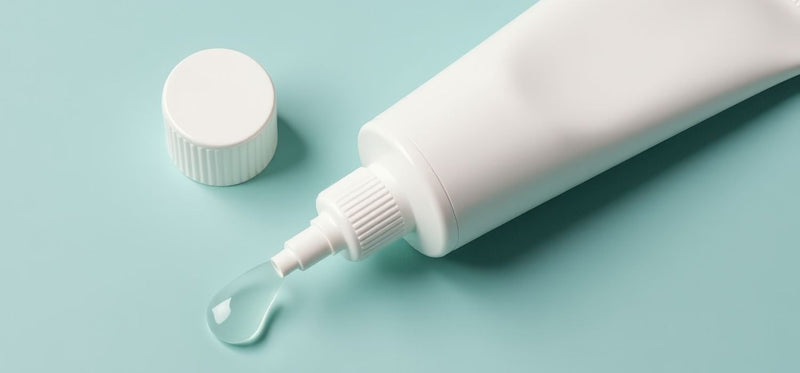
Clotrimazole and Miconazole, commonly found in the pharmacy under brand names like Monistat, are over-the-counter options available without a prescription and typically work within 1–7 days15. These antifungal creams come as creams, ointments, or suppositories that you insert into the vagina, and they're effective for most uncomplicated yeast infections16.
Prescription Oral Medications
Fluconazole is a single-dose or multiple-dose oral antifungal medication that's convenient and effective17. Your provider might prescribe one 150mg tablet for a simple infection, or multiple doses spread over several days for more stubborn cases. It's often preferred because there's no messy application—you just swallow a pill and let it work throughout your system, including the digestive system, where Candida can also live.
Prescription Topical Treatments
Terconazole and Butoconazole are stronger topical antifungal options that usually require 3–7 days of use18. These prescription-strength treatments are helpful when over-the-counter options haven't worked or when you're dealing with a more resistant strain of yeast. Your provider may recommend these if you have recurrent infections or more severe symptoms19.
Extended Therapy
For recurrent infections, long-term suppression therapy over several weeks may be necessary. This typically involves taking a weekly dose of fluconazole for up to six months to keep yeast levels in check while you work on addressing underlying causes. This should not be something you attempt yourself by taking multiple over-the-counter treatments back to back. Instead, your provider will create a personalized plan based on how frequently you're experiencing infections.
Vaginal Probiotics
While probiotics aren't a treatment if you're actively experiencing yeast infection bumps, they can address the underlying cause and help keep infections from coming back.
Certain strains of Lactobacillus have been shown in clinical studies to support vaginal health by maintaining optimal pH levels and crowding out harmful yeast20. These strains include:
- Lactobacillus acidophilus LA-14®
- Lactobacillus rhamnosus HN001™
- Lactobacillus crispatus CCFM1110™
- Lactobacillus gasseri HLG13™
- Lactobacillus reuteri HR7™
Strain specificity matters, since not all strains of Lactobacillus acidophilus, for example, are shown to have any benefit to vaginal health.
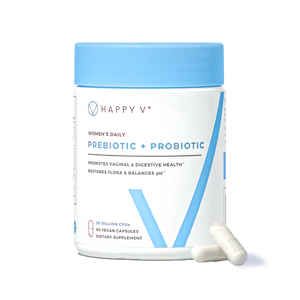
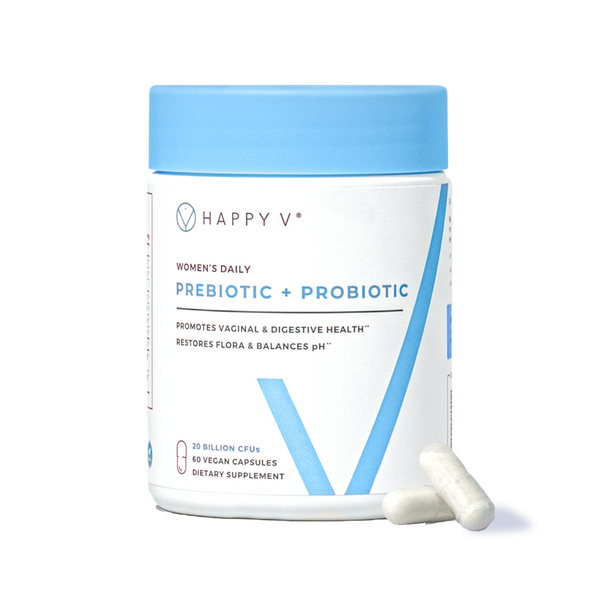
Happy V's Prebiotic + Probiotic is doctor-formulated for long-term vaginal wellness, meaning it includes all of these clinically studied strains at their clinically effective dose. In fact, preclinical data of Happy V's unique blend showed effectiveness against Candida growth, making them the ideal supplement to take alongside over-the-counter or prescribed antifungals when treating yeast infections.
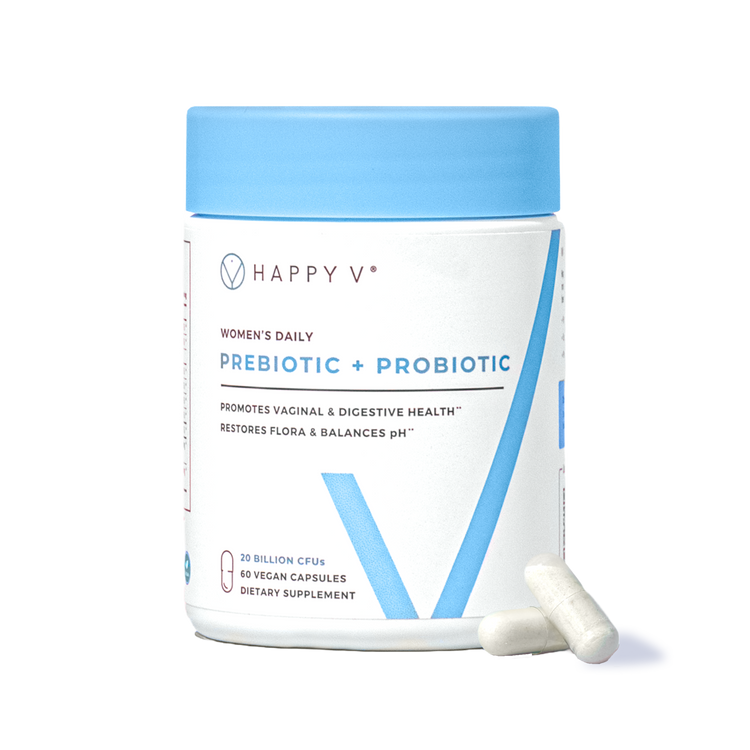 Bestseller
Prebiotic + Probiotic
Maintains vaginal pH and restores gut health.
Yeast Infection Prevention Strategies That Actually Work
Prevention is the best treatment, as they say. That means once your symptoms clear up, the real work begins: keeping those bumps from coming back.
Here are some simple, proven prevention strategies against yeast infections and related conditions like bacterial vaginosis and vaginitis:
During Treatment
Yes, you can start thinking about preventing future infections while still treating your current one! To most effectively clear a yeast infection:
- Complete the full antifungal course, even if symptoms improve
- Avoid sexual activity until a week after treatment ends
- Change your underwear daily and wash in hot water
Daily Habits and Hygiene
Smart everyday choices make a big difference in preventing yeast overgrowth. These include:
- Choose breathable cotton underwear vs synthetic nylon or silk
- Change out of sweaty or wet clothing (think: workout gear or swimsuits) ASAP
- Wash the vulva and genital area gently with mild, unscented soap
- Skip the douching and perfumed products
- Change tampons frequently during menstruation
Diet and Lifestyle
It's important to remember that all systems of your body are connected, meaning what you eat and how you live directly impacts every system of the body, including your reproductive system. The best tips for preventing yeast infections include:
- Limit sugar (it's yeast's favorite food!)21
- Add fermented foods like yogurt and kefir to your diet22
- Manage stress (it affects a lot more than your mental health!)
- Continue using daily vaginal probiotics like Happy V's Prebiotic + Probiotic even after treatment
Home Remedies and Natural Support
While home remedies shouldn't replace medical treatment for active infections, supporting your body's natural defenses can help prevent future issues. Probiotics, a balanced diet, and proper hygiene create an environment where good bacteria thrive and keep Candida in check.
When to See a Healthcare Provider
You should reach out to your provider if your bumps are painful, large, spreading, or accompanied by fever or pelvic pain. You should also call if your bumps stick around after you've completed antifungals, since that's a pretty good indicator that yeast was not the underlying cause.
Dealing with recurrent yeast infections (that's three or more per year, FYI) also requires medical evaluation for long-term management strategies. And if you're pregnant or have a weakened immune system, talk with a healthcare provider before using any treatment. Pregnant women should be mindful that the typical advice is to not insert anything into the vagina (like over-the-counter antifungals) while pregnant.
The most common symptoms like bumps, itching, and unusual discharge can also indicate other conditions like cutaneous candidiasis (a skin infection caused by Candida), thrush (oral candidiasis), or even an STI, which is why proper diagnosis is so important.
Final Thoughts
Bumps in your vaginal area can feel alarming, but understanding what's happening helps you take control. The good news? Most yeast infection bumps clear up quickly with the right treatment, and with consistent prevention strategies, you can significantly reduce your chances of dealing with them again.
Remember that your vaginal health is a whole ecosystem, and keeping it balanced takes more than just treating symptoms as they pop up. Supporting your microbiome with clinically proven probiotics, making smart hygiene choices, and listening to your body when something feels off makes all the difference. You deserve to feel comfortable and confident in your body every single day, and with the right approach, you absolutely can.
Keep the Conversation Going
- Visit our blog for more women's health tips.
- Join our private Happy V Facebook group to hear from others who've been there.
- Explore supplements designed to support your vaginal health journey.
Disclaimer: This blog is for informational and educational purposes only and is not intended to diagnose, treat, cure, or prevent any disease. Statements about supplements have not been evaluated by the Food and Drug Administration. For more information about vaginal infections, visit the CDC or speak to a licensed healthcare provider.