



- Fact Checked
- January 19, 2026
- 9 min read
How to Treat Vaginitis at Home: Natural Remedies That Work

-
Written by
Hans Graubard
• Updated on June 04, 2026

Dietary supplement manufacturing, regulatory and product development, and DTCt; leadership experience...
- Updated on June 04, 2026
Table of Contents
Table of Contents
Vaginal discomfort has a way of throwing your whole day off track. When itching, unusual vaginal discharge, or inflammation of the vagina show up uninvited, you want relief that actually works. What you don't want, though, is another trip to urgent care. This is where natural remedies can come in—but only if they're backed by science.
Here, we're breaking down the science-backed home remedies for vaginitis, a condition that brings inflammation, burning, and straight-up discomfort to millions of women every year. Because while severe or recurrent vaginal infections warrant a trip to the doctor, many women can find relief from vaginitis through practical home treatments that support women's health.
This post is for informational purposes only and does not constitute medical advice. See full disclaimer below.
What Is Vaginitis and Why Does It Happen?

Vaginitis (also called vulvovaginitis when it affects both the vagina and vulva) is inflammation or infection in the vagina that causes itching, burning, abnormal discharge, or discomfort during urination or sex1. Basically, it's the definition of no fun.
Common symptoms of vaginitis include:

- Itching or irritation in the vaginal area and vulva
- Burning sensation, especially during urination or sex
- Unusual vaginal discharge (changes in color, consistency, or smell)
- Redness or swelling of the vulva or vagina
- Vaginal discomfort or soreness
- Fishy or unpleasant odor
There's no one cause of vaginitis. Instead, it can be caused by a variety of things. The most common causes of vaginitis include:
- Bacterial imbalance
- Yeast overgrowth (Candida)
- Hormonal changes, especially during menopause when estrogen levels drop
- Irritation from hygiene products (especially scented ones!)
Vaginitis is a broad term, though. Under the vaginitis umbrella are several particular infections2. The most common cause of vaginitis is bacterial vaginosis (BV), followed by yeast infections (vaginal candidiasis), and trichomoniasis, which is a sexually transmitted infection (STI).
Can You Actually Treat Vaginitis at Home?
Absolutely. Many mild to moderate cases respond well to natural remedies3. The trick is to catch and address symptoms early and to only use remedies that are rooted in science (not the latest TikTok trend).
If you are experiencing severe symptoms that are interfering with daily life, are having recurrent episodes of vaginitis (think: three or more a year), or are experiencing fever, bleeding, or persistent pain, skip the home remedies and head straight to your healthcare provider4. Pregnant women or those experiencing symptoms of vaginitis for the first time should also check in with a healthcare professional or gynecologist.
Natural Remedies for Vaginitis That Actually Work
Successful home treatments are rooted in sound research5. And in the age of internet wellness and social media, determining what's helpful, what's harmful, and what's just hype can be tricky, to say the least. So let us make it easy. Here are the top natural remedies for vaginitis that are supported by real science.
Vaginal Probiotics

Whether your vaginitis is caused by bacterial vaginosis or a yeast infection, they both have the same root cause: bacterial imbalance6. Your vaginal microbiome has too few probiotics and too many bad microbes.
When it comes to vaginal health, beneficial probiotic strains like Lactobacillus rhamnosus, Lactobacillus reuteri, and Lactobacillus acidophilus are key players7. They produce lactic acid, which maintains the acidic pH that keeps harmful organisms in check. Daily probiotic supplements that are formulated for vaginal health and contain these key strains can help restore the levels of Lactobacillus in your microbiome, balancing your vaginal pH and boosting your body's natural defenses.
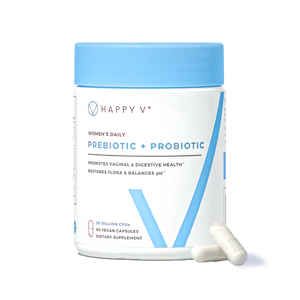
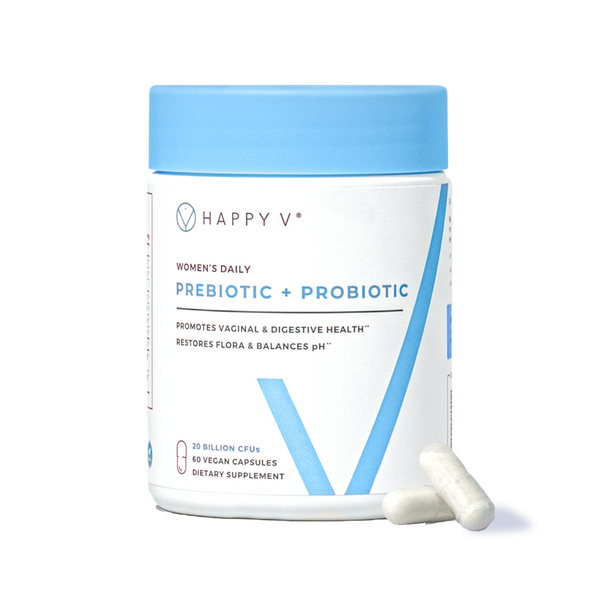
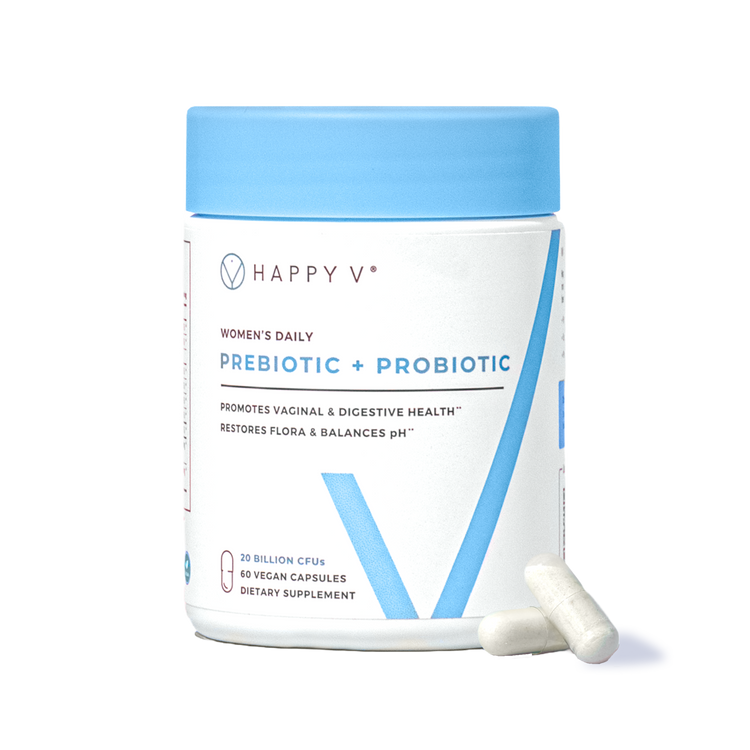
Happy V's Prebiotic + Probiotic was doctor-formulated with vaginal health in mind, meaning it only included clinically studied strains of Lactobacillus at their clinically effective doses8. In preclinical studies, our unique formula demonstrated significant activity against both Gardnerella (the primary bacteria behind bacterial vaginosis) and Candida (the yeast responsible for those uncomfortable yeast infections), proving that these capsules actually do what they say they'll do: promote a healthy microbiome and long-term vaginal health.
 Bestseller
Prebiotic + Probiotic
Maintains vaginal pH and restores gut health.
Boric Acid Suppositories
If you've struggled with recurring vaginitis, you are probably more than familiar with boric acid. Intravaginal boric acid suppositories are one of the most popular home remedies for vaginitis, but the truth is, while boric acid suppositories can help to get bacterial or yeast overgrowth in check and alleviate symptoms, they don't help address the root cause of vaginitis, which is an imbalance of good bacteria9. Vaginal suppositories containing boric acid can also cause minor burning or irritation.
So while boric acid can be a helpful home tool for finding short-term symptom relief, it cannot provide long-term balance.
What Dietary Changes Help With Vaginitis?

Your daily food choices don't just play a role in your cardiovascular health, but also your vaginal health. The foods you eat feed the bacteria in your vaginal microbiome, so the question is: are you feeding the good guys or the bad guys?
Foods to Avoid
Sugar is yeast's best friend, so a diet high in the following can increase your chances of vaginitis:
- Sweets and sugary drinks
- Refined carbohydrates (white bread, pasta, pastries)
- Alcohol
- Yeasty foods like bread and beer
- Spicy foods (if they aggravate your symptoms)
Foods to Embrace
Whole foods support a balanced vaginal microbiome, particularly those from the following groups:
- Vegetables (especially leafy greens)
- Whole grains
- Lean proteins
- Garlic (natural antifungal properties)
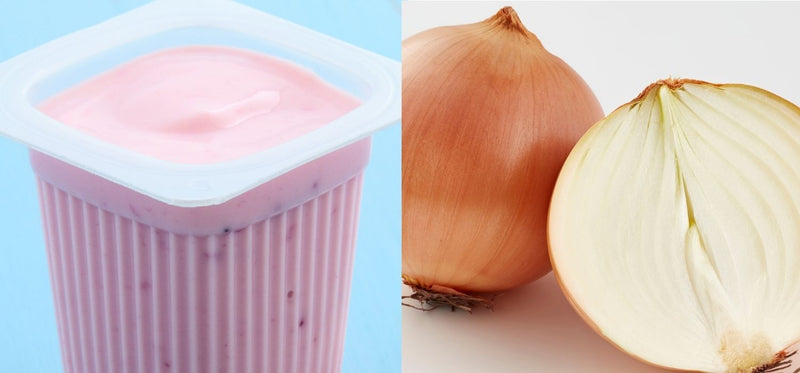
- Fermented foods: kimchi, miso, kombucha, and unsweetened yogurt with live cultures
Along with these foods, be sure to drink plenty of water to regularly flush bad bacteria from your system.
For more on the link between diet and vaginal health, check out our The Best and Worst Foods For Vaginal Health.
How Do Over-the-Counter Treatments Compare?
If your vaginitis is due to a yeast infection, over-the-counter (OTC) antifungal creams are available at most major pharmacies10. They're reliable, accessible, and typically knock out yeast infections within 3-7 days, but as we mentioned with boric acid earlier, they don't treat the imbalances at the root of the infection. Many women find that over-the-counter antifungal treatments work best in conjunction with a natural remedy like daily probiotic supplements.
It's also important not to self-diagnose your symptoms. Symptoms of a yeast infection can mimic those of bacterial vaginosis, but both need different treatments to resolve effectively. That's why, when it comes to disruptive symptoms, it can be best to see a healthcare provider for an accurate diagnosis and treatment. Your health care provider can prescribe medications like metronidazole for bacterial vaginosis or stronger antifungal treatments when needed.
What Should You Avoid When Treating Vaginitis?
While certain things help alleviate vaginitis, others only prolong your symptoms or even make things worse. At the top of that list is douching. You should never douche, especially if you're having vaginal symptoms. Douching strips away protective bacteria and messes with your pH, often leading to recurring vaginal infections. In fact, douching is one of the most common causes of bacterial imbalance and has been linked to increased risk of sexually transmitted infections (STIs), pelvic inflammatory disease, and other complications. You can read more about the harms of douching in our separate blog here.
Other things to skip include:
- Scented soaps or bubble baths
- Feminine sprays and vaginal sprays
- Scented tampons or pads
- Tight clothing or synthetic underwear that traps moisture
- Hanging out in wet swimsuits or sweaty workout clothes
- Harsh chemical or perfumed products anywhere near your genital area
Instead, opt for cleaning the external area (the vulva and labia) with warm water and mild unscented soap, wearing breathable cotton underwear, and changing underwear promptly after exercise or swimming. These simple hygiene practices support vaginal health without disrupting your natural balance.
For women experiencing vaginal dryness, especially during menopause when estrogen levels decline, water-based lubricants can provide relief without irritating delicate tissue.
When Should You See A Doctor?

While home remedies are certainly more convenient than heading down to your healthcare provider's office, there are times when professional care becomes non-negotiable11. Reach out to your doctor, gynecologist, or healthcare professional for:
- Severe pain or fever
- Unusual bleeding
- No improvement after several days of home care
- Recurring infections multiple times yearly
- If you're pregnant or have chronic health conditions
Pregnant women or those with chronic health conditions should consult a healthcare provider before trying any home remedy12. First-time symptoms deserve a professional diagnosis to make sure you're treating the right issue (remember, symptoms of common infections can often overlap with one another!).
What to Expect at Your Appointment:
Your healthcare provider will typically ask about your symptoms, sexual history, and recent changes in hygiene products or medications. They'll perform a pelvic exam to check for signs of inflammation, discharge, or irritation. A sample of vaginal discharge may be collected and examined under a microscope to identify the specific cause of your symptoms. In some cases, they might also order a urine test to rule out urinary tract infections or other conditions. This comprehensive approach ensures you receive the right diagnosis and treatment plan.
Clinicians specializing in obstetrics and gynecology can provide additional health information and guidance on managing recurrent vaginitis and supporting overall women's health.
Final Thoughts
Vaginitis is incredibly common, and treating it at home with natural remedies can be both effective and empowering… if you know what actually works!
The combination of targeted probiotics, smart dietary choices, and gentle lifestyle adjustments gives your body exactly what it needs to restore balance and maintain it, keeping symptoms at bay for the long term. While over-the-counter treatments offer quick relief, building a foundation of daily support through supplements and healthy habits is what really makes the difference in preventing future flare-ups. Remember to practice safe sex, avoid douching, wear cotton underwear, and listen to your body when something feels off.
Keep the Conversation Going
- Visit our blog for more women's health tips.
- Join our private Happy V Facebook group to hear from others who've been there.
- Explore supplements designed to support your vaginal health journey.
Disclaimer: This blog is for informational and educational purposes only and is not intended to diagnose, treat, cure, or prevent any disease. Statements about supplements have not been evaluated by the Food and Drug Administration. For more information about vaginal infections, visit the CDC or speak to a licensed healthcare provider.