

A close up image of messy bed sheets.
  • Fact Checked
  • May 26, 2025
  • 6 min read

Can a Cheating Man Throw Off a Woman's Vaginal pH Balance?

Table of Contents
  1. 1. What Is Vaginal pH—and Why Does It Matter?
  2. 2. What Throws Off Your Vaginal pH?
  3. 3. Can Sex—and a Partner—Throw Things Off?
  4. 4. So… Is a Yeast Infection a Sign of Cheating?
  5. 5. When to Be Concerned
  6. 6. Signs Your Vaginal pH Might Be Off
  7. 7. How to Restore and Maintain a Healthy Vaginal pH
  8. 8. Final Thoughts: Trust, Vaginal Health, and What You Deserve

Key Takeaways

  • Your vaginal pH is an indicator of your vaginal health. A healthy range is between 3.8 and 4.5.
  • Many factors can affect your vaginal pH balance , including diet, stress, your period, semen, and even douching.
  • Semen temporarily raises vaginal pH, making it alkaline, which can result in yeast overgrowth or BV.

You’re feeling a bit itchy. There’s a weird smell. Your vaginal discharge seems different. And if your relationship has had red flags—like secrecy or past cheating—it’s not unreasonable to ask: Is this vaginal infection a sign my partner is cheating?

Before you spiral, let’s get grounded. Your vagina’s pH balance is influenced by everything from your sex life to your soaps to your stress levels1. And while a yeast infection or bacterial vaginosis (BV) can show up after sex2, that doesn’t automatically point to infidelity.

Here’s what actually throws off your vaginal pH, how to tell the difference between a normal imbalance and something more, and what you can do to protect your sexual health—with or without a cheater in the picture.

This post is for informational purposes only and does not constitute medical advice. See full disclaimer below.

What Is Vaginal pH—and Why Does It Matter?


Your vagina’s pH is a measure of how acidic or alkaline it is3. A healthy range is between 3.8 and 4.5, which keeps good bacteria (mainly Lactobacillus) thriving and infection-causing microbes under control.

Lactobacilli convert sugar into lactic acid, helping:

  • Prevent yeast overgrowth4
  • Lower the risk of vaginal infections like BV5
  • Create a barrier against some sexually transmitted infections (STIs)6

When your vaginal pH rises—becoming more alkaline—it creates an opening for issues like BV, yeast infections, and other forms of vaginitis7.

What Throws Off Your Vaginal pH?


Your vagina is resilient but also sensitive to change. These are common culprits behind imbalanced pH levels:

  • Semen: Alkaline fluid that raises pH for up to 14 hours after sex8
  • Antibiotics: Wipe out good and bad bacteria9
  • Your period: Menstrual blood is alkaline
  • Douching and scented soaps: Strip away healthy bacteria
  • Stress: Affects immunity and hormone balance10
  • Diet: Sugar and processed foods can feed yeast overgrowth11
  • IUDs (like copper): Can cause local inflammation12
  • Menopause and pregnancy: Hormonal shifts impact the vaginal microbiome13
  • Poor hygiene or sex toy care: Introduce unwanted bacteria

Can Sex—and a Partner—Throw Things Off?


Yes, but not always for the reasons you fear.

💧 Semen temporarily raises vaginal pH14.
This alone can tip the balance toward BV or yeast overgrowth, especially without a condom.

🔄 New sexual partners = new bacteria.
Even if they’re not cheating, a new or different partner brings a new genital microbiome—and that can disrupt yours15.

⚠️ Poor hygiene is underrated.
Skipping condoms, not cleaning toys between uses, or switching from anal to vaginal play without washing can throw off your pH fast.

So… Is a Yeast Infection a Sign of Cheating?

No. And neither is BV. Let’s be clear:

  • Bacterial vaginosis and yeast infections are not ONLY STIs.
  • They’re not proof your partner cheated.
  • They’re often caused by internal shifts (stress, diet, hormones) or everyday sex-related changes—not just sexual activity with someone else.

That said, if you're getting recurring infections without any obvious trigger, it’s okay to ask questions—of your body, your healthcare provider, and your partner.

In fact, discussing these issues with a partner can actually bring you closer. Here’s what our co-founders, Daniella and Hans, had to say about their own journey navigating BV and intimacy:

“There was a point when my BV flared up again, and I found myself avoiding intimacy,” says co-founder Daniella. “Hans noticed, and the conversation finally happened—not because I planned it, but because he cared enough to ask.”

Hans adds:

“The hardest part is not knowing. You wonder, ‘Is this about me?’ But when we talked openly, we actually got closer.”

When to Be Concerned

Infections don’t confirm a cheating partner—but they can raise bigger issues. Talk to your provider if you experience:

  • Recurring BV or yeast infections despite lifestyle changes
  • Signs of an STD or STI (like green discharge, pelvic pain, or fever)
  • A partner who avoids testing or dismisses your concerns

In some cases, untreated STIs like chlamydia, gonorrhea, or trichomoniasis can present with similar symptoms. Always rule out sexually transmitted infections and sexually related diseases through testing16.

Signs Your Vaginal pH Might Be Off


Most people don’t know their pH balance is disrupted until symptoms show up. Look for:

  • Itching or soreness17
  • Gray, fishy-smelling discharge (bacterial vaginosis)18
  • Thick, white, “cottage cheese”-like discharge (yeast infection)19
  • Burning with urination or sex20
  • Fishy odor after sex21

If you notice any of these, check in with a healthcare provider for diagnosis and treatment.

How to Restore and Maintain a Healthy Vaginal pH


You can’t control everything—but these steps go a long way toward supporting your vaginal health at home:

  • Practice safe sex. Condoms and dental dams prevent semen and unfamiliar genital bacteria from throwing off your vaginal ecosystem.
  • Avoid douching and scented soaps. These can wash away protective good bacteria and trigger irritation.
  • Wipe front to back and wash with warm water. Keep it simple—avoid scrubbing, and stick to the vulva, not inside the vagina.
  • Urinate and rinse after sex. This helps flush bacteria and normalize pH levels after exposure to semen or lube.
  • Change menstrual products regularly. Pads or tampons left in too long can become breeding grounds for harmful microbes.
  • Wear breathable cotton underwear. Reduces moisture, heat, and yeast overgrowth risk.
  • Manage stress and prioritize sleep. Chronic stress lowers immunity and can shift the vaginal microbiome.
  • Limit sugar and ultra-processed foods. High sugar fuels yeast infections, and a poor diet can disrupt balance.
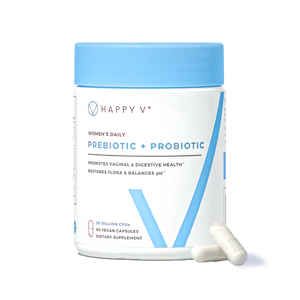
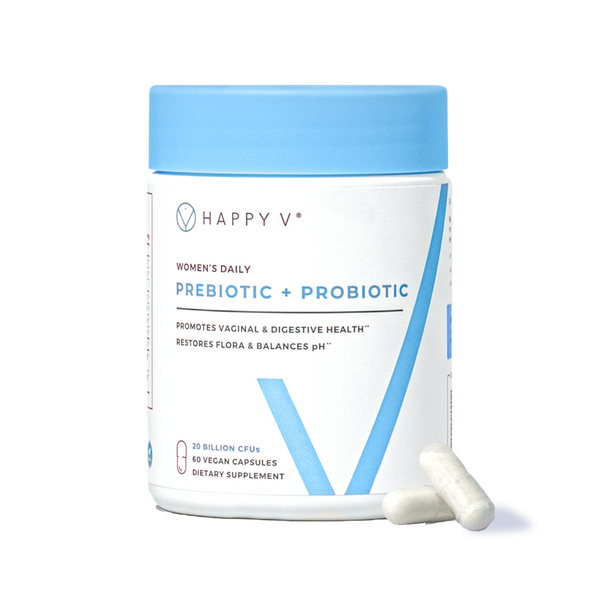
  • Consider probiotics. Consider supporting your vaginal microbiome with a daily probiotic. Some people choose options with strains like Lactobacillus rhamnosus and L. acidophilus, which are studied for their role in maintaining a balanced vaginal ecosystem. Happy V’s Prebiotic + Probiotic includes these well-studied strains, but always check with your provider before starting a new supplement.

Note: Probiotics are not a treatment for active infections but may help prevent recurrence when taken regularly.

Final Thoughts: Trust, Vaginal Health, and What You Deserve

Your vagina is a self-cleaning, finely tuned system—but it can still get thrown off by stress, hormones, diet, and yes, sex. A vaginal infection is not a sign of failure—or proof of a cheating partner.

If something feels off, listen to your body. And don’t be afraid to start a conversation—with your provider, your partner, or yourself. You deserve clarity, compassion, and care—always.

Disclaimer: This blog is for informational purposes only. It is not intended to diagnose, treat, cure, or prevent any disease. Statements regarding supplements have not been evaluated by the FDA. Always consult a healthcare professional before starting any new supplement or treatment.


FAQ

How can I support a healthy vaginal pH?

A healthy vaginal pH is best supported through gentle, consistent care. Avoid douching and fragranced products, and cleanse only the external vulva with lukewarm water or a mild, unscented cleanser. Wearing breathable underwear, changing out of wet or sweaty clothing promptly, and limiting unnecessary antibiotic use can also help maintain balance. Semen is alkaline, so condom use may reduce temporary pH shifts for people who notice symptoms after sex. Some probiotic foods or clinically studied Lactobacillus supplements may offer additional support. pH-balancing gels can provide short-term symptom relief but do not treat infections. If symptoms persist or recur, testing and treatment by a healthcare professional are important.

How can you tell if vaginal pH may be off?

Signs of a disrupted vaginal pH can include a noticeable change in odor, often described as fishy, changes in discharge color, amount, or texture, and symptoms such as itching, irritation, or burning during urination or sex. Over-the-counter pH tests may show a pH above the typical acidic range of about 3.8–4.5, but they cannot identify the cause. Because similar symptoms can come from infections, a clinician can perform testing to determine what’s actually going on and recommend appropriate care.

How can you tell if pH imbalance or an STI is causing symptoms?

Symptoms often overlap, so testing is the only reliable way to tell the difference. Conditions like bacterial vaginosis and trichomoniasis commonly raise vaginal pH, while yeast infections usually do not. Some sexually transmitted infections, such as chlamydia or gonorrhea, may cause few symptoms or present with burning during urination, pelvic discomfort, or bleeding after sex. If symptoms are present, or if there’s a change in partners or risk exposure, clinical evaluation and laboratory testing are the safest way to get clarity.

Why can sex with the same partner affect vaginal pH?

Vaginal pH can shift after sex even with a long-term partner. Semen is alkaline and can temporarily raise vaginal pH, which may affect the vaginal microbiome in some people. Sexual contact also involves the exchange of bacteria, which can influence balance over time. Consistent condom use, avoiding fragranced products, and addressing recurring symptoms with a clinician can help reduce repeated disruptions.

Can exposure to new bacteria from a partner affect vaginal pH?

Yes. Exposure to new or different bacteria through sexual contact can disrupt the vaginal microbiome and raise pH, increasing the risk of conditions such as bacterial vaginosis or certain infections that affect pH. If symptoms appear or patterns change, using condoms and seeking testing helps identify the cause and guide treatment.

Do condoms help maintain vaginal pH and reduce BV risk?

Yes. Condoms reduce exposure to alkaline semen and limit the exchange of genital bacteria, which helps support the vagina’s naturally acidic environment. Consistent condom use has been associated with lower rates of BV recurrence and also reduces the risk of sexually transmitted infections that can disrupt vaginal balance.

[1] ASTARTE™. Understanding the Vaginal Microbiota and Its Impact on Women's Health. ASTARTE™

[2] Livengood CH. Bacterial vaginosis: an overview for 2009. Rev Obstet Gynecol. 2009 Winter;2(1):28-37.

[3] Frothingham S. Apple cider vinegar for BV (bacterial vaginosis). Healthline. Medically reviewed by Gerhard Whitworth, R.N.; updated May 5, 2023. Accessed January 2026.

[4] Livengood CH. Bacterial vaginosis: an overview for 2009. Rev Obstet Gynecol. 2009 Winter;2(1):28-37.

[5] Spiegel CA. Bacterial vaginosis. Clin Microbiol Rev. 1991 Oct;4(4):485-502. doi: 10.1128/CMR.4.4.485.

[6] Laue C, Papazova E, Liesegang A, Pannenbeckers A, Arendarski P, Linnerth B, Domig KJ, Kneifel W, Petricevic L, Schrezenmeir J. Effect of a yoghurt drink containing Lactobacillus strains on bacterial vaginosis in women - a double-blind, randomised, controlled clinical pilot trial. Benef Microbes. 2018 Jan 29;9(1):35-50. doi: 10.3920/BM2017.0018.

[7] Mohankumar B, Shandil RK, Narayanan S, Krishnan UM. Vaginosis: Advances in new therapeutic development and microbiome restoration. Microbial Pathogenesis. 2022;168:105606. doi:10.1016/j.micpath.2022.105606. Accessed January 2026.

[8] Nakra NA, Madan RP, Buckley N, Huber AM, Freiermuth JL, Espinoza L, Walsh J, Parikh UM, Penrose KJ, Keller MJ, Herold BC. Loss of Innate Host Defense Following Unprotected Vaginal Sex. J Infect Dis. 2016 Mar 1;213(5):840-7. doi: 10.1093/infdis/jiv488. Epub 2015 Oct 13.

[9] Mashatan N, Heidari R, Altafi M, Amiri A, Ommati MM, Hashemzaei M. Probiotics in vaginal health. Pathogens and Disease. 2023;81:ftad012. doi:10.1093/femspd/ftad012. Accessed January 2026.

[10] Nansel TR, Riggs MA, Yu KF, Andrews WW, Schwebke JR, Klebanoff MA. The association of psychosocial stress and bacterial vaginosis in a longitudinal cohort. Am J Obstet Gynecol. 2006;194(2):381–386. doi:10.1016/j.ajog.2005.07.047

[11] Weerasekera MM, Jayarathna TA, Wijesinghe GK, Gunasekara CP, Fernando N, Kottegoda N, Samaranayake LP. The Effect of Nutritive and Non-Nutritive Sweeteners on the Growth, Adhesion, and Biofilm Formation of Candida albicans and Candida tropicalis. Med Princ Pract. 2017;26(6):554-560. doi: 10.1159/000484718. Epub 2017 Nov 1.

[12] Herting W, Tauber PF. Endometrium-Zytologie bei kupferhaltigen Intrauterinpessaren [Endometrial cytology and copper containing intrauterine devices]. Fortschr Med. 1978 Feb 16;96(7):311-4. German.

[13] ASTARTE™. Every woman’s vaginal microbiota is different and constantly undergoes fluctuations and changes throughout her entire life. ASTARTE™. https://www.astartebio.com/media/pages/science/astarte-whitepaper.pdf. Accessed July 31, 2025.

[14] Sobel JD. Bacterial vaginosis. Annu Rev Med. 2000;51:349-56. doi: 10.1146/annurev.med.51.1.349.

[15] Plummer EL, Vodstrcil LA, Fairley CK, Tabrizi SN, Garland SM, Law MG, Hocking JS, Fethers KA, Bulach DM, Murray GL, Bradshaw CS. Sexual practices have a significant impact on the vaginal microbiota of women who have sex with women. Sci Rep. 2019 Dec 24;9(1):19749. doi: 10.1038/s41598-019-55929-7.

[16] Tuddenham S, Hamill MM, Ghanem KG. Diagnosis and Treatment of Sexually Transmitted Infections: A Review. JAMA. 2022 Jan 11;327(2):161-172. doi: 10.1001/jama.2021.23487. PMID: 35015033.

[17] Hameed, SJ. Evaluating the Antimicrobial Efficacy of Apple Cider Vinegar on Bacteria and Fungi Isolated from Vaginitis. Al-Kitab Journal for Pure Sciences, 8(01), 29–39. https://doi.org/10.32441/kjps.08.01.p4

[18] Carlson K, Mikes BA, Garg M. Bacterial Vaginosis. 2025 Nov 7. In: StatPearls [Internet]. Treasure Island (FL): StatPearls Publishing; 2025 Jan–.

[19] R AN, Rafiq NB. Candidiasis. [Updated 2023 May 29]. In: StatPearls [Internet]. Treasure Island (FL): StatPearls Publishing; 2025 Jan-.

[20] Hameed, SJ. Evaluating the Antimicrobial Efficacy of Apple Cider Vinegar on Bacteria and Fungi Isolated from Vaginitis. Al-Kitab Journal for Pure Sciences, 8(01), 29–39. https://doi.org/10.32441/kjps.08.01.p4

[21] Livengood CH. Bacterial vaginosis: an overview for 2009. Rev Obstet Gynecol. 2009 Winter;2(1):28-37.

[1] ASTARTE™. Understanding the Vaginal Microbiota and Its Impact on Women's Health. ASTARTE™

[2] Livengood CH. Bacterial vaginosis: an overview for 2009. Rev Obstet Gynecol. 2009 Winter;2(1):28-37.

[3] Frothingham S. Apple cider vinegar for BV (bacterial vaginosis). Healthline. Medically reviewed by Gerhard Whitworth, R.N.; updated May 5, 2023. Accessed January 2026.

[4] Livengood CH. Bacterial vaginosis: an overview for 2009. Rev Obstet Gynecol. 2009 Winter;2(1):28-37.

[5] Spiegel CA. Bacterial vaginosis. Clin Microbiol Rev. 1991 Oct;4(4):485-502. doi: 10.1128/CMR.4.4.485.

[6] Laue C, Papazova E, Liesegang A, Pannenbeckers A, Arendarski P, Linnerth B, Domig KJ, Kneifel W, Petricevic L, Schrezenmeir J. Effect of a yoghurt drink containing Lactobacillus strains on bacterial vaginosis in women - a double-blind, randomised, controlled clinical pilot trial. Benef Microbes. 2018 Jan 29;9(1):35-50. doi: 10.3920/BM2017.0018.

[7] Mohankumar B, Shandil RK, Narayanan S, Krishnan UM. Vaginosis: Advances in new therapeutic development and microbiome restoration. Microbial Pathogenesis. 2022;168:105606. doi:10.1016/j.micpath.2022.105606. Accessed January 2026.

[8] Nakra NA, Madan RP, Buckley N, Huber AM, Freiermuth JL, Espinoza L, Walsh J, Parikh UM, Penrose KJ, Keller MJ, Herold BC. Loss of Innate Host Defense Following Unprotected Vaginal Sex. J Infect Dis. 2016 Mar 1;213(5):840-7. doi: 10.1093/infdis/jiv488. Epub 2015 Oct 13.

[9] Mashatan N, Heidari R, Altafi M, Amiri A, Ommati MM, Hashemzaei M. Probiotics in vaginal health. Pathogens and Disease. 2023;81:ftad012. doi:10.1093/femspd/ftad012. Accessed January 2026.

[10] Nansel TR, Riggs MA, Yu KF, Andrews WW, Schwebke JR, Klebanoff MA. The association of psychosocial stress and bacterial vaginosis in a longitudinal cohort. Am J Obstet Gynecol. 2006;194(2):381–386. doi:10.1016/j.ajog.2005.07.047

[11] Weerasekera MM, Jayarathna TA, Wijesinghe GK, Gunasekara CP, Fernando N, Kottegoda N, Samaranayake LP. The Effect of Nutritive and Non-Nutritive Sweeteners on the Growth, Adhesion, and Biofilm Formation of Candida albicans and Candida tropicalis. Med Princ Pract. 2017;26(6):554-560. doi: 10.1159/000484718. Epub 2017 Nov 1.

[12] Herting W, Tauber PF. Endometrium-Zytologie bei kupferhaltigen Intrauterinpessaren [Endometrial cytology and copper containing intrauterine devices]. Fortschr Med. 1978 Feb 16;96(7):311-4. German.

[13] ASTARTE™. Every woman’s vaginal microbiota is different and constantly undergoes fluctuations and changes throughout her entire life. ASTARTE™. https://www.astartebio.com/media/pages/science/astarte-whitepaper.pdf. Accessed July 31, 2025.

[14] Sobel JD. Bacterial vaginosis. Annu Rev Med. 2000;51:349-56. doi: 10.1146/annurev.med.51.1.349.

[15] Plummer EL, Vodstrcil LA, Fairley CK, Tabrizi SN, Garland SM, Law MG, Hocking JS, Fethers KA, Bulach DM, Murray GL, Bradshaw CS. Sexual practices have a significant impact on the vaginal microbiota of women who have sex with women. Sci Rep. 2019 Dec 24;9(1):19749. doi: 10.1038/s41598-019-55929-7.

[16] Tuddenham S, Hamill MM, Ghanem KG. Diagnosis and Treatment of Sexually Transmitted Infections: A Review. JAMA. 2022 Jan 11;327(2):161-172. doi: 10.1001/jama.2021.23487. PMID: 35015033.

[17] Hameed, SJ. Evaluating the Antimicrobial Efficacy of Apple Cider Vinegar on Bacteria and Fungi Isolated from Vaginitis. Al-Kitab Journal for Pure Sciences, 8(01), 29–39. https://doi.org/10.32441/kjps.08.01.p4

[18] Carlson K, Mikes BA, Garg M. Bacterial Vaginosis. 2025 Nov 7. In: StatPearls [Internet]. Treasure Island (FL): StatPearls Publishing; 2025 Jan–.

[19] R AN, Rafiq NB. Candidiasis. [Updated 2023 May 29]. In: StatPearls [Internet]. Treasure Island (FL): StatPearls Publishing; 2025 Jan-.

[20] Hameed, SJ. Evaluating the Antimicrobial Efficacy of Apple Cider Vinegar on Bacteria and Fungi Isolated from Vaginitis. Al-Kitab Journal for Pure Sciences, 8(01), 29–39. https://doi.org/10.32441/kjps.08.01.p4

[21] Livengood CH. Bacterial vaginosis: an overview for 2009. Rev Obstet Gynecol. 2009 Winter;2(1):28-37.