

- Fact Checked
- July 03, 2026
- 9 min read
Vaginal Health in the Summer: Why Summer Sweat Impacts pH


- Written by Daniella Levy • Updated on August 27, 2026
-
Medical Reviewed by Dr. Mariya Petrova

Internationally recognized microbiome specialist focused on urogenital microbiota and lactobacilli; PhD...
- Updated on August 27, 2026

Table of Contents
Table of Contents
Turns out, your hair isn’t the only thing that doesn’t love all that summer heat and humidity. Your vaginal health isn’t a big fan, either.
Between sweating through workouts, sitting in wet swimsuits, and rocking the short-shorts for months on end, summer creates a surprisingly easy environment for vaginal pH disruption (and the infections that can follow).
Though you may not be able to beat the heat, you can get ahead of vaginal symptoms in the summer, and this is the post that will show you how.
This post is for informational purposes only and does not constitute medical advice. See full disclaimer below.
What Is Vaginal pH, and Why Does It Matter?

Before we can talk about why summer can be so disruptive to your vaginal health, we need to understand a good indicator of overall vaginal health: vaginal pH.
Vaginal pH is a measure of how acidic or alkaline your vaginal environment is. A healthy vaginal pH sits between 3.8 and 4.5.1 This is slightly acidic on the pH scale, which actually helps protect against infection. That acidity is maintained largely by Lactobacillus bacteria living in your vaginal microbiome, which release lactic acid and hydrogen peroxide.
When something affects the lactobacilli in your vagina (think: hormonal shifts, certain hygiene products, or douching), pH can rise and less friendly bacteria get an opening to overgrow, which is the pathway behind bacterial vaginosis or BV. Yeast works a little differently. Yeast overgrowth is driven more by warmth, trapped moisture, and disruptions to the skin barrier.
How Summer Heat and Humidity Affect Vaginal Health

Summer is great for so many reasons… but vaginal health is not one of them. It’s actually kind of the perfect storm for vaginal health disruptions due to:
Sweat Buildup and Trapped Moisture
The vulva and vaginal area are already prone to warmth and limited airflow. Add summer heat and humidity, and you've got a consistently moist environment, one that creates ideal conditions for yeast and bacteria to thrive.2
Sweat itself actually isn't the problem; it's the prolonged exposure to trapped moisture that softens skin, weakens the barrier that keeps microbes in check, and makes you more vulnerable to irritation and yeast overgrowth.
Wet Swimsuits

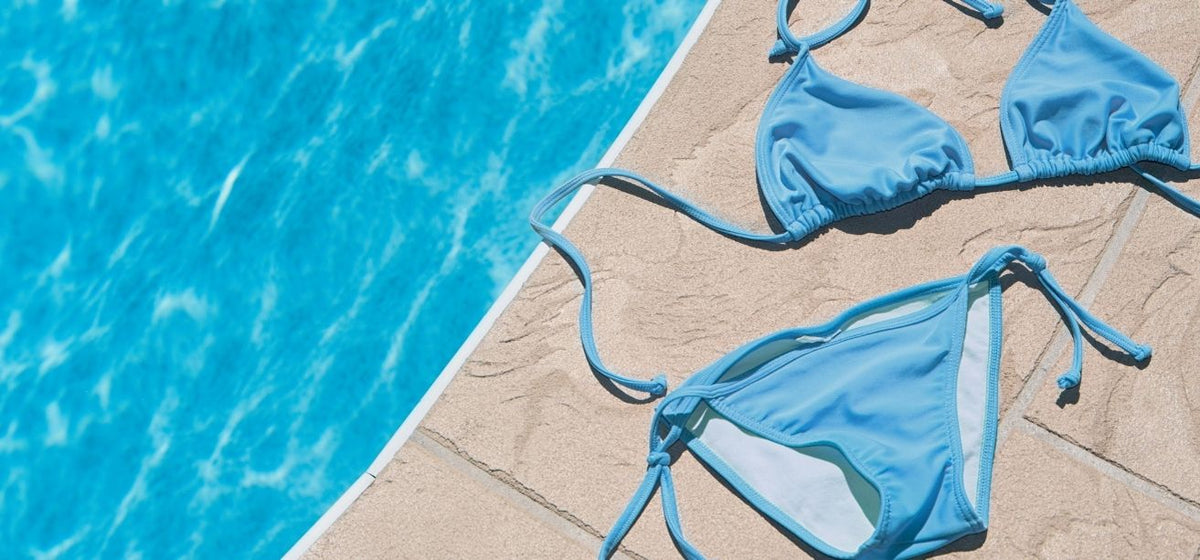
A wet swimsuit is essentially a warm, damp, unbreathable piece of fabric sitting directly against your vulva for hours, exactly the conditions yeast prefers. Chlorinated pools may also disrupt the vulvar skin barrier, and some evidence suggests they can affect vaginal flora, though the effect on pH isn't well established. Saltwater isn't a free pass either.
Basically, no matter where you swim, the longer you stay in a wet swimsuit, the greater the risk of irritation, yeast overgrowth, and, if your vaginal flora is disrupted, BV.
Tight Clothing and Synthetic Fabrics
Summer tends to mean shorter, tighter bottoms made from synthetic fabrics that don't breathe well. This reduces air circulation around the vulva, traps sweat and heat, and creates friction that can lead to chafing and microtears in delicate vaginal tissue. These small disruptions to the skin barrier can actually give bacteria the foothold they need to multiply and cause problems.3
Summer Activities That Can Affect Vaginal Health
While winter is about cozying up under a blanket, summer is about getting out, having adventures, and feeling the sun on your skin. While these can be good for your physical and mental health, your vaginal health can take a dip, especially when it comes to:
Grooming
Summer is the time when people tend to shave and wax the most, and both can create temporary vulnerability. Shaving can cause razor burn, ingrown hairs, and microscopic cuts, while waxing removes the hair that provides a physical buffer between the delicate skin in the genital area and external irritants.4
Physical Activity
More outdoor workouts mean more sweat — which is great for your overall health, but requires a little extra attention to vaginal hygiene. Moisture-wicking workout clothing can help, but it's not a substitute for changing out of sweaty gear promptly. After exercise, rinse the vulva with warm water and pat dry. Avoid sitting in damp activewear for extended periods.5
Travel
Changes in routine, diet, hydration, and sleep that come with travel can all influence vaginal health.6 New environments may expose you to different bacteria, stress can shift your hormonal balance, and disrupted sleep affects your general immune system's ability to keep opportunistic infections in check. This is exactly why many women find that travel (and especially international travel) seems to trigger BV or a yeast infection.
Lack of Hydration
Dehydration affects vaginal tissue much like it affects skin, leading to dryness, reduced natural lubrication, and a less resilient vaginal environment.7 Staying hydrated supports the mucous membranes that line the vaginal walls, helping vaginal tissue stay supple and better able to maintain its protective barriers, but proper hydration can be harder to come by, thanks to warmer temperatures and busier schedules.
Hormonal Changes
Hormonal fluctuations don't take a summer break. For those going through perimenopause or menopause, declining estrogen levels can contribute to vaginal dryness and changes in vaginal tissue that make pH disruption more likely, and summer's added moisture challenges can compound that.8
If you're pregnant, your estrogen levels are elevated, which can actually increase susceptibility to yeast infections, another reason summer's warm, humid conditions may feel especially challenging.9
Tips for Supporting Vaginal Health in the Summer

The good news: you don’t have to swear off summer fun to maintain good vaginal health in the summer. You just have to be mindful of the triggers and how you can support your body through them.
- Change out of wet swimsuits promptly. As soon as you're done swimming, swap into dry, breathable clothing. The longer a damp swimsuit stays on, the longer your vulva is sitting in the warm, moist conditions that yeast and bacteria love.
- Choose breathable fabrics. Cotton underwear and loose-fitting clothing allow airflow and absorb moisture, keeping the vulva drier throughout the day. Save the tight synthetic fabrics for short stretches, not all-day wear.10
- Change out of sweaty workout clothes. Moisture-wicking gear can help during exercise, but it's not a substitute for changing promptly afterward. If you can, after working out, rinse the vulva with warm water, pat dry, and get into clean, breathable clothing as soon as you can.
- Stay hydrated. Drinking enough water is one of the simplest things you can do for vaginal tissue health. In the summer heat, especially if you're active or drinking alcohol, your baseline hydration needs go up, so drink accordingly.
- Be gentle after grooming. After shaving or waxing, give your skin time to recover before wearing tight swimwear or spending prolonged time in heat. You also might consider trimming hair instead of shaving or waxing altogether. Avoid harsh soaps on freshly groomed skin (or anytime, really), and use a clean razor to minimize the risk of irritation and ingrown hairs.
- Skip the scented products. Summer brings a surge of products marketed for "freshness". Think: sprays, scented soaps and cleansers, and deodorant-style products for the vulvar area. Skip them. The vagina is self-cleaning, and the vulva needs only gentle, fragrance-free cleansing. Scented products, douching, and harsh soaps disrupt the vaginal microbiome, raise pH, and can cause contact dermatitis or vaginitis.
- Be smart about sunscreen and lubricants. If you're applying sunscreen near the bikini line, use a fragrance-free formula and keep it away from the vaginal opening. For lubricants, water-based formulas are generally safer for vaginal tissue and pH balance than silicone-based options, which can be drying over time.
- Practice safe sex. Using condoms helps protect against STIs and reduces the introduction of outside bacteria that can throw off vaginal pH.
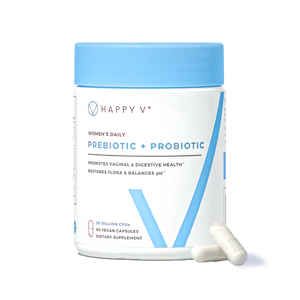
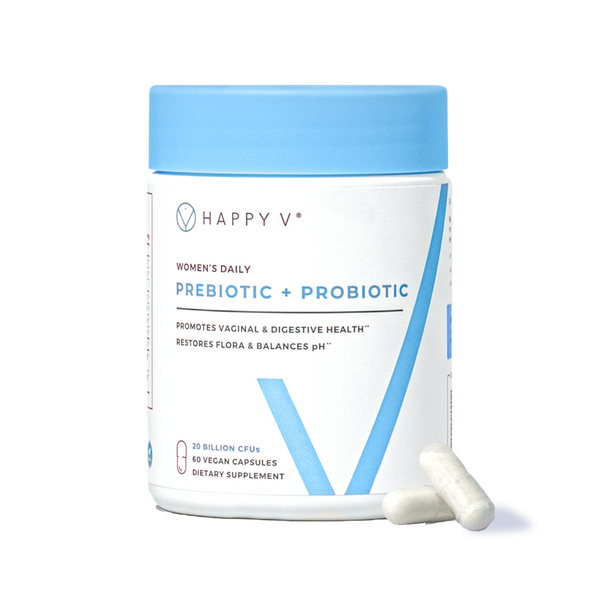
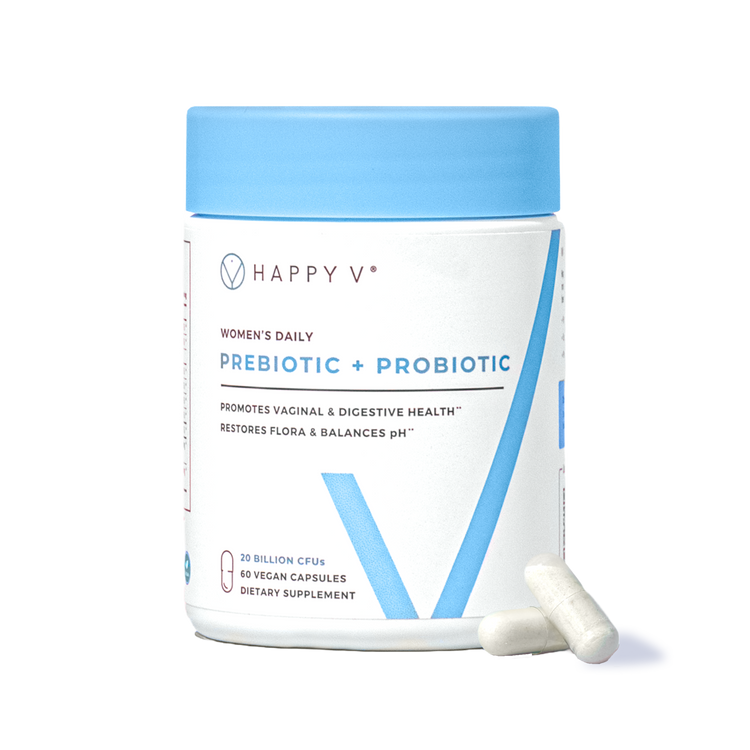
- Support your microbiome from the inside. External habits matter, but so does what's happening internally. A daily probiotic formulated with clinically studied Lactobacillus strains can help keep your vaginal microbiome resilient, especially during a season when heat, humidity, travel, and hormonal shifts are all working against it. Happy V's Prebiotic + Probiotic contains some of the most clinically researched strains for vaginal health, all at their clinically effective doses, and preclinical research shows its unique formula is effective against the growth of Candida and Gardnerella vaginalis (the main culprits of yeast infections and BV, respectively).
 Bestseller
Prebiotic + Probiotic
Maintains vaginal pH and restores gut health.
When to See a Healthcare Provider
It's normal for vaginal discharge to shift slightly with the seasons, your cycle, or changes in activity level. But some symptoms warrant medical attention. Reach out to a healthcare provider if you experience:
- Itching, burning, or pain that doesn't resolve on its own
- Unusual discharge, particularly if it’s gray, green, or yellow
- A strong or fishy odor
- Burning with urination, which can signal a urinary tract infection (UTI)
- Bleeding outside of your normal menstrual cycle
- Persistent or recurrent infections
Your doctor will make sure you get an accurate diagnosis. Bacterial vaginosis, yeast infections, trichomoniasis, and UTIs have overlapping symptoms but require different treatments. Don't self-treat based on guesswork.
Final Thoughts
Summer is worth enjoying fully, and vaginal health doesn't have to be a barrier to that. Most of what challenges your vaginal health in the summer comes down to moisture management, fabric choices, and avoiding products that do more harm than good. Stay cool, stay hydrated, change out of that wet swimsuit, and give your microbiome the daily support it needs to stay resilient all season long.
Keep the Conversation Going
- Visit our blog for more women's health tips.
- Join our private Happy V Facebook group to hear from others who've been there.
- Explore supplements designed to support your vaginal health journey.
Disclaimer: This blog is for informational and educational purposes only and is not intended to diagnose, treat, cure, or prevent any disease. Statements about supplements have not been evaluated by the Food and Drug Administration. For more information about vaginal infections, visit the CDC or speak to a licensed healthcare provider.