

- Fact Checked
- April 14, 2026
- 12 min read
What Throws Off Your pH Balance? 12 Surprising Culprits

- Written by Daniella Levy • Updated on July 23, 2026
- Updated on July 23, 2026

Table of Contents
Table of Contents
No one likes surprises when it comes to their vaginal health, and if you’re reading this right now, chances are, you have encountered a few surprises in the form of smells that weren’t there before, a change in discharge, or an itch that won’t quit.
These symptoms are often signs of vaginal infections like bacterial vaginosis (BV) or vaginal yeast infections, but underneath every infection, there’s a root cause: imbalanced vaginal pH.
Without a balanced pH, your body doesn’t have the natural defenses it needs to fight infection, and the causes for this imbalance are often far more innocuous than people think.
This post is for informational purposes only and does not constitute medical advice. See full disclaimer below.
What Is Vaginal pH (and Why Should You Care)?

To understand what throws your vaginal pH out of whack, we have to understand what vaginal pH is and why it matters for your vaginal health.1
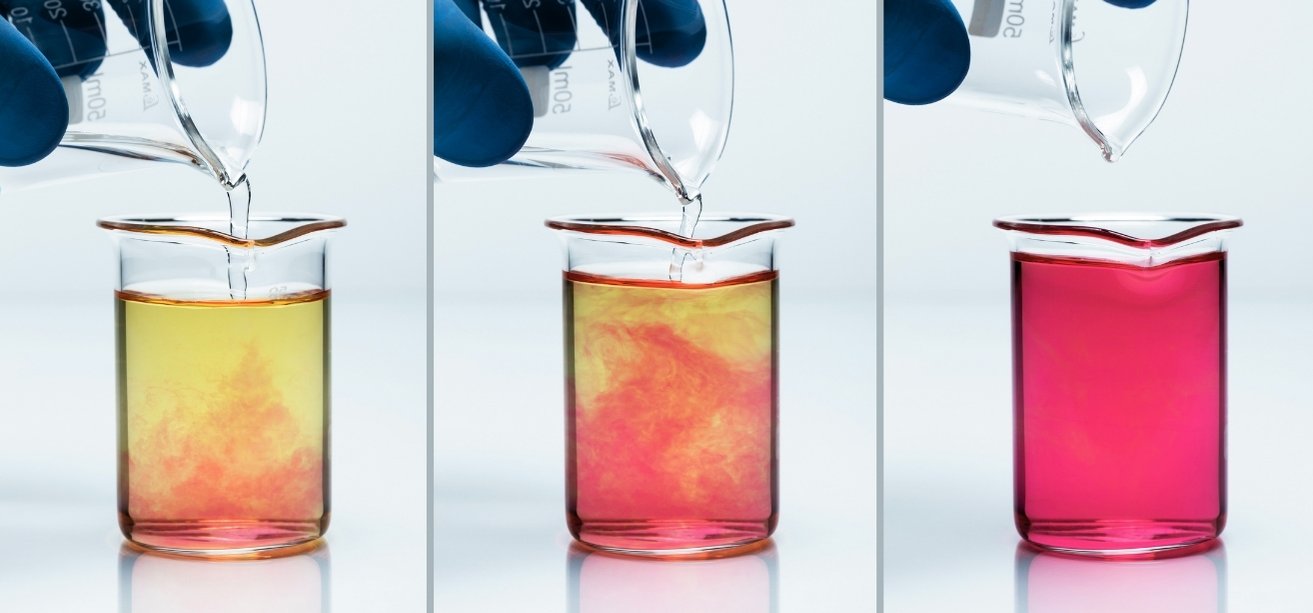
More generally, the pH scale measures how acidic or alkaline something is, running from 0 (very acidic) to 14 (very alkaline). A normal vaginal pH sits on the acidic side, somewhere between 3.8 and 4.5.2 If that sounds like a chemistry lesson, here is the part that actually matters: that slight acidity is what keeps your vaginal health on track.
This vaginal pH is generally determined by a group of healthy bacteria living in your vagina called Lactobacillus.3 These strains produce lactic acid that maintains an acidic environment and supports a balanced vaginal flora. Think of them as your body's built-in security system. When they are thriving, bad bacteria cannot get a foothold. When these Lactobacillus levels drop (for reasons we’ll get into later), less lactic acid is produced, and your vaginal pH rises, which opens the door for bad bacteria coming in and taking over.
Signs Your Vaginal pH Might Be Off

When your vaginal pH first comes out of balance, you likely will have no idea. You can’t actually feel the imbalance itself. What you can feel are infections that ultimately result from this imbalance that include symptoms like:
- Unusual discharge. A change in color (gray, green, or yellowish), a thicker or cottage cheese-like texture, or just more vaginal discharge can point to a vaginal infection or even an STI like trich.
- A fishy or unfamiliar odor. While vaginas aren’t completely odorless, a strong, fishy smell (especially after sex) often signals bacterial vaginosis caused by elevated vaginal pH levels.
- Itching or irritation. Persistent itching around the vulva or inside the vagina, sometimes with redness or swelling, is one of the most common signs of vaginal yeast infection caused by pH imbalance.
- Burning during urination or sex. When pH is off, vaginal tissue can become more sensitive and inflamed, making things that are normally comfortable feel painful.4 This kind of dryness and irritation is a signal worth taking seriously.
If you notice any of these symptoms and especially if they stick around for more than a few days, make an appointment with your gynecologist. Burning during sex could be the sign of a UTI… or it could be vaginitis. Unusual discharge could be due to BV… or a vaginal yeast infection. You shouldn’t guess when it comes to which infection you’re dealing with, and your doctor will help you determine for sure.
12 Factors That Can Throw Off Your Vaginal pH

While vaginal infections are often caused by a handful of bacteria, like Gardnerella vaginalis for BV or Candida for yeast infections, there can be many reasons behind your underlying vaginal pH imbalance.5
Some of these are within your control. Others are just part of having a body. Either way, knowledge of what’s going on is ultimately going to help inform strategies to get and maintain balance.6
Antibiotics
Antibiotics can be lifesavers and are often necessary to clear an active vaginal infection like BV, but they have a major downside: they can’t tell the difference between the bacteria that’s making you uncomfortable and the good bacteria keeping your vaginal microbiome healthy.7
When antibiotics wipe out protective Lactobacillus bacteria along with everything else, your pH can rise and leave you vulnerable to a secondary infection like a yeast infection.8 If you are on antibiotics, pairing them with a quality probiotic supplement can help replenish what gets lost.
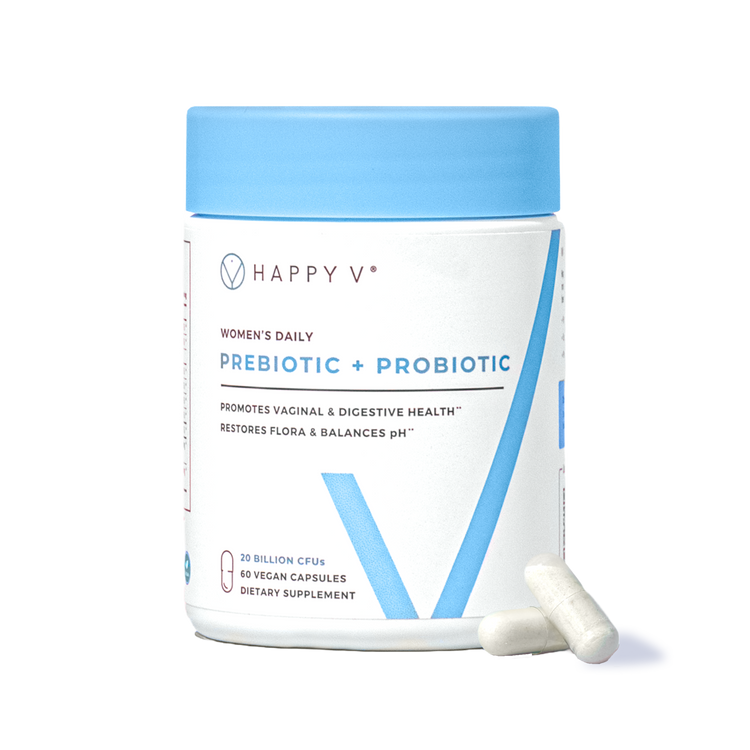 Bestseller
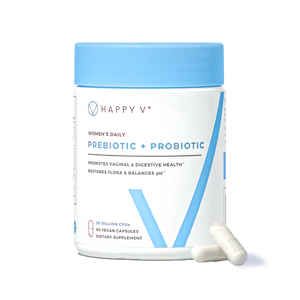
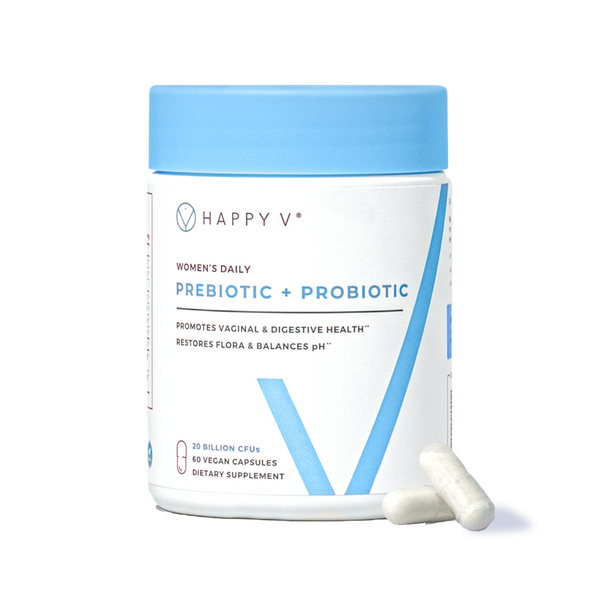
Prebiotic + Probiotic
Maintains vaginal pH and restores gut health.
Unprotected Sex

Semen is alkaline on the pH scale, with a pH between 7.2 and 8. Every time it enters your vagina, it temporarily raises your vaginal pH level.9 This actually helps sperm to swim, and your body usually corrects this within a few hours, but frequent unprotected sex means frequent disruptions to your vaginal pH balance. One study found that consistent condom use decreased the risk of bacterial vaginosis by 45%. That’s a significant difference from one simple safe sex practice!
Your Period
As if periods were not already doing enough, right? Menstrual blood has a pH around 7.4, which is much more alkaline than your vagina's natural range.10 When blood sits in contact with your vaginal tissue through a tampon or pad during your menstrual cycle, it can temporarily shift your vaginal pH. Changing your menstrual products every four to eight hours helps minimize this. Women who are especially prone to imbalances may find that pads or menstrual cups are gentler than tampons.
Douching
Despite every major medical organization advising against it, one in five women still douches regularly.11 And that’s an issue when it comes to vaginal pH! Douching washes away the exact good bacteria your vagina needs to stay balanced, raises your vaginal pH, and actually increases your risk of bacterial vaginosis and yeast infections. Your vagina is a self-cleaning organ, meaning doesn’t need soap, vinegar, or any internal hygiene products to stay clean. Warm water on the external vulva is all you need (really).
Hormonal Changes
Estrogen is one of the biggest behind-the-scenes players in vaginal health. It supports glycogen production, which feeds Lactobacillus, which produces the lactic acid that keeps your vaginal pH low.12 So when estrogen shifts due to menopause, pregnancy, breastfeeding, or hormonal birth control, your vaginal microbiome feels it.
During menopause in particular, declining estrogen often causes vaginal pH levels to rise, and when you pair that with other symptoms like vaginal dryness, the risk of vaginal infections increases significantly.13
Chronic Stress
Chronic stress is bad for just about everything health-related. But when it comes to vaginal health specifically, persistent stress elevates cortisol levels, and cortisol directly interferes with estrogen's protective effects. This means stress management is not just a nice-to-have.14 For your vaginal pH balance, it is genuinely protective.
Scented Products
That lavender body wash might smell amazing, but your vagina does not agree. Fragranced soaps, sprays, bubble baths, scented tampons, and even some laundry detergents contain chemicals that irritate vaginal tissue and disrupt your vaginal flora. Many of these hygiene products have pH levels that are nowhere near your vagina's natural acidity. Use mild, unscented soap for your vulva, and let your vagina handle the rest. Because trust us when we say it is very good at its job.
Certain Birth Control Methods
Not all contraceptives are created equal when it comes to vaginal pH. Spermicides can kill good bacteria along with sperm. Some lubricants contain ingredients that shift your pH level. And hormonal birth control methods can alter estrogen levels, which affects your entire vaginal microbiome. If you are noticing recurring vaginal infections after starting a new birth control method, it is worth bringing up with your OB-GYN. There may be an alternative that works better for your body.
New or Multiple Sexual Partners
Every person carries their own unique bacterial profile. When you introduce new bacteria through sexual activity, whether through genital or oral contact, your vaginal microbiome has to adjust. Sometimes it handles the introduction just fine. Other times, the mix of unfamiliar bacteria tips the vaginal environment out of balance and creates conditions for bacterial vaginosis and, in some cases, increases the risk of sexually transmitted infections. Using barrier methods and urinating after sex can help your body maintain its equilibrium.
Wet or Tight Clothing
Sitting in a wet swimsuit after the pool or spending hours in tight, non-breathable workout clothes creates a warm, moist environment that yeast overgrowth thrives in. While your vagina is naturally moist, trapping excess external moisture against the vulva for extended periods encourages harmful bacterial and yeast overgrowth. Change out of wet clothing as soon as you can, and choose cotton underwear whenever possible for better airflow.
Diet and Hydration
What you eat affects your whole body, and your vaginal microbiota is no exception. Diets high in refined sugar can feed yeast overgrowth, while inadequate hydration affects vaginal moisture and your body's ability to flush out bad bacteria. Staying well-hydrated and eating a balanced diet rich in whole foods gives your good bacteria the support they need. For a closer look at the connection between food and women's health, our guide on the best and worst foods for vaginal health breaks it all down.
Smoking
Tobacco use has been linked to altered vaginal pH levels and a higher risk of bacterial vaginosis. That’s because smoking affects both circulation and immune function, two things your body relies on to keep your vaginal environment in check. If you are looking for one more reason to quit, your vaginal health is a good one.
How to Support Your Vaginal pH Balance

Though your doctor can help prescribe you something to clear whatever infection has led to vaginal symptoms, whether that’s antibiotics for BV or antifungals for a yeast infection, these medicines don’t treat the underlying pH imbalance.If that continues, reinfection is often just a matter of time. Here are simple, science-backed ways to rebalance your pH.
Keep It Simple With Hygiene
Skip the douches, fragranced products, and anything that promises to "freshen" your vagina. Warm water and some mild, unscented soap on the external vulva is all you need to “stay fresh”. Your vagina is genuinely self-cleaning, and the less you interfere with that process, the better.
Algon with that, wipe front to back, change menstrual products regularly, and urinate after sex to help flush bacteria.15
Wear Breathable Fabrics
Cotton underwear allows for maximum airflow and helps keep the vaginal area dry. Synthetic fabrics trap moisture and heat, creating exactly the kind of environment where harmful bacteria and yeast thrive.16
After swimming or working out, change into dry clothes as soon as you can.
Be Mindful About Sex
We are the last people to tell you how to run your sex life, but especially if you are someone who notices symptoms after unprotected intercourse, using condoms can help prevent the vaginal pH imbalance caused by semen. Rinsing the vulva and urinating after sexual activity also helps your body reset more quickly.17
Manage Stress (Like, Actually)
We know "reduce stress" sounds like the most overused medical advice on the planet. But when it comes to vaginal health, it genuinely matters.18 Chronic stress raises cortisol, which interferes with the hormones that keep your vaginal pH and vaginal microbiome balanced. Whether it is a walk, a few deep breaths, or ten minutes of something that makes you happy, giving your nervous system a break is genuinely protective.
Add a Daily Probiotic to Your Routine
For women dealing with recurrent vaginal pH imbalances (or anyone who just wants an extra layer of daily support), targeted probiotic supplements can make a meaningful difference, especially when they are made using the strains of Lactobacillus associated with vaginal health (hint: not all of them are!).
Happy V's Prebiotic + Probiotic contains seven clinically studied strains, including L. crispatus, L. rhamnosus, and L. reuteri, chosen specifically for vaginal health support. The formula also includes PreforPro®, which targets harmful bacteria like E. coli and Gardnerella without the bloating that traditional prebiotics can cause. Pairing a daily probiotic with the habits above gives your vaginal flora consistent, ongoing support, rather than just reacting when things feel off.
When to Talk to Your Healthcare Provider
Lifestyle habits and daily probiotic supplements can do a lot to support your vaginal pH, but some situations need professional attention.19
If you are experiencing persistent symptoms of vaginal infections and imbalance (think: unusual vaginal discharge, a strong odor, ongoing itching or burning, or discomfort during sex), and they are not improving with at-home care, it is time to check in with your OB-GYN or healthcare professional.20
It’s not your fault if things aren’t clearing up. Some vaginal infections, including trichomoniasis and bacterial vaginosis, require a proper diagnosis and targeted treatment that goes beyond what lifestyle changes alone can address.21
Final Thoughts
Vaginal pH might sound like a small thing, but it is the foundation of your vaginal health and overall wellness. When it is balanced, everything works the way it should. When it is off, your body typically lets you know through uncomfortable symptoms like itching and odor.
The good news is that most of the factors that disrupt vaginal pH are things you can influence through simple daily habits, mindful choices, and the right support. If you are ready to give your body that daily foundation, Happy V's Prebiotic + Probiotic was formulated to do exactly that.
Keep the Conversation Going
- Visit our blog for more women's health tips.
- Join our private Happy V Facebook group to hear from others who've been there.
- Explore supplements designed to support your vaginal health journey.
Disclaimer: This blog is for informational and educational purposes only and is not intended to diagnose, treat, cure, or prevent any disease. Statements about supplements have not been evaluated by the Food and Drug Administration. For more information about vaginal infections, visit the CDC or speak to a licensed healthcare provider.