

- Fact Checked
- April 15, 2026
- 11 min read
Menopause Belly Fat: Foods and Exercises That Help

- Written by Lenia Lopez • Updated on June 20, 2026
- Updated on June 20, 2026

Table of Contents
Table of Contents
You wake up one morning and put on your favorite pair of jeans, and you notice, out of the blue, that they’re tighter somehow. Then you catch your midsection in the mirror and notice it looks a little bigger, even though you haven’t changed a thing. Same meals, same routine, same life. So what gives?
If this is where you are right now, you are far from alone, and you are definitely not imagining it.
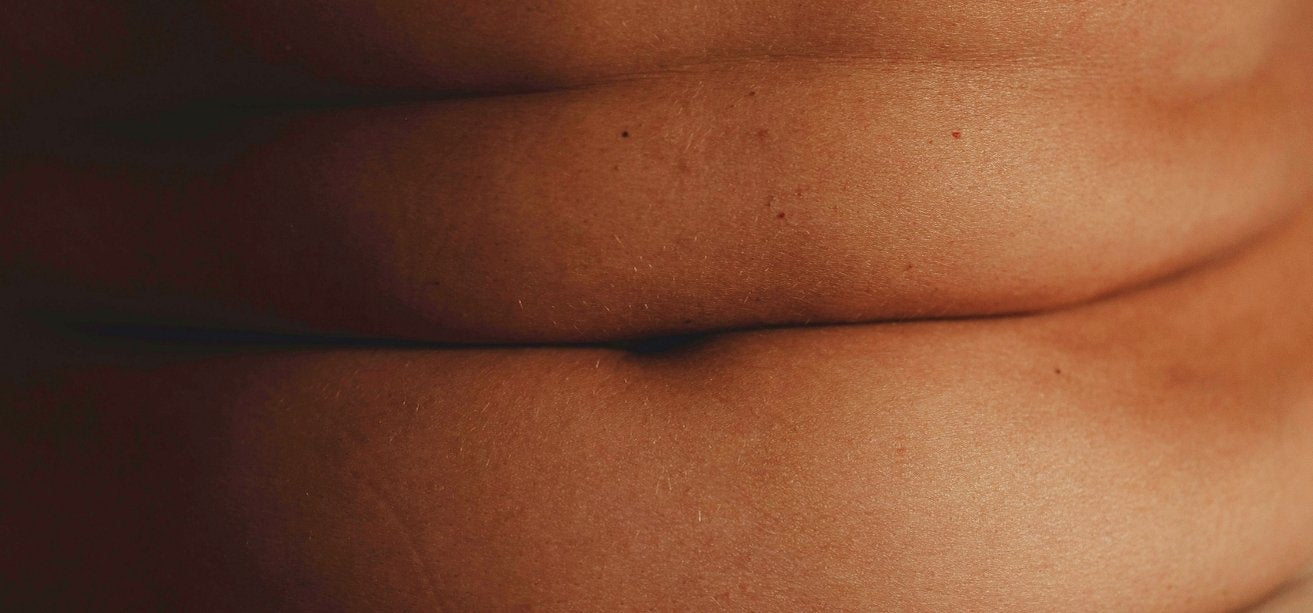
Menopause belly fat is one of the most common (and most frustrating!) changes women go through during the menopause transition. And what makes it especially maddening is that it can show up even when you are doing everything "right."
It’s important to remember, as frustrating as it is, your body is not betraying you. It’s simply responding to major hormonal changes. While the hormonal changes are inevitable, belly fat isn’t. One dietary change makes a bigger difference than almost anything else.
This post is for informational purposes only and does not constitute medical advice. See full disclaimer below.
Why Menopause Causes Belly Fat

Information is power. So before we dive into how you can start to shed that body fat, let’s understand why it’s building up in the first place.
Estrogen does a lot more in the body than most women realize. It plays a quiet but powerful role in telling your body where to carry fat, typically in your hips, thighs, and breasts, which is all protective from a women's health standpoint.1 When estrogen levels drop during the menopause transition, that signal fades, and your body starts redirecting fat distribution to your abdomen. The result is a shift that can feel sudden and dramatic, even though the process often begins during perimenopause or even earlier.
There is a shift not only to where the fat ends up, but what kind of fat it even is.2 Visceral fat (aka the deeper abdominal fat that accumulates around your organs) is metabolically different from the subcutaneous fat just under your skin. It’s more hormonally active, more inflammatory, and more closely linked to serious health risks than fat stored elsewhere in your body. Research consistently links menopausal abdominal fat accumulation to increased cardiovascular disease risk, type 2 diabetes risk, high blood pressure, metabolic concerns, and even certain types of cancer.

Another factor at play is not just declining estrogen, but slowing metabolism, even if you are staying as active as you’ve always been.3 You are also naturally experiencing muscle loss, and since lean muscle burns more calories than fat does, that loss creates a snowball effect. When you add it all up, the reason for your weight gain makes a lot more sense, and none of it is your fault. That doesn’t mean you can’t take action, though, and we’ll share exactly how you can do that.
How Long Does Menopause Weight Gain Last?
How Long Does Menopause Weight Gain Last? What You Need to Know
How to Measure Belly Fat
To effectively make and track changes over time, it can help to have a starting point, and your weight alone isn’t much of a guide. Two women can weigh the same and have very different amounts of abdominal fat depending on how much lean muscle they carry.4
A simple tape measure is one of the most practical tools you have. Waist circumference is a meaningful indicator of visceral fat and metabolic risk, with measurements over 35 inches generally considered a risk threshold for metabolic and cardiovascular disease concerns in women, regardless of height.5
To get an accurate waist measurement, stand relaxed, place the tape around your bare abdominal area just above your hip bones, and breathe out naturally before reading the number.
If you want to go even deeper, look at your waist-to-hip ratio, or divide your waist circumference by your hip circumference.6 A ratio above 0.85 is associated with higher visceral fat and elevated health risk in women.
And if you want to go even deeper than that, a healthcare provider in gynecology or women's health can order a DEXA scan or other imaging that measures body fat percentage and fat distribution directly.7 These can be nice, and sometimes they are included for free as part of a gym membership, but for most women, a tape measure checked consistently over time tells you plenty about whether the menopause belly picture is improving.
Foods That Help Menopause Belly Fat
Okay, so it’s not so much “foods” as one single nutrient: protein.
Of all the eating habits you could shift during menopause, increasing protein consistently comes out on top.8 A large study following postmenopausal women found that those who ate more protein (aka around 1.2 grams per kilogram of body weight per day) had less belly fat, less body fat overall, and more lean muscle mass than women eating the standard amount, leading to the recommendation for menopausal women to consume between 1 and 1.5 grams of protein for every pound of their weight.
What does that mean? Well, if you weigh around 150 pounds, that works out to roughly 68 to 102 grams of protein a day. An early start helps you hit this goal and also evenly distribute your protein throughout the day. Aim for about 25 to 30 grams at breakfast, lunch, and dinner. Good sources of lean proteins include eggs, Greek yogurt, cottage cheese, chicken, fish, legumes, tofu, and tempeh.9
If your diet is low in protein currently, hitting these numbers can feel intimidating. Start small and work your way up. Smart swaps add up quickly, and they’re worth it.
By consuming more protein during the menopause transition, you are:
- Preserving lean muscle mass. Muscle loss naturally accelerates as estrogen levels drop, and when lean muscle mass goes, your metabolism goes with it.10 Getting enough protein slows that muscle loss and helps you keep the tissue that keeps your body burning calories efficiently. Postmenopausal women who pair higher protein with resistance training see especially strong results.
- Staying satisfied between meals. Protein is the most filling nutrient you can eat. When you are getting enough of it, you naturally consume fewer calories overall without that gnawing, deprived feeling. Your body also burns more calories digesting protein than it does digesting carbs or fat
- Quieting cravings at the source. When your body gets the protein it is asking for, those relentless urges for carbs, chips, and sweets start to ease up. Even a small increase (just 1 to 3 percent more of your daily calories from lean proteins) may be enough to help prevent menopause-related weight gain.11
Beyond protein, a healthy diet built on whole grains, fiber-rich vegetables, and anti-inflammatory fats supports blood sugar stability and helps keep visceral fat in check.12 Whole grains, in particular, are consistently linked to better weight management and reduced cardiovascular disease risk in postmenopausal women.

Foods That Don't Help Menopausal Belly Fat
Along with knowing what to add to your diet, it’s just as useful to know what’s working against you. The top culprits that contribute to menopause belly fat include:
Refined Carbs and Added Sugars
White bread, pastries, sugary drinks, and packaged snacks cause blood sugar spikes that drive insulin resistance and tell your body to store fat in the abdominal area first. Simple carbohydrates in general, which include highly processed crackers and white rice, behave the same way in your body as sugar: they spike blood sugar, promote fat accumulation, and leave you hungry again quickly.
Alcohol
Alcohol is calorie-dense, slows your body's ability to burn fat, and disrupts sleep, which makes every other menopause symptoms feel worse and makes weight management significantly harder. Even cutting back a little can support a healthy weight.
Highly Processed Foods
Processed foods are packed with sodium, artificial additives, and low-quality fats that drive inflammation and bloating while doing almost nothing for your nutritional needs. Processed meats like bacon and sausage are especially worth limiting.
Other Ways to Combat Belly Fat

While improving your diet and increasing your protein intake is one way to combat menopause belly fat, the most effective approach combines diet with physical activity, sleep hygiene, and stress management.
Strength Training and Resistance Training
These are the most impactful forms of exercise you can do. They directly fight the muscle loss that comes with menopause, and lean muscle mass is what your metabolism depends on.13
One study found that postmenopausal women who lifted weights at least twice a week for 15 weeks saw real reductions in belly fat compared to women who did not, and you don’t even need a gym to start! Squats, lunges, and push-ups at home are a great beginning.14 As you get stronger, add free weights or resistance bands. Two to three sessions a week, working all your major muscle groups, is the goal.
Aerobic Exercise

Bisk walking, cycling, swimming, and dancing are especially effective at trimming waist circumference and reducing visceral fat.15 Moderate-intensity cardio adds up fast, and if you are up for it, high-intensity interval training can be particularly powerful, with postmenopausal women seeing belly fat drop by about 4 to 6 percent in just three months.
Aim for about 150 minutes of moderate-intensity physical activity a week (a daily walk after dinner will do the trick!), or mix shorter, harder sessions with your strength training for the best results.16
Cardio and strength training together
If one is good, two are better, right? Cardio supports weight loss, while resistance training builds the lean muscle mass that keeps fat off and keeps metabolism up.17 When you do both, you are addressing menopause belly fat from every angle.
Quality Sleep
Sleep has a direct effect on belly fat that most women do not fully appreciate.18 When you’re not sleeping well, your body produces more cortisol, and elevated cortisol levels are one of the biggest drivers of abdominal fat accumulation.
Poor sleep also disrupts ghrelin (which signals hunger) and leptin (which signals fullness), sending constant "eat more" signals that steer you toward carbohydrates and comfort foods instead of proteins and whole grains. Aim for seven to nine hours, and talk to your healthcare provider if menopause symptoms like night sweats are consistently getting in the way.19
Stress Management
Ongoing stress keeps cortisol levels elevated, and elevated cortisol is one of the biggest drivers of visceral fat.20 Deep breathing, meditation, gentle yoga, brisk walking, time doing something that genuinely makes you happy — all of it helps bring cortisol levels down and supports a healthy weight over time.
Possible Medication Swaps
Certain antidepressants prescribed for mood swings and hot flashes, corticosteroids, some blood pressure medications, and sleep aids can contribute to weight gain during menopause.21 If you have recently been prescribed something new and notice an increase in unexplained weight gain, mention it to your doctor. There may be alternatives.
On the other side of that conversation: prescription weight loss medications and menopausal hormone therapy (MHT, also called HRT) are real options that some women find helpful for managing fat distribution and the hormonal changes driving visceral fat accumulation.22 A gynecology or women's health provider can help you weigh the options (no pun intended).
Supplemental Support
If you don’t want to try weight loss medications or HRT, there are natural supplements that can fill in the gaps when lifestyle changes alone are not enough to keep symptoms in check by addressing the symptoms at the source.
Hot flashes, night sweats, mood swings, and disrupted sleep all make it harder to exercise consistently, eat well, and manage stress, which means they make belly fat harder to manage, too. Happy V's Menopause Relief AM + PM is formulated specifically for this. It combines clinically studied ingredients like Sensoril® Ashwagandha (which supports healthy cortisol levels), Lifenol® hop extract, Genistein, and DIM to provide all-day and all-night hormonal comfort, without the hormones. When your symptoms are under control, everything else gets easier.
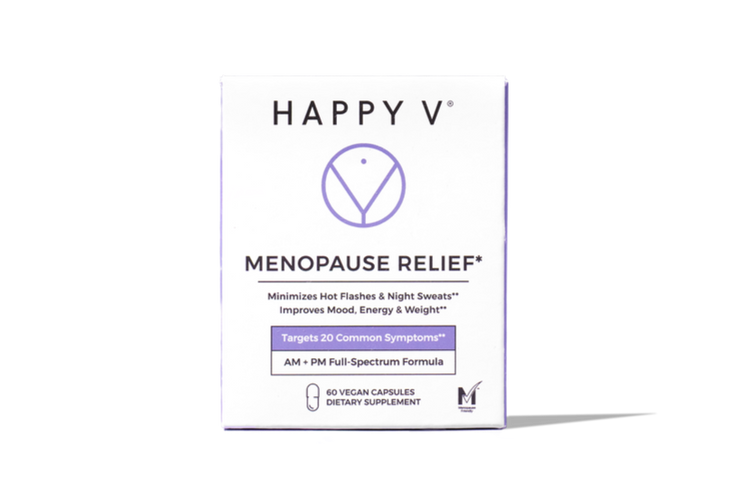
Menopause Relief AM + PM
Supports mood, energy and weight. Minimizes hot flashes and night sweats.
Don’t Fight Your Body, Work With It
Menopause belly fat is connected to hormonal changes you cannot control, but the choices you make every day still matter. Prioritizing protein, moving your body in ways that build and maintain lean muscle mass, getting enough sleep, and practicing stress management will all make a meaningful difference in combatting belly fat. And you don’t need the perfect plan, either, just a sustainable one.
Keep the Conversation Going
- Visit our blog for more women's health tips.
- Join our private Happy V Facebook group to hear from others who've been there.
- Explore supplements designed to support your vaginal health journey.
Disclaimer: This blog is for informational and educational purposes only and is not intended to diagnose, treat, cure, or prevent any disease. Statements about supplements have not been evaluated by the Food and Drug Administration. For more information about vaginal infections, visit the CDC or speak to a licensed healthcare provider.