


- Fact Checked
- July 08, 2026
- 12 min read
Is It Normal For Sex To Feel Dry, And What Really Helps?

- Written by Daniella Levy • Updated on August 27, 2026
- Updated on August 27, 2026

Table of Contents
Table of Contents
Sex is supposed to feel good. But if you're here, it's probably because right now, it doesn't. There's friction where there shouldn't be. Maybe a tightness or rawness that makes you tense up before things even begin. Maybe intimacy has quietly shifted from something you want to something you're finding reasons to avoid.
That shift is more common than most people realize, and it has a name. Vaginal dryness is one of the most frequent and least discussed reasons sex becomes uncomfortable,1 and it can happen at nearly any point in a woman's life. As common as it is, though, it isn't something you should have to push through. Relief exists, and we hope this guide puts you on the path to finding it, with clinical understanding and some evidence-based strategies.
This post is for informational purposes only and does not constitute medical advice. See full disclaimer below.
What Causes Vaginal Dryness During Sex?

While arousal is definitely one factor when it comes to overall vaginal lubrication,2 it isn’t the only one. Vaginal lubrication is a delicate interplay of hormones, circulation, nerve function, and overall vaginal tissue health.3 When any part of that system is off, dryness can follow.
Low estrogen is the most common culprit. Estrogen does a lot more in the body than most women realize, including keeping vaginal tissue thick, elastic, and well-lubricated.4 When estrogen drops, the vaginal lining becomes thinner, less elastic, and drier.5 This can reduce natural wetness and make the vaginal walls more prone to irritation and inflammation.

Common reasons estrogen dips include:
- Menopause and perimenopause.6 This is probably where your mind went first, and for good reason. The hormonal changes of menopause can lead to genitourinary syndrome of menopause (GSM),7 a condition that includes vaginal atrophy, vulvar dryness, and changes in urinary function. GSM affects a significant number of postmenopausal women, though it remains underreported and undertreated. You can read more about GSM in our article on The Phantom UTI: Why Perimenopause Might Make Your Bladder Burn (Even Without an Infection).
- Postpartum and breastfeeding.8 Nursing suppresses estrogen, which is why new mothers often notice vaginal dryness even when they are feeling aroused and otherwise healthy.
- Hormonal birth control.9 Some forms of hormonal contraception lower estrogen enough to affect vaginal tissue.
- Cancer treatment.10 Chemotherapy, radiation, and anti-estrogen drugs used in breast cancer treatment can all cause significant vaginal and vulvar dryness.
- Surgical menopause.11 Removal of the ovaries triggers an immediate drop in estrogen that can be more abrupt than natural menopause.
Beyond hormones, other contributing factors include:
- Decreased blood flow to the vaginal area. This can happen with aging, certain cardiovascular conditions, or a sedentary lifestyle12
- Aging nerves, which affect the nerve signals that trigger lubrication during arousal
- Sjögren's syndrome, an autoimmune condition that causes dryness throughout the body, including the vagina13
- Certain medications. These include antihistamines, antidepressants, and some allergy medications, which can have a drying effect on mucous membranes
- Stress and anxiety. Both redirect blood flow away from the genitals and interfere with arousal response14
Symptoms of Vaginal Dryness
While the name “vaginal dryness” sounds like a symptom in and of itself, there is actually more to it that’s worth understanding.
First off, vaginal dryness is not always just a during-sex problem. It can cause a range of symptoms that affect daily comfort and quality of life, including:
- Burning or irritation inside the vagina or on the vulva
- A feeling of tightness or pressure
- Pain during or after sex (dyspareunia) 15
- Thinning of the vaginal walls, making tissue more delicate and prone to tearing
- Inflammation of the vaginal walls
- Drying of the vaginal walls and a noticeable reduction in vaginal discharge
- Increased urinary frequency or urgency
- Recurrent urinary tract infections (UTIs), which can occur when vaginal tissue is less resilient
If you are experiencing bladder control problems alongside vaginal dryness, that combination is a hallmark of genitourinary atrophy and is worth discussing with your provider, as it only gets worse over time without intervention.
Vaginal Lubricants and Moisturizers: What Actually Works

Vaginal lubricants and moisturizers are two of the most accessible,16 impactful interventions for vaginal dryness and can provide serious relief. However, they are not the same thing. Despite being lumped together, they actually have different functions:
- Lubricants are used during sex to reduce friction in the moment. They do not change vaginal tissue over time; they just make the experience more comfortable in the moment.
- Vaginal moisturizers are used regularly (not just during sex) to hydrate vaginal tissue and support overall vulvovaginal health over time.
Treating your vaginal dryness might include the use of one or both, depending on symptoms and severity.
Choosing a Lubricant That Supports Vaginal pH
Not all lubricants are created equal, and when it comes to vaginal health, the wrong one can make things worse rather than better.
Many popular products contain ingredients that disrupt the vagina's naturally acidic pH (between 3.8 and 4.5),17 leaving you more vulnerable to irritation, bacterial vaginosis, and yeast infections. That's the last thing you need when you're already dealing with dryness. Since low estrogen also increases your susceptibility to vaginal imbalance, what you put in and around your vagina matters more than most labels will tell you.
When it comes to a lubricant, look for:
- Water-based lubricants.18 More specifically, look for one that’s been formulated to be pH-balanced. These are generally the safest option for vaginal health. Also look for products that are free of glycerin, parabens, and artificial fragrances. Glycerin, in particular, can feed yeast and should be avoided if you are prone to yeast infections.
- Plant oil-based lubricants (like coconut oil or vitamin E oil) are another pH-friendly option.19 They are naturally free of synthetic additives and are generally gentle on vaginal tissue. Note: plant oil-based lubricants are not compatible with latex condoms, as oil degrades latex.
- Natural oil balms. Ones designed specifically for vulvar use can provide comfort for external dryness and irritation.
And be sure to avoid:
- Silicone-based lubricants. These are long-lasting and slippery, which is part of their appeal, but they are not safe for use with silicone sex toys and some people find them harder to clean up. They are generally pH-neutral but not inherently nourishing for vaginal tissue.
- Lubricants with warming or cooling sensations, heavy fragrances, flavors, or numbing agents. These are frequent sources of vaginal irritation.
- Products marketed as "spermicidal" or containing nonoxynol-9, which can cause significant tissue irritation.
Vaginal Moisturizers
Unlike lubricants, which are just used in the moment, vaginal moisturizers are used two to three times per week to keep vaginal tissue hydrated and more resilient. They can be particularly helpful for women experiencing ongoing dryness related to menopause or cancer treatment.
Common formats include:
- Suppositories (inserted internally for deeper tissue hydration)20
- Disposable applicator formulas that deliver moisturizer directly to vaginal walls
- Hydrating moisturizers designed for both internal and external use
Any of these formats can be fine; it’s really a matter of personal preference. Whatever you choose, look for fragrance-free, pH-balanced formulas.
Hormonal Treatments for Vaginal Dryness
If lubricants and moisturizers aren't cutting it, and your dryness feels connected to a hormonal shift, particularly menopause or perimenopause, it may be time to look at options that address the root cause rather than just the symptoms.
For women whose dryness is driven by low estrogen, local vaginal estrogen is often the most effective solution available.21 Here's what makes it different from systemic hormone therapy: rather than affecting the whole body, vaginal estrogen acts locally, delivering low doses of estradiol directly to vaginal tissue with minimal absorption into the bloodstream.22 That distinction matters, especially for women who have concerns about hormone therapy more broadly.
Options include:
- Estrogen creams, applied directly to vaginal walls23
- Estrogen tablets, inserted with a disposable applicator24
- Vaginal ring (such as Estring), which slowly releases estradiol over several months25
Which format works best is largely a matter of preference and lifestyle. Some women find a vaginal ring easier to maintain consistently; others prefer the control of a cream or tablet.
Medication adherence matters here, because these treatments work best when used regularly, so it's worth being honest with your provider about what you'll actually stick with.
These options are generally considered appropriate even for women who can't use systemic hormone therapy. The exception: anyone on anti-estrogen drugs for breast cancer treatment. These women should talk to their oncologist before starting vaginal estrogen.
That conversation is worth having, because non-hormonal prescription options also exist for women who need to avoid estrogen entirely. Your OB-GYN can walk you through what's appropriate for your specific situation.
Other Ways to Improve Sexual Comfort and Pleasure

While there are many products you can use to combat vaginal dryness, some of the most meaningful changes happen outside the bedroom, in how you eat, manage stress, and move through daily life.
Here's what's worth paying attention to if you’re struggling with vaginal dryness:
- Take more time. Arousal is the body's natural lubrication trigger. More foreplay, more external sexual touch, and more attention to what actually feels good all support natural wetness. This is not just relationship advice. It is physiology.
- Experiment with what you don't usually do. Understanding your own arousal patterns, whether through solo exploration or with a partner, helps clarify what supports natural wetness for you specifically. Sex toys can be useful tools for this. Vaginal insertion is more comfortable when the body is genuinely aroused, which takes time and individual attunement.
- Look at what you're eating. Supporting vaginal health from the inside out isn't flashy, but it matters. A diet rich in phytoestrogens (think: flaxseed, soy, and legumes) and healthy fats (think: avocado, olive oil, and fatty fish) may help support hormonal balance and tissue health over time.26 Omega-3 fatty acids in particular have been studied for their role in reducing inflammation and supporting mucosal tissue.27 Also: stay hydrated. Mucous membranes throughout the body, including vaginal tissue, benefit from adequate water intake. It's not a cure, but chronic dehydration doesn't help.
- Take stress seriously. Stress is a real, physiological contributor to vaginal dryness, not just a mood issue. When the nervous system is in fight-or-flight mode, blood flow to the genitals decreases and arousal becomes harder to access. Practices that activate the parasympathetic nervous system, including breathwork, yoga, mindfulness, and adequate sleep, can support sexual health in ways that are easy to underestimate until you try them.
- Minimize known irritants. Scented soaps, douches, bubble baths, and certain laundry detergents can all irritate vaginal and vulvar tissue and compound dryness symptoms. Switching to fragrance-free products is an easy, low-cost first step that makes a real difference for a lot of women.
- Consider pelvic floor support. If pain with intercourse has become a consistent issue, a pelvic floor physical therapist can help address the muscular component, often working alongside other treatments for a more complete approach to vulvovaginal health.
- Support your body with the right supplements. For women in perimenopause or menopause, targeted supplementation can help fill in the gaps that diet alone doesn't cover. Happy V's Menopause Relief AM + PM is a dual-formula designed to work around the clock, using clinically studied ingredients like Ashwagandha and DIM to address the hormonal shifts that drive symptoms like vaginal dryness from multiple angles. Taking a morning and evening formula means your body has consistent support rather than a single daily dose trying to do all the work at once.
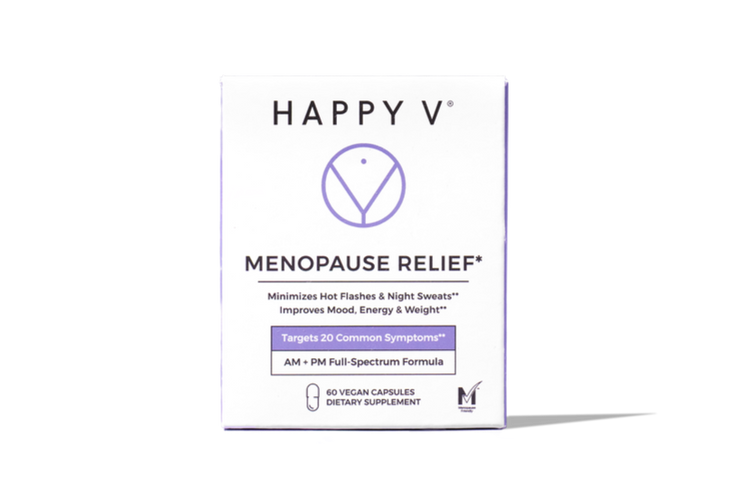
Menopause Relief AM + PM
Supports mood, energy and weight. Minimizes hot flashes and night sweats.
Support Resources and Programs
One of the most under-discussed parts of managing vaginal dryness, especially after menopause or cancer treatment, is knowing where to actually go for help.
Of course, your OB-GYN is a great first stop. Many women assume vaginal dryness is just something to put up with, or feel embarrassed raising it at an appointment, but it is a legitimate medical concern and a routine part of what gynecologists treat. To have the most impactful appointment possible, come prepared with specifics like when symptoms started, how often they occur, whether sex is painful, and any over-the-counter products you have already tried. This gives your provider what they need to move you toward the right treatment options faster.
If your OB-GYN does not specialize in this area or you want more targeted expertise, ask for a patient referral to a female sexual medicine and women's health program. These programs, often offered at academic medical centers and specialty practices, focus specifically on vulvovaginal health, sexual health, and conditions like vaginal dryness after menopause. Providers in these programs see this every day and are trained to help with complex cases, including those involving a history of cancer treatment.
If you are not sure where to start, your primary care doctor can also point you in the right direction. The important thing is to start the conversation rather than waiting for symptoms to worsen. Vaginal dryness is progressive without treatment, and the earlier you address it, the more options you have.
When to See a Specialist
Some vaginal dryness responds quickly to an over-the-counter lubricant or moisturizer. Some do not. Loop in your OB-GYN or a women's health provider if:
- Dryness is persistent and not improving with lubricants or moisturizers
- You are experiencing significant pain during or after sex
- Symptoms are affecting your quality of life, sleep, or relationship
- You have a history of breast cancer and are unsure which treatments are safe for you
- You are experiencing accompanying urinary symptoms like frequency, urgency, or recurrent UTIs
You do not have to figure this out alone, and you definitely do not have to accept discomfort as the new normal.
Keep the Conversation Going
- Visit our blog for more women's health tips.
- Join our private Happy V Facebook group to hear from others who've been there.
- Explore supplements designed to support your vaginal health journey.
Disclaimer: This blog is for informational and educational purposes only and is not intended to diagnose, treat, cure, or prevent any disease. Statements about supplements have not been evaluated by the Food and Drug Administration. For more information about vaginal infections, visit the CDC or speak to a licensed healthcare provider.