






- Fact Checked
- June 19, 2026
- 18 min read
The Phantom UTI: Why Perimenopause Might Make Your Bladder Burn (Even Without an Infection)

- Written by Daniella Levy • Updated on August 26, 2026
- Updated on August 26, 2026

Table of Contents
Table of Contents
You went to the bathroom and felt that tell-tale burning sensation. So you did exactly what you should do: you called your doctor and went in for a UTI test. But when the results came back, they showed no infection. Can that be right, especially when everything you're experiencing feels exactly like a UTI?
If you're in your 40s or early 50s and this sounds familiar, you're in good company. Thousands of women in perimenopause experience the hallmark symptoms of a UTI (the urgency, the burning, the relentless pelvic pressure) without having a UTI at all.
These "phantom UTIs," as they're sometimes called, have a not-phantom clinical explanation: the same hormonal shift that disrupts your cycle and triggers hot flashes and mood swings also changes the tissue lining your urethra and bladder. These changes can lead to distress signals that look and feel exactly like an infection, even when the lab says otherwise.
Luckily, there are treatment options available to help clear symptoms and get you feeling more comfortable. They just have nothing to do with antibiotics.
This post is for informational purposes only and does not constitute medical advice. See full disclaimer below.
What Is a Phantom UTI?

A phantom UTI is the experience of classic UTI symptoms, like burning with urination, urinary urgency or frequency, and pelvic pressure or discomfort, with no actual bacterial infection behind it.1
This isn't a misdiagnosis, and it's definitely not in your head. Phantom UTIs are a real physiological response to tissue changes happening throughout your lower urinary tract and genitourinary system as estrogen declines.2 If your UTI comes back negative and you are experiencing perimenopause or menopause, don't accept a shrug from your doctor or other medical professional. Ask them if it could be what's known as Genitourinary Syndrome of Menopause (GSM).
What Is Genitourinary Syndrome of Menopause (GSM)?
You may have heard of symptoms like "vaginal atrophy" when it comes to menopause and perimenopause, but that term is actually now considered outdated because it's a label that only captures part of what's going on. It's been replaced by Genitourinary Syndrome of Menopause, or GSM for short.3
GSM is the clinical term that refers to a whole collection of symptoms that stem from estrogen-driven changes to the vulva, vagina, urethra, and bladder, and it's considered a chronic, progressive condition, meaning it tends to worsen over time without intervention.4 This is different from other symptoms of menopause, like night sweats or mood swings, which tend to naturally improve over time as estrogen levels stabilize.
Symptoms of GSM can include UTI-like symptoms, such as urinary urgency and burning during urination, but it can also include other symptoms like:
- Vaginal dryness, irritation, burning, and itching
- Painful intercourse (dyspareunia) and decreased lubrication during sexual activity
- Loss of libido or difficulty with arousal and orgasm
- Pelvic pressure or discomfort
- Vaginal bleeding after sexual activity
GSM, though uncomfortable to talk about, is not to be taken lightly, by you or by healthcare professionals. It affects quality of life across multiple dimensions. Women dealing with phantom UTI symptoms are often also struggling with sexual dysfunction due to painful sex, reduced desire, and decreased lubrication, which can lead to a general loss of comfort and confidence in their bodies.5
None of this is helped by the fact that many women with GSM cycle through repeated antibiotic courses before anyone thinks to connect their bladder symptoms to their hormones.6 By that time, though, broader well-being has already taken a toll.
Why GSM Is Still Under-Diagnosed
Despite affecting the majority of postmenopausal women and a significant portion of women in perimenopause, GSM remains widely underdiagnosed and undertreated.7
Part of the problem? Women are often more embarrassed to bring up genitourinary symptoms like vaginal discomfort, urinary changes, and sexual pain than they are other menopausal symptoms, like hot flashes or weight gain.8
Another part of the problem is that providers aren't always trained to connect bladder complaints with hormonal status.9 Some of that is due to awareness and training, but there's also a cultural narrative to consider, too: that menopause symptoms are simply something to endure.
While we don't believe that about any menopause symptoms (especially those that are interfering with your life and confidence), scientifically speaking, that's really not true with GSM.10 As we said earlier, GSM is a progressive syndrome, or a chronic syndrome that doesn't plateau on its own, so typical symptoms that seem manageable in perimenopause often become more disruptive without treatment. And unlike conditions that are underdiagnosed because they're rare, GSM is underdiagnosed despite being extremely common, which means there are real, established treatment options available once it's on your radar.
If you've taken antibiotics for a UTI but aren't getting any relief from your symptoms, that's a signal something more may be going on. It's worth bringing it up directly when talking with your doctor: "My urine keeps coming back clean. Could this be hormone-related?" That one question (and the support and care conversation it opens) can change the entire direction of your treatment.
What's Actually Happening to Your Tissue
GSM is treatable. But before we get into what those treatments are, it's important to understand what's actually going on, so you understand why these treatments can provide relief.
Estrogen is the primary hormone responsible for maintaining the structural integrity of tissues throughout the genitourinary system.11 In the bladder and urethra, estrogen receptors are densely concentrated, which means estrogen actively regulates things like cell turnover, collagen production, blood flow, and the thickness of the mucosal lining in these tissues. When estrogen levels are regular, the urethral and bladder lining stays thick, well-hydrated, elastic, and resilient. This allows daily things like urination and sex to stay comfortable.
When estrogen declines, though, that changes. The hormonal shifts trigger both urinary tissue thinning and vaginal tissue thinning simultaneously, a hallmark of GSM's pathophysiology. The mucosal lining of the urethra loses its surface cell layers, which provide a buffer for the nerve endings underneath. Tissue fragility increases. The bladder wall becomes more permeable, meaning irritants in urine that could normally be tolerated without issue can trigger an inflammatory response. The result? Dysuria, or painful or burning urination, not because of bacterial invasion, but because the tissue itself has been structurally compromised.12
Like we said, these hormonal shifts affect the vagina, too. Lactobacillus species, which depend on estrogen-driven glycogen production to thrive, begin to decline. As they do, vaginal pH rises, making it easier for bad bacteria to grow, which is why estrogen deficiency increases not just phantom UTI symptoms but actual UTI risk as well.13
Who Is at Risk?

Any woman who has experienced a significant drop in estrogen levels can experience GSM.14 These drops can happen naturally throughout a woman's life or be sparked by an illness or medical procedure. The most common triggers include:
- Menopause and perimenopause. As ovarian function declines through the menopausal transition, estrogen deficiency becomes progressive. Urinary symptoms often precede other GSM symptoms, meaning bladder discomfort can be one of the first signs that estrogen decline is underway, years before a formal menopause diagnosis. So catching and treating it early can save you further discomfort down the road.
- Breastfeeding. Lactation suppresses ovarian estrogen production, often dramatically. Women who are breastfeeding can actually experience a postpartum estrogen dip that's comparable to surgical menopause (!), causing potentially significant vaginal dryness, dysuria, and urinary urgency. Unlike GSM during menopause, symptoms typically resolve after weaning but can be severe during the breastfeeding period.
- Postpartum estrogen dip. Even for women who aren't breastfeeding, the postpartum period involves a sharp estrogen drop as placental hormone production ceases. This can produce a brief but real window of GSM-like urinary and vaginal symptoms that is rarely discussed in postpartum care.
- Cancer treatment. Chemotherapy, pelvic radiation, and hormone-suppressing therapies (particularly aromatase inhibitors used for hormone-sensitive breast cancer) can induce rapid, severe estrogen deficiency. In women undergoing cancer treatment, GSM symptoms are common, undertreated, and can significantly impact a quality of life that's already pretty impacted by cancer. The tissue changes from treatment-induced estrogen deficiency can actually be more pronounced than those from natural menopause, so while you are discussing side effects with your doctor, don't forget about these ones.
- Surgical menopause. Bilateral oophorectomy, or the removal of both ovaries, causes an abrupt and complete cessation of ovarian estrogen production. The resulting estrogen deficiency is immediate and severe (unlike that associated with natural menopause, which is more of a slow decline). Without hormone therapy, urinary and vaginal tissue changes progress rapidly, which is why women who have had surgical menopause are at elevated risk for both phantom UTI symptoms and recurrent UTIs.15
How Is GSM Diagnosed?
Here's the frustrating truth: there's no single definitive test for GSM. Diagnosis is largely clinical, meaning it's based on a careful history and examination rather than a lab result. That's part of why it remains so underdiagnosed;it requires a provider who knows to look for it and ask the right questions.16
A thorough GSM assessment typically involves your provider asking about your full symptom picture: not just urinary symptoms, but vaginal dryness, sexual pain, changes in discharge, and how bothersome your symptoms are day-to-day. Those open-ended questions matter, because GSM touches so many areas of life that a narrow line of questioning will miss it. During a physical exam, a provider may note visible signs of tissue change, like thinning of the vaginal walls, reduced lubrication, or urethral meatal prominence (aka a visible change at the urethral opening that's a classic physical marker of GSM).17
A urine culture will likely be ordered to rule out true infection, and a negative result is actually an important diagnostic signal, not just a dead end.18 Repeated negative cultures in a woman with typical symptoms and risk factors for estrogen deficiency should prompt a conversation about GSM, not just another round of antibiotics.
It's also worth noting that GSM can coexist with other conditions like overactive bladder, interstitial cystitis, or pelvic floor dysfunction, which is why a specialist evaluation matters when the picture is complex.
If your primary care provider isn't connecting the dots, asking for a referral to a urogynecologist or a gynecologist with a menopause focus is a completely reasonable next step, not you being difficult. You know your body, and persistent symptoms that don't respond to standard treatment are always worth investigating further.
Phantom UTI vs. Real UTI: How to Tell the Difference

This is where things get tricky, and truthfully, you aren't the best person to make the final call. Your healthcare provider is, and even they can often only tell the difference after a lab test.
The symptoms between a phantom UTI and a real UTI are almost completely identical. Both can cause:
- A burning or stinging sensation during urination
- The constant, urgent need to urinate
- Feeling like you can never fully empty your bladder
- Pelvic or lower abdominal pressure
- General discomfort and irritability in the urinary tract
This is why testing is so important. It's really only a negative urine culture that will tell you if a UTI is real or phantom.
There are other patterns that emerge with phantom UTIs, too, including:
- Certain timing and triggers. Phantom UTI symptoms often correlate with hormonal fluctuations, so symptoms are often worse in the days before your period, after intercourse, or following a stressful week.19 True UTIs tend to come on more acutely.
- Associated symptoms. If your urinary symptoms are accompanied by vaginal dryness, itching, changes in discharge, discomfort with intercourse, or irregular cycles, that points toward a hormonal cause, not a bacterial one.
- Response to antibiotics. If you've completed multiple antibiotic courses with little or no relief, and symptoms return as soon as the course ends, the underlying problem is unlikely to be bacterial.
It's also worth knowing that having GSM doesn't protect you from getting a real UTI; it actually works the other way. The same tissue changes that generate phantom symptoms (thinner urethral lining, disrupted vaginal pH, declining Lactobacillus) also make you more vulnerable to actual bacterial infection. Many women in perimenopause are dealing with both: a baseline of phantom symptoms from estrogen-depleted tissue, plus episodes of genuine infection on top.20 If you're getting confirmed UTIs more than twice a year, that pattern is worth raising with your provider specifically in the context of GSM . Treating each infection with antibiotics alone, without addressing the underlying hormonal environment, tends to feel like a losing battle.
Red Flags: When to Always Get Tested
Even if you suspect (or even know you're experiencing) GSM, there are certain UTI symptoms that warrant immediate evaluation. These include:
- Fever, chills, or back/flank pain (these point to a possible kidney infection)
- Blood in the urine
- Symptoms that appear suddenly and intensely
- Any sign of systemic illness
Long story short: when in doubt, see your doctor and get a test. A urine culture is the only definitive way to rule out bacterial infection, and safety always comes first.
What Actually Helps With Phantom UTI Symptoms

Why don't antibiotics work for phantom UTIs? Because the underlying cause isn't bad bacteria; it's low estrogen affecting tissue health.
So rather than treating a non-existent infection, try one of these evidence-supported options instead:
Proper Hydration and Healthy Bladder Habits
When you're well hydrated, your urine is diluted, which reduces the concentration of irritants that makes your already-sensitive tissue sting.21 Aim for consistent water intake throughout the day, rather than large amounts at once, and avoid adding fuel to the fire by drinking common bladder irritants like caffeine, alcohol, carbonated drinks, and artificial sweeteners.
Timed voiding (urinating on a schedule rather than at the first urge) is also a simple behavioral strategy that can help reduce urgency and frequency over time.22 If you want to learn more about managing the full range of perimenopause symptoms, our guide to the 34 symptoms of menopause and perimenopause is a good place to start.
Daily D-Mannose and Cranberry Supplements
D-Mannose is a naturally occurring sugar that works by binding to certain bacteria in the urinary tract and preventing them from adhering to bladder walls. While it's best studied for bacterial UTI prevention, many women with GSM-related symptoms find it helpful for general bladder comfort, particularly because it has no antibiotic effects and won't disrupt the vaginal microbiome.23
Pure cranberry works similarly. Compounds called proanthocyanidins (PACs for short) help prevent bacteria from taking hold in the urinary tract.24 For women whose GSM symptoms leave them more vulnerable to real UTIs in addition to phantom ones, combining D-Mannose and cranberry into a daily supplement can be a powerful addition to a wellness routine. You can learn more about how these supplements work by reading Exploring D-Mannose: A Science-Backed Approach to Urinary Tract Health and Your Guide to Cranberry for UTI Management.
Daily Vaginal Probiotics and Microbiome Support
The vaginal microbiome (more specifically the Lactobacillus species living inside it) plays a key protective role in urinary tract health.25 Healthy Lactobacillus populations produce lactic acid, which keeps vaginal pH acidic and hostile to pathogens. As estrogen declines, Lactobacillus colonies naturally diminish, raising pH and increasing susceptibility to both infection and irritation.
Vaginal probiotic supplements formulated with clinically studied Lactobacillus strains can help restore and maintain a healthier microbiome balance, supporting both vaginal health and urinary tract comfort.

Pelvic Floor Exercises
Most people don't realize all the pelvic floor does. It's deeply involved in urinary function. It supports the bladder, regulates the urethra, and contributes to the sensation of urgency and control. As estrogen declines, pelvic floor tissues can weaken or become hypertonic (too tight), both of which can generate or worsen UTI-like symptoms.
A targeted pelvic floor muscles exercise program or even private sessions with a pelvic floor physical therapist can address urgency, frequency, and bladder pressure from a muscular standpoint.26 Some pelvic floor specialists also recommend gentle vibrator use as a rehabilitation tool, since stimulation promotes blood flow and helps maintain tissue elasticity in estrogen-depleted tissue. Vaginal moisturizers, used regularly rather than just at intercourse, are another helpful non-prescription option. They maintain tissue hydration and reduce the low-grade irritation that estrogen-thinned tissue is prone to. If you don't know where to find a pelvic floor therapist, your primary care doctor or gynecologist is a great resource.
Vaginal Estrogen and Hormone Support
These are strategies done under the guidance and recommendation of a doctor, but it's worth knowing about so you can start a conversation.
For many women, the most direct solution to GSM-related bladder symptoms is locally applied estrogen. Vaginal estrogen preparations, which can come as creams, vaginal oestradiol tablets, suppositories, or a vaginal ring, work directly on the tissue that needs it, thickening and restoring the urethral and vaginal lining and reducing the sensitivity that drives phantom UTI symptoms.27 Because vaginal estrogen acts locally with minimal systemic absorption, it's generally considered appropriate even for women who aren't candidates for systemic hormone therapy. This includes many breast cancer survivors.
For women who cannot use estrogen for whatever reason, alternatives do exist. Ospemifene is an oral selective estrogen receptor modulator (SERM) approved specifically for GSM. It acts on genitourinary tissue without stimulating breast tissue. Prasterone (DHEA) is a vaginal insert that converts locally to estrogen and testosterone. It can also be worth asking about laser therapy, an emerging energy-based option that stimulates tissue remodeling and is increasingly available through gynecologists and urogynecology practices.
If you're not ready for prescription options, a well-formulated supplement can support your body during this transition. Happy V's Hormone Balance + Menopause Relief is designed to support hormonal equilibrium and ease the range of symptoms, including urinary discomfort, that can come with declining estrogen.
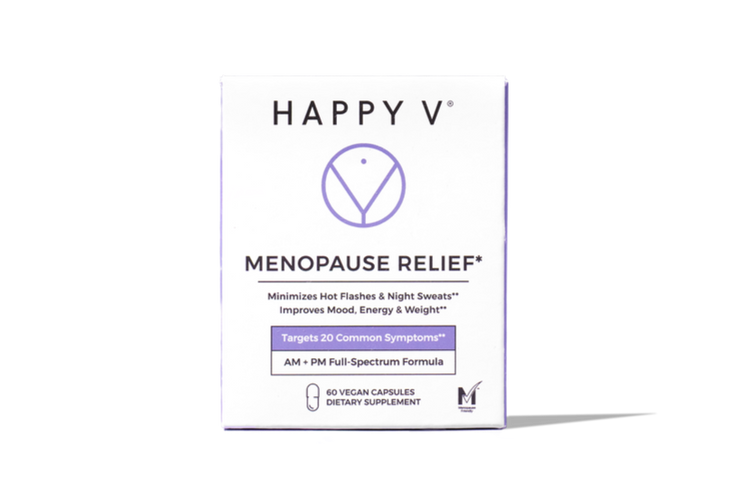
Menopause Relief AM + PM
Supports mood, energy and weight. Minimizes hot flashes and night sweats.
Whichever direction you're considering, whether hormonal therapy, laser treatment, or a natural supplement, the conversation to have with your provider is: Could my bladder symptoms be related to estrogen decline? Is vaginal estrogen appropriate for me?
When to See a Specialist
If your symptoms are persistent, significantly impacting your quality of life, or don't improve with the strategies above, a referral to a urogynecologist or gynecologist with a menopause focus is definitely worth pursuing. You do not (and should not!) suffer through menopause symptoms, especially those that point to GSM, since they may actually get worse with time, not better.
Specialist evaluation is especially warranted if you're experiencing:
- Symptoms resembling interstitial cystitis, like chronic bladder pain, pressure, and urgency unrelated to infection
- Signs of overactive bladder (OAB), like frequent, sudden, difficult-to-control urges to urinate
- Pelvic organ prolapse or significant urinary incontinence
- Recurrent confirmed UTIs (meaning more than two per year)
- Sexual dysfunction, including painful intercourse, loss of libido, or significantly decreased lubrication, that is affecting your quality of life
While these symptoms can feel isolating, specialists deal with them on a daily basis and are likely more familiar with relief options like vaginal estrogen, pelvic floor therapy, SERM therapy, laser therapy, and advanced diagnostics than a more general practitioner. A multidisciplinary approach, involving your gynecologist, a urogynecologist, and a pelvic floor therapist, often yields the best results for women with complex or persistent GSM symptoms. And regular follow-up visits matter, too! GSM is a chronic condition, and your treatment plan may need adjusting over time.
Resources and Further Information
Whether you're preparing for a conversation with your provider or just trying to understand what's happening in your body, these resources are a helpful starting point.
- For patients: The Menopause Society (formerly NAMS) offers patient guides on GSM, vaginal health, and hormone therapy written for a general audience. These can be useful to bring to appointments as a way to open what can feel like a sensitive discussion. The Women's Wellness and Healthy Aging Program at UCLA Health is another excellent resource for healthcare professionals and patients alike.
- On treatment access: Many women don't realize that vaginal estrogen is available at ultra-low doses with a strong safety profile, separate from systemic hormone therapy. If cost is a concern, ask your provider about generic formulations. They're significantly more affordable than branded options. It's also worth noting that Women's Health Initiative data has been widely misapplied to local vaginal estrogen, which has a very different absorption and risk profile than systemic therapy.
- From Happy V: Our blog covers the full range of women's urinary and vaginal health topics with the same evidence-based, judgment-free approach. A few guides worth bookmarking:
Keep the Conversation Going
- Visit our blog for more women's health tips.
- Join our private Happy V Facebook group to hear from others who've been there.
- Explore supplements designed to support your vaginal health journey.
Disclaimer: This blog is for informational and educational purposes only and is not intended to diagnose, treat, cure, or prevent any disease. Statements about supplements have not been evaluated by the Food and Drug Administration. For more information about vaginal infections, visit the CDC or speak to a licensed healthcare provider.