

- Fact Checked
- February 25, 2026
- 15 min read
Bleeding After Sex But No Pain? Here's What You Need to Know

- Written by Daniella Levy • Updated on August 14, 2026
- Updated on August 14, 2026

Table of Contents
Table of Contents
You just had sex, and because you care about your vaginal and urinary health (right?!), you’re using the bathroom to flush away any bad bacteria, when you wipe and notice you’re bleeding. Which is a little alarming, but also strange because nothing hurts. No cramping, no burning, no discomfort at all. So what gives?
Postcoital bleeding (aka the fancy medical term for bleeding after sex) is surprisingly common, affecting up to 9% of menstruating women at some point in their lives. And while it can definitely be upsetting to see blood when you're not expecting it, the good news is that most of the time, it's not a sign of anything serious.
That said, understanding why you're bleeding—and when you should see a doctor—can give you peace of mind and help you take steps to prevent it from happening again. Because while this kind of bleeding is “normal,” it doesn’t mean it should be your new post-sex reality.
This post is for informational purposes only and does not constitute medical advice. See full disclaimer below.
Common Causes of Bleeding After Sex

When bleeding happens without pain, it usually means the cause is related to fragile tissue, hormonal changes, or minor irritation rather than infection or injury1.
As you might imagine, your sensitive cervix and vaginal walls contain many tiny blood vessels. Even gentle friction during sexual intercourse can sometimes cause light bleeding if those tissues are particularly delicate or dry.
Vaginal Dryness
This is one of the most frequent culprits behind painless postcoital bleeding2. When your vaginal tissues don't have enough natural lubrication, friction during intercourse can cause tiny tears or abrasions in the vaginal walls. These micro-tears are (luckily) usually too small to cause pain, but they can result in light spotting or pink-tinged vaginal discharge.
Vaginal dryness can happen for many reasons, with the most common being low estrogen (especially during breastfeeding, perimenopause, or menopause), hormonal birth control, certain medications like antihistamines or anti-estrogen treatments, stress, or simply not being fully aroused before penetration3.
Cervical Ectropion

Also called cervical erosion (though, don’t panic, nothing is actually eroding), cervical ectropion occurs when the soft cells that normally line the inside of your cervical canal extend onto the outer surface of the cervix4. These cells are more delicate and contain more cervical blood vessels than the tougher cells that typically cover the cervix's exterior. During sex, contact with the cervix can cause these fragile cells to bleed slightly.
Cervical ectropion is completely benign and more common in younger women, pregnant women, and those taking hormonal types of birth control.
Hormonal Changes
Your hormones fluctuate throughout your menstrual cycle, and these shifts can affect your cervical and vaginal tissues5. Some women notice light spotting during ovulation or in the days leading up to their period, and sex during these times might also trigger a bit of bleeding. Hormonal contraceptives can also cause irregular bleeding, especially in the first few months of use.
Low estrogen levels—whether from menopause, perimenopause, breastfeeding, or certain medications—can thin the vaginal walls (a condition called vaginal atrophy), making them more prone to bleeding with minimal contact6.
Cervical or Endometrial Polyps

Cervical polyps are among the most common causes of postcoital bleeding in women of all ages7.
Polyps are small, benign growths that can develop on the cervix or inside the uterus8. They're usually noncancerous, and you may not even know you have them, but because they're soft and contain blood vessels, they can bleed easily when bumped during sex.
Minor Tears or Abrasions
Sometimes bleeding is simply the result of enthusiastic sex, certain sex positions that create more friction or deeper penetration, or not enough foreplay before things get going9.
Vaginal tearing from penetrative sex is usually minor, and these small injuries typically heal on their own within a day or two.
Cervicitis (Inflammation of the Cervix)
Cervicitis is inflammation of the cervix, often caused by sexually transmitted infections like chlamydia or gonorrhea, but it can also result from bacterial vaginosis, yeast infection, or other vaginal infections10.
While cervicitis can sometimes cause pelvic discomfort or unusual discharge, it can also be completely painless and only show up as light bleeding after sex.
Pelvic Inflammatory Disease (PID)
Pelvic inflammatory disease is an infection of the reproductive organs, usually caused by untreated STIs11. While it often comes with symptoms like pelvic pain, fever, or abnormal discharge, some cases are mild, and the only sign might be spotting after intercourse.
Endometriosis
Endometriosis occurs when tissue similar to the uterine lining grows outside the uterus12. While this condition is typically associated with painful periods and painful sex, some women with endometriosis experience bleeding after sex without significant discomfort, particularly if endometrial tissue is present on or near the cervix.
Uterine Fibroids
These benign tumors in the uterine wall can sometimes cause irregular bleeding, including after sex13. Most fibroids don't cause pain, though larger ones might create a feeling of fullness or pressure. Uterine fibroids are more common as women age and can contribute to both heavy bleeding during menstruation and spotting after sexual activity.
Intrauterine Device (IUD)
If you have an IUD for birth control, especially a copper IUD, you might experience spotting after sex, particularly in the first few months after insertion14. That’s because the device can sometimes irritate the cervix or uterine lining, leading to light bleeding.
Risk Factors That Increase Your Chances of Bleeding After Sex
While postcoital bleeding can happen to anyone, certain factors significantly increase your risk.
Age and Life Stage
The ages where women are most likely to experience bleeding after sex are during the postpartum period and perimenopause or menopause15. That’s because these life stages often involve a significant shift in hormones.
As you approach and move through menopause, declining estrogen levels cause the vaginal walls to become thinner, drier, and less elastic, a condition known as vaginal atrophy or genitourinary syndrome of menopause16. This makes the tissue far more susceptible to bleeding from friction during sex, making women in perimenopause and postmenopausal women among the highest-risk groups for postcoital bleeding.
Similarly, the weeks and months following childbirth bring dramatic hormonal shifts, especially if you're breastfeeding17. Low estrogen during this time can cause significant vaginal dryness and tissue fragility, increasing your likelihood of experiencing bleeding after sex.
Hormonal Medications and Treatments
Certain medications that affect your hormone levels can significantly impact your risk of postcoital bleeding18.
Hormonal types of birth control (think: pills, patches, rings, and hormonal IUDs) can all affect your vaginal tissue and cervical cells19. Some formulations may thin the endometrial lining or alter cervical mucus production, making light bleeding more likely, especially in the first three months of starting a new birth control method.
Even more dramatically, anti-estrogen medications like aromatase inhibitors or selective estrogen receptor modulators (SERMs), often prescribed for breast cancer or fertility issues, can significantly reduce estrogen levels and lead to vaginal atrophy, dramatically increasing the risk of bleeding20.
Sexual Activity Patterns
How you have sex can influence your bleeding risk21. Deep penetration sex positions that repeatedly contact the cervix are more likely to cause bleeding, especially if you have cervical ectropion or cervical polyps. Positions that create more friction against vaginal walls can also increase risk if natural lubrication is insufficient. More intense or rough sexual activity increases the likelihood of minor vaginal tearing or cervical trauma, even when you're adequately aroused.
Additionally, rushing into penetrative sex before you're fully aroused means less natural lubrication and more fragile tissue, both of which increase the likelihood of bleeding.
Medical Conditions
Several underlying medical conditions can make you more susceptible to bleeding after sex22.
Endometriosis can make cervical and pelvic tissues more prone to bleeding, particularly if endometrial implants are located near the cervix or vaginal walls23.
Certain autoimmune conditions can affect tissue integrity and healing, potentially increasing bleeding risk, and conditions like lupus or Sjögren's syndrome may also cause vaginal dryness24.
Uterine fibroids and polyps significantly increase your risk of bleeding after sex due to their fragile, vascularized structure25. Additionally, conditions like genital herpes or other STIs that cause genital sores can lead to bleeding during sexual contact.
Infection History
Your history with infections plays a role in your current bleeding risk26. A history of chlamydia, gonorrhea, or other sexually transmitted infections increases your risk of cervicitis, PID, and chronic cervical inflammation that can lead to bleeding.
Similarly, recurrent bacterial vaginosis or yeast infections can compromise vaginal tissue health over time, making tissues more fragile and prone to bleeding with friction.
Other Medications
Beyond hormonal treatments, other common medications can increase bleeding risk.
Anticoagulant medications (aka blood thinners) can make any minor trauma more likely to bleed and make bleeding more noticeable.
Antihistamines and decongestants (yes, allergy and cold medicines) can also contribute to vaginal dryness by reducing overall mucus production throughout the body, which decreases natural lubrication during sex27.
Lifestyle Factors
Certain lifestyle choices can impact your tissue health and bleeding risk. Tobacco use decreases estrogen levels and impairs blood flow to vaginal tissues (among many other less-than-desirable side effects), contributing to atrophy and dryness.
Douching disrupts the vaginal microbiome and can cause irritation to delicate vaginal tissues, increasing bleeding risk, which is why most healthcare professionals advise against it completely28.
Is Bleeding After Sex a Red Flag?
Good news: no. Most of the time, light spotting after sex without pain is nothing to panic about. That being said, there are times when postcoital bleeding can signal something that needs medical attention.
Your bleeding is likely no biggie if:
- It's light spotting (just a little pink or red on toilet paper)
- It happens only occasionally, not every time you have sex
- It stops on its own within a day
- You recently started a new birth control method
- You're in perimenopause or menopause
- You just had a baby or are breastfeeding
- You have an IUD
However, you should make an appointment to see your doctor if:
- Bleeding is persistent, or you bleed after sex regularly (more than once or twice)
- Bleeding is heavy, meaning you’re soaking through a pad or seeing bright red blood that lasts more than a day
- You're postmenopausal. Any vaginal bleeding after menopause should always be evaluated, as it can be a sign of endometrial hyperplasia or, rarely, cervical cancer
- You have other symptoms, like unusual vaginal discharge, pelvic pain, fever, or symptoms of STIs
- You're pregnant: Any bleeding during pregnancy should be reported to your doctor
- You haven't had a recent Pap test: Regular cervical screening is important
How Doctors Diagnose the Cause
If you see a healthcare provider about bleeding after sex, your doctor will begin by taking a thorough medical history, asking about your bleeding patterns, sexual history, birth control use, menstrual cycle, and any other symptoms you've been experiencing. This conversation helps them narrow down potential causes and determine which tests might be most helpful, so it’s important to be honest (even if it’s a bit uncomfortable).
Next, they'll likely perform a pelvic exam (like the one you get at your annual gynecologist appointment) to look for signs of irritation, polyps, cervical ectropion, or infection.
If you're due for routine screening or if your doctor sees something concerning during the exam, they may perform a Pap smear to screen for abnormal cervical cells that could indicate precancerous changes or cervical cancer. They may also recommend STI testing for sexually transmitted infections like chlamydia and gonorrhea that can cause cervicitis and bleeding.
The results of these tests will tell them where to go next. If initial tests suggest abnormal cervical cells or other concerns, your doctor might perform a colposcopy, a procedure that uses a special magnifying instrument to get a closer look at your cervix and potentially take a small tissue sample or biopsy.
To visualize your internal reproductive organs, your doctor may order a transvaginal ultrasound, which can help identify uterine fibroids, polyps, or signs of endometriosis. In some cases, particularly for postmenopausal women or those with specific risk factors, your doctor might recommend an endometrial biopsy, where they take a small tissue sample from your uterine lining for testing.
While this list of potential tests might sound overwhelming, your doctor will tailor their approach based on your specific symptoms, risk factors, and what they observe during your initial exam, and many of the tests are quick and relatively painless.
Prevention and Self-Care Tips

Postcoital bleeding happens to the best of us, but if you feel like it’s becoming more regular and your doctor has ruled out underlying causes, you can significantly reduce the occurrence through simple self-care and prevention.
Use Plenty of Lubricant
This is one of the most effective ways to prevent bleeding caused by vaginal dryness. Choose a high-quality personal lubricant and apply liberally before and during sex (water-based lube is compatible with condoms and less likely to disrupt your vaginal microbiome, just FYI).
Adequate lubrication protects against vaginal tearing and reduces friction that can damage delicate cervical blood vessels.
Prioritize Foreplay
Arousal increases natural lubrication and blood flow to the vagina, which helps tissues become more elastic and resilient. Taking time for adequate foreplay before penetration can make a significant difference in comfort and reduce the risk of minor tears or abrasions (plus it ups the intimacy factor).
Experiment With Sex Positions
Some positions create more friction or deeper cervical contact than others. Try positions that allow you to control the depth and angle of penetration, and avoid anything that feels uncomfortable or too intense. This is particularly important if you have cervical ectropion or cervical polyps.
Use Vaginal Moisturizers

Unlike lubricants (which you use during sex), vaginal moisturizers are applied regularly—typically every few days—to keep vaginal tissues hydrated and healthy. They're especially helpful for women experiencing low estrogen, whether from menopause, breastfeeding, or hormonal birth control.
Consider Vaginal Estrogen
If you're experiencing vaginal atrophy due to low estrogen, topical vaginal estrogen cream can be incredibly effective at restoring tissue health and elasticity. Talk to your doctor about whether this is a good option for you.
Support Your Vaginal Microbiome
A balanced vaginal microbiome is essential for maintaining healthy vaginal tissue and preventing infections that can contribute to bleeding. Your vaginal environment relies on beneficial Lactobacillus bacteria to keep pH balanced and harmful microbes in check.
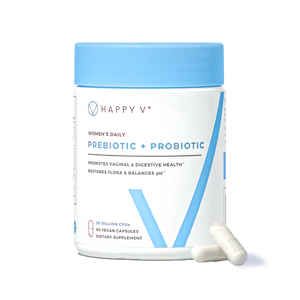
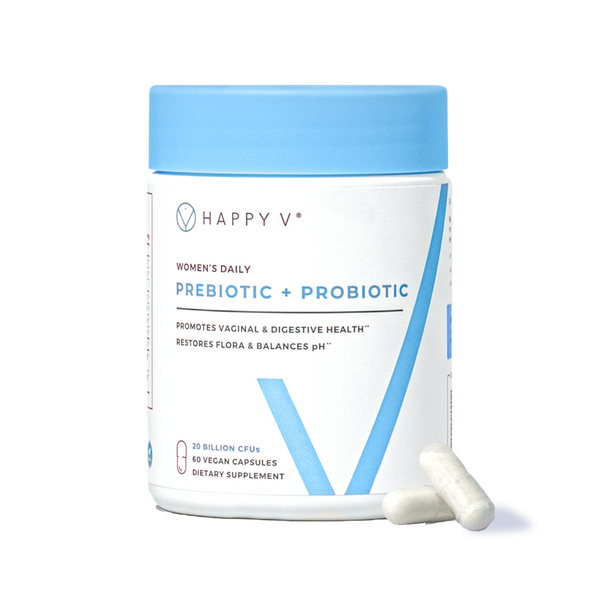
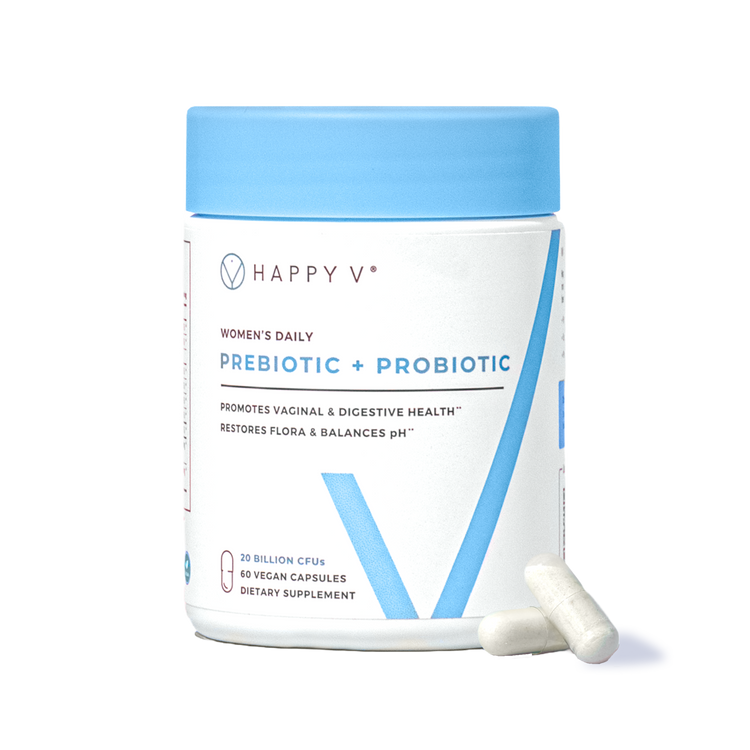
Taking a daily probiotic specifically formulated specifically for women's health—like Happy V Prebiotics + Probiotics—can help support this delicate ecosystem.
Happy V contains clinically studied strains including Lactobacillus acidophilus LA-14®, Lactobacillus rhamnosus HN001™, and Lactobacillus crispatus CCFM1110™, which work together to maintain optimal vaginal pH, reduce the risk of bacterial vaginosis and yeast infections, and promote overall vaginal wellness. Preclinical studies show that Happy V's unique combination of strains exhibits activity against Gardnerella vaginalis and Candida albicans—two of the most common culprits behind vaginal infections that can lead to cervicitis, inflammation, and bleeding.
 Bestseller
Prebiotic + Probiotic
Maintains vaginal pH and restores gut health.
By keeping your vaginal microbiome balanced, you're creating an environment where tissues can stay healthy and resilient, potentially reducing inflammation that might contribute to postcoital bleeding. This is especially important if you're at higher risk due to age, hormonal medications, or medical conditions.
Practice Safe Sex and Get Regular STI Screening
A short tip but an important one: Using condoms consistently and getting tested regularly for sexually transmitted infections protects you from infections that can cause cervicitis, PID, and bleeding.
Track Your Symptoms
Keep notes about when bleeding occurs, how heavy it is, what you were doing, where you are in your menstrual cycle, and any risk factors that might apply. This information helps identify patterns and gives your doctor valuable context.
Avoid Douching
Douching disrupts your vaginal microbiome and can irritate vaginal tissue, increasing your risk of vaginal infection and bleeding. More than that, it’s completely unnecessary because your vagina is self-cleaning.
Final Thoughts
Bleeding after sex without pain is usually nothing to panic about, but it's definitely worth paying attention to, especially if you have underlying risk factors like age, hormonal medications, medical conditions, or certain sexual practices that increase your likelihood of experiencing postcoital bleeding.
In most cases, simple changes like using more lubrication, extending foreplay, adjusting sex positions, or supporting your vaginal health with probiotics can make a real difference.
If bleeding happens more than once or twice, or if anything feels off, don't hesitate to see your healthcare provider. Most causes of postcoital bleeding are easily treatable once identified, and getting checked out gives you the peace of mind you deserve.
Keep the Conversation Going
- Visit our blog for more women's health tips.
- Join our private Happy V Facebook group to hear from others who've been there.
- Explore supplements designed to support your vaginal health journey.
Disclaimer: This blog is for informational and educational purposes only and is not intended to diagnose, treat, cure, or prevent any disease. Statements about supplements have not been evaluated by the Food and Drug Administration. For more information about vaginal infections, visit the CDC or speak to a licensed healthcare provider.