

- Fact Checked
- June 22, 2026
- 13 min read
How to Support Healthy Ovulation Naturally

- Written by Daniella Levy • Updated on August 14, 2026
- Updated on August 14, 2026

Table of Contents
Table of Contents
What you put into your body (and what you avoid) matters more than most people realize and impacts them in ways they don’t expect. Take alcohol, nicotine, and caffeine, for example. Most people know the common negative impacts that they can have on the body, especially in excess, but what many don’t realize is that they can also interfere with the hormonal signals that drive ovulation.
Ovulation is not just about fertility. It is a sign that your hormones are communicating well, that your body has enough nutritional support, and that your reproductive system is functioning the way it should. When ovulation is regular and healthy, it signals good things about your overall hormonal and reproductive health.
If something is off (think: late, missed, or generally unpredictable periods with crazy PMS symptoms), that’s a sign your body needs some extra support. Luckily, providing that support comes down to a few key daily habits.
This post is for informational purposes only and does not constitute medical advice. See full disclaimer below.
What Is Ovulation and Why Does It Matter Beyond Fertility?

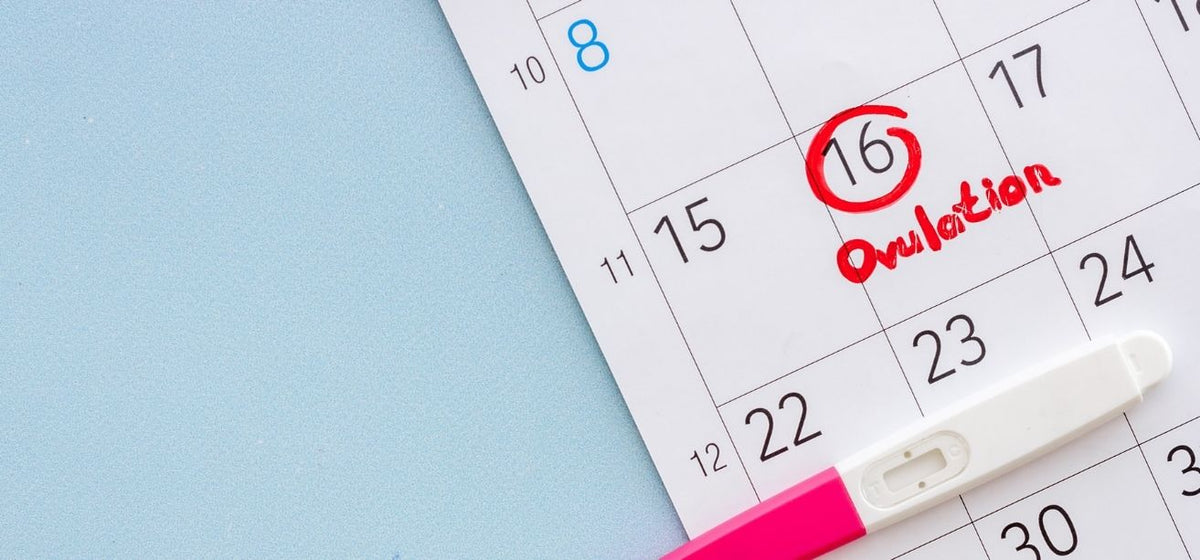
Ovulation is the moment in your menstrual cycle when one of your ovaries releases a mature egg.1 It typically happens around the middle of your cycle (so roughly 12 to 16 days before your next period starts), and it is the result of a carefully coordinated hormonal conversation between your brain and your ovaries.
Here is how that conversation works: your brain's pituitary gland releases FSH (or follicle-stimulating hormone), which tells your ovaries to start maturing an egg.2 As that egg develops, your ovaries produce estrogen, which eventually triggers a surge of LH (or luteinizing hormone). That LH surge is basically the green light for ovulation. With it, the egg releases, and your body shifts into the second half of your cycle, producing progesterone to prepare for a potential pregnancy.
When that process is working smoothly, your cycles tend to be regular, your PMS symptoms are manageable, your energy and mood follow a predictable rhythm, and your body feels more like itself.3 When something disrupts it, you might notice irregular periods, missing periods, heavier or lighter flow, mood swings, or difficulty conceiving.

Long story short, ovulation isn’t only a marker of general fertility. It’s your body’s monthly report card on your overall hormonal health.
FAQ
What foods help support healthy ovulation naturally?
Can stress affect ovulation, and how do I fix it?
How do I know if I am ovulating regularly?
Does age affect ovulation, and when should I be concerned?
What are the best natural supplements for ovulation support?
Signs Your Ovulation May Need Support

While a blood test or an ultrasound is the only way to know with 100% certainty that ovulation is or isn’t happening, your body does give you clues. These include;
- Irregular or missing periods. If your cycle length varies wildly from month to month, or if you are skipping periods entirely, ovulation may not be occurring consistently.
- No mid-cycle cervical mucus changes. Around ovulation, most women notice a clear, stretchy discharge similar to egg whites. If you never see that shift, it could mean you are not ovulating.
- Very short or very long cycles. Cycles shorter than 21 days or longer than 35 days can indicate that the hormonal signaling behind ovulation is not quite right.
- PMS symptoms that feel extreme. While some premenstrual changes are normal, severe mood swings, prolonged bloating, or heavy symptoms can point to hormonal imbalances that affect ovulation quality.
- Difficulty conceiving. If you have been actively trying for six months to a year without success, irregular ovulation may be a factor worth investigating with your healthcare provider.
Now, any one of these symptoms on its own doesn’t necessarily mean that something’s wrong, but if you are noticing a pattern of these symptoms, it’s worth paying attention because (as you’re about to read) there’s a lot you can do to support your body.
Natural Ways to Support Healthy Ovulation
Supporting ovulation naturally is not about one single change, which makes sense, given that ovulation is actually the end result of a sort of multi-step process.4 It’s about creating the conditions your body needs to do what it already knows how to do.
If regular ovulation and overall hormonal health is a wellness goal of yours, here are the areas that matter most.
Eat a Hormone-Supporting Diet
Your ovaries actually need a steady supply of nutrients to produce hormones and mature eggs.5 A diet rich in whole foods, healthy fats, quality protein, and plenty of vegetables provides that foundation. Omega-3 fatty acids from fish, flaxseeds, and walnuts help support healthy inflammation levels, which matters for ovulation, and complex carbohydrates from whole grains and legumes help keep blood sugar stable. This stability directly influences insulin, which directly influences ovarian function. (It’s amazing how connected the body is, isn’t it?)
A diet that brings all these tenants together is the Mediterranean-style diet built around vegetables, legumes, whole grains, olive oil, and lean protein.6 It’s actually one of the most studied dietary patterns for reproductive health.
If fertility is a concern, adequate iron, particularly from non-heme sources like lentils and leafy greens, supports healthy egg maturation, and getting enough folate, vitamin B6, and vitamin C from food provides a strong nutritional foundation before you even add supplements.7
On the flip side, diets high in refined sugar, processed foods, and refined carbs can spike insulin and throw off the hormonal balance your ovaries depend on.8 Your diet doesn’t need to be perfect, but consistently choosing whole foods over processed ones gives your reproductive system a much better environment to work in.
Manage Your Stress
Chronic stress isn’t just exhausting. When it comes to ovulation specifically, it can be a genuine disruptor.9 Persistent stress elevates cortisol, which can suppress GnRH (or gonadotropin-releasing hormone), the signal your brain sends to kick off the entire ovulation process. When cortisol stays high for too long, your body essentially decides that reproduction is not the priority right now, and ovulation can become irregular or stop altogether.
Stress management looks different for everyone. Meditation, yoga, and breathing techniques have good evidence behind them for lowering cortisol and supporting emotional regulation, but they aren’t everyone’s go-to.10 Others do better with a walk outside, time with friends, or a hard boundary around work after a certain hour.
Whatever works for you, making it a regular part of your routine matters more than doing it perfectly (are you sensing a theme yet?).11 If stress feels genuinely unmanageable, working with a mental health professional is not just good for your wellbeing; it may be one of the most impactful things you do for your cycle.
Move Your Body (But Don’t Overdo It)
Regular, moderate exercise supports ovulation by improving insulin sensitivity, reducing inflammation, and helping regulate the hormonal signals your ovaries rely on.12 Walking, cycling, swimming, weight-bearing exercises, and strength training all help… so long as you balance it.
Excessive high-intensity exercise, especially when paired with calorie restriction, can actually suppress ovulation by signaling to your body that energy reserves are too low for reproduction.13 The sweet spot is consistent, moderate movement that makes you feel good without running your body into the ground.
While everyone has different body types, both very low and very high BMI can interfere with ovulation through their effects on insulin, estrogen, and the hormonal signaling chain.14 Reaching and maintaining a healthy weight range (not an exact number, but a range where your body functions well) supports more regular cycles and better ovarian health overall.
Prioritize Sleep
Sleep is actually when your body does most of its hormonal housekeeping. The hormones that regulate your cycle, including melatonin, cortisol, FSH, and LH, all follow circadian rhythms that depend on consistent, quality rest. Poor sleep, insomnia, and irregular sleep schedules can all disrupt those rhythms and throw off ovulation timing.15
Seven to nine hours of quality sleep per night, with a consistent bedtime, is one of the simplest and most effective natural ways to support a regular cycle (and lots of other good wellness things, too).16 Good sleep hygiene, like keeping your room cool and dark, limiting screens before bed, and winding down at a consistent time, is worth treating as a genuine self-care priority, not an afterthought.
Be Mindful of Disruptors
What you drink and inhale matters for ovulation, often more than people expect.
Alcohol can interfere with the liver's ability to metabolize estrogen properly, contribute to hormonal imbalance, and disrupt the sleep quality that healthy cycles depend on. Moderate consumption may not have dramatic effects, but for women dealing with irregular cycles or actively trying to conceive, it is worth reducing or even eliminating altogether.17
Nicotine and smoking are directly linked to accelerated ovarian aging, reduced egg quality, and earlier onset of fertility decline.18 If smoking is part of your current picture, smoking cessation is one of the single highest-impact changes you can make for your reproductive health.
Caffeine is more nuanced. Moderate intake (roughly one to two cups of coffee per day) is generally considered fine, even throughout pregnancy, but higher consumption has been associated with longer time to conception in some studies.19 It is worth being honest about how much you are actually consuming, not just through coffee but also through tea, soda, and even chocolate.
Finally, environmental toxins, including pesticides, hazardous chemicals, and some preservatives found in heavily processed foods, can act as endocrine disruptors, interfering with hormonal signaling at a cellular level. While it’s unrealistic to think you can avoid all of them, choosing organic produce when possible, reducing plastic use, and eating less processed food are practical ways to lower your overall exposure.20
Give Your Body the Right Vitamins and Nutrients

Along with a hormone-supporting diet, adding key vitamins and nutrients to your routine in the form of supplements can also make a difference, especially with women who are struggling with infertility or conditions like PMOS (formerly PCOS).21
Some of the vitamins and nutrients with the most promising research include:
- Myo-inositol and D-chiro-inositol. Myo-inositol is a naturally occurring compound that acts as a second messenger for FSH, the hormone that tells your ovaries to mature an egg.22 In women with irregular cycles, supplementation has been shown to support ovulation and improve cycle regularity. The clinically studied 40:1 ratio of myo-inositol to D-chiro-inositol is considered the gold standard for hormonal and reproductive support, and a high-quality supplement should make that ratio apparent via their label.
- CoQ10. CoQ10 is a powerful antioxidant that supports the energy production your eggs need to mature properly. Believe it or not, your eggs are some of the most energy-demanding cells in your body, and CoQ10 helps protect them from oxidative stress while fueling healthy development. CoQ10 levels naturally decline with age, making supplementation especially worth considering for women in their 30s and beyond, when egg maturation becomes more energy-intensive and the effects of fertility decline begin to emerge.23
- Folate. Beyond its well-known role in prenatal health, folate supports cell division and egg maturation. Adequate folate levels are important for overall reproductive function, not just pregnancy.24
- Vitamin D. Vitamin D receptors are found throughout the ovaries, and research has linked low vitamin D levels to irregular ovulation and reduced fertility.25 Many women are deficient without knowing it, making it a nutrient well worth checking with your provider.
- Zinc and selenium. Both are essential trace minerals that support hormone production and protect ovarian cells from oxidative damage. Zinc deficiencies in particular have been associated with impaired egg maturation and hormonal disruption.26
If you would rather not piece together five separate supplements, Happy V's Ovarian Support was designed to do the heavy lifting for you. It delivers the clinically validated 40:1 ratio of Myo-Inositol and D-Chiro-Inositol, plus CoQ10, folate, DIM, BroccoRaphanin® broccoli extract, selenium, zinc, chromium, and alpha-lipoic acid, all in one daily formula built specifically for ovarian function, egg quality, estrogen metabolism, and cycle regularity. It is 100% hormone-free, and most women begin noticing changes after two to three months of consistent daily use.

Ovarian Support
Promotes cycle regularity, hormone balance, and reproductive wellness.
For a deeper look at how inositols work, you can also check out our guide on Myo-Inositol and D-Chiro-Inositol that breaks down the science in detail.
Age, Medical Conditions, and When to Seek Professional Guidance
While diet, stress levels, and other lifestyle factors all impact ovulation and overall hormonal health, there are other factors that are out of your control.
Age is one of the most significant factors in ovulation and fertility, and understanding its role helps set realistic expectations.27 Fertility begins to decline gradually in the late 20s, more noticeably in the mid-30s, and more significantly after 40, not because ovulation stops, but because egg quality and quantity decrease over time, and the risk of chromosomal abnormalities during egg maturation increases with age. This is the primary reason that miscarriage rates rise and conception takes longer for women over 35.
If you’re over 35 and have been trying to conceive for six months without success, that is the threshold for seeking a fertility specialist's guidance (not a year, as it is for younger women).
Certain medical conditions can also directly affect ovulation and are worth knowing about. These include:
- Polyendocrine Metabolic Ovarian Syndrome (PMOS; formerly polycystic ovary syndrome or PCOS). PMOS is one of the most common causes of irregular ovulation and anovulation. It involves elevated androgens, insulin resistance, and disrupted hormonal signaling that interferes with follicle development. Many women with PCOS do ovulate, just irregularly, which is why cycle tracking and targeted supplementation with myo-inositol are particularly relevant for this group.
- Thyroid disease. Both hypothyroidism and hyperthyroidism can disrupt ovulation by altering the hormonal environment the ovaries depend on. Thyroid function is one of the first things worth checking if your cycles have changed unexpectedly.
- Hyperprolactinemia. Elevated prolactin levels can suppress ovulation, often without obvious symptoms beyond irregular periods. It is detectable with a simple blood test.
- Primary ovarian insufficiency (POI) involves the ovaries losing normal function before age 40. It does not always mean complete infertility, but it does require specialist care.
- Pelvic inflammatory disease (PID) and endometriosis. Both can both affect ovarian function and the reproductive environment in ways that go beyond ovulation alone, another reason persistent symptoms or irregular cycles warrant a proper evaluation rather than guesswork.
- Eating disorders. Eating disorders significantly impact ovulation by creating the kind of energy deficit that signals the body to shut down reproductive function. Recovery (including restoring weight and nutritional status) typically restores ovulation, though it can take time.
- Low FSH or LH levels, vitamin deficiencies, and certain prescription medications. All can suppress ovulation. If you are on any regular medications and your cycles have changed, it’s worth discussing with your prescriber. They may be able to adjust your dose or offer a different medication.
While you can’t necessarily help conditions like PMOS or thyroid disease, you can manage them, but only if you know you have them in the first place. This is why regular checkups are important. They will give you a baseline for your hormone levels, vitamin D status, thyroid function, and iron levels, so you can know when something is off.
Keep the Conversation Going
- Visit our blog for more women's health tips.
- Join our private Happy V Facebook group to hear from others who've been there.
- Explore supplements designed to support your vaginal health journey.
Disclaimer: This blog is for informational and educational purposes only and is not intended to diagnose, treat, cure, or prevent any disease. Statements about supplements have not been evaluated by the Food and Drug Administration. For more information about vaginal infections, visit the CDC or speak to a licensed healthcare provider.