


- Fact Checked
- July 02, 2026
- 11 min read
Can Drinking Alcohol Cause a UTI?

- Written by Daniella Levy • Updated on August 26, 2026
- Updated on August 26, 2026

Table of Contents
Table of Contents
If you’ve struggled with UTIs, you are probably familiar with the typical prevention advice: wipe front to back, pee after sex, and drink more water. You do all that and yet symptoms keep showing up. Could that glass of wine with dinner or evening cocktail be to blame?
The short answer: alcohol doesn’t directly cause UTIs, but it’s not completely innocent either. There is a connection, and understanding it could be your key to finally breaking the cycle.
What Is a UTI, Exactly?
Alcohol can’t directly cause a UTI because a UTI (or urinary tract infection) is caused by an overgrowth of harmful bacteria in the urinary tract. Typically, this bacteria is E. coli.
There are actually several different types of UTIs and each can have different symptoms depending on where the infection is located and how serious it is.1
The three main types of UTIs are:
- Urethritis. This is an infection of the urethra, the tube that carries urine out of the body.2 It typically causes burning or a stinging sensation during urination, along with possible itching or discharge.
- Cystitis. Also known as a bladder infection, cystitis is the most common type of UTI.3 Hallmark symptoms include a persistent urge to urinate even when your bladder is empty, frequent urination with little output, pelvic discomfort, pain during urination, and urine that looks cloudy or smells unusual.
- Pyelonephritis. This is a kidney infection and occurs when a UTI of the lower urinary tract travels upward.4 This is where UTI symptoms shift from uncomfortable to urgent. In addition to the typical lower-tract symptoms, a kidney infection usually brings systemic signs like fever and chills, nausea or vomiting, fatigue, and flank pain, often described as a deep ache in the lower back or side. If you're experiencing any of these alongside standard UTI symptoms, don’t wait it out. See your doctor or go to the ER right away.

While certain symptoms, like burning and stinging during urination and increased urgency, are considered classic signs of a UTI, they don’t always mean you have one.5 Alcohol, caffeine, spicy foods, and other bladder irritants can cause burning, urgency, and discomfort that closely mimic UTI symptoms, without a bacterial infection actually being present.
So how do you tell the difference? One good method is to drink a lot of water. If you notice your symptoms have completely resolved with hydration and the alcohol out of your symptoms, bladder irritation may be to blame, rather than a UTI.6 If symptoms persist, worsen, or are accompanied by fever or back pain, though, that’s your sign to go in and get checked.
What Causes UTIs? The Main Risk Factors

UTIs happen when bacteria like E. coli enter the urinary tract and multiply faster than the body can clear them.7 The urinary tract does have built-in defenses against bacterial overgrowth, but certain factors can weaken these defenses, increasing your risk of infection. These factors include:
- Sexual activity. Sexual activity is one of the most common UTI triggers, since it can introduce bacteria into the urethra.8
- Hormonal changes. The decline in estrogen during certain life periods, like perimenopause, menopause, and even postpartum, alter the vaginal microbiome in ways that reduce its protective capacity, making UTIs more common during these life stages.9
- Dehydration. When you're not drinking enough water, urine becomes more concentrated and less effective at flushing bacteria from the urinary tract.10 This is also why holding your urine for extended periods can increase your risk: bacteria stays in your urinary tract longer.
- A weakened immune system. Whether from illness, poor sleep, chronic stress, or excessive alcohol consumption, a weakened immune system reduces your body's ability to fight off bacterial infections before they take hold.11
- The vaginal microbiome. That’s right. The vaginal microbiome plays a more significant role in urinary tract health than most people realize.12 Lactobacillus bacteria, which dominate a healthy vaginal environment, also help prevent harmful bacteria from colonizing the urethra. Anything that disrupts this balance, like antibiotics, hormonal shifts, and poor diet, can indirectly raise UTI risk.
Along with these main risk factors, spermicides, catheter use, kidney stones, and diabetes can all play a role in the formation or recurrence of UTIs.
So, Does Alcohol Cause UTIs?

Like we said, alcohol does not directly cause UTIs, but it does contribute to several of the conditions that make UTIs more likely:
- Alcohol is a diuretic. Alcohol suppresses the hormone that signals your kidneys to retain water, which means you urinate more frequently and lose more fluid than you're taking in.13 This diuretic effect leads to dehydration and concentrated urine, and concentrated urine is a less effective flushing mechanism for bacteria trying to establish themselves in your bladder. Less frequent urination also means bacteria have more time to multiply before being cleared.
- Dehydration irritates the bladder lining. When you're dehydrated, urine becomes more acidic and concentrated, which can directly irritate the bladder lining and urethra. This doesn't just increase discomfort; it can actually create low-level inflammation that makes the bladder environment more hospitable to bacterial infections.14
- Alcohol suppresses immune function. Your immune system is one of your body's primary defenses against bacterial infections, including UTIs.15 Excessive alcohol consumption (even a single heavy drinking episode) can temporarily suppress immune response, reducing your body's ability to fight off bacterial growth in the urinary system before an infection takes hold.
- Alcohol can disrupt the vaginal microbiome. A healthy vaginal microbiome dominated by Lactobacillus bacteria plays a protective role in urinary tract health.16 Alcohol can alter the balance of gut and vaginal bacteria, potentially reducing the Lactobacillus populations that help keep harmful bacteria from migrating toward the urethra.
5 Days to a Healthier Vaginal Microbiome
5 Days to a Healthier Vaginal Microbiome? Here's What the Science Says
The bottom line: unlike risk factors like sex, alcohol doesn't introduce bacteria into your urinary tract, but it creates conditions (think: dehydration, bladder irritation, immune suppression, and microbiome disruption) that make it easier for a UTI to develop.
Should You Drink Alcohol If You Have a UTI?

When it comes to drinking alcohol with an active UTI, we’re going to recommend a hard pass until you've fully recovered, and there are several, science-backed reasons why:
- Alcohol intensifies UTI symptoms. With an active UTI, your bladder lining is already inflamed, and alcohol is a known bladder irritant, meaning it increases urine acidity, triggers urgency and frequency, and amplifies the burning and painful bladder sensations you're already dealing with.17 Many people find that even a small amount of alcohol makes their symptoms noticeably worse within hours. Other irritating drinks to avoid during a UTI include caffeine, carbonated beverages, and citrus juices, all of which have a similar effect on an already-inflamed bladder.
- Alcohol interacts with UTI antibiotics. Effective UTI treatment almost always involves antibiotics, and drinking while on them carries real risks.18 Mixing alcohol with Bactrim (trimethoprim-sulfamethoxazole) (one of the most commonly prescribed UTI antibiotics) can cause flushing, nausea, vomiting, rapid heart rate, and stomach upset. Even with antibiotics that don't cause a direct interaction, alcohol impairs immune function and disrupts sleep, both of which your body needs to recover efficiently. If you're unsure whether your specific antibiotic is safe to combine with alcohol, ask your pharmacist. It's worth the 30-second conversation.
- Alcohol worsens dehydration when you need hydration most. Flushing bacteria out of the urinary system requires adequate fluid intake, specifically water.19 Alcohol works directly against this by increasing urine production through its diuretic effect, making it harder to maintain the hydration levels that support recovery. Every drink you have during a UTI is essentially undoing some of the hydration work your body is trying to do.
- Alcohol can slow immune response. Even moderate drinking temporarily suppresses immune function.20 During a UTI, your immune system is actively working to fight the infection alongside your antibiotics. Impairing that response, even modestly, can extend recovery time and increase the risk of the infection progressing or recurring.
One more thing worth mentioning: for people with alcohol use disorder or heavy drinking patterns, recurrent UTIs can be a chronic issue.21 Excessive alcohol consumption creates a consistently dehydrated, immunosuppressed state that makes the urinary tract persistently vulnerable to bacterial infections. If recurrent UTIs are a pattern, alcohol intake is worth discussing honestly with a healthcare provider. If you need help to quit, your healthcare provider can point you to local resources.
Prevention and Management: What Actually Helps

If you are familiar with UTIs, some of this advice may be familiar to you, but it’s worth repeating, since all of these prevention and management tips are backed by research.
- Stay consistently hydrated (even when you don’t have symptoms). Water is your most effective tool for urinary tract health. It dilutes urine, supports regular urination, and flushes bacteria before they can establish an infection. Aim for enough water that your urine stays pale yellow throughout the day. Electrolyte drinks can help with rehydration, but watch for added sugars that can further irritate the bladder.22
- Empty your bladder regularly and completely. Holding urine gives bacteria more time to multiply. Basically, go when you need to go, and don’t rush it.23 Make sure you're emptying your bladder fully. Urinating after sexual activity is particularly important for flushing out bacteria that may have been introduced during sex.
- Avoid bladder irritants. We already mentioned the biggest irritants; alcohol, caffeine, spicy foods, carbonated drinks, and artificial sweeteners. If you're prone to UTIs or currently recovering from one, reducing or even eliminating these from your diet can lower inflammation and support healing.
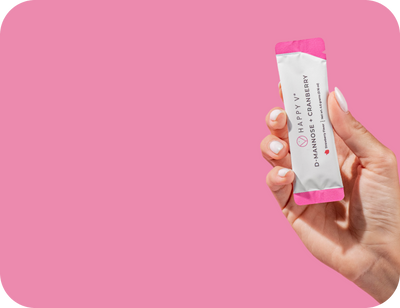
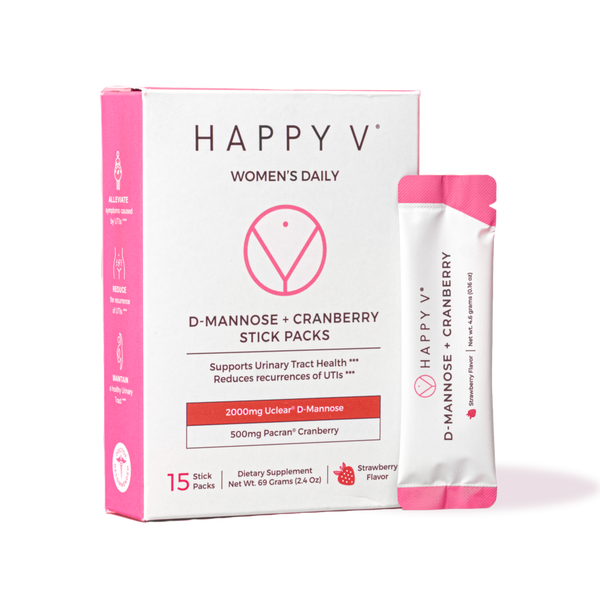
- Consider cranberry and D-mannose supplements. Cranberry has long been associated with urinary tract health, and for good reason. The proanthocyanidins, or PACs, it contains have been shown to prevent E. coli from adhering to the bladder lining, making it harder for an infection to establish. D-mannose works through a similar mechanism. It’s a naturally occurring sugar that binds to E. coli bacteria in the urinary tract, allowing them to be flushed out before they can take hold. Together, they're one of the most researched natural combinations for UTI prevention. Happy V's D-Mannose + Cranberry capsules pair both ingredients in a single daily supplement designed specifically for urinary tract health. It’s a simple addition to your routine if UTIs are a recurring problem

D-Mannose + Cranberry
Supports urinary tract health and promotes long-term wellness.
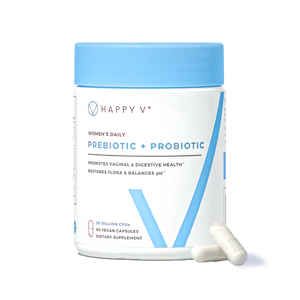
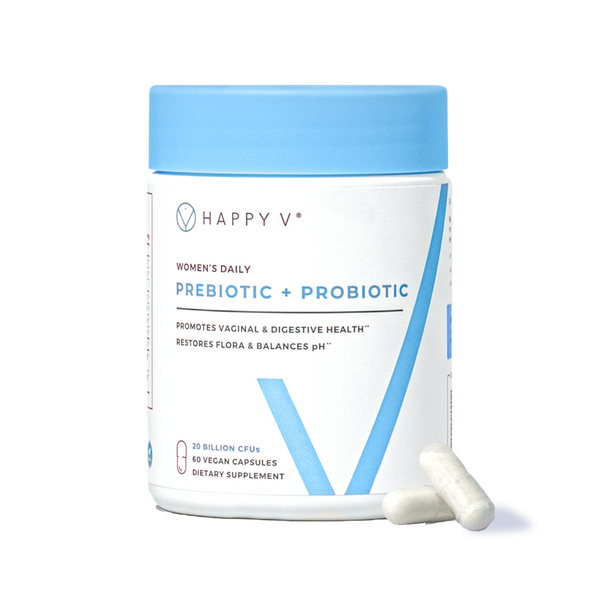
- Support your vaginal microbiome. Because vaginal Lactobacillus populations play a protective role in urinary tract health, keeping that balance in good shape matters. While foods like yogurt contain beneficial live bacteria, they don’t actually contain Lactobacillus strains. If you are concerned that poor vaginal health could be impacting your urinary tract health, a probiotic made with clinically studied strains of Lactobacillus, like Happy V’s Prebiotic + Probiotic, ensures you are getting the levels of Lactobacillus you need daily to improve vaginal health and increase your natural defenses.
- Practice good personal hygiene. Wipe front to back, wear breathable cotton underwear, and avoid scented soaps or products near the urethra that can disrupt the natural bacterial balance in the vulvar area. Pelvic floor exercises can also support bladder health over time by improving bladder control and reducing urinary urgency.
When to See a Healthcare Provider
A straightforward bladder infection is uncomfortable but often highly treatable with a short course of antibiotics. That said, some situations are a little more complicated and urgent. Contact a healthcare provider to be seen right away if you experience any of the following:
- Fever and chills, nausea or vomiting, or pain in your lower back or side. These can signal that the infection has reached the kidneys (pyelonephritis), a more serious condition that sometimes requires IV antibiotics
- Symptoms that don't improve within a day or two of starting antibiotics
- Blood in your urine
- Pregnancy, as UTIs during pregnancy carry a higher risk of complications and always require treatment
- Recurrent UTIs (three or more in a year). Frequent infections may point to an underlying factor like a bladder abnormality, kidney stones, or hormonal changes that a healthcare provider can help you address with a personalized treatment plan
Moral of the story: don't ignore persistent or worsening symptoms. In rare, severe cases, untreated UTIs can progress to urosepsis, a life-threatening systemic infection. When in doubt, get checked.
Keep the Conversation Going
- Visit our blog for more women's health tips.
- Join our private Happy V Facebook group to hear from others who've been there.
- Explore supplements designed to support your vaginal health journey.
Disclaimer: This blog is for informational and educational purposes only and is not intended to diagnose, treat, cure, or prevent any disease. Statements about supplements have not been evaluated by the Food and Drug Administration. For more information about vaginal infections, visit the CDC or speak to a licensed healthcare provider.