


- Fact Checked
- March 04, 2026
- 14 min read
5 Days to a Healthier Vaginal Microbiome? Here's What the Science Says


-
Written by
Hans Graubard
• Updated on August 14, 2026

Dietary supplement manufacturing, regulatory and product development, and DTCt; leadership experience...
-
Medically Reviewed by Dr. Jessica A. Younes

Biotics (probiotics/prebiotics) specialist with focus on women’s health; PhD in Medical...
- Updated on August 14, 2026
Table of Contents
Table of Contents
Most women know that diet affects gut health. Makes sense, right? But many don't realize that diet also directly affects the vaginal microbiome, or the community of microorganisms living in your vagina. This community of microorganisms can determine whether your vagina is balanced or unbalanced and prone to uncomfortable symptoms like itching, odor, and unusual discharge.
We've covered the best and worst foods for vaginal wellness elsewhere in our blog, so we aren't going to repeat that here. Instead, we're going to be diving deeper into exactly how your vaginal microbiota responds to what you eat, what factors drive microbiome changes across a lifetime, and how to actively monitor and support your vaginal health before problems start.
This post is for informational purposes only and does not constitute medical advice. See full disclaimer below.
The Vaginal Microbiome: What It Is and Why It Matters

The vaginal microbiome is the community of microorganisms (think: bacteria, fungi, and other microbes) living in and around the vaginal canal. Unlike the gut microbiome, which thrives on diversity, a healthy vaginal microbiome is defined by high Lactobacillus dominance. Lactobacillus bacteria are the workhorses of vaginal health. They produce lactic acid, which keeps vaginal pH acidic (around 3.8–4.5). This acidic environment helps kill pathogens responsible for infections such as bacterial vaginosis, yeast infections, and urinary tract infections (UTIs) before they can overtake the microbiome.
There are hundreds of Lactobacillus species, but not all of them are responsible for vaginal health. L. acidophilus, L. rhamnosus, L. crispatus, L. gasseri, and L. reuteri are generally considered the most protective, associated with the most stable, resilient vaginal microbiome.
Community State Types
Your vaginal microbiome isn't static. It changes throughout your lifetime, and even over the course of your menstrual cycle.
Scientists study these changes by looking at the DNA of the bacteria living in the vagina, specifically the relative abundance of different Lactobacillus species and other vaginal bacteria. One common method, called 16S rRNA gene sequencing, works like a fingerprint test for bacteria. It helps researchers identify exactly which species are present in vaginal samples and swabs.
Using this technology, pioneered by researchers including Ravel J., Gajer, Forney, and Fredricks, researchers developed a system to group vaginal bacterial communities into categories called Community State Types (CSTs). Think of CSTs as different "microbiome patterns."
Here's what they found:
- CST I: Mostly Lactobacillus crispatus
- CST II: Mostly Lactobacillus gasseri
- CST III: Mostly Lactobacillus iners
- CST V: Mostly Lactobacillus jensenii
These different CSTs are dominated by different Lactobacillus species, and since not every species is equally protective against vaginal infections, certain CSTs are associated with better vaginal health. You can read more about that in our separate blog post here.
Some women tend to have the same CST over time, while the makeup of others' microbiomes can change more frequently (what researchers call temporal dynamics) as Lactobacillus levels rise or fall due to hormone fluctuations, menstrual bleeding, sexual activity, stress, and diet and lifestyle habits.
Microbiome Imbalance and Infection Risk
Most people blame vaginal infections on the presence of bad bacteria. And while that bad bacteria is there, the core issue is actually not enough protective Lactobacillus.
When protective Lactobacillus levels drop, vaginal pH rises. That shift creates an environment where opportunistic microbes (think: Gardnerella vaginalis, Prevotella, E. coli, Mycoplasma, Streptococcus, and Candida) can overgrow. This imbalance, called vaginal dysbiosis, has been linked to:
- Bacterial vaginosis (BV)
- Yeast infections
- Sexually transmitted infections (STIs)
- Cervicitis
- Pelvic inflammatory disease (PID)
- Urinary tract infections (UTIs)
- Toxic shock syndrome (TSS)
- Pregnancy complications, including preterm birth
- Fertility issues
- Increased risk of certain gynecological cancers
So basically, infections aren't just the invasion of a single harmful organism. They're a sign of microbiome imbalance that needs to be restored. When Lactobacillus dominance is restored, the vaginal environment becomes acidic again, protecting you against uncomfortable infections and preserving long-term vaginal and reproductive health.
How Diet Reshapes the Vaginal Microbiome
So how does what you eat actually affect what's happening in your vagina? There are two main pathways.
The first is indirect. What you eat shapes your gut microbiome, and your gut and vaginal microbiomes are more connected than most people realize. They communicate constantly through immune function, hormone metabolism, and even direct bacterial migration. In fact, the Lactobacillus species that dominate a healthy vaginal flora are believed to originate in the gut. So when gut microbial communities get disrupted, the vaginal microbiome tends to feel it too.
The second pathway is more direct, and it comes down to a word you may have never heard of: glycogen. Here's how it works. What you eat affects your hormone levels and how much inflammation your body is carrying. Both of those things influence how much glycogen (which is a type of sugar) your vaginal tissue produces. Glycogen is essentially the food supply for your vaginal Lactobacillus. When Lactobacillus has enough to eat, it produces lactic acid, keeps vaginal pH low, and does its job. When it doesn't, things start to tip out of balance.

The research backs this up. A landmark Harvard study published in Nature found that switching between a fully animal-based and fully plant-based diet changed the microbial community structure within 24 hours (you read that right), with dramatic shifts measurable within five days.
A more recent 2025 cross-sectional study looked specifically at vaginal microbiota and found that women who ate more animal protein and alcohol were more likely to have the kind of bacterial imbalance associated with BV. Women who ate more fiber, plant-based protein, and omega-3 fatty acids (think flax, chia, and walnuts) were more likely to have a healthy, Lactobacillus-dominant vaginal microbiome. Meta-analyses and studies published in Am J Obstet Gynecol and J Infect Dis support the same pattern: high-fiber, low-sugar diets are consistently linked to higher abundance of Lactobacillus and less BV.
The 5-Day Reset: What Changes Fast

That Harvard study highlights just how responsive your vaginal microbiome is, with participants showing dramatic, measurable shifts in just 5 days. That isn't a fluke, and it's not just something that can happen in a lab. You can encourage these shifts at home. What you eat this week can have a positive impact on your vaginal health.
The participants in the Harvard study switched to a completely plant-based diet. You don't have to go that extreme to see improvements. Focus your attention on these key areas:
Cut the Disruptors
Namely alcohol, added sugar, and heavily processed foods. Alcohol is directly linked to vaginal dysbiosis in multiple studies. Excess sugar feeds Candida and Gardnerella vaginalis (the culprits behind yeast infections and BV respectively), and heavily processed foods drive systemic inflammation and crowd out the fiber that beneficial bacteria need to survive.
Add Fermented Foods Daily
Plain yogurt, kefir, kimchi, sauerkraut, and kombucha introduce healthy bacteria to the gut, which supports the vaginal bacterial community. Clinical research shows that a fermented-food diet increases microbial diversity and reduces inflammatory markers, with effects measurable within just days of starting.
Prioritize Fiber
High-fiber, low-sugar diets are consistently associated with better vaginal microbiome health across the research. Aim for 30g daily from vegetables, fruit, legumes, and whole grains. Fiber drives the production of short-chain fatty acids (SCFAs) that reduce systemic inflammation and support the conditions Lactobacillus needs to thrive.
If you're significantly increasing your fiber intake, just remember to go gradually. The gut microbes responsible for fermenting plant fiber can themselves be depleted after years of low-fiber eating, so flooding the system can produce discomfort before it produces benefits.
Include Plant-Based Omega-3s
These include flaxseed, chia seeds, and walnuts. Research links higher alpha-linolenic acid intake to Lactobacillus-dominant vaginal communities.
Don't Cut Complex Carbs
Sweet potatoes, whole grains, and legumes support glycogen production in the vaginal epithelium, and you'll remember that glycogen is the direct fuel source for vaginal Lactobacillus. Severely restricting carbohydrates can reduce glycogen availability and unintentionally undermine your Lactobacillus populations.
What Takes Longer
Five days can genuinely begin to shift your vaginal microbiota, but sustained Lactobacillus dominance requires sustained healthy habits, not just one-week quick fixes. There are certain vaginal disruptions that take longer than 5 days to recover from, no matter how pristine your diet, with the two most common being:
- Rebuilding after antibiotics. Antibiotics wipe out Lactobacillus bacteria along with the infection-causing bacteria that led to the prescription in the first place. So your vaginal microbiome doesn't just thin out, it gets significantly disrupted at the community level. Diet helps, but it isn't enough on its own here. Taking a targeted probiotic during and after any antibiotic course gives your Lactobacillus populations the best chance of reestablishing before opportunistic bacteria move in.
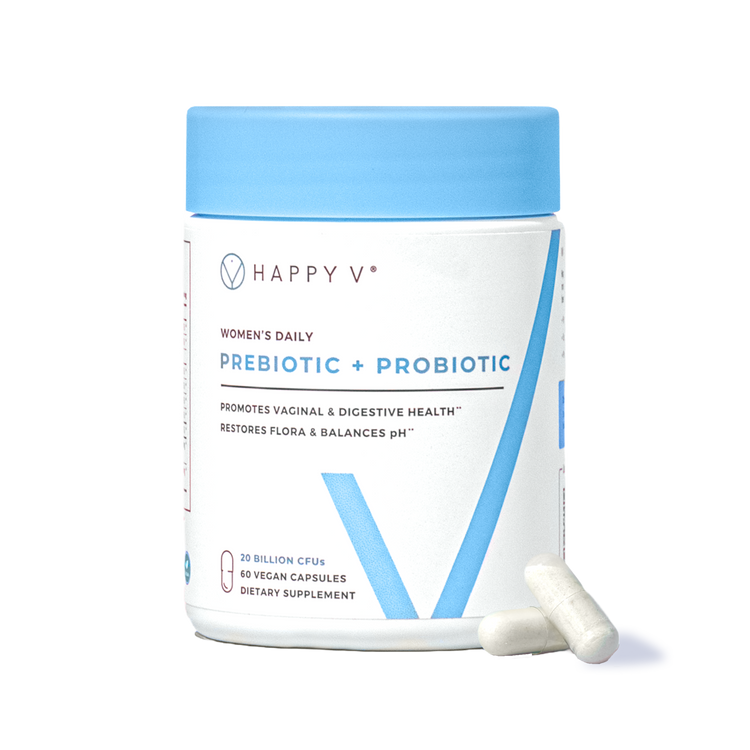 Bestseller
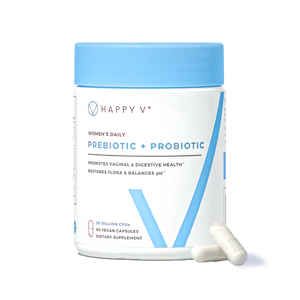
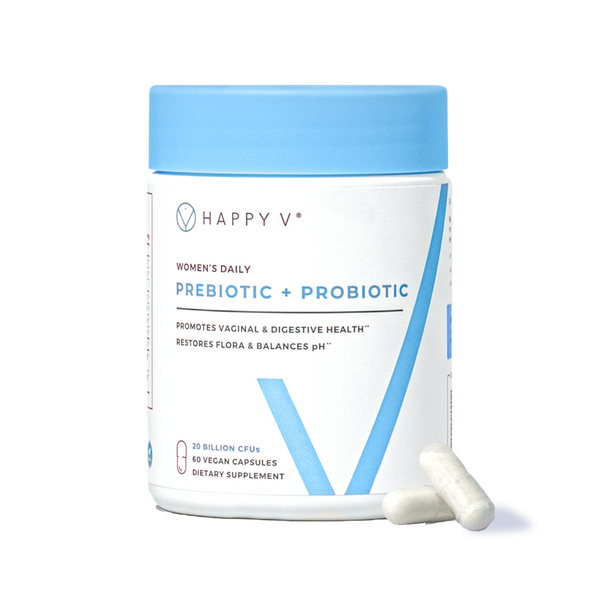
Prebiotic + Probiotic
Maintains vaginal pH and restores gut health.
- Recovering from chronic dysbiosis (aka recurring BV, yeast infections, or UTIs). When dysbiosis keeps happening, whether from repeated antibiotics, years of high-sugar eating, or chronic stress, specific Lactobacillus species can become genuinely depleted from your vaginal community. Rebuilding those populations takes consistent, sustained effort over months, not days.
Other Factors That Shape Your Vaginal Microbiome

Diet is a powerful daily tool to support vaginal health, no doubt about it. But your vaginal microbiome responds to a lot more than just what's on your plate, so imbalance can still occur even when you're eating well. Here are some of the biggest risk factors and influences (besides diet) at play:
Hormones and Life Stage
Estrogen controls glycogen levels in the vaginal epithelium, the same glycogen that fuels Lactobacillus and lactic acid production. When estrogen levels shift, the vaginal microbiome feels it. This plays out differently across your lifetime:
- Puberty: Rising estrogen triggers the vaginal microbiome's shift toward Lactobacillus dominance for the first time.
- Menstrual cycle: Vaginal lactobacilli naturally dip around menstrual bleeding then recover afterward.
- Pregnancy: Higher estrogen stabilizes vaginal microbiota and increases Lactobacillus dominance in pregnant women, which is thought to protect against preterm birth and ascending infection. Studies in BMC Pregnancy and Childbirth and obstetrics journals consistently link vaginal dysbiosis in pregnant women with pregnancy complications, including preterm birth.
- Postpartum: Estrogen drops sharply. Vaginal lactobacilli thin accordingly, and the microbiome often destabilizes during this period, increasing risk of vaginal infections.
- Perimenopause and menopause: Declining estrogen reduces glycogen, raises vaginal pH, and makes the environment significantly more hospitable to pathogens. Vaginal dysbiosis rates (along with rates of recurrent UTIs, aerobic vaginitis, and vulvovaginal discomfort) increase substantially in menopausal women.
Hormonal Contraception
Different contraceptives interact with the vaginal microbiome differently depending on how they affect estrogen and progesterone levels. Some formulations appear to support Lactobacillus dominance; others shift vaginal community composition in ways that increase dysbiosis risk. The research is still evolving, and effects vary from person to person. If you're dealing with recurring bacterial vaginosis and you recently started or switched contraceptives, it's worth bringing up with your gynecologist.
Psychosocial Stress
Chronic stress raises cortisol, disrupts immune function, and depletes beneficial bacterial communities throughout the body, including vaginally. That's probably why women experiencing high stress show measurably higher rates of vaginal dysbiosis across studies. And the relationship goes both ways: dysbiosis itself contributes to systemic inflammation that makes the stress response worse. In other words, stress disrupts your microbiome… and a disrupted microbiome makes it harder to manage stress. Just goes to show that mental health and physical health are more intertwined than we ever really think about.
Feminine Hygiene Products and Practices
Here's something a lot of women don't realize: many common hygiene habits actually do more harm than good. Douching is one of the most well-documented disruptors of vaginal flora. It strips protective lactic acid, disrupts vaginal pH, and wipes out the Lactobacillus communities that take significant time to reestablish, which is probably why almost every healthcare provider recommends against it.
Scented soaps, washes, and wipes create similar disruption. The vagina is self-cleaning. Unscented soap on external tissue only is genuinely all you need, and all the research recommends.
Sexual Activity
Semen is alkaline (aka the opposite of acidic), which means unprotected sex temporarily raises vaginal pH and creates more favorable conditions for anaerobic bacteria. STIs add another layer of disruption. Chlamydia in particular is associated with measurable shifts in vaginal microbiota and increased risk of cervicovaginal dysbiosis. Condoms reduce both of these risks, which is why they're worth thinking about as a microbiome-protective tool, not just an STI prevention one.
Beyond Diet: How to Monitor and Support Your Vaginal Microbiome
The truth is, most women don't know their CST type or their exact vaginal pH on any given day. And you don't necessarily need to know if your vaginal microbiome is balanced. When it's not, your body typically lets you know through uncomfortable symptoms like itching, odor, and unusual discharge.
So while at-home test kits are available for both vaginal pH and CST types, they aren't always the tools you need to monitor or support your vaginal health. Along with a healthy diet, be sure to:
Get Tested
Any vaginal symptom that doesn't resolve within a few days should be checked out and tested by a doctor. So many common vaginal infections and STIs share symptoms, and when you guess, you could be treating the wrong thing, allowing the infection and underlying dysbiosis to worsen. The Nugent score, derived from Gram staining of vaginal samples, is the clinical gold standard for bacterial vaginosis diagnosis and quantifying Lactobacillus abundance. Your gynecologist can run it and give you a real answer.
Build the Right Daily Habits
Diet is a great foundation for vaginal and reproductive health, but these habits work alongside it to keep your vaginal microbiome stable:
- Wash your vulva (that's the external part) with mild, unscented soap and warm water
- Skip the douche, always
- Use condoms with new or multiple partners
- Avoid scented feminine hygiene products (even those marketed for vaginal health)
- Manage stress through exercise, meditation, hobbies, and time with friends
Take a targeted probiotic
Food can support your vaginal microbiome, but it can't deliver the specific Lactobacillus strains that matter most for vaginal health in the amounts that actually move the needle. That's where a targeted vaginal probiotic comes in, particularly one that contains clinically studied strains of Lactobacillus, such as Lactobacillus acidophilus LA-14®, Lactobacillus rhamnosus HN001™, and Lactobacillus crispatus CCFM1110™.
Happy V Prebiotic + Probiotic was doctor-formulated for vaginal health, which is why it includes all these clinically studied strains at their clinically effective doses. It's also why, in preclinical studies, our unique formula was shown to be effective against the growth of dysbiosis-causing pathogens like Gardnerella vaginalis and Candida.
A daily probiotic like Happy V is especially worth prioritizing if you're recovering from antibiotics, navigating a hormonal life transition (think: postpartum, perimenopause, or a new contraceptive), dealing with recurring bacterial vaginosis or yeast infections, or just want consistent baseline support year-round.
Final Thoughts
Your vaginal microbiome isn't a fixed feature of your biology. It shifts with your menstrual cycle, your diet, your stress, your medications, and your life stage. While the factors influencing it can be complex, the tools for supporting it don't have to be: a high-fiber, low-sugar diet; fermented foods; lifestyle habits that minimize the known disruptors; probiotics that deliver the right Lactobacillus species directly; and enough awareness of your own body to notice when something shifts.
Five days of intentional eating can genuinely begin to change your vaginal microbiota, but the goal is to keep going and build a Lactobacillus-dominant environment that's resilient enough to hold steady through the hormonal changes, stressors, and life stages that would otherwise knock it off balance.
Keep the Conversation Going
- Visit our blog for more women's health tips.
- Join our private Happy V Facebook group to hear from others who've been there.
- Explore supplements designed to support your vaginal health journey.
Disclaimer: This blog is for informational and educational purposes only and is not intended to diagnose, treat, cure, or prevent any disease. Statements about supplements have not been evaluated by the Food and Drug Administration. For more information about vaginal infections, visit the CDC or speak to a licensed healthcare provider.
FAQ
How does diet impact the vaginal microbiome?
What role do Lactobacillus bacteria play in vaginal health?
Why is the vaginal microbiome less diverse than the gut microbiome?
How does the vaginal microbiome change over time?
What methods do scientists use to study the vaginal microbiome?
Is vaginal flora the same thing as the vaginal microbiome?
How often should I test my vaginal microbiome?
Our experts continually monitor the health and wellness space, and we update our articles when new information becomes available.
- Published on: March 04, 2026
- Last updates: August 14, 2026
Written by Hans Graubard
Edited by Liz Breen
Medically Reviewed by Dr. Jessica A. Younes