


- Fact Checked
- August 20, 2026
- 10 min read
Signs of Poor Vaginal Hygiene: What to Watch For and How to Respond

- Written by Daniella Levy • Updated on September 12, 2026
- Updated on September 12, 2026

Table of Contents
Table of Contents
Symptoms like vaginal odor and itching are not only uncomfortable, but for many people, they feel dirty or unclean. While we totally understand this feeling, it actually isn’t based on science, and acting on that instinct can actually send you in the wrong direction.
Vaginal symptoms like itching, odor, and unusual discharge are rarely a sign that you didn't wash enough. More often, they're a sign of an exposure to an irritant or even a vaginal infection, the kind of thing no amount of extra scrubbing will fix. In fact, reaching for a stronger soap or a "freshening" spray in response tends to make things worse, not better.
So how do you actually know if something's off? This guide walks through the myths, the real signs of a vaginal infection, what tends to cause them, and when it's time to see a professional instead of trying to fix it yourself.
This post is for informational purposes only and does not constitute medical advice. See full disclaimer below.
Common Misconceptions About Vaginal Hygiene
When it comes to vaginal health and hygiene, knowing what not to do is just as important as knowing what to do, since a lot of advice on how to get clean can actually contribute to the symptoms that make you feel dirty in the first place.1
Myth: Douching keeps you clean.
Douching does the opposite of what people expect. It flushes out the healthy bacteria that maintain your natural pH balance, which can actually increase your risk of vaginal infection rather than prevent it.2 The vagina is self-cleaning so there’s no reason to wash yourself internally. The external area (aka the vulva) is a different story, and we’ll discuss how you can wash that later.
Myth: Feminine products like sprays and perfumed soaps help you feel fresh.
Vaginal sprays and perfumed soaps often get their fragrance through chemicals that can trigger allergic reactions, irritation, or a shift in pH.3 Scented products are one of the most common causes of the very odor or discomfort they're marketed to solve. Even if a product is marketed for intimate use, if it contains fragrances, stay away.
Myth: Vaginal odor always means something is wrong.
Some natural scent is completely normal. Your scent will actually change throughout your cycle and, spoiler alert, it will never smell like flowers. A mild, musky odor is normal, but a new, strong, or fishy vaginal odor is worth paying attention to.4
Myth: Vaginal tightness is related to hygiene or hygiene products.
Vaginal tightness has nothing to do with how clean you are.5 It's related to factors like age, childbirth, hormones, and pelvic floor muscle tone, not washing habits or product use.
Myth: Most vaginal infections come from poor hygiene.
Many vaginal infections are caused by shifts in bacteria, hormones, or moisture, not a lack of washing.6 In fact, over-washing or using the wrong products is a far more common trigger than under-washing.
Vaginal Infection vs. Vaginal Hygiene Issue
Of course, there are times when your body is telling you it needs a bit more TLC in the hygiene department.7 More often than not, though, we confuse the signs of poor hygiene with the signs of a vaginal infection, but it’s worth knowing the difference, since they call for completely different responses.
Signs of an Actual Hygiene Issue
The signs of an actual hygiene issue are much narrower and easier to fix than most people assume and include:
- Mild odor after sweating or exercise, without any other symptoms, that clears up once you shower and change out of damp clothes.
- Residue or irritation from not rinsing thoroughly after your daily cleanse, or from staying in wet swimwear or workout clothes too long.
- Buildup from infrequent external washing, which is different from an internal imbalance and typically resolves with a consistent, gentle routine.
If a quick shower and a change of clothes clears things up, that's a hygiene gap. If the symptoms persist or come with discharge, odor, or pain, that's your body telling you it's an infection, not a habit to fix.
Signs of a Vaginal Infection
These are those symptoms we mentioned at the start that can make women feel dirty or unclean, but often have nothing to do with hygiene, but something much deeper: an imbalance of good and bad bacteria in the vaginal microbiome.8
- Changes in discharge. Unusual discharge, especially thick, white, cottage cheese-like, or clumpy discharge, often signals a yeast infection. A thin, grayish discharge is more associated with bacterial vaginosis.
- New or fishy odor. A fishy odor, or any noticeable change in vaginal odor, is one of the more reliable signs that something has shifted.
- Itching or itchiness. Persistent itching around the vulva or vaginal opening is a common symptom of both yeast infections and BV.
- Burning. Burning during urination or during sex can point to a UTI, an STI, or vaginitis, depending on where and when it happens.
- Redness or swelling. Vaginal redness or swelling usually signals irritation or infection rather than normal variation.
- Abnormal bleeding. Bleeding between periods or after sex is worth mentioning to a provider, especially if it's a new pattern for you.
- Pain. Pelvic discomfort, pain during sex, or pain during urination are all signs your body is asking for attention, not something to push through.
Signs of Irritation from an Irritant
Before we move on, there’s actually a third category we need to discuss: symptoms that look like a hygiene issue or an infection, but are actually your skin reacting to something it came into contact with, like a new soap, detergent, pad, or lubricant.9
This is also called contact dermatitis, and while the symptoms do have some overlap with the symptoms we already mentioned, they do show up a little differently. Symptoms of contact dermatitis include:10
- Redness, itching, or burning that shows up shortly after trying something new, whether that's a scented pad or tampon, a new laundry detergent, a lubricant, or a fragranced wash.
- Localized irritation after shaving, waxing, or friction from tight clothing, rather than symptoms tied to your cycle or sexual activity.
- Symptoms that calm down once you remove the trigger and flare back up if you use the product again.
- Unlike a hygiene gap, a shower alone won't fix these symptoms, and unlike an infection, there's no bacterial or yeast imbalance to treat, just an irritant to identify and avoid going forward. Once you identify and eliminate the irritant, these symptoms should dissipate.11
Common Vaginal Infections and Conditions
Knowing that your uncomfortable vaginal symptoms point to an infection rather than a hygiene lapse is one thing.12 Knowing which infection you're actually dealing with is another.
Discharge, odor, and itching can look similar on the surface but often have different root causes.13 Even the term “vaginitis,” which you might see thrown around a lot, isn’t specific, since vaginitis is an umbrella term used to describe many different individual infections.
Here are the most common causes of vaginal symptoms:
- Bacterial vaginosis (BV). BV happens when there's an imbalance between healthy and harmful bacteria in the vagina. It's one of the most common causes of vaginitis and often comes with a thin discharge and a noticeable odor.
- Yeast infections (candidiasis). Yeast infections are caused by an overgrowth of Candida, a yeast that naturally lives in the vagina in small amounts. When it overgrows, Candida typically causes itching, burning, and a thick, white, cottage cheese-like discharge.
- Trichomoniasis. Trich is a sexually transmitted infection that can cause vaginitis symptoms like itching, odor, and discharge, and it requires treatment from a healthcare provider.
- Urinary tract infections (UTIs). UTIs affect the urinary tract rather than the vagina itself, but the symptoms, like burning during urination, can feel similar and are often confused with vaginitis.14
- Other sexually transmitted infections (STIs). Certain STIs like gonorrhea can also cause vaginal symptoms and should be ruled out with proper STI screening if you're experiencing new or unusual symptoms.15
Conditions like endometriosis and pelvic inflammatory disease are separate from vaginitis, but they can cause painful intercourse or pelvic pain that sometimes gets mistaken for a hygiene-related issue. When in doubt, get it checked out.
Vaginal Hygiene Best Practices
Just because those infection symptoms aren’t caused by vaginal hygiene doesn’t mean it’s not important.16 Good vaginal hygiene practices are protective, and typically involve doing less, not more, to avoid the disruptions to your vaginal microbiome that give bad, infection-causing bacteria the chance to overtake the good bacteria.
Vaginal hygiene isn’t about scrubbing harder or more often. Here are the best practices:
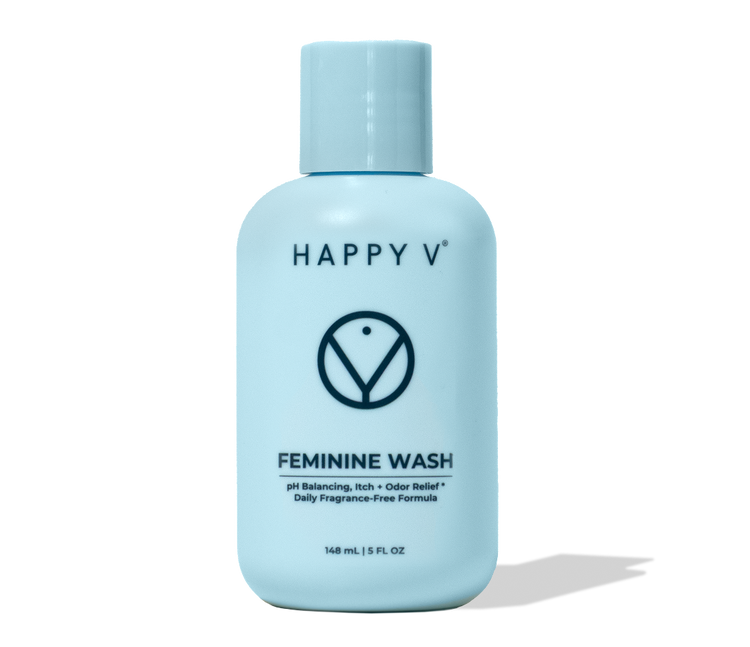
- Cleanse externally, daily, with the right product. Choose an unscented, gentle cleanser made for the vulva rather than a generic bar of soap or scented body wash.17 Happy V's Feminine Wash was formulated specifically for this purpose. It’s fragrance-free, non-stripping, and built with lactic acid to support a healthy pH rather than disrupt it.
 New
NewFeminine Wash
Fragrance-free feminine wash for pH balance, itch, and odor relief
- Wipe front to back. This simple habit helps keep bacteria from the rectal area away from the vagina and urethra.
- Wear breathable fabrics. Cotton underwear and looser clothing reduce moisture buildup and give your skin room to breathe.
- Practice good menstrual hygiene. Change tampons and pads regularly during menstruation to reduce your risk of irritation or infection.
- Urinate after sex. This helps flush out bacteria that can contribute to UTIs.
- Wash sex toys. Clean shared or reused sex toys with warm water and a gentle, appropriate hygiene product between uses.
When to Seek Medical Attention
Some mild vaginal symptoms resolve on their own or with a simple product swap.18 But certain signs call for an actual diagnosis rather than trial and error.
See a healthcare provider if you notice:
- Persistent pain, itching, or burning that doesn't improve within a few days
- Unusual discharge, especially if it's new, heavy, or has a strong odor
- Abnormal bleeding patterns, including bleeding between periods or after sex
- Symptoms that could indicate an STI, which may call for screening
- Recurring vaginitis, since repeated episodes may point to an underlying cause that needs a treatment plan
An OB-GYN provider can perform a gynecologic exam to determine what's actually going on, whether that's an infection, a hormonal issue that might benefit from vaginal hormone creams or pills, or a condition like endometriosis or pelvic inflammatory disease that needs its own care plan. In some cases, a referral to women's pelvic physio can also help with muscle tone and pelvic pain.
Persistent symptoms deserve a diagnosis.
Keep the Conversation Going
- Visit our blog for more women's health tips.
- Join our private Happy V Facebook group to hear from others who've been there.
- Explore supplements designed to support your vaginal health journey.
Disclaimer: This blog is for informational and educational purposes only and is not intended to diagnose, treat, cure, or prevent any disease. Statements about supplements have not been evaluated by the Food and Drug Administration. For more information about vaginal infections, visit the CDC or speak to a licensed healthcare provider.