
• Fact Checked
  • August 19, 2026
  • 8 min read

Is Coconut Water Good for Vaginal Health?

Table of Contents
  1. 1. What Is Coconut Water?
  2. 2. Other Benefits of Coconut Water
  3. 3. Comparing Coconut Water to Other Drinks for Vaginal Health
  4. 4. Coconut Water vs. Coconut Oil: Clearing Up the Confusion
  5. 5. How to Consume Coconut Water (and Build a Sustainable Habit Around It)
  6. 6. Safety and Risks of Coconut Water

Key Takeaways

  • Coconut water is a hydrating, electrolyte-rich drink, but drinking it won't directly change your vaginal pH, lubrication, or microbiome.
  • Coconut water and coconut oil are often confused, but they affect your body very differently, and coconut oil isn't a great pick for vulvar or vaginal use.
  • The most sustainable "back to routine" habit isn't one superfood swap. It's stacking a few small, gentle habits, like hydration, a vulva-safe wash, and supportive supplements, onto the routine you already have.

Summer has a way of loosening every routine you worked so hard to create, between later bedtimes, late-night meals, and more skipped self-care essentials. That's all to be expected, and there's no reason to beat yourself up. After all, the goal with any wellness routine isn't perfection. It's finding your way back to the habits that make you feel good.

As you return to and rebuild your old routines, you may also wonder what new ones you could incorporate.You may have come across claims that adding coconut water to your day can boost your vaginal health, from lubrication to libido to fighting off infections. But is this actually true? Let’s see what the science supports and what’s just wishful thinking.

This post is for informational purposes only and does not constitute medical advice. See full disclaimer below.

What Is Coconut Water?

Some people think coconut water is the same thing as coconut milk, but the two are actually different. Coconut water is the clear liquid inside a young coconut, while coconut milk is a thick, creamy liquid that’s made by grating and pressing the white coconut flesh.1

Unlike coconut milk, coconut water is naturally low in calories and rich in electrolytes like potassium, magnesium, and calcium, along with small amounts of vitamin C and antioxidants.2 For these reasons, it's become a popular post-workout or hot-weather drink.

Other Benefits of Coconut Water

Along with its overall hydrating properties, coconut water gets a lot of credit in wellness circles. Some of this credit is deserved.3 Some of it… not so much.

Let’s break down which claims are backed by real evidence and which are just marketing, especially when it comes to your sexual, menstrual, and hormonal health.

Sexual Health

Some wellness corners of the internet claim coconut water can improve libido, balance hormone production, or support vaginal lubrication. This is only kind of true.

See, staying well hydrated generally supports healthy blood circulation and helps your mucous membranes (including your vaginal tissue) function the way they're supposed to. If you're dehydrated, you may notice more dryness overall. Coconut water has great hydrating properties, but there’s no evidence that hydration via coconut water specifically does anything unique for your vaginal microbiome, vaginal pH, or natural lubrication beyond what any good hydration habit would do.4

Menstrual Health

You may also see coconut water recommended for menstrual cramps, PMS, or an irregular menstrual cycle.5 Again, this is a bit of an overpromise.

Staying hydrated during your period can genuinely help with bloating and general comfort, and replacing electrolytes lost through normal fluid shifts may take the edge off fatigue.6 But as with the sexual health claims we just mentioned, there's no strong evidence that coconut water directly reduces uterine contractions, regulates hormone production, or addresses scanty menstruation. It's a helpful hydration habit during your period, not a treatment for menstrual irregularities.

Breastfeeding

Coconut water is sometimes recommended to breastfeeding parents as a way to stay hydrated and support milk production, and (as you might have guessed based on what you’ve read so far), there's some sense behind that.

Staying well hydrated is genuinely important while breastfeeding, since your body is using extra fluid to make milk.7 That said, coconut water isn't a special lactation booster. It's simply a tasty electrolyte-rich way to hit your hydration goals, and it works alongside a balanced diet rather than in place of one. If milk supply is a concern, it's worth talking to a lactation consultant rather than leaning on any single food or drink.

Menopause and Perimenopause

During perimenopause and menopause, declining estrogen levels can lead to thinner vaginal walls and vaginal tissues, a condition sometimes called vaginal atrophy.8 This kind of dryness comes from a hormonal shift, not a hydration gap, so it usually calls for a more targeted approach, like a dedicated vaginal moisturizer or a supplement formulated for this stage of life, such as Happy V's Menopause Relief AM + PM.

Comparing Coconut Water to Other Drinks for Vaginal Health

Coconut water isn’t the only drink out there with vaginal health claims.

Cranberry juice is probably the most common drink associated with women’s health, particularly when it comes to urinary tract support. There is real, modest evidence behind these claims, but they are more complex than people realize. Cranberries do contain compounds that help prevent bacteria from sticking to the walls of the urinary tract, but traditional cranberry juices often contain too few of these compounds and too much sugar, which inadvertently feeds the bacteria. The studies showing cranberry juice benefits urinary tract health used pure cranberry juice, not traditional store brands.9

Other drinks marketed for vaginal health, with some evidence behind them, are:

  • Probiotic drinks, especially those that contain Lactobacillus strains, for microbiome support
  • Fortified orange juice with vitamin D, for overall immunity support
  • Green tea for antioxidants

Like with coconut water, though, all of these are good additions to a varied, healthy diet and overall wellness routine, not a stand-in for targeted support for specific vaginal or urinary health concerns.

Coconut Water vs. Coconut Oil: Clearing Up the Confusion

We cleared up the confusion between coconut water and coconut milk. Now let’s do the same with another coconut product: coconut oil. Coconut water and coconut oil are not the same product, and they don't belong in the same conversation about vaginal health.

Virgin coconut oil is sometimes suggested as a natural lubricant or moisturizer for vaginal dryness, thanks to its moisturizing properties and anti-inflammatory, antibacterial, and antimicrobial reputation.10 While all these properties are true (it is a natural lubricant and moisturizer), that doesn’t mean it’s a good idea to use it near the vulva or vaginal opening.

Oil-based products can disrupt your natural vaginal pH, aren't compatible with latex condoms, and can trap moisture against the skin in ways that lead to irritation or vaginal itching rather than relief.11 If you’re looking for a lubricant to use during sex, a water-based option is the safer, condom-friendly choice.

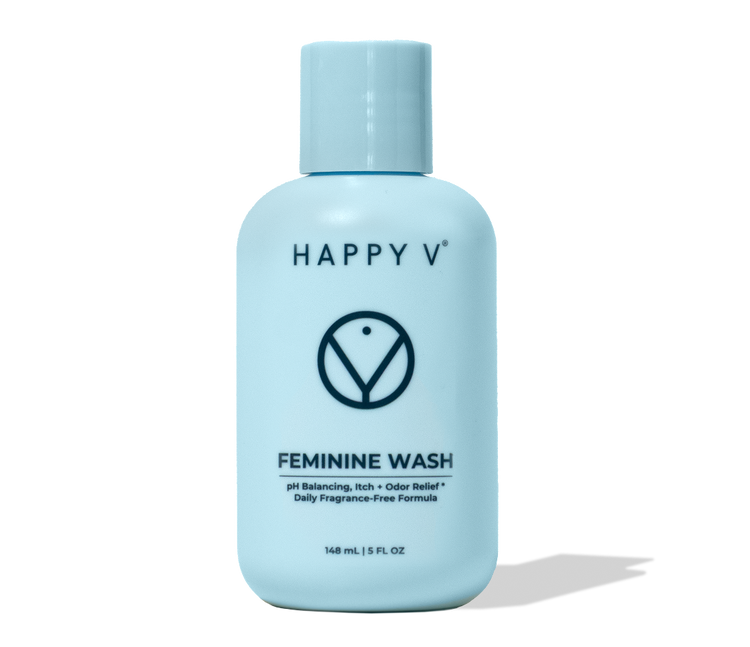
And if you are looking for a daily cleanser that is gentle on the vulva’s delicate skin barrier, try Happy V's Feminine Wash. It’s a gentle, fragrance-free cleanser with lactic acid to support a healthy vaginal pH and beta-glucan to soothe the skin barrier, without any of the drawbacks of a DIY oil-based routine.12
New

Feminine Wash

Fragrance-free feminine wash for pH balance, itch, and odor relief

Regular price From $16.99
Regular price Sale price From $16.99

How to Consume Coconut Water (and Build a Sustainable Habit Around It)

While coconut water doesn’t have specific vaginal or reproductive health benefits, it can still be a  tasty way to boost your overall hydration, which does have plenty of health benefits.13

The easiest way to add coconut water to your routine is through habit stacking. Habit stacking makes any new wellness habit far more sustainable than trying to remember a brand-new task.

Incorporate coconut water into something you already do without fail. You could:

  • Pour a glass while you brush your teeth in the morning.
  • Keep a bottle in your gym bag as your post-workout ritual.
  • Pair it with your shower routine, the same few minutes you use Happy V's Feminine Wash, so both habits reinforce each other.

When choosing your coconut water, remember that fresh coconut water from a young coconut generally has the least processing, while bottled or canned coconut water can vary widely, so check the nutrition label for added sugars.

Safety and Risks of Coconut Water

Coconut water is generally safe for most people, but as with so many things in life, more isn't automatically better.

Overconsumption of coconut water can lead to bloating, indigestion, or diarrhea, thanks to its natural sugars and fluid volume. Because it's rich in potassium, drinking large amounts can also cause a drop in blood pressure or an electrolyte imbalance, particularly if you have a kidney condition or take certain medications. If you notice frequent urination, cold extremities, or lightheadedness after drinking a lot of coconut water, that's a sign to dial it back and check in with your doctor.14

Keep the Conversation Going


Disclaimer: This blog is for informational and educational purposes only and is not intended to diagnose, treat, cure, or prevent any disease. Statements about supplements have not been evaluated by the Food and Drug Administration. For more information about vaginal infections, visit the CDC or speak to a licensed healthcare provider.

FAQ

Is coconut water good for vaginal dryness?

Not directly. Staying hydrated is important for your overall health and can help with some forms of vaginal dryness, but coconut water won't treat vaginal dryness caused by menopause, hormonal changes, or vaginal irritation. If dryness is persistent, a vaginal moisturizer, lubricant, or other targeted treatment is likely to be more effective.

Does coconut water help with yeast infections or bacterial vaginosis?

Nope. There's no good evidence that drinking coconut water can treat or prevent yeast infections or bacterial vaginosis. If you're experiencing symptoms like itching, unusual discharge, or a fishy odor, it's important to identify the underlying cause rather than relying on a home remedy.

Can coconut water help with UTIs?

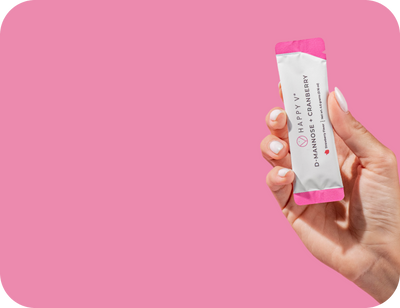
Staying hydrated generally can help support urinary tract health, but there's no evidence that coconut water is more effective than plain water for preventing UTIs. If you're looking for additional support, ingredients like cranberry and D-mannose have been studied more extensively for UTI prevention.

Is coconut oil safe to use as a lubricant?

It depends. Coconut oil can damage latex condoms, making them less effective, so it shouldn't be used with latex protection. It may also not be the best choice for people who are prone to vaginal irritation or recurrent infections. For most people, a water-based or silicone-based lubricant is a more reliable option.

Can I drink coconut water during early pregnancy or while breastfeeding?

Yes! Coconut water is generally considered safe to drink in moderation during pregnancy and while breastfeeding. If you have a medical condition, dietary restrictions, or questions about what's right for you, check in with your healthcare provider.

Does coconut water affect vaginal pH?

No. Drinking coconut water doesn't directly change your vaginal pH. Vaginal pH is influenced much more by factors like hormone levels, the balance of Lactobacillus bacteria, sex, menstruation, antibiotics, and certain vaginal products than by any single food or beverage.

[1] Divya PM, Roopa BS, Manusha C, Balannara P. A concise review on oil extraction methods, nutritional and therapeutic role of coconut products. J Food Sci Technol. 2023;60(2):441-452. doi:10.1007/s13197-022-05352-0

[2] Morales-Brown P. 7 health benefits of coconut water: Electrolytes, vitamins, and more. Medical News Today. Published July 12, 2017. Updated April 30, 2025. Accessed September 2026.

[3] Shi S, Wang W, Wang F, et al. Research Progress in Coconut Water: A Review of Nutritional Composition, Biological Activities, and Novel Processing Technologies. Foods. 2025;14(9):1503. Published 2025 Apr 25. doi:10.3390/foods14091503

[4] Mayo Clinic Staff. Coconut water: Is it super hydrating? Mayo Clinic. Published July 12, 2023. Accessed September 2026.

[5] Nuha K, Rusmil K, Ganiem AR, Permadi W, Diah Herawati DM. Single-Blind Randomized Controlled Trial: Comparative Efficacy of Dark Chocolate, Coconut Water, and Ibuprofen in Managing Primary Dysmenorrhea. Int J Environ Res Public Health. 2023;20(16):6619. Published 2023 Aug 21. doi:10.3390/ijerph20166619

[6] Torkan B, Mousavi M, Dehghani S, et al. The role of water intake in the severity of pain and menstrual distress among females suffering from primary dysmenorrhea: a semi-experimental study. BMC Womens Health. 2021;21(1):40. Published 2021 Jan 28. doi:10.1186/s12905-021-01184-w

[7] Ndikom CM, Fawole B, Ilesanmi RE. Extra fluids for breastfeeding mothers for increasing milk production. Cochrane Database Syst Rev. 2014;2014(6):CD008758. Published 2014 Jun 11. doi:10.1002/14651858.CD008758.pub2

[8] Tiwari M, Acharya N, Mahakarkar M. Navigating the Vaginal Milieu During Perimenopause: A Narrative Review of Physiological Changes and Clinical Implications. J Pharm Bioallied Sci. 2025;17(Suppl 1):S92-S95. doi:10.4103/jpbs.jpbs_1493_24

[9] Jepson RG, Mihaljevic L, Craig J. Cranberries for treating urinary tract infections. Cochrane Database Syst Rev. 2000;1998(2):CD001322. doi:10.1002/14651858.CD001322

[10] Albornoz MA, Burke JF, Threlfall EK. Virgin Coconut Oil in Paste Form as Treatment for Dyspareunia and Vaginal Dryness in Patients With and Without Rheumatic Autoimmune Diseases: An Efficacy and Safety Assessment Pilot Study. Cureus. 2023;15(6):e40501. Published 2023 Jun 16. doi:10.7759/cureus.40501

[11] Verma S, Patel SL, Mishra AK, Patel N. Unsafe lubricants in sexual health: a clinical review of improvised genital lubricants and safe medical alternatives. World Journal of Pharmaceutical and Medical Research. 2026;12(1). Accessed September 2026.

[12] Bruning E, Chen Y, McCue KA, Rubino JR, Wilkinson JE, Brown ADG. A 28 Day Clinical Assessment of a Lactic Acid-containing Antimicrobial Intimate Gel Wash Formulation on Skin Tolerance and Impact on the Vulvar Microbiome. Antibiotics (Basel). 2020;9(2):55. Published 2020 Feb 1. doi:10.3390/antibiotics9020055

[13] Raza M. Is coconut water truly a miracle drink in pregnancy or a myth?. Pak J Med Sci. 2024;40(8):1894. doi:10.12669/pjms.40.8.8817

[14] Wei J, Zhao M, Meng K, et al. The Diuretic Effects of Coconut Water by Suppressing Aquaporin and Renin-Angiotensin-Aldosterone System in Saline-Loaded Rats. Front Nutr. 2022;9:930506. Published 2022 Jun 23. doi:10.3389/fnut.2022.930506

[1] Divya PM, Roopa BS, Manusha C, Balannara P. A concise review on oil extraction methods, nutritional and therapeutic role of coconut products. J Food Sci Technol. 2023;60(2):441-452. doi:10.1007/s13197-022-05352-0

[2] Morales-Brown P. 7 health benefits of coconut water: Electrolytes, vitamins, and more. Medical News Today. Published July 12, 2017. Updated April 30, 2025. Accessed September 2026.

[3] Shi S, Wang W, Wang F, et al. Research Progress in Coconut Water: A Review of Nutritional Composition, Biological Activities, and Novel Processing Technologies. Foods. 2025;14(9):1503. Published 2025 Apr 25. doi:10.3390/foods14091503

[4] Mayo Clinic Staff. Coconut water: Is it super hydrating? Mayo Clinic. Published July 12, 2023. Accessed September 2026.

[5] Nuha K, Rusmil K, Ganiem AR, Permadi W, Diah Herawati DM. Single-Blind Randomized Controlled Trial: Comparative Efficacy of Dark Chocolate, Coconut Water, and Ibuprofen in Managing Primary Dysmenorrhea. Int J Environ Res Public Health. 2023;20(16):6619. Published 2023 Aug 21. doi:10.3390/ijerph20166619

[6] Torkan B, Mousavi M, Dehghani S, et al. The role of water intake in the severity of pain and menstrual distress among females suffering from primary dysmenorrhea: a semi-experimental study. BMC Womens Health. 2021;21(1):40. Published 2021 Jan 28. doi:10.1186/s12905-021-01184-w

[7] Ndikom CM, Fawole B, Ilesanmi RE. Extra fluids for breastfeeding mothers for increasing milk production. Cochrane Database Syst Rev. 2014;2014(6):CD008758. Published 2014 Jun 11. doi:10.1002/14651858.CD008758.pub2

[8] Tiwari M, Acharya N, Mahakarkar M. Navigating the Vaginal Milieu During Perimenopause: A Narrative Review of Physiological Changes and Clinical Implications. J Pharm Bioallied Sci. 2025;17(Suppl 1):S92-S95. doi:10.4103/jpbs.jpbs_1493_24

[9] Jepson RG, Mihaljevic L, Craig J. Cranberries for treating urinary tract infections. Cochrane Database Syst Rev. 2000;1998(2):CD001322. doi:10.1002/14651858.CD001322

[10] Albornoz MA, Burke JF, Threlfall EK. Virgin Coconut Oil in Paste Form as Treatment for Dyspareunia and Vaginal Dryness in Patients With and Without Rheumatic Autoimmune Diseases: An Efficacy and Safety Assessment Pilot Study. Cureus. 2023;15(6):e40501. Published 2023 Jun 16. doi:10.7759/cureus.40501

[11] Verma S, Patel SL, Mishra AK, Patel N. Unsafe lubricants in sexual health: a clinical review of improvised genital lubricants and safe medical alternatives. World Journal of Pharmaceutical and Medical Research. 2026;12(1). Accessed September 2026.

[12] Bruning E, Chen Y, McCue KA, Rubino JR, Wilkinson JE, Brown ADG. A 28 Day Clinical Assessment of a Lactic Acid-containing Antimicrobial Intimate Gel Wash Formulation on Skin Tolerance and Impact on the Vulvar Microbiome. Antibiotics (Basel). 2020;9(2):55. Published 2020 Feb 1. doi:10.3390/antibiotics9020055

[13] Raza M. Is coconut water truly a miracle drink in pregnancy or a myth?. Pak J Med Sci. 2024;40(8):1894. doi:10.12669/pjms.40.8.8817

[14] Wei J, Zhao M, Meng K, et al. The Diuretic Effects of Coconut Water by Suppressing Aquaporin and Renin-Angiotensin-Aldosterone System in Saline-Loaded Rats. Front Nutr. 2022;9:930506. Published 2022 Jun 23. doi:10.3389/fnut.2022.930506