



- Fact Checked
- May 12, 2026
- 12 min read
Gut Bacteria and Body Odor: The Leaky Gut Smell Connection

- Written by Lenia Lopez • Updated on June 04, 2026
- Updated on June 04, 2026

Table of Contents
Table of Contents
If you're dealing with persistent body odor that doesn't improve no matter how often you shower or reapply deodorant, here’s something that might surprise you: the problem might not be on your skin at all.
No, really. Research suggests that your gut (and the trillions of bacteria living inside it) can directly affect how you smell. When the gut lining gets damaged through a condition called "leaky gut", odor-causing compounds can escape into your bloodstream and eventually come out through your sweat.
This guide breaks down that research and how you can use it to banish BO once and for all.
This post is for informational purposes only and does not constitute medical advice. See full disclaimer below.
How Body Odor Actually Happens
When it comes to body odor, sweat itself isn’t the problem because fresh perspiration is nearly odorless.1 That unpleasant smell we associate with sweat actually comes from bacteria on your skin feeding on sweat and producing smelly byproducts (known as volatile organic compounds (VOCs) and odorants, if you want to be official about it).
Not all sweat is created equal, though. Your body has different kinds of sweat glands that produce different types of sweat, some of which are more prone to stinking.2 Eccrine sweat glands are found almost everywhere on your body and produce the thin, watery sweat that cools you down when your body temperature rises.3 This is the perspiration that’s basically odorless. Apocrine sweat glands, on the other hand, sit in your armpits (also known as the axillary area) and groin and produce a thicker, protein-rich fluid. That fluid itself doesn't smell, but skin bacteria love it, which is why you notice odor in these regions more than others. Sebaceous glands (often found near hair follicles) release skin oils that certain bacteria also break down into odorous byproducts.
Your skin’s microbiome also makes a difference here, since certain bacteria are more prone to converting armpit sweat into smelly acid.4 In your armpits, the main culprit is Corynebacterium, for example. Your skin microbiome is influenced by a variety of factors including genetics, diet, and even what fabrics you wear.
When body odor becomes chronic and doesn't budge with good hygiene, it actually has a clinical name: bromhidrosis.
How to Manage Skin-Based Body Odor
If your body odor is coming from bacteria on your skin, rather than something deeper, like gut health, which we’ll get into later, hygiene habits, diet, and a few lifestyle adjustments can make a real difference.5 (If you've already tried all of this and still can't get on top of it, skip ahead to the gut section.)
Hygiene and Personal Care
Good hygiene matters, but it's easy to misunderstand what it's actually doing. The goal is not to wash away sweat, but to reduce the bacteria that turn sweat into body odor.6
You can do this by:
- Using the right soap: Antibacterial soap and body washes cut down odor-causing bacteria on the skin surface. Look for pH-friendly formulas, since harsh cleansers can disrupt your skin’s pH and actually make things worse.7 For areas like the groin and skin folds, antifungal powders can help with fungal overgrowth, which causes its own type of unpleasant smell, separate from bacterial body odor.
- Using an antiperspirant vs. a deodorant: These aren't the same product. Deodorants cover up or neutralize odor. Antiperspirants actually reduce how much you sweat by temporarily plugging sweat gland ducts with aluminum compounds.8 For persistent body odor, antiperspirant is the more effective option. Clinical-strength versions have higher aluminum concentrations than standard over-the-counter formulas — applying them at night to completely dry skin gives them more time to work. If those still aren't enough, prescription-strength antiperspirants are available through a dermatologist or healthcare provider.
For people with hyperhidrosis (or excessive sweating that goes well beyond normal body temperature regulation) a dermatology visit is worth it. They can discuss options like botulinum toxin (aka Botox) injections or oral medications that can reduce sweating.
- Try a whole body deodorant: Your underarms get most of the attention, but apocrine glands are also active in the groin, under the chest, and in skin folds.9 Whole body deodorant products are gentler and less irritating than standard underarm formulas and are made for use in these areas, which can make a real difference in daily life.
- Use white vinegar: Dabbing diluted white vinegar on odor-prone areas temporarily makes your skin more acidic, which is harder for odor-causing bacteria to survive in. It won't replace antiperspirant, but it's an easy, low-cost option to add to your routine.
- Be mindful of fabrics: What you wear directly affects how much bacteria can grow on your skin. Breathable fabrics like cotton and linen let air in and soak up perspiration, and moisture-wicking materials pull sweat away from your skin so it can evaporate instead of sitting against you, which is especially helpful during workouts. Both are far better than synthetics like polyester, which trap heat and dampness against your skin and are notoriously hard to get fully clean even after washing.
Diet and Lifestyle Factors
What you eat shows up in how you smell, more directly than most people realize.
Foods that make body odor worse include:
- Red meat. Gut bacteria break it down into sulfur compounds that come out through sweat
- Spicy food. Spicy food ramps up overall sweat production
- Garlic and onions. These are sulfur-rich and fast to affect sweat smell
- Processed foods and sugar. These feed the types of gut bacteria that produce more odorous waste
- Alcohol. Alcohol breaks down into acetaldehyde, released through sweat and breath
- Smoking. Smoking adds VOCs that come out through your skin
On the other side: fruits and vegetables (and especially leafy greens) are associated with more neutral body odor. Fiber and whole grains help keep gut bacteria balanced, which reduces the smelly byproducts that eventually reach your skin, and staying well hydrated dilutes sweat and helps your kidneys clear out odorants before they build up.10
Stress is worth mentioning, too. Apocrine glands (aka the ones responsible for body odor) are directly activated by your nervous system, which is why anxiety can make body odor noticeably worse. It's not just that you're sweating more; it's that you're sweating from the glands that produce the most odor.
Other Causes of Body Odor
If good hygiene isn't doing it and your diet is already solid, something else may be going on. Hormonal shifts, gut health, and certain medical conditions can all produce body odor that has nothing to do with your skin, and each one needs a different approach.
Hormonal Changes
Body odor changes throughout your life, and hormones are a big part of why.
Puberty activates apocrine glands for the first time, which is why body odor becomes a thing in your middle- and high-school years. Menstrual cycles can also shift how strong or different your odor is at different points in the month, driven by changes in estrogen and skin composition.11
Menstrual Cycle Tracking
How Do You Track Your Menstrual Cycle And Why Does It Matter for Your Health?
Later, pregnancy increases sweat production overall and changes both gut and vaginal microbiomes, often making body odor more noticeable, while menopause brings hot flashes and night sweats that dramatically increase how much you perspire.
Shifting estrogen levels in menopause also change skin oils and the skin microbiome, which can create what researchers call "aging odor", linked to a compound called nonenal that forms when skin fats break down.12 This type of body odor change is different from standard sweat smell and won't be fixed by regular antiperspirants or deodorants.
The Gut Connection
As your gut bacteria break down food, they produce waste products, including compounds like TMA (trimethylamine), hydrogen sulfide, ammonia, and indole.13 Under normal circumstances, your liver neutralizes most of these, and your kidneys flush out the rest. That system works well… as long as your gut lining is healthy.
When the gut lining gets worn down or damaged (what's commonly called "leaky gut"), those smelly waste products can seep into your bloodstream and eventually come out through your sweat glands.14 That's why some people can shower twice a day and still have a persistent body odor that no amount of good hygiene can touch.
Some signs your gut might be contributing to body odor changes:
- You notice a persistent unpleasant smell despite a solid hygiene routine
- You deal with regular bloating or digestive issues
- You've developed new food sensitivities
- Your skin has gotten more reactive (acne, eczema, rashes)
- You're experiencing fatigue and brain fog
These are all signs that gut-related inflammation may be affecting more than just your digestion.
For women, gut health also connects to overall vaginal odor. The bacteria that keep your vaginal pH stable (which are mostly strains of the Lactobacillus species) actually originate in the gut. When gut health is off, that supply gets disrupted, and bacteria like Gardnerella or Prevotella can take over and lead to bacterial vaginosis (BV), a common vaginal infection known for its fishy odor. If you're noticing both body and vaginal odor changes at the same time, your gut microbiome may be the common link.
Medical Causes
Sometimes body odor changes are a sign of an underlying condition that needs actual medical attention. not a new deodorant.
Ask your doctor to help rule out:
- Metabolic disorders: Trimethylaminuria (TMAU) means your body can't properly break down TMA, so it builds up and comes out as a persistent fishy body odor, regardless of what you eat or how often you shower.15 Phenylketonuria (PKU) causes a musty odor from a buildup of phenylalanine. Hypermethioninemia, or too much methionine in the blood, produces a sulfur or cooked-cabbage smell and can point to liver disease or other metabolic imbalances.
- Diabetes: When blood sugar isn't well controlled, the body burns fat for fuel instead, producing ketones that create a sweet, fruity, or acetone-like sweat smell. Diabetic ketoacidosis (DKA) is a serious version of this.16 The odor is much stronger and usually comes with nausea, rapid breathing, and confusion. Get medical help right away if those symptoms appear together.
- Kidney and liver disease: Your kidneys and liver are the two main organs that filter out smelly waste products.17 When kidney disease limits how well your body clears urea, an ammonia-like odor comes through sweat instead. Liver disease means your body can't process gut-produced waste the way it should, sometimes leading to a condition called fetor hepaticus, a musty, sweet odor tied to serious liver dysfunction. These are underlying conditions that no hygiene routine or supplement can fix on their own.
- Thyroid disorders and secondary hyperhidrosis: An overactive thyroid speeds up your whole metabolism, which increases sweat production.18 This is a pattern called secondary hyperhidrosis, meaning excessive sweating caused by an underlying health issue. More sweat means more food for odor-causing bacteria, leading to stronger body odor even when the skin is otherwise healthy. Other medical conditions that can trigger secondary hyperhidrosis include certain cancers, infections, and some medications.
- Medications: Some antidepressants, antipsychotics, and blood pressure medications cause increased perspiration as a side effect.19 Certain antibiotics can also cause body odor changes. If your individual body odor shifted after starting a new prescription, mention it to your healthcare provider or a medical professional.
- Infections: Bacterial and fungal skin infections, like erythrasma or tinea in skin folds, create their own unpleasant smell that often gets mistaken for regular body odor.20
If your body odor has suddenly changed without a clear reason, talk to your doctor. Also give them a call if:
- You're noticing a persistent fishy, ammonia, acetone, or sulfur smell that doesn't improve with hygiene
- Body odor changes are happening alongside other symptoms
- You think you might have hyperhidrosis that over-the-counter antiperspirants aren't helping
5 Ways to Support Your Gut and Reduce Body Odor
If body odor seems to be coming from the inside out, here are some evidence-backed ways to help:
- Eat more fiber and prebiotic foods. Garlic, onions, bananas, asparagus, and leafy greens feed the good bacteria in your gut that help keep your gut lining strong and reduce smelly byproduct production.
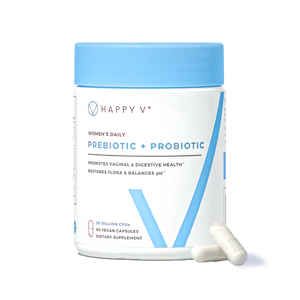
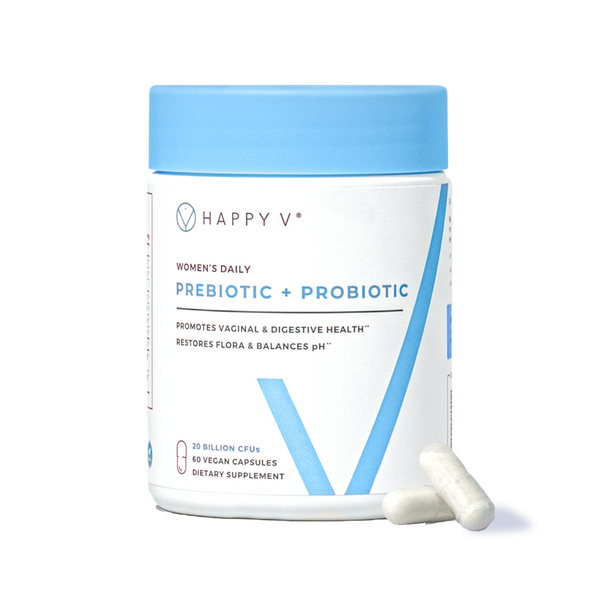
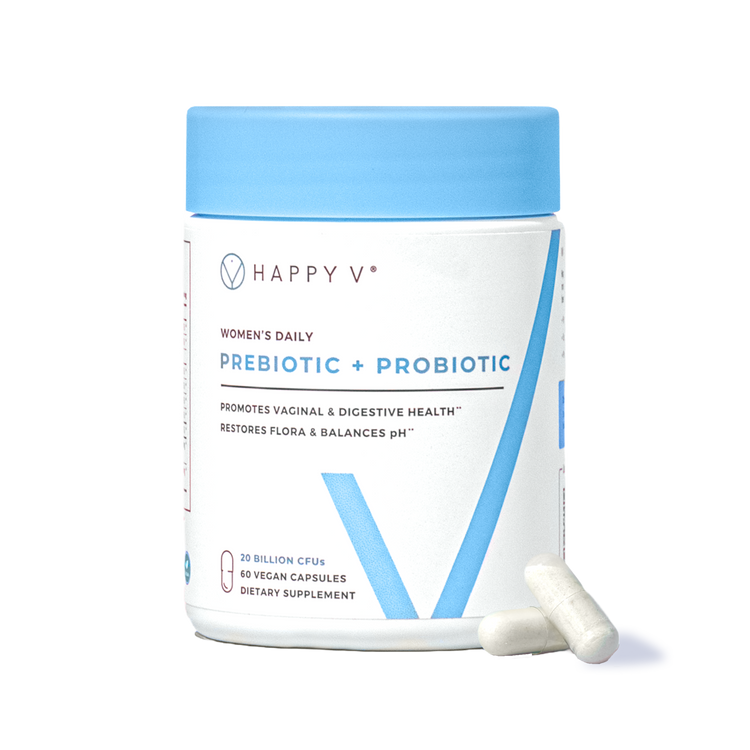
- Try a quality probiotic. Lactobacillus and Bifidobacterium strains can help rebalance your gut microbiome and support a healthier gut lining, which means fewer odor-causing compounds making their way into your bloodstream. Happy V's Prebiotic + Probiotic contains clinically studied strains of both that support digestive and vaginal health.
 Bestseller
Prebiotic + Probiotic
Maintains vaginal pH and restores gut health.
- Add chlorophyll. Chlorophyllin has been studied for its ability to bind to toxins in the gut and help reduce body odor from the inside. Happy V's Liquid Chlorophyll uses Sodium Copper Chlorophyllin, a form designed for better absorption, and has a subtle minty taste (no grass-tasting nastiness here)
- Stay hydrated. Water helps your kidneys do their job, flushing out waste before it builds up and comes out through sweat.
- Cut back on processed foods and alcohol. Both throw off gut bacteria balance and lead to more odor-causing waste being produced, waste that eventually makes its way to your skin.
The Bottom Line
Body odor starts with bacteria on your skin, but what those bacteria have to work with depends heavily on what's going on inside your gut. A damaged gut lining, poor diet, hormonal changes, and certain health conditions can all make body odor harder to manage with hygiene alone. Addressing gut health through what you eat, how you hydrate, and the right supplement support can help get to the actual source of the problem.
Keep the Conversation Going
- Visit our blog for more women's health tips.
- Join our private Happy V Facebook group to hear from others who've been there.
- Explore supplements designed to support your vaginal health journey.
Disclaimer: This blog is for informational and educational purposes only and is not intended to diagnose, treat, cure, or prevent any disease. Statements about supplements have not been evaluated by the Food and Drug Administration. For more information about vaginal infections, visit the CDC or speak to a licensed healthcare provider.