


- Fact Checked
- May 14, 2026
- 6 min read
PCOS Has a New Name. And It Changes Everything for Women Living With It.

-
Written by
Hans Graubard
• Updated on August 26, 2026

Dietary supplement manufacturing, regulatory and product development, and DTCt; leadership experience...
- Updated on August 26, 2026
Table of Contents
Table of Contents
Names matter. They shape how doctors treat you, how researchers study you, and how seriously anyone takes what you're going through. For decades, PCOS (a condition affecting 1 in 8 women) had a name that was technically a misnomer, and the consequences were real, leading to delayed diagnoses, dismissed symptoms, and overall fragmented care.
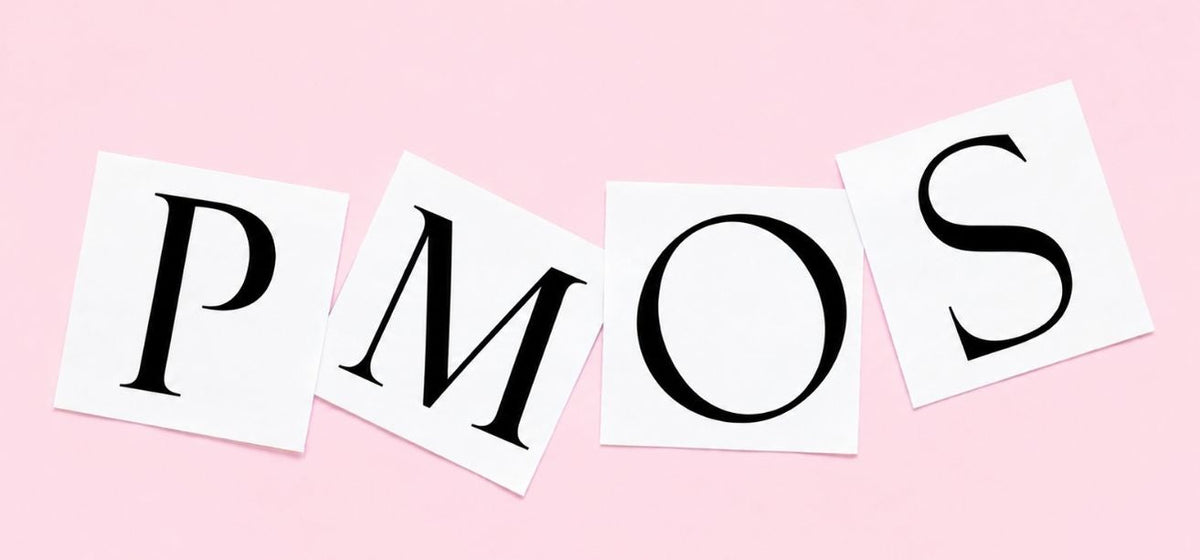
That just changed. As of May 12, 2026, PCOS has a new name and a more honest one. Here’s why that matters for the millions of women living with it.
This post is for informational purposes only and does not constitute medical advice. See full disclaimer below.
Why "PCOS" Was Always the Wrong Name

Here's the core problem in a nutshell: the term "polycystic ovary syndrome" implied the presence of pathological ovarian cysts… but those aren't actually a feature of the condition.1 What shows up on ultrasound for someone with PCOS are arrested follicles, not cysts. That distinction matters. It matters a lot, actually.
"By calling this condition polycystic ovary, we're missing the big picture," said Dr. Alla Vash-Margita of Yale University in an interview with CNN. "There was a lot of stigma and myth related to this name. People thought they had large cysts, which they do not have."

The mismatch between name and reality had more consequences than you might guess.2 Research showed this terminology contributed to diagnostic delays affecting up to 70% of people with the condition, as well as fragmented care. Patients were often shunted between specialists (think: a gynecologist for one symptom, an endocrinologist for another, and a dermatologist for a third) with no one treating the whole picture. And beyond delayed diagnoses and fragmented care, the name contributed to stigma and curtailed research and policy framing.
PMOS: What the New Name Actually Means
In the case of PMOS, switching that one letter actually does a lot of work.
PMOS, or polyendocrine metabolic ovarian syndrome, isn't just a rebrand. The new name recognizes that this is not primarily a gynecological disorder, but a complex, multisystem condition involving endocrine, metabolic, reproductive, dermatological, and psychological health.3
To break it down word by word:
- Polyendocrine signals that multiple hormones are involved, not just estrogen and progesterone, but insulin, androgens, and more.
- Metabolic acknowledges the very real cardiovascular and metabolic risks that come with the condition.
- Ovarian keeps the reproductive dimension in view, because it matters.
"It is fantastic that the new name now leads with hormones and recognizes the metabolic dimension of the condition," said Rachel Morman of Verity (PCOS UK), a lived experience expert on the renaming process. "This shift will reframe the conversation and demand that it is taken as seriously as the long-term, complex health condition it is."4
How the Change Happened

Believe it or not, this one one-letter change took more than a decade of debate. The process involved hearing from 22,000 people over 11 years. The final consensus involved collaboration across 56 leading academic, clinical, and patient organizations, with input from over 14,300 (!) people with the condition and multidisciplinary health professionals from all world regions.5
Out of 90 final voters, which included doctors, researchers, patients, and advocates, 87 supported PMOS immediately, with the remaining 3 coming around to the change before the manuscript was submitted. That's about as close to unanimous as science gets.
What It Means for Treatment
The name change isn't just symbolic. This name is a sort of recategorization, one will include updates to clinical guidelines, medical education, and international disease classification systems, ensuring the new terminology is adopted consistently worldwide.6
The practical hope: that doctors will stop treating PMOS as a fertility problem with a dash of other symptoms, and start treating it as the whole-body hormonal condition it actually is.7 That means earlier screening for metabolic and cardiovascular risk. It means patients advocating more confidently for comprehensive care. And it means research dollars following the full scope of the condition, not a misnamed sliver of it.
What You Can Do Right Now
Whether you've been diagnosed with PCOS (now PMOS) or you've been navigating irregular cycles, hormonal fluctuations, or metabolic concerns without a clear answer, this name change is a reminder that ovarian health is never just about your ovaries.8
It's connected to your hormones, your metabolism, your energy, your skin, and your long-term wellbeing. Supporting that system proactively matters.
Happy V's Ovarian Support is a daily supplement formulated specifically for women who want to take a more intentional approach to hormonal and ovarian health. With Myo-Inositol and D-Chiro-Inositol (two of the most researched nutrients for ovarian function and insulin sensitivity), along with Folate and a targeted antioxidant blend, it's designed to work with your body's natural hormonal balance. Hormonal balance is foundational, especially for women living with PMOS, and supporting it daily is one of the most proactive things you can do for your overall well-being.

Ovarian Support
Promotes cycle regularity, hormone balance, and reproductive wellness.
Final Thoughts
A name change doesn't undo years of delayed diagnoses or dismissed symptoms. Unfortunately, nothing can. But it does something important: it reframes the conversation for patients, for doctors, for researchers, and for the healthcare system as a whole. When the condition finally has a name that reflects what it actually does to the body, it becomes harder to treat it as a niche reproductive issue and easier to take it seriously as the complex, whole-body hormonal condition it is.
If you've been living with PMOS, or suspect you might be, this is a moment worth paying attention to. Not because a name change fixes everything, but because it signals that the science is finally catching up to what patients have been saying for years: this is bigger than your ovaries.
Keep the Conversation Going
- Visit our blog for more women's health tips.
- Join our private Happy V Facebook group to hear from others who've been there.
- Explore supplements designed to support your vaginal health journey.
Disclaimer: This blog is for informational and educational purposes only and is not intended to diagnose, treat, cure, or prevent any disease. Statements about supplements have not been evaluated by the Food and Drug Administration. For more information about vaginal infections, visit the CDC or speak to a licensed healthcare provider.