



- Fact Checked
- March 11, 2026
- 12 min read
Bacterial Vaginosis in Pregnancy: Common, Often Silent, and Worth Taking Seriously

- Written by Daniella Levy • Updated on May 29, 2026
- Updated on May 29, 2026

Table of Contents
Table of Contents
Pregnancy affects more than most people realize. It’s a full-body change, affecting your appetite, mood, energy levels, and even your vaginal microbiome.1 Shifting hormone levels and altered immune responses can ultimately shift your vaginal pH, making you more susceptible to vaginal infections, including bacterial vaginosis.
Despite being one of the most common infections during pregnancy, BV can be tricky to catch without explicit testing because it often has no symptoms at all, so many women don't know they have it.2 But just because you don’t have symptoms doesn’t mean there isn’t risk. Untreated BV during pregnancy is associated with serious complications, including preterm birth and low birth weight. The good news is that it's diagnosable, treatable, and — with the right habits — preventable.
This post is for informational purposes only and does not constitute medical advice. See full disclaimer below.
What Is Bacterial Vaginosis?

Bacterial vaginosis (BV) is a vaginal infection caused by an imbalance in the vaginal microbiome.3 More specifically, something has occurred that led to a drop in protective Lactobacilli bacteria and an overgrowth of harmful anaerobes. For many women, that “something” is pregnancy and the hormone shifts that accompany it.
BV is not exclusively considered a sexually transmitted infection (STI), though being sexually active is a risk factor.4 While untreated BV can develop into complications like pelvic inflammatory disease (PID) at any age, the stakes of leaving it untreated are higher than at other times in life, which is why understanding it matters.
How Common Is BV During Pregnancy?
BV is the most common cause of vaginitis in women of reproductive age.5 You don’t have to be pregnant (or even sexually active) to get it, though BV is surprisingly prevalent among pregnant women.
Studies estimate that bacterial vaginosis affects between 10% and 30% of pregnancies, though prevalence varies by population.6 It is more commonly diagnosed in the first and second trimester, when hormonal changes are most pronounced, and the vaginal environment is experiencing greater fluctuation.
As high as this number is, it could even be low. Because the majority of BV cases are asymptomatic, prevalence is likely underestimated.7 Oftentimes, it’s only caught through routine screening and prenatal testing, not because women are complaining of symptoms.
Causes and Risk Factors

BV occurs when there’s been a disruption to the levels of protective bacteria in the vagina that allows harmful bacteria to come in, outcompete, and eventually overtake the microbiome.8
Your risk of BV is naturally elevated during pregnancy, since hormonal changes naturally shift vaginal pH and alter the composition of vaginal fluid, which can make this imbalance more likely.9 But several additional risk factors can further increase your risk, including:
- Vaginal douching. This is one of the most consistent and modifiable risk factors for BV at any life stage. Douching disrupts the natural vaginal environment and wipes out protective bacteria.
- Sexual behaviors, including multiple sex partners, a new partner, or unprotected sex, all of which introduce new bacteria to the vaginal environment. Women with a history of BV may still want to consider condom use even during pregnancy.
- Smoking has been linked to altered vaginal flora and increased BV risk (and is worth avoiding during pregnancy for many other reasons too!)
- Increased body mass index (BMI). Obesity is associated with higher BV prevalence
- IUD use prior to conception is associated with higher BV rates, though this is more relevant pre-pregnancy
- Concurrent sexually transmitted infections. An existing STI like chlamydia can compromise the vaginal environment's natural defenses
Some women are also at higher risk of serious pregnancy complications if they develop BV.10 These include women with:
- A history of preterm delivery. Prior preterm birth is one of the strongest predictors of BV-related complications in a subsequent pregnancy
- Multifetal gestation aka carrying more than one baby. This already increases the risk of preterm delivery, and BV compounds that risk further
- Cervical insufficiency. A weakened cervix combined with a BV infection creates a particularly elevated risk for preterm delivery
It's also worth noting that research consistently shows higher rates of BV and BV-related pregnancy complications among African American women, a disparity that is not biological in origin but reflects the real health consequences of systemic racism, chronic stress, and unequal access to quality healthcare.11
Across all populations, barriers to prenatal care, including cost, insurance gaps, and geographic access, also mean that BV often goes unscreened and untreated in women who would benefit most from early intervention.
Symptoms of BV During Pregnancy

The symptoms of BV during pregnancy are the same as at any other time, but the catch is that most cases are asymptomatic.12 When symptoms of BV do occur, they typically include:
- Thin, watery discharge that is white, gray, or off-white (pregnancy comes with increased discharge, but BV-related discharge feels different from this)
- Fishy vaginal odor, most noticeable after sex
- Itching in the vulvovaginal area
- Burning when urinating
- Pain during sex
If you notice any of these changes, don't dismiss them as just another weird pregnancy quirk. Make an appointment with your gynecologist or midwife, even if it’s outside your prenatal appointment.
The other thing to remember is that the absence of symptoms doesn't mean the absence of infection.13 BV can be completely silent and still affect your pregnancy, increasing your risk of preterm delivery, low birth weight, and other complications without giving you a single warning sign. This is one of the most important reasons to attend every prenatal appointment, even when you feel fine (and even though there are a lot of them!). Routine screening is often the only way BV gets caught in time to treat it.
Impact on Pregnancy and Baby

BV is associated with a range of serious complications that can affect both mother and baby, including:
- Preterm delivery and preterm labor. This is the most significant risk associated with BV in pregnancy. BV-associated bacteria can ascend from the vagina to the uterus, triggering inflammation that initiates early labor
- Preterm premature rupture of membranes (preterm PROM) or early breaking of the amniotic sac before labor begins
- Miscarriage, particularly in the second trimester
- Endometritis which is a postpartum infection of the uterine lining
- Increased risk of acquiring STIs and STDs, including chlamydia and gonorrhea, which carry their own pregnancy complications
- Pelvic inflammatory disease (PID), though this is more commonly associated with untreated BV outside of pregnancy
- Low birth weight and small for gestational age, which are both associated with preterm delivery driven by BV
- HIV-exposed uninfected infants. In women with HIV, BV increases viral shedding and transmission risk
You know that at Happy V, we aren’t about scare tactics but about the real, hard science. And we want to tell you these risks so you are better informed. Because they’re real, not hype! The connection between BV and preterm birth is one of the most well-studied in obstetrics. It's a significant reason why BV in pregnancy is taken seriously as a clinical concern and why treatment, even for asymptomatic cases identified through screening, is recommended for women at high risk of preterm delivery.14
Treatment of Bacterial Vaginosis During Pregnancy
The good news is that bacterial vaginosis is highly treatable during pregnancy using antibiotics that are safe for your baby.15 You may see concerns about congenital malformations from metronidazole use, particularly in the first trimester, floating around on the internet, but the truth is, these claims have not been supported by the weight of current evidence. That being said, your provider may choose to delay treatment until after the first trimester, but that’s going to be on a case-by-case basis, and you should always voice your concerns about any treatment plan, whether you’re pregnant or not.
Treatment options for BV during pregnancy include:
- Oral metronidazole. This is the most commonly prescribed treatment for BV during pregnancy, typically taken twice daily for 7 days.16 It is effective, widely available, and endorsed by both the CDC and ACOG. Some women experience gastrointestinal upset with oral metronidazole. If this is a concern (or you are already struggling with issues like morning sickness), your provider may suggest an alternative.
- Oral clindamycin. This is another first-line option, typically prescribed for 7 days and considered safe during pregnancy.17
- Vaginal metronidazole gel (intravaginal metronidazole therapy). This is an option for women who experience significant gastrointestinal side effects from oral medication, though some guidelines prefer a more systemic treatment (think: oral antibiotic over topic gel) during pregnancy to address bacteria that may have ascended above the vaginal canal.18
- Clindamycin cream (intravaginal clindamycin 2% vaginal cream).19 This may also be used, though some research suggests intravaginal clindamycin is less effective at reducing preterm birth risk than oral treatment.
What about treating BV without antibiotics during pregnancy?
Outside of pregnancy, some women explore non-antibiotic options like boric acid suppositories or probiotics for BV management.20 During pregnancy, these should not replace antibiotic treatment when BV is confirmed. Not only is boric acid not recommended during pregnancy, but the stakes are too high. Probiotics can be a supportive complement to antibiotic treatment, but should not be a substitute for it, especially when pregnant.
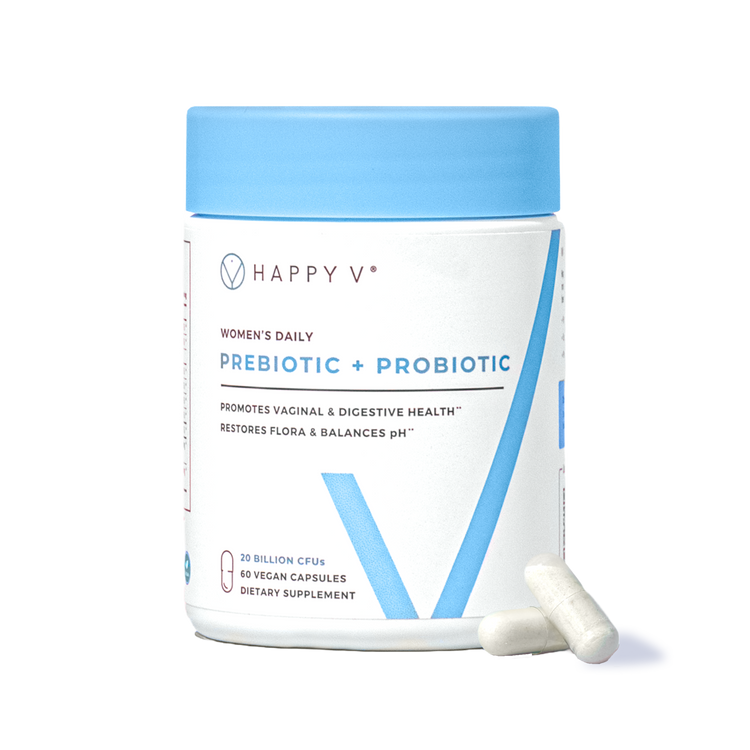 Bestseller
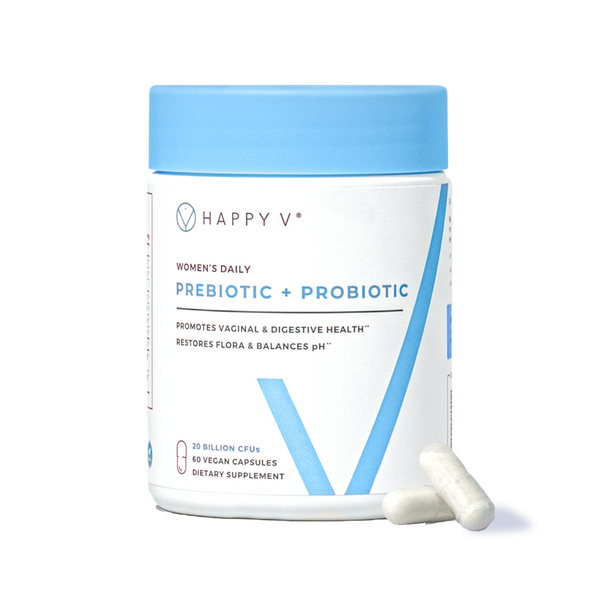
Prebiotic + Probiotic
Maintains vaginal pH and restores gut health.
Can BV Clear Up on Its Own During Pregnancy?
Sometimes BV resolves without treatment, but this “wait and see” game just isn’t safe if you’re pregnant.21 During pregnancy, the risks of leaving BV untreated, especially for women at high risk of preterm delivery, generally outweigh any benefit to waiting. If your provider has confirmed BV during pregnancy, treatment is the right next step.
Can You Have a Healthy Pregnancy After BV Treatment?
Yes, absolutely. Treating BV with antibiotics during pregnancy does not harm the baby and can actually improve pregnancy outcomes by reducing the risk of preterm delivery and related complications.22 Many women successfully treat BV and go on to have full-term, healthy pregnancies. The key is treating it promptly and following your provider's guidance.
Self-Care, Prevention, and Reducing Recurrence

BV has a high recurrence rate even after successful antibiotic treatment.23 If you’ve had BV while pregnant or had frequent infections before conception, consider risk reduction an important part of your prenatal care, just like taking a daily prenatal vitamin.
The best ways to prevent BV during pregnancy are:
- Don't douche. Vaginal douching is one of the most consistent risk factors for BV and should be avoided entirely during pregnancy (and in general).
- Use condoms. Condoms aren’t just about not getting pregnant. Consistent condom use during pregnancy reduces exposure to bacteria that can disrupt vaginal pH and lead to BV.
- Limit sex partners. Reducing the number of sex partners limits exposure to unfamiliar microbiomes.
- Avoid scented products near the vagina, including soaps, wipes, and sprays. These get their scents through chemicals that can disrupt your microbiome.
- Don't smoke. Smoking is a modifiable risk factor for BV (and also carries its own significant pregnancy risks).
- Attend all prenatal appointments. Regular prenatal care is your best tool for catching BV early, especially in asymptomatic cases.
Supporting Your Vaginal Microbiome During Pregnancy
While antibiotics are an important tool to clear an active BV infection, they disrupt the broader vaginal microbiome in the process.25 They kill off the protective Lactobacilli bacteria along with the infection-causing bacteria, which is part of why recurring bacterial vaginosis is so common.
One of the ways you can curb this disruption is by taking a daily probiotic during and in the weeks following a course of antibiotics, particularly a targeted vaginal probiotic made with strains of Lactobacillus shown to improve overall vaginal health.
Happy V's Prebiotic + Probiotic is doctor-formulated with clinically studied Lactobacillus strains specifically chosen to support vaginal health and restore healthy vaginal flora.
While it won't treat an active BV infection, it can be a meaningful part of your pregnancy and postpartum care routine, as preclinical studies have shown it to be effective in reducing the growth of Gardnerella vaginalis, the bad bacteria behind most BV infections. Though it’s made with no fillers, GMOs, or other harmful ingredients, it’s always best to check with your healthcare provider before starting any new supplement during pregnancy.
When to Seek Care
Given how often bacterial vaginosis is asymptomatic, routine screening is the only reliable way to catch it. Especially if you have a history of BV, don’t wait for symptoms to show up. Discuss the risk with your doctor proactively in your early prenatal appointments.
It’s also okay and often necessary to see your doctor outside of your scheduled prenatal appointments, especially if:
- You notice unusual vaginal discharge, fishy odor, itching, or burning
- You have a history of preterm delivery or other high-risk pregnancy factors
- Your symptoms persist or return after completing a course of antibiotics
- You have a confirmed or suspected STI alongside your symptoms
- You're unsure whether what you're experiencing is normal pregnancy discharge or something that needs evaluation
Keep the Conversation Going
- Visit our blog for more women's health tips.
- Join our private Happy V Facebook group to hear from others who've been there.
- Explore supplements designed to support your vaginal health journey.
Disclaimer: This blog is for informational and educational purposes only and is not intended to diagnose, treat, cure, or prevent any disease. Statements about supplements have not been evaluated by the Food and Drug Administration. For more information about vaginal infections, visit the CDC or speak to a licensed healthcare provider.