



- Fact Checked
- June 24, 2026
- 11 min read
Are Menopause Retreats Worth It? What to Know Before You Go

- Written by Daniella Levy • Updated on August 26, 2026
- Updated on August 26, 2026

Table of Contents
Table of Contents
Hot flashes at 2am. Night sweats soaking through your sheets. Brain fog at 10am and mood swings you don't recognize as yours. For a lot of women, menopause arrives less like a transition and more like a plot twist, and navigating it while also working, caregiving, and showing up for everything else life requires can feel exhausting, to put it mildly.
That's why menopause retreats have become one of the fastest-growing segments of the wellness travel industry. These aren’t just spa weekends under a different name. They’re dedicated, often medically informed experiences designed specifically for women moving through the stages of menopause, whether that’s perimenopause, menopause, or postmenopause. They're popping up everywhere from the Cotswolds to Costa Rica, but the question remains… are they worth it?
We did some digging, and here's what to know.
This post is for informational purposes only and does not constitute medical advice. See full disclaimer below.
What Is a Menopause Retreat?

A menopause retreat is a structured wellness retreat experience, lasting anywhere from a long weekend to a full week, that’s built specifically around the physical, emotional, and hormonal changes related to menopause.
Unlike a general spa break or yoga retreat, a menopause retreat centers its programming on the specific challenges of this life stage, things like insomnia, hot flashes, mood changes, anxiety, depression, vaginal dryness, weight gain, changes in libido, brain fog, and more.1
The best ones bring together clinical expertise from gynecologists, integrative medicine doctors, or registered nurses with a menopause specialty, evidence-based wellness programs, and genuine community with other women who get it.2 Some retreats are primarily educational, functioning almost like an intensive course on managing menopause well. Others lean more toward therapeutic rest and recovery. Many are a blend of both.
They're also designed for women at any stage of the journey, whether you're newly in perimenopause, well into the menopausal transition, or navigating postmenopause.3 Some retreats even have specific tracks for women who've experienced premature menopause or menopause induced by chemotherapy or other cancer treatments, recognizing that those experiences come with distinct physical and emotional needs.
The Benefits of Going
The benefits of a menopause retreat don't come in the form of clinical data, more in the form of a feeling of empowerment.4 Women who attend tend to describe leaving differently than they arrived: less confused, less alone, more equipped. That shift is hard to quantify, but that doesn’t make it any less impactful for those who experience it.
Women who attend often describe benefits such as:
You Learn Things Your Doctor Doesn't Have Time to Tell You

The average gynecologist or GP appointment allows for approximately seven minutes to discuss menopause symptoms.5 That's enough time to mention hot flashes, maybe get a referral, and… not much else. What it's not enough time for: understanding the full hormonal picture (what's happening with estrogen and progesterone, how that intersects with long-term risks like osteoporosis and heart disease), exploring non-pharmaceutical options, or figuring out what's driving your specific combination of symptoms.
Menopause retreats fill that gap. Educational workshops led by healthcare providers and healthcare professionals can cover everything from how to evaluate hormone replacement therapy (HRT) to why strength training matters more than ever after 50, to what a nutritionist would actually recommend for managing weight gain and inflammation during the transition.6 Women leave with a vocabulary for their experience and a toolkit for managing it that they genuinely didn't have before.
You're in a Room Full of People Who Actually Understand
There's something that happens when you're sitting with thirty other women who have all Googled "why do I feel like a different person" at midnight. The isolation of menopause or the sense that you're supposed to just quietly manage it lifts pretty quickly.
Community is consistently one of the most cited benefits of menopause retreats, not just as a nice-to-have but as something with real emotional and psychological impact.7 Feeling seen and heard by peers who share the same experience reduces the shame and confusion that many women carry about their symptoms, including the ones they've been most reluctant to name: incontinence, sexual health changes, depression, the particular grief of a body that feels unfamiliar.
Your Body Gets Support It Doesn't Always Get at Home
Long days, chronic low-grade stress, disrupted sleep, and eating whatever's convenient are the conditions most women are managing their menopause in, all of which can make symptoms even worse.8 A retreat interrupts all of that. Structured sleep, anti-inflammatory meals designed with hormonal health in mind, daily movement, and therapeutic treatments like acupuncture, breathwork, and massage give the body a genuine reset. For many women, a week at a menopause retreat produces noticeable improvements in sleep quality, energy, and mood that persist after they return home, especially if they leave with new self-care habits in place.
You Come Home With a Plan
The most practically useful retreats don't just offer experiences: they offer frameworks. These can include personalized nutrition guidance from a nutritionist who understands the hormonal picture, a movement plan designed for the reality of perimenopause rather than a generic fitness program, and clarity on which symptoms warrant a follow-up with a specialist and which can be addressed with lifestyle changes. That individualized attention, in a context where you're not rushed and you actually have time to ask questions, is something women consistently describe as one of the most valuable parts of the experience.9
What Happens at a Menopause Retreat?

Really, the answer to this depends on the retreat itself, but the best ones we have found typically include some combination of the following:
- Educational workshops. Topics typically include hormone replacement therapy and how to evaluate it, nutrition for menopause (particularly around bone density, osteoporosis risk, heart disease, and weight gain), sleep science, and mental health during the transition, including anxiety, depression, and mood changes.10
- Movement. Yoga, Pilates, strength training, hiking, and swimming are common. Many retreats emphasize resistance training and weight-bearing activity specifically for bone density and metabolic health, areas where the drop in estrogen and progesterone has measurable long-term effects.
- Therapeutic treatments. Acupuncture, massage, hydrotherapy, breathwork, and meditation are frequently offered as tools for managing hot flushes, insomnia, anxiety, and mood swings.
- Nutrition programming. Meals are typically anti-inflammatory and phytoestrogen-rich, with cooking workshops or one-on-one sessions with a nutritionist to help women replicate that approach at home.
- Community and peer support. This can look like facilitated discussions, sharing circles, and built-in social time. This isn't incidental; it's often considered a core part of the therapeutic value.
How to Choose the Right Menopause Retreat
Not all retreats are created equal, and it's worth doing your research before committing.
Here are some ways to evaluate any retreat:
- Look for clinical credibility. Who is leading the health-focused programming? Retreats built around licensed healthcare professionals with a specific menopause specialty will offer more substantive information than those run primarily by general wellness coaches. Look for gynecologists, nurses with menopause training, or practitioners accredited by organizations like the Menopause Society.
- Match the format to what you need. Rest and recovery? Education and strategy? Community? Different retreats emphasize different things, and knowing what you're most hungry for narrows the field quickly.
- Check what's included. Menopause retreats range from a few hundred dollars for a local day retreat to several thousand for a week-long residential program. Understand what's covered (meals, accommodation, wellness programs, individual consultations, etc) and what costs extra.
- Ask about follow-up support. The best retreats don't end when you leave. Online communities, follow-up resources, and ongoing access to practitioners are signs that a retreat is invested in lasting outcomes, not just a transformative long weekend.
What to Pack for a Menopause Retreat

Most retreats will send a packing list, as what to pack depends heavily on the climate and lodging, but here's a solid baseline to get you started:
- Comfortable, layered clothing. Hot flashes are unpredictable, and retreat spaces move between indoor workshops, outdoor activities, and evening sessions. Layers you can add and remove easily are your best friend. Moisture-wicking fabrics help too.
- A journal. The combination of education, community, and time to actually think tends to generate a lot of ideas and feelings. Having somewhere to put them makes the experience stickier and gives you something to return to at home when regular life takes over.
- Your symptom history. If a retreat includes one-on-one consultations with healthcare professionals, you'll get more out of them if you arrive with a clear picture of what you've been experiencing: which symptoms, how often, what makes them better or worse, and what you've already tried. A simple note on your phone works fine.
- Your current medications and supplements. Including anything you're taking for menopause symptoms, whether that's HRT, a progesterone supplement, or a daily menopause support supplement like Happy V's Menopause Relief AM +PM. Practitioners can give better guidance when they know the full picture.
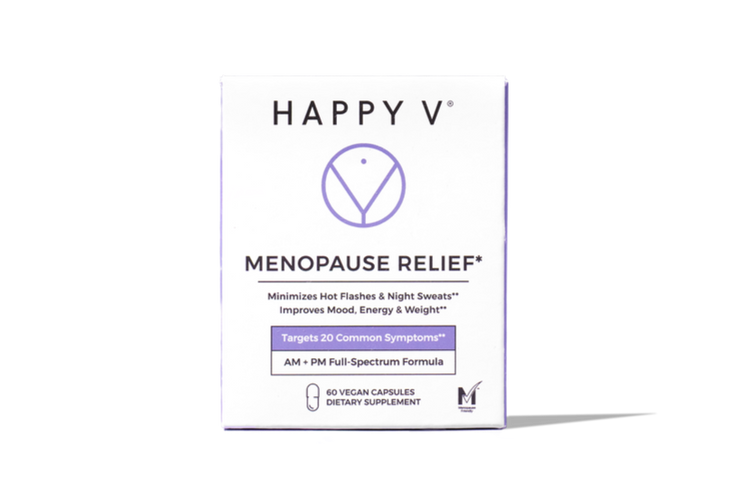
Menopause Relief AM + PM
Supports mood, energy and weight. Minimizes hot flashes and night sweats.
- An open mind about the community component. Okay, so this one you can’t exactly put in a carry-on, but it’s still the one thing most women say they wish they'd arrived with more of. The peer connection at menopause retreats tends to be more meaningful than people expect, and the women who lean into it tend to leave with something that lasts longer than any single workshop.11
What Women Who've Attended Say
The testimonials from menopause retreat alumni vary in their exact wording, of course, but they tend to cluster around a few consistent themes:
The most common: I didn't know how much I needed to talk about this with people who understood. Many women arrive not expecting the community component to be as powerful as it is, and leave naming it as the most meaningful part of the experience.12
Close behind: I finally understand what's happening in my body. The education component resonates deeply with women who have been managing symptoms in the dark, Googling symptoms at 3am and coming away more anxious than informed. Having a medical professional explain the hormonal mechanics of what they're experiencing, in a supportive and unhurried environment, is consistently described as a relief.13
And practically: I sleep better now. Sleep disruption is one of the most common and debilitating menopause symptoms, and the combination of evidence-based sleep hygiene education, stress reduction practices, and physical activity that retreats offer tends to produce measurable improvements. Women frequently report that changes they made during a retreat, whether to their evening routine, their approach to alcohol, or their movement habits, stuck in a way that advice from a doctor's office hadn't.14
Keeping the Momentum Going at Home
A retreat can be a genuine turning point, but what happens after you get home matters just as much. The women who sustain the most benefit are typically the ones who come home with concrete self-care habits to build on.
That's where daily support makes a real difference. Happy V's Menopause Relief AM + PM is built around the idea that menopause symptoms don't keep business hours, so neither should your support. The dual formula works in two phases: the AM blend is designed to help manage daytime symptoms like low energy, mood changes, and brain fog, while the PM blend targets the nighttime disruptions like hot flashes, night sweats, and restless sleep that so many women in the menopausal transition know all too well. Together, they work around the clock to support hormonal equilibrium, which is exactly the kind of steady, consistent foundation that keeps the gains from a retreat alive when regular life kicks back in.
Keep the Conversation Going
- Visit our blog for more women's health tips.
- Join our private Happy V Facebook group to hear from others who've been there.
- Explore supplements designed to support your vaginal health journey.
Disclaimer: This blog is for informational and educational purposes only and is not intended to diagnose, treat, cure, or prevent any disease. Statements about supplements have not been evaluated by the Food and Drug Administration. For more information about vaginal infections, visit the CDC or speak to a licensed healthcare provider.