
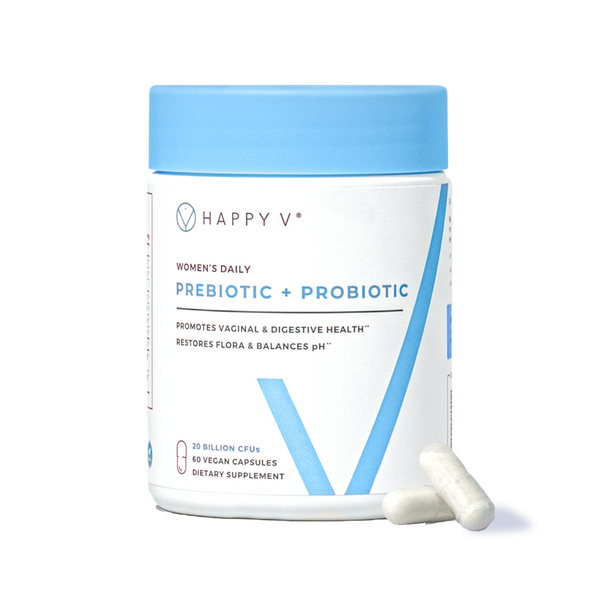
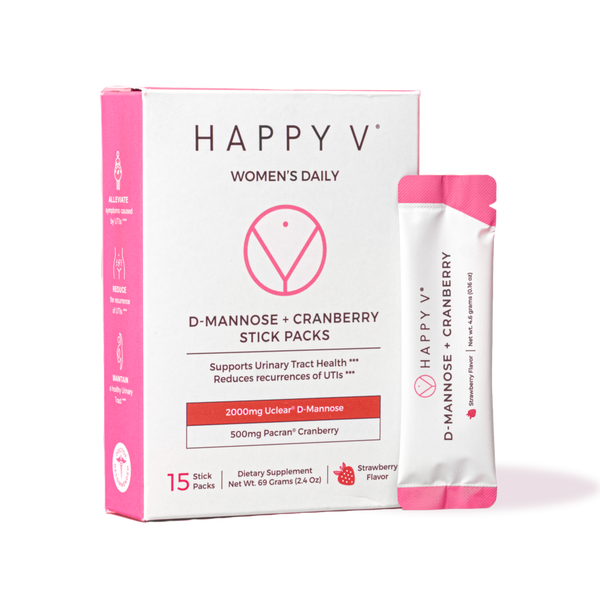
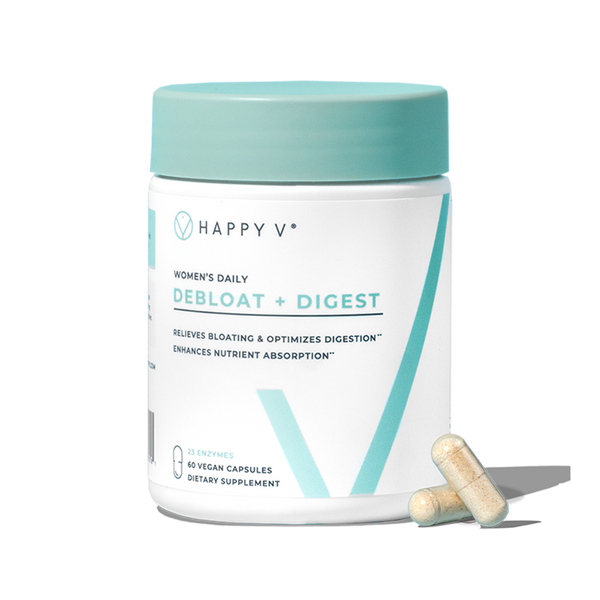

- Fact Checked
- September 21, 2026
- 8 min read
Yeast Infection Won't Go Away? 7 Reasons It Keeps Coming Back

- Written by Daniella Levy • Updated on September 21, 2026
- Updated on September 21, 2026

Table of Contents
Table of Contents
You wake up, and it’s there: that tell-tale itching that has to be a yeast infection. So you head to the pharmacy, buy some Monistat, and within a few days, the itching is gone. But then, a few weeks later, it’s back, and you’re wondering where you went wrong.
If you’re caught in this cycle of itch and discomfort, you’re far from alone. Recurrent yeast infections are more common than most women realize, and those caught in the loop often feel like they’ve tried everything without any relief.
Before you reach for yet another over-the-counter (OTC) antifungal treatment, it helps to take a step back and consider if symptoms are really from a yeast infection and, if they are, what might be triggering them. With that information, you’ll have what you need to finally break the cycle.
This post is for informational purposes only and does not constitute medical advice. See full disclaimer below.
7 Reasons Yeast Infections Symptoms Keep Coming Back
If itch and discharge keep coming back, no matter what you do, your body isn’t broken and you aren’t “dirty.” There are generally 7 common culprits behind recurrent infections, and some may surprise you.
1. You Might Be Dealing With Something Other Than a Yeast Infection
If you are treating your yeast infections before seeing a doctor for a diagnosis, that may be the root of your issue. Symptoms like vaginal itching, discharge, and irritation are symptoms of a yeast infection for sure. But they’re also symptoms of several other, very common conditions, so what you self-diagnosed as a stubborn fungal infection may actually be bacterial vaginosis (BV), a UTI, or an STI like trichomoniasis or chlamydia. Even something unrelated to infection, like contact dermatitis from a new soap or laundry detergent, can mimic vaginal yeast infection symptoms. All of these need different interventions.
Pain during urination is a good example of a symptom that gets misread. It can point to a UTI just as easily as a yeast infection, and the two need very different treatment. Pelvic pain, pain during sex, or symptoms that feel more like stress urinary incontinence than itching can also signal something separate from Candida overgrowth, including conditions like endometriosis.
If you've reached for OTC antifungal cream more than once this year without lasting relief, that's a sign you may be treating the wrong thing. A pelvic exam and proper testing from a health care provider is the only reliable way to know what you're actually dealing with.
2. Antibiotics Are Disrupting Your Natural Balance
Most people think about antibiotics as the thing that clears infections, but antibiotic use is a common trigger for yeast infections. See, antibiotics don’t distinguish between harmful bacteria and the healthy bacteria that normally keep fungus like Candida albicans in check. Without these protective bacteria in the vaginal microbiome, yeast can overgrow. This is why some women notice a fungal infection right after finishing antibiotics for something unrelated, like a UTI or sinus infection.
These kinds of infections are referred to as secondary infections, and knowing you are prone to them can help you prevent them. If you know antibiotics tend to trigger a yeast infection for you, talk to your provider about how you can support your vaginal microbiome with a probiotic supplement during and after your course of treatment.
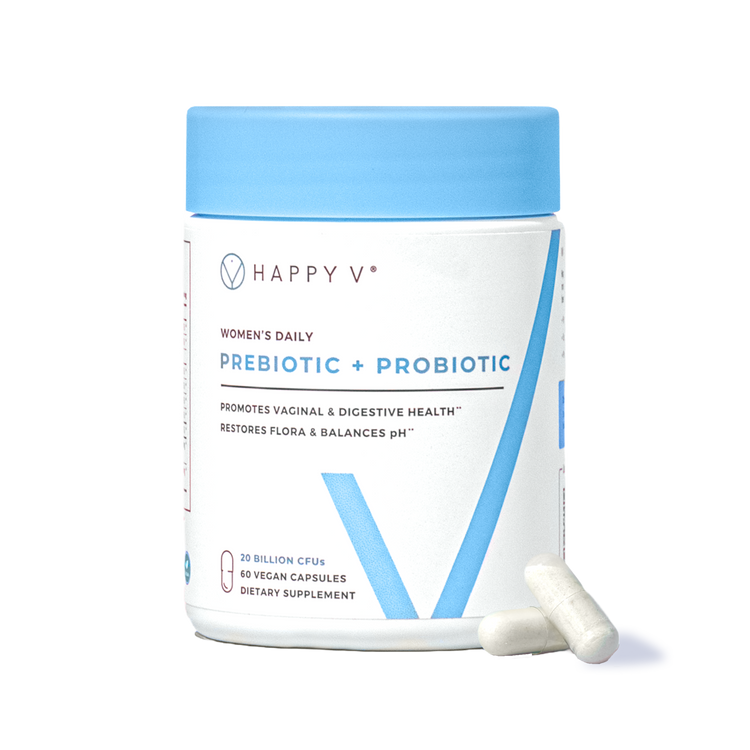 Bestseller
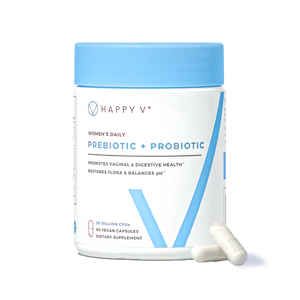
Prebiotic + Probiotic
Maintains vaginal pH and restores gut health.
3. An Underlying Health Condition May Be at Play
The majority of women experience at least one yeast infection in their life, but if you get them on a recurring basis, it may be worth looking into an underlying condition, as several can fly under the radar initially but contribute to your risk.
Health conditions and life stages linked to higher yeast infection risk include:
-
Diabetes, especially uncontrolled blood sugar. This gives yeast more of the sugar it needs to thrive.
-
Pregnancy. Pregnancy raises estrogen levels, which changes your vaginal environment and can make Candida overgrowth more likely.
-
Menopause. Menopause and the hormonal changes that come with it can shift your vaginal pH and natural flora.
-
Birth control pills. especially those with higher levels of estrogen.
A weakened immune system. Whether from a medical condition or certain medications, a weakened immune system makes it harder for your body to keep yeast in check.
-
Sexual intercourse with a partner who has a yeast infection. This can reintroduce Candida, even though a yeast infection is not classified as a sexually transmitted infection.
If you think an underlying condition may be contributing to your infection, mention it to your provider, since recurrent infections tied to an underlying condition often need a different treatment plan than a single, occasional infection.
4. You’re Stopping Treatment Too Early
When your uncomfortable symptoms disappear, it's tempting to think that means the infection is gone and you can stop taking your medication early, but incomplete treatment is a major driver of recurrence, since it can leave juuuuust enough yeast behind to regrow once you stop.
This goes for prescription antifungals like fluconazole as much as OTC courses of miconazole or suppositories. Whatever treatment your doctor suggests, finish the full course as directed, even once the itching is gone, so you're not left dealing with the same infection weeks later.
5. Your Everyday Habits Are Working Against You
A few common habits can quietly disrupt the natural bacteria that protect your vulva and vaginal canal, increasing your risk of yeast infections. The most notable are:
-
Douching, one of the most common culprits behind recurring vaginal symptoms
-
Scented products, like sprays, soaps, or scented pads and tampons
-
Tight or non-breathable underwear
-
Sitting in sweaty workout clothes longer than necessary
-
Vinegar douches and other home remedies that promise a quick fix
Small swaps, like choosing cotton underwear and skipping the DIY remedies, go a long way toward keeping your natural balance intact.
6. You Are Facing a Resistant Strain
Most vaginal yeast infections respond well to standard antifungal medication, but some do not. Certain Candida strains are naturally more resistant to common treatments like fluconazole (Diflucan) or miconazole (Monistat). If you have a confirmed yeast infection and have tried multiple courses of treatment without success, ask your provider about further testing. These tests can reveal the exact strain of Candida involved so you can move to a more targeted approach.
7. Standard Treatment Alone Is Not Addressing the Root Cause
Antifungal medication can help get rid of the excess yeast, but it doesn’t address what allowed it to overgrow in the first place.
Candida is normally kept in check by protective bacteria in your vaginal microbiome (normally from the Lactobacillus species), and when those bacteria levels are depleted, whether from antibiotics, hormonal shifts, or an underlying health condition, yeast has more room to take over again once treatment ends. This is where alternative approaches come in. For chronic yeast infections that keep returning despite repeated treatment, some providers recommend a longer maintenance course of antifungal medication, hormone therapy if hormonal changes are a factor, or ongoing probiotic support to help replenish your natural healthy bacteria and keep it dominant.
Happy V Prebiotic + Probiotic is formulated with clinically studied Lactobacillus strains to help restore that balance and support a healthy vaginal microbiome long after your antifungal treatment is done. In preclinical studies, our unique blend of seven probiotics was shown to help inhibit the growth of multiple Candida strains, including Candida albicans (aka the #1 baddie associated with yeast infections). It’s great to include in a daily vaginal wellness routine or as a preventative measure during and after antibiotic use.
When to See a Doctor
Occasional yeast infections are common and usually nothing to worry about. But it's time to see a health care provider if:
- You've had four or more infections in a year
- OTC treatments aren't clearing your symptoms
- You notice fever or pelvic pain along with vaginal symptoms
- You're not sure whether what you're dealing with is actually a yeast infection at all
You are not the first person struggling with this issue, and your doctor will be able to give you the answers you need to finally feel comfortable.
Keep the Conversation Going
- Visit our blog for more women's health tips.
- Join our private Happy V Facebook group to hear from others who've been there.
- Explore supplements designed to support your vaginal health journey.
Disclaimer: This blog is for informational and educational purposes only and is not intended to diagnose, treat, cure, or prevent any disease. Statements about supplements have not been evaluated by the Food and Drug Administration. For more information about vaginal infections, visit the CDC or speak to a licensed healthcare provider.
FAQ
Why does my yeast infection keep coming back every month?
Can a yeast infection go away on its own?
Should my partner be treated for a yeast infection too?
How is a yeast infection different from BV or a UTI?
Can probiotics really help prevent recurring yeast infections?
Our experts continually monitor the health and wellness space, and we update our articles when new information becomes available.
- Published on: September 21, 2026
- Last updates: September 21, 2026
Written by Daniella Levy
Edited by Liz Breen