

- Fact Checked
- March 20, 2026
- 12 min read
Wellness Unfiltered with Cindy Dabrowska, RD: How the Gut Microbiome Shapes Hormones and Vaginal Health

-
Written by
Hans Graubard
• Updated on June 07, 2026

Dietary supplement manufacturing, regulatory and product development, and DTCt; leadership experience...
- Updated on June 07, 2026
Table of Contents
Table of Contents
When people think about women’s health, conversations often focus on hormones, fertility, or vaginal health. But one system quietly influences all three: the gut microbiome.
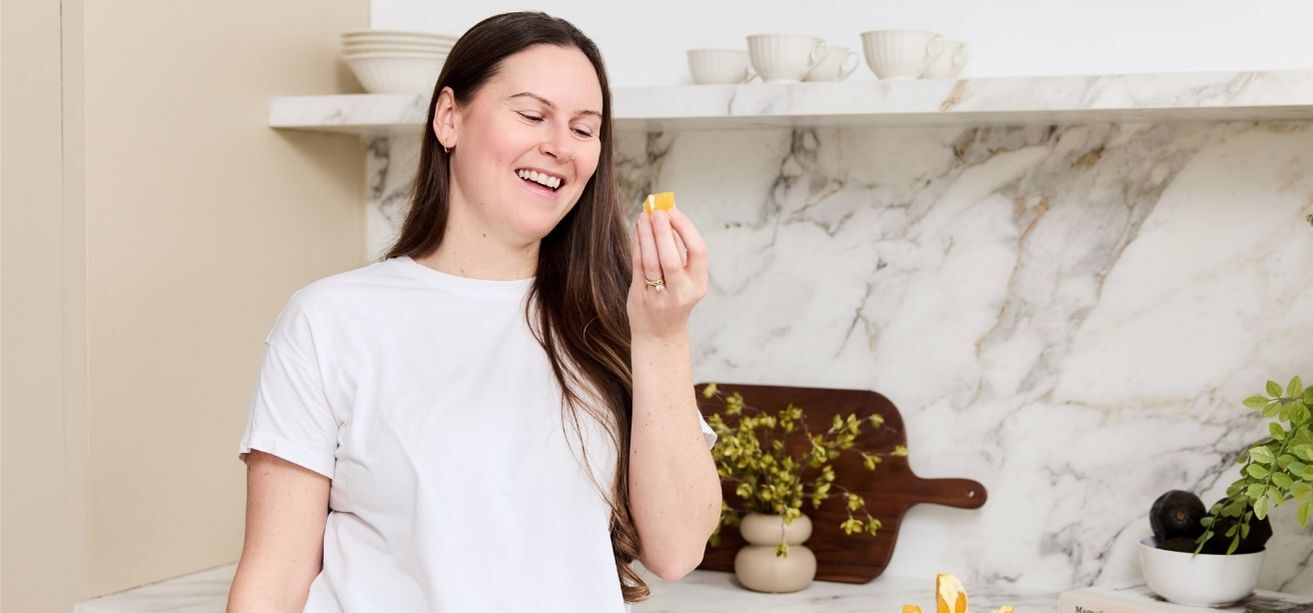
For this edition of Wellness Unfiltered, our interview series featuring honest conversations with experts in women’s health, we spoke with Cindy Dabrowska, an endometriosis and fertility-specialized dietitian whose work focuses on the connection between nutrition, the microbiome, and hormone balance.
Cindy’s path into this field is also personal. She lives with endometriosis herself and was diagnosed via laparoscopy in 2018 after years of searching for answers. While completing her master’s degree in Applied Human Nutrition, she chose endometriosis as the focus of a research project—an experience that ultimately shaped her career.
Today, through her private practice, Cindy helps women navigate digestive issues, hormone imbalance, fertility concerns, and endometriosis by focusing on one key foundation: supporting the gut microbiome.
In our conversation, Cindy explains how diet shapes the microbiome, why gut health can influence vaginal health, and the daily habits that help support microbial balance.
This post is for informational purposes only and does not constitute medical advice. See full disclaimer below.
10 Questions for Cindy Dabrowska, RD
Can you introduce yourself and share a bit about your background and what drew you to focus on women’s health and nutrition?
C: I’m Cindy, and I am an endometriosis and fertility-specialized dietitian. Much like many other healthcare providers, I have a personal tie to the population that I serve, as I am someone who lives with endometriosis.
I was diagnosed with endometriosis via a laparoscopy in 2018, but much like many other women who suffer with this condition, I suspected that I had endometriosis long before then. For years, I tried to improve my own pain with various restricted diets, supplements, high-intensity exercise, birth control pills, and of course, surgery.
When I was completing my master's degree in Applied Human Nutrition, I was required to complete a project on a chronic illness of my choosing. I chose endometriosis. From that moment, I knew that I would someday start a private practice supporting women with the same struggles that I have lived with.
When I reflect on my motivation to start my private practice, I always come back to this thought: "So many other chronic inflammatory and immune-related conditions can be successfully managed with diet and lifestyle. Why should endometriosis be excluded from that list?”
Can you describe what the gut microbiome is and why it’s considered foundational for women’s overall health?

C: The gut microbiome is a combination of microorganisms, including yeast, viruses, bacteria and even parasites! These microorganisms live primarily in the large intestine and have several important roles not just in the gut, but roles that affect humans body-wide1,2,3.
When I think of women’s health specifically, and what it means to be “healthy” as a woman, I think of healthy detox, balanced hormones, optimal nutrient status, good mental health, excellent sleep quality, good stress tolerance and balanced blood sugars. The gut microbiome plays a role in every single one of these aspects of health4,5,6.
First, we excrete waste and hormones through stools. If constipation is a factor, this can create a lot of inflammation within the gut microbiome. It can also be a root cause for estrogen excess symptoms like breast tenderness, heavy clotted bleeding, mood shifts, histamine excess symptoms and more8,9.
Balanced hormones look like having a healthy libido, stable mood, signs of fertility (like regular ovulatory cycles and cervical mucus), minimal to no PMS, regular bleeding patterns, regular cycles, mental clarity and good energy. Because the gut microbiome is the 3rd step in how estrogen exits the body, an imbalanced or inflamed gut microbiome is inconsistent with balanced hormones.
Additionally, the gut is home to 95% of our serotonin production, our feel-good neurotransmitter that is essential to good sleep, mood and energy. Serotonin is also converted into melatonin, which is an important neurotransmitter-like substance that helps with sleep, inflammation and egg quality.
Bottom line: an imbalanced gut microbiome is inconsistent with optimal health in women. It’s absolutely a foundation we can’t neglect.
How does diet directly influence the balance of bacteria in the gut, and in turn, vaginal health?

C: Diet has a tremendous impact on the balance of bacteria in the gut. We see consistently in the research that plant-centric diets correspond with the largest numbers of anti-inflammatory Lactobacillus, Akkermansia, Faecalibacterium and Bifidobacterium strains,. The benefits of a diverse microbiome, dominated by protective bacteria include less inflammation (in the gut and body-wide), better immune-function, a reduced risk of chronic, autoimmune and metabolic disease (like CVD and diabetes), better, more complete elimination of waste and hormones, protection against inflammatory pathogens, better metabolic regulation (weight maintenance and insulin sensitivity), better mental health (more stable mood, consistent energy) and a reduced risk of “leaky gut” which is in turn associated with swelling, autoimmunity and body-wide inflammation13,14,15.
Because every microbiome in the body (vaginal, gut, oral, etc.) interacts, the gut microbiome has a tremendous impact on the health of the vaginal microbiome. In fact, many disruptive, pro-inflammatory pathogens or bacteria that cause BV or yeast infections translocate from the gut into the vaginal microbiome. Bacteria or pathogens to be particularly skeptical of include E.coli, Candida, Gardnerella, and Prevotella. Because one of the benefits of a plant-centric diet is increased protection against pathogenic bacteria, your diet directly impacts your chances of contracting BV, candida or other vaginal infections.
Are there specific foods or habits that tend to disrupt the vaginal microbiome more than others, and what are microbiome-friendly swaps you recommend?
C: Yes, absolutely. One of the most disruptive habits is taking antibiotics17,18. Certainly, taking antibiotics if they are needed can be life-saving, but definitely approach prophylactic and unnecessary use of antibiotics cautiously and ask questions.
Douching is another example of a habit to avoid to keep your vaginal microbiome stable. Urinate after intercourse, wear cotton or breathable underwear, and change pads, tampons or menstrual cups often. Urinate or bathe after intercourse, and remove wet clothing or bathing suits if you are prone to vaginal infections.
High sugar or highly refined carbohydrate diets are not ideal for maintaining a stable vaginal microbiome, especially if you already have a history with things like yeast infections. Red or processed meats have also been shown to shift the microbiomes throughout the body towards more pro-inflammatory bacteria growth19. I don’t advocate for a meatless diet, but moderation is key.
Saturated fats, trans fats and alcohol can alter the vaginal pH and/or sway the environment towards less protective bacteria and more pro-inflammatory bacteria20. Alcohol can also alter hormones, and estradiol specifically is very important for the vaginal microbiome.
What role do probiotics and prebiotics play in supporting a healthy gut, and how should women think about incorporating them into their daily routine?
C: Probiotics are the active bacterial cultures that colonize the bowel. They offer protective health benefits to the host. They can also be purchased and taken orally, but not all commercial probiotics colonize the bowel. Prebiotics are the non-digestible plant fibers that feed the probiotics (or bacteria) that live in the gut. Prebiotics help the bacteria in the gut grow and flourish. Oral or dietary probiotics can be tremendously helpful for supporting a healthy gut. Many science-backed strains have proven benefits for constipation, motility, mood, metabolic health, vaginal health and more.
Most women who maintain a healthy gut microbiome by consuming colorful plants, plant proteins, nuts and seeds, oily fish, resistant starches and whole grains can likely maintain a healthy gut microbiome by simply consuming fermented foods like fermented dairy (yogurt, cottage cheese, kefir), fermented vegetables (like sauerkraut, fermented pickles, kimchi or beets), non-dairy fermented products like coconut yogurt or soy yogurt and natto.
Women who have a history with antibiotics, recurring food poisoning, significant digestive issues (like bloating, reflux, constipation, diarrhea etc.) could likely benefit from an over-the-counter probiotic. Generally speaking, Lactobacillus rhamnosus, Bifidobacterium strains, Saccharomyces boulardii or soil-based strains like Bacillus coagulans are good options to consider adding to your probiotic routine.
From your perspective, what’s one common misconception about gut or vaginal health that you wish more women understood?
C: There are so many! A big one I see often is just because you don’t have any symptoms doesn’t mean you don’t have an imbalance21. I see this one applies most often to the vaginal microbiome. Many women are reluctant to do a vaginal swab, but when they do, we learn that their vaginal microbiome is completely imbalanced and lacking in almost all protective flora. Many women experience a lightbulb moment when they start working on rebuilding the vaginal microbiome. The gentle itching, or odd bleeding patterns or gentle burning with intercourse disappear, and they realize that their "normal" wasn’t normal all along.
How do hormonal changes across the menstrual cycle, pregnancy, or perimenopause affect the gut-vaginal connection?
C: The hormonal shifts that happen throughout the menstrual cycle affect the gut-vaginal connection in a few ways22. In the follicular phase, estrogen begins to climb slowly, just before it hits peak at ovulation. This slow, steady increase in estrogen acts on the cells in the vagina causing an increase in glycogen inside those cells. Glycogen is the storage form of glucose. This increase in glycogen corresponds to lactobacillus dominance.
Lactobacillus strains are the most protective strains within the vaginal microbiome. They lower the pH in the vagina, keeping it acidic and protective against yeast or bacteria. The opposite is true for low estrogen states like in menopause or later stages of perimenopause. This might result in a more alkaline environment within the vagina and an increased risk of vaginal infections.
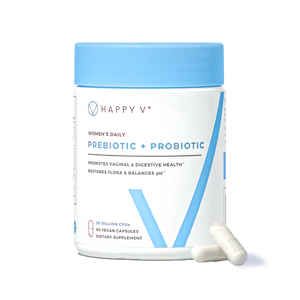
 Bestseller
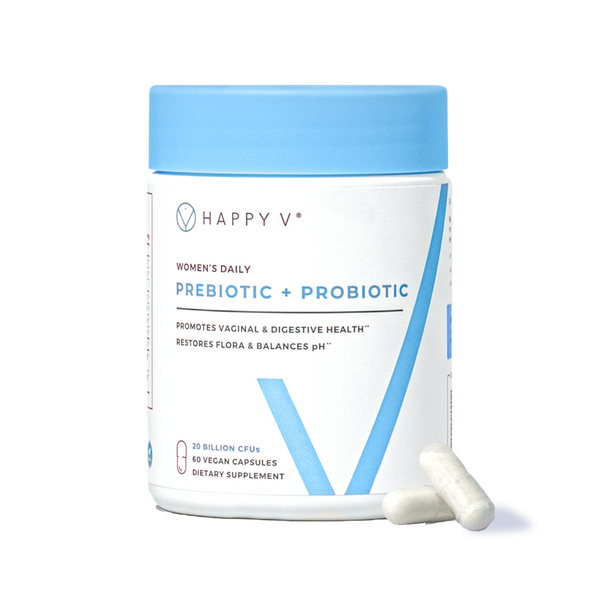
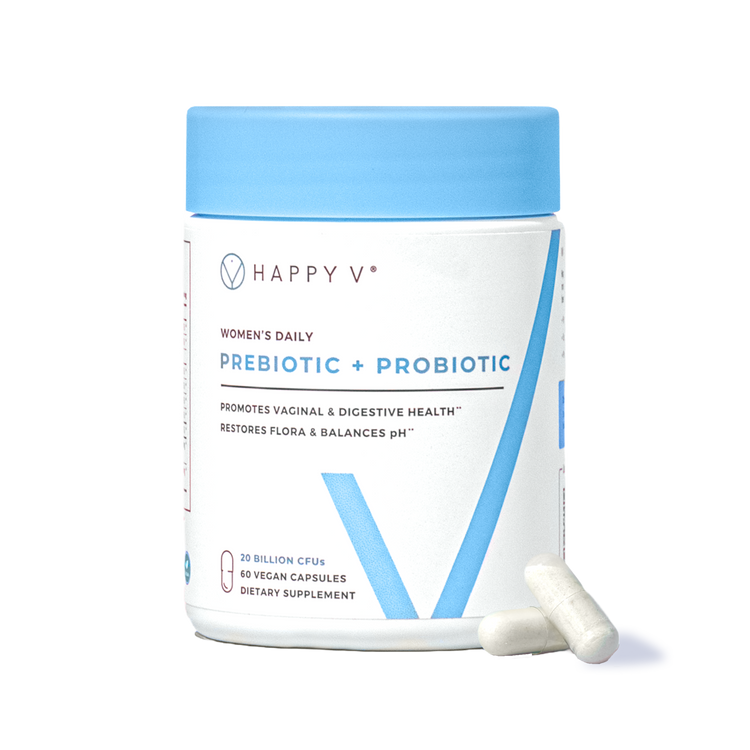
Prebiotic + Probiotic
Maintains vaginal pH and restores gut health.
During this same follicular phase window, rising estrogen speeds up motility through the gut, helping with elimination. Estrogen is also a protective, immune-supportive hormone, so we see improved gut barrier strength when estrogen is strong. This also applies to the ovulation phase and early stages of the luteal phase before estrogen and progesterone begin to decrease. As progesterone rises in the luteal phase (after ovulation), we see slowed motility in the gut, leading to an increased risk of constipation and bloating.
Menstrual blood is more alkaline than the vaginal microbiome should be (3.8-4.5 pH), so this phase of the cycle opens up the possibility for vaginal infections, itchiness or other symptoms. Inflammatory prostaglandins peak at menstruation. These inflammatory chemicals act on the smooth muscle of the bowel, often causing softer or looser stools.
The high estrogen state in pregnancy is very protective for the vaginal microbiome, but the overall diversity is reported to reduce, becoming most Lactobacillus dominant23. Progesterone is strong in pregnancy, so bowel changes and slow motility are common. This can cause constipation and bloating.
An important general note here: it’s important to keep the vaginal microbiome Lactobacillus dominant in pregnancy. BV and other vaginal infection-causing pathogens are among the top causes for preterm labor24.
For women experiencing recurring digestive or vaginal symptoms, what small, actionable nutrition or lifestyle tweaks can help shift the microbiome toward balance?

C: So many! If you’re someone with a sweet tooth, set some gentle boundaries for yourself with baked goods or processed sugars. Try and avoid the all-or-nothing mindset, but consider the healthy choice the best choice. Aim for 3 or more colorful plant foods with every meal. For example, if breakfast looks like oatmeal and blueberries, consider adding some raspberries for a third color! If lunch looks like a mixed green salad with tomatoes and chicken, consider adding some red onion. This might seem like a daunting goal, but remember, a serving size of 1 tbsp. or up counts towards that diversity!
Swapping your underwear for a more breathable material can be helpful, and I LOVE a good lactobacillus vaginal or oral probiotic.
Are there certain markers or signs women can notice that indicate their microbiome may be out of balance, without turning it into a medical diagnosis?
C: Absolutely. If you notice any fishy or odd smells, chunky white, grey or green discharge, odd smells only after intercourse, light abnormal bleeding (around ovulation, after intercourse or after exercise), itching, or even a higher than normal vaginal pH strip result are a few signs to look out for.
When it comes to your gut, bloating 15 min to 4 hours after meals, but specifically associated with food intake, abnormal burping or belching, a bad taste in the mouth or bleeding gums, a pressure or discomfort in your upper right quadrant, floating or greasy looking stools, undigested food in your stool, or sticky stools that stain your toilet bowl are good signs that something is up with your gut.
What’s one daily habit or ritual you personally follow to maintain your microbiome health, whether it’s food, supplements, or lifestyle?
I aim for 3 or more different colors from plants with every meal 80% of the time (no one is perfect). I also space my meals 3.5-4 hours apart to help my migrating motor complex. I routinely get 150+ minutes of moderate intensity physical activity every week, and I drink LOADS of matcha (I’m a matcha lover, what can I say? Bonus points because it's amazing for the gut).
Keep the Conversation Going
-
Shop evidence-based probiotics that include those protective Lactobacillus strains Cindy talked about.
-
Visit our blog for more interviews and women's health tips.
- Join our private Happy V Facebook group to hear from others who've been there.
Disclaimer: This blog is for informational and educational purposes only and is not intended to diagnose, treat, cure, or prevent any disease. Statements about supplements have not been evaluated by the Food and Drug Administration. For more information about vaginal infections, visit the CDC or speak to a licensed healthcare provider.