



- Fact Checked
- March 16, 2026
- 7 min read
How Can I Keep My Gut Healthy While Traveling?

- Written by Lenia Lopez • Updated on July 27, 2026
- Updated on July 27, 2026

Table of Contents
Table of Contents
If you’ve ever landed somewhere exciting and prepared yourself for a few days of rest and relaxation, only to find out your digestive system had other plans, you’re not alone. Between constipation, bloating, traveler's diarrhea, and general cramping, gut issues while traveling are remarkably common, and they're not random. When you understand what fuels healthy digestion, it’s easy to see why travel often makes things go sideways, but that doesn’t mean you’re doomed to discomfort every time you head out on vacation. There are practical, evidence-backed ways to support your gut no matter where life takes you.
This post is for informational purposes only and does not constitute medical advice. See full disclaimer below.
Why Does Travel Mess With Your Gut?

Your gut microbiome, or the trillions of microorganisms living in your digestive system, is finely tuned to your daily routine.1 It’s a creature of habit in a way, dialed into what you eat, when you sleep, how much you move, and your baseline stress levels. Travel is exciting because it breaks you out of your routine in almost every way. And while you might love it, your gut microbiome doesn’t.
Researchers have actually coined a term for this: travel microbiota. A 2026 review published in Tropical Diseases, Travel Medicine and Vaccines introduced this concept to describe the dynamic shifts in human microbial communities that occur as a direct result of travel, whether that travel includes a train ride to the next state or an across-the-ocean plane ride.2
The conclusion: travel is an underappreciated environmental stressor that can disrupt the balance of your gut microbiome. And this disruption can be felt more quickly than most people expect.

The stress doesn’t come from the location or act of traveling itself, but all the other lifestyle factors that tend to accompany travel,3 like:
- Dietary changes. When you travel, your diet shifts, usually toward more processed foods, restaurant meals, unfamiliar local cuisine, and less fiber.4 Your gut is very sensitive to these changes. A gut that’s accustomed to your regular whole grains, vegetables, and consistent fiber intake can’t adapt overnight when your eating patterns change significantly.
- Dehydration. Long flights, packed itineraries, and inconsistent access to water all contribute to dehydration, one of the most common drivers of travel-related constipation.5 When your body lacks adequate hydration, your colon pulls more fluid from your stool, making bowel movements harder and less frequent. Maintaining hydration and electrolyte balance matters more than most travelers realize.
- Disrupted sleep and circadian rhythm. Between late nights and jet lag, it’s normal to fall out of your circadian rhythm during travel.6 Your gut actually operates on its own circadian rhythm, meaning that when your sleep schedule shifts, your digestion often follows.
- Stress. The gut-brain axis means that psychological stress has direct, measurable effects on how your digestive system functions.7 Even travel you're genuinely looking forward to and enjoying introduces stress, and your gut notices. Bloating, cramping, and irregular bowel movements can all be stress responses showing up in the gastrointestinal tract.
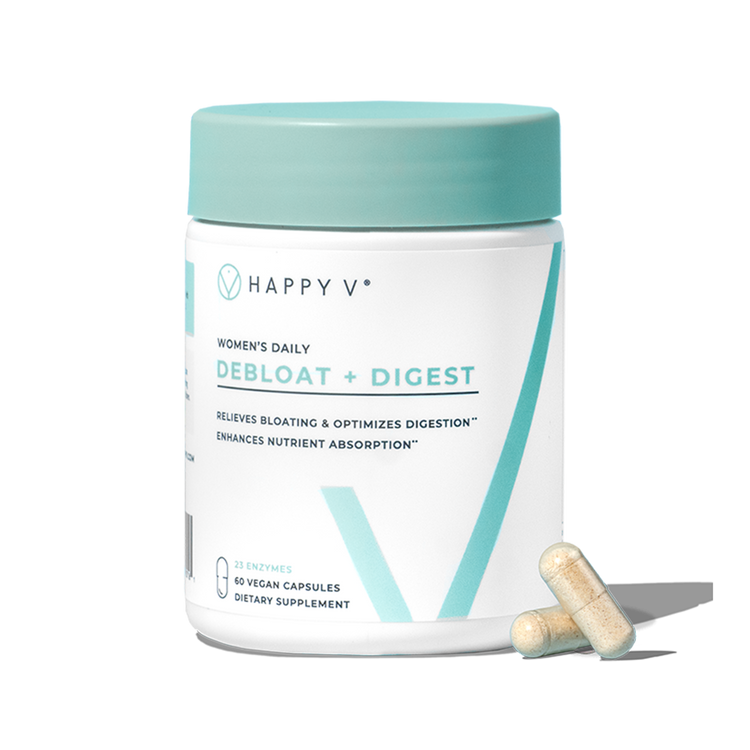
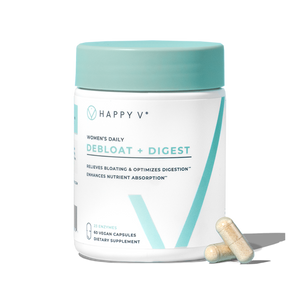
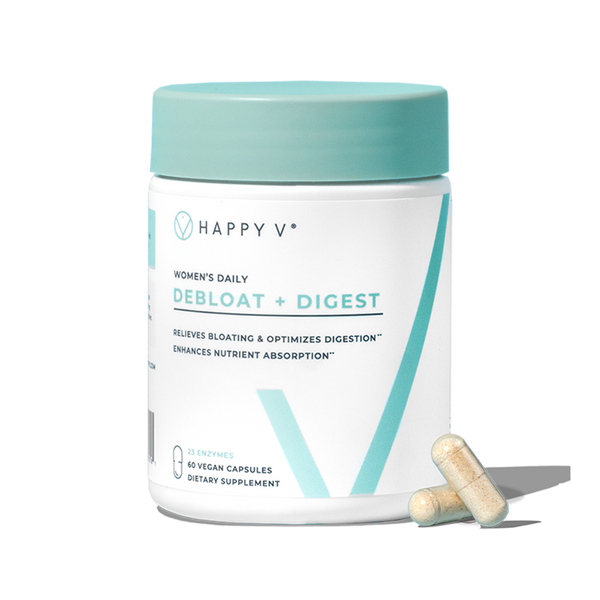
Debloat + Digest
Reduces bloating and soothes constipation, by supporting healthy digestion and enhancing nutrient absorption
- New microbial exposures. Research shows that when people travel internationally, their gut microbiome can shift to more closely resemble the microbial profile of their destination. You're also exposed to unfamiliar bacteria through different foods, tap water, and surfaces your system isn't prepared for. Traveler's diarrhea (among the most common travel-related gastrointestinal issues) is typically caused by exposure to bacteria like E. coli through contaminated food or water.
- Reduced physical activity. Hours of sitting on long flights or poolside at your destination slows your digestive system down, quite literally.9 Physical activity stimulates gut motility, so when movement drops, constipation tends to follow.
How Long Does Traveler's Gut Last?
For most people, travel-related digestive issues are temporary. Traveler's diarrhea typically resolves within a few days, though it can occasionally persist for a week or more.10 Constipation and bloating generally ease once you return home to your normal diet, hydration habits, and routine.
If digestive problems last more than two weeks or are accompanied by severe symptoms, it's worth speaking with a healthcare provider or gastroenterologist.11 In some cases, travel can trigger longer-lasting gastrointestinal disruption, particularly if there was a bacterial infection involved. People with IBS or irritable bowel syndrome may find that travel-related disruptions are more pronounced and take longer to resolve.
Is Traveling Good for Your Gut Microbiome?

Honestly, it’s hard to give this a definitive answer. Exposure to new environments, local cuisine, and diverse microbial landscapes can broaden your microbiome's diversity, which is generally associated with better gut health.12 But that 2026 review we mentioned earlier found that travel-induced shifts in microbial diversity can predispose individuals to dysbiosis, or microbial imbalance in the gut that can affect everything from digestion to immune function.
Even if you are being exposed to new bacteria and increasing your microbial diversity, the disrupted sleep, dietary shifts, and dehydration tend to work against your gut in the short term, regardless of how enriching the trip is in other respects.13
While you may strive to stay adventurous, the truth is, your gut wants stability. Maintaining consistency in your inputs (namely, what you eat, how much you drink, when you sleep, and what supplements you take) is the best way to maintain gut health on the road.14
Practical Ways to Support Your Gut While Traveling
You can't eliminate every variable that comes with travel — but you can control more than you think. The strategies below work because they address the actual mechanisms behind travel-related gut disruption: dehydration, dietary shifts, reduced movement, stress, and microbiome imbalance. And the best part? None of them requires a major overhaul of how you travel!15
- Stay hydrated. Drink plenty of water before, during, and after flights. Bring a reusable water bottle and refill it consistently. In destinations where tap water quality is uncertain, use bottled water for drinking. Drinks with electrolytes can also help your body stay in balance, particularly on long-haul travel days.
- Keep fiber intake up. It's easy to let fiber intake fall when you're eating out for every meal. Look for opportunities to include fiber-rich foods like vegetables, fruit, and whole grains wherever possible. If you know you tend toward travel constipation or worry you won’t have access to enough fiber-rich foods, fiber supplements can help bridge the gap.
- Move when you can. Get up and walk the airplane aisle on long flights. Take the stairs at the resort. Go for walks along the beach instead of just lounging in the cabana. Physical activity helps keep your digestive system moving and offsets the sluggishness that accumulates from hours of sitting.
- Manage stress. Travel stress has a direct effect on gut function. Simple, consistent practices like deep breathing, protecting your sleep schedule, and not overpacking your itinerary can meaningfully reduce the digestive impact of being out of your routine.
- Be thoughtful about new foods. Trying local cuisine is one of the best parts of travel, and we’d never suggest you avoid it outright. But be mindful that introducing a high volume of new foods all at once can stress your digestive system. In destinations with food safety concerns, be cautious about raw foods and tap water.
- Consider digestive enzymes. Bloating, sluggishness, and general GI discomfort are common travel companions. A quality digestive enzyme supplement can help your gut process unfamiliar foods more efficiently and reduce the discomfort that often follows sudden changes in diet. Happy V's Debloat & Digest combines clinically studied digestive enzymes to help break down foods your gut isn't used to, reducing bloating, gas, and discomfort. It’s also non-GMO, free of unnecessary fillers, and carry-on safe, so you can have consistent daily support wherever you’re headed.
Keep the Conversation Going
- Visit our blog for more women's health tips.
- Join our private Happy V Facebook group to hear from others who've been there.
- Explore supplements designed to support your vaginal health journey.
Disclaimer: This blog is for informational and educational purposes only and is not intended to diagnose, treat, cure, or prevent any disease. Statements about supplements have not been evaluated by the Food and Drug Administration. For more information about vaginal infections, visit the CDC or speak to a licensed healthcare provider.