

- Fact Checked
- February 23, 2026
- 11 min read
Vaginal Dryness Natural Remedies: What Actually Works

-
Written by
Hans Graubard
• Updated on April 02, 2026

Dietary supplement manufacturing, regulatory and product development, and DTCt; leadership experience...
- Updated on April 02, 2026
Table of Contents
Table of Contents
Vaginal dryness has a reputation as a menopause problem. And while it does affect up to 50% of postmenopausal women, it can also show up in women in their 30s or even 20s.
Breastfeeding moms, women on hormonal birth control, and people receiving cancer treatment can all experience vaginal dryness, regardless of age, due to how these life events affect hormone levels. Luckily, there are several natural home remedies—everything from dietary changes to over-the-counter supplements—that can offer relief from dryness and itching, especially if it’s interfering with sex.
This post is for informational purposes only and does not constitute medical advice. See full disclaimer below.
Causes and Symptoms of Vaginal Dryness
Like we said at the start, vaginal dryness can affect women of all ages, but at the root is typically one case: low estrogen1. Estrogen levels are what keep vaginal tissues thick, elastic, and well-lubricated. When estrogen levels fall, the vaginal walls thin and produce less natural lubrication. This is sometimes called vaginal atrophy, and it can affect everything from comfort to sexual health to urinary tract health.
Declining estrogen levels are most commonly associated with perimenopause and menopause, but occur during other life stages, too, particularly breastfeeding2. Certain medications like hormonal birth control, antidepressants, antihistamines, and cancer treatment drugs can also reduce moisture throughout the body, including in the vaginal area.
The symptoms associated with vaginal dryness can range from mildly annoying to genuinely disruptive to your quality of life3. The most common include:
- Itching and burning sensations
- Decreased vaginal lubrication
- Pain during sexual activity
- Light spotting after sex
- A feeling of pressure, or changes in urinary function
Luckily, with simple tweaks to diet, lifestyle, and your general wellness routine, many of these symptoms can be greatly reduced or even eliminated altogether.
Food and Lifestyle Tweaks That Help
That saying “you are what you eat” is more true than most people realize. Your diet and daily habits have a surprising influence on natural lubrication4.
Here are some tweaks that have been shown to help increase lubrication and provide relief from vaginal dryness:
Drink more water (for real this time)
“Drink more water” is a common health goal, but if you’re suffering from vaginal dryness, hydration is pretty much a non-negotiable. Your mucous membranes (which include the lining of your vaginal tissue) need water to stay lubricated, and the truth is, most women aren't drinking nearly enough5.
Beyond the classic "eight glasses a day" advice, lean into water-content foods like cucumbers, watermelon, celery, and leafy greens to increase your fluid intake throughout the day.
Load up on omega-3 fatty acids
Fatty acids, and especially omega-3s, are your vaginal health best friend. Found in fatty fish, walnuts, chia seeds, and flaxseeds, omega-3s support the integrity of cell membranes, including those lining the vaginal walls, and help reduce inflammation that can worsen dryness6. If you're not getting enough through food, a quality omega-3 supplement is worth considering
Consider omega-7 supplements
Omega-7 (also known as palmitoleic acid if you’re feeling fancy) is a lesser-known but emerging option for vaginal dryness support7. Some studies suggest it may help improve vaginal moisture and reduce atrophy symptoms in postmenopausal women by supporting mucosal tissue health throughout the vaginal area.
Natural Moisturizers and Lubricants Worth Trying
“Use lube” is the most common advice women get when it comes to relieving vaginal dryness, but the advice is a little more complex than that8. There's a wide range of vaginal moisturizers and lubricants (natural and otherwise) that can provide meaningful comfort, and it’s smart to know all the options available.
Understanding your lubricant choices
When it comes to lubricants, you've got a few categories to choose from, with the most common being:
- Water-based lubricants. These are the most universally compatible option. They're safe with latex condoms, easy to clean up, and gentle on sensitive tissue. Most water-based formulas are a solid starting point for everyday comfort.
- Silicone-based lubricants. Silicone-based lubricants last longer than water-based options and are great for sexual activity, but they're not compatible with silicone toys and shouldn't be used with certain suppositories or vaginal treatments.
- Oil-based. These options, which include natural oils, are deeply moisturizing but break down latex condoms, so plan accordingly9.
Aloe vera
This is probably the most universally recommended natural option for vaginal dryness10. Aloe vera gel is hydrating, anti-inflammatory, and pH-friendly (important for protecting your overall vaginal health!). Just make sure you're using pure aloe vera gel with no added fragrance, alcohol, or color. A thin application to external vaginal tissue can soothe irritation on contact.
Coconut oil
Coconut oil is a popular, plant-based lubricant with genuine moisturizing benefits11. It's antifungal, absorbs well, and feels comfortable on sensitive skin. One key caveat for anyone who is sexually active: it's oil-based, so it breaks down latex condoms. It can also potentially disrupt the vaginal environment, meaning it might not be the best choice for women prone to vaginal infections like yeast infections or bacterial vaginosis.
Vitamin E oil
Applied topically, vitamin E has been shown in small studies to improve vaginal dryness, particularly in postmenopausal women12. You can apply it directly to the vulva or use vitamin E suppositories designed specifically for vaginal use.
Sea buckthorn oil
Remember those omega-7s we mentioned? Well, sea buckthorn oil is one of the richest natural sources of omega-7s13. It’s shown promising results for vaginal mucosal health both as a supplement and topically. It's orange-yellow and has a strong scent, so topical use takes some getting used to, but the data thus far is encouraging.
Other oils worth exploring
Avocado oil, grapeseed oil, hemp seed oil, sunflower oil, and extra virgin olive oil are all relatively gentle on sensitive skin14. If you’re not sure where to start, your healthcare provider is a great resource.
Pelvic Floor Exercises and Physical Practices
This remedy surprises a lot of women: strengthening your pelvic floor can actually help with vaginal dryness. Really! It’s true.
The pelvic floor is a group of muscles that supports the bladder, uterus, and rectum, and it plays a big role in sexual function, vaginal elasticity, and natural vaginal lubrication15. When these muscles are strong and well-toned, blood flow to the vaginal area improves, delivering better nutrients to vaginal tissues and supporting more natural moisture production.
Kegel exercises are the simplest, most accessible way to strengthen these muscles.
To do a Kegel:
- Contract the muscles you'd use to stop urination
- Hold for a few seconds, then release
- Aim for three sets of 10–15 reps daily.
While these exercises are typically associated with aiding bladder control, over time, consistent Kegels can improve muscle tone, sensitivity, and overall vaginal health.
Another super accessible (and fun) way to improve your pelvic floor? Regular sexual activity.
Regular sexual activity (solo or partnered) also promotes blood flow and keeps vaginal tissues engaged and healthier. It's not just about pleasure; it's genuinely functional. For women experiencing discomfort due to dryness, starting with a natural lubricant and taking things slowly can make a real difference while you build other long-term habits.
Vitamins and Supplements That Support Vaginal Health
Food, hydration, and lifestyle habits lay the foundation, but sometimes your body needs more targeted support16. A handful of vitamins and supplements have meaningful evidence behind them for vaginal dryness, and one Happy V product used this evidence to create a product specifically with menopausal vaginal dryness in mind.
Vitamin E
Vitamin E is probably the most well-studied supplement for vaginal health specifically17. Both oral supplementation and topical application of vitamin E have been shown to improve tissue health, reduce dryness, and ease discomfort during sex. It works as an antioxidant, helping to protect and repair delicate vaginal tissue.
Vitamin D
Vitamin D plays a role in estrogen metabolism and vaginal mucosal health18. Women who are deficient (which is… a lot of us) may experience more severe atrophy symptoms. Getting your levels checked is a worthwhile step if dryness is persistent.
Phytoestrogens
Phytoestrogens are plant compounds that weakly mimic estrogen in the body19. Foods like soy, flaxseeds, and chickpeas are rich in phytoestrogens. They won't replace estrogen, but for women in perimenopause or menopause who want a gentler, non-hormonal approach, incorporating more phytoestrogen-rich foods may help take the edge off menopausal symptoms.
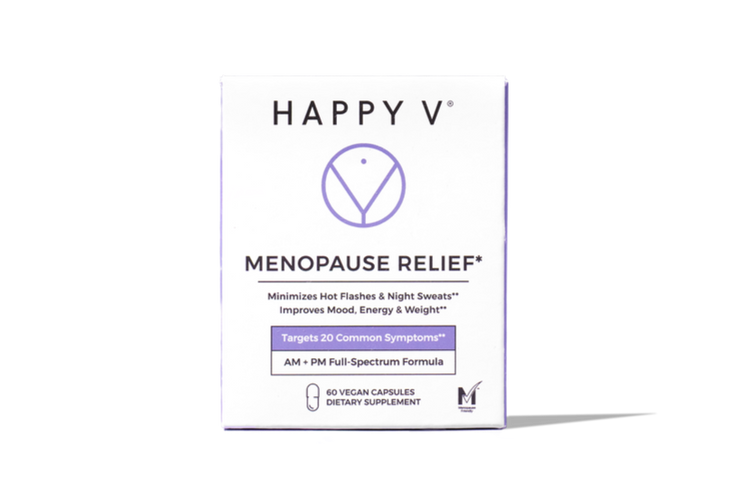
Happy V AM + PM Menopause Relief
If you're navigating vaginal dryness brought on by perimenopause or menopause, Happy V's AM + PM Menopause Relief was built for exactly this moment. It's hormone-free, vegan, and formulated with clinically studied ingredients at their researched dosages.
 New
New
Menopause Relief AM + PM
Supports mood, energy and weight. Minimizes hot flashes and night sweats.
Its unique, dual-action formula was designed to work with your body's natural circadian rhythm: one capsule in the morning to support estrogen metabolism, energy, and hot flash control, and one at night to reduce night sweats, support vaginal comfort, and help you actually sleep.
Key ingredients include Graminex® Flower Pollen Extract (shown to reduce night sweats and support vaginal tissue comfort), HMRlignan™ Norway Spruce (linked to up to 88% reduction in hot flash severity), and Sensoril® Ashwagandha for cortisol and stress support around the clock. So while you may come for the vaginal dryness relief, you’ll stay for the whole-body menopause support.
What to Avoid: Irritants That Make Things Worse
Just because something is "natural" doesn't mean it's backed by clinical evidence or, frankly, even safe to use. Several common products actively worsen vaginal dryness. These include:
Scented soaps, lotions, and feminine hygiene sprays
These disrupt your vaginal pH, irritate sensitive skin, and strip away the natural moisture barrier your body works hard to maintain20. Harsh soaps are especially problematic on the delicate skin of the vulva. The best way to wash your vulva (that’s the outside part only!) is using warm water and mild, unscented soap. There’s no need to buy a specific cleanser, even if it’s marketed for vaginal use.
Douching
It does more harm than good every single time, which is why virtually every healthcare provider recommends against it22. More than that, your vagina is self-cleaning. It doesn't need help, and douching actively disrupts the natural bacterial balance that keeps your vaginal tissues healthy.
Synthetic underwear
Synthetic fabrics trap heat and moisture in a way that promotes bacterial growth, which can increase discomfort in the vaginal area. Cotton allows airflow, reduces moisture buildup, and is gentler on skin that's already irritated. It's a small habit with a meaningful payoff.
Oil-based products with latex condoms
Natural oils like coconut oil are genuinely useful moisturizers, but they break down latex, so if you're using latex condoms, keep them separate. If you have a latex sensitivity, that's worth flagging to your healthcare provider as well. And make sure any sex toys you use are made from body-safe, non-porous materials that won't irritate already-sensitive tissue.
When It's Time to Talk to a Doctor
Natural remedies can go a long way, but they're not always enough. There are situations where you need (and deserve!) more than lifestyle tweaks. These include:
- Symptoms that aren't improving after a few weeks of consistent natural approaches
- Dryness that’s accompanied by hot flashes or night sweats
- Sex that’s so painful that you're avoiding it
- Other symptoms like unusual discharge, bleeding, or signs of urinary tract infections
When you go to see your healthcare provider or gynecologist, they can assess whether there's an underlying condition contributing to your symptoms and whether hormone therapy, estrogen cream, or other treatment options might be appropriate. They can also help you figure out how herbal supplements or natural remedies fit safely alongside any treatment you're already receiving.
A note on hormone therapy: for many women, local low-dose estrogen cream or other forms of hormone therapy are highly effective for vaginal atrophy and dryness with minimal systemic absorption. If you've been hesitant, it's worth a candid conversation with your healthcare professional about whether it's right for you.
Final Thoughts
Vaginal dryness is common, but that doesn't mean you have to accept it as your new normal, especially if it's interfering with your daily comfort or sex life.
Whether you're dealing with it as a side effect of breastfeeding, navigating perimenopause, or something else, there are real natural remedies available to you, and a lot of them are surprisingly simple.
Start with hydration and diet. Do your Kegels. Ditch the scented soap. Try some doctor-formulated supplements, and give it a few weeks. Your body has a remarkable ability to rebalance when you give it the right support.
And if you need more? Ask for it. You deserve to feel comfortable in your own body.
Keep the Conversation Going
- Visit our blog for more women's health tips.
- Join our private Happy V Facebook group to hear from others who've been there.
- Explore supplements designed to support your vaginal health journey.
Disclaimer: This blog is for informational and educational purposes only and is not intended to diagnose, treat, cure, or prevent any disease. Statements about supplements have not been evaluated by the Food and Drug Administration. For more information about vaginal infections, visit the CDC or speak to a licensed healthcare provider.