








- Fact Checked
- September 11, 2026
- 10 min read
Genital Herpes vs. Razor Burn: How to Tell the Difference

- Written by Daniella Levy • Updated on September 11, 2026
- Updated on September 11, 2026

Table of Contents
Table of Contents
You’re getting dressed or using the bathroom when suddenly, you notice it: a rash that wasn’t there before. It's tender and maybe a little itchy, and your mind immediately jumps to the worst-case scenario: Do I have a sexually transmitted infection?
Though very different, genital herpes and razor burn can look alarmingly similar at first glance, but there are some differences in symptoms and timing that make it easier to distinguish one from the other. Let’s talk about what those differences are to hopefully take your anxiety level down a notch.
This post is for informational purposes only and does not constitute medical advice. See full disclaimer below.
Overview: Razon Burn vs. Genital Herpes
Razor burn is a mechanical skin irritation caused by shaving, waxing, or other hair removal. It’s not an infection of any kind, unlike genital herpes, which is a sexually transmitted infection (STI) caused by the herpes simplex virus (HSV-1 or HSV-2).
Despite being so different in cause and severity, both can start with redness and irritation in the same general area. What happens next, though, tends to clearly distinguish one from the other. Razor burn is a surface-level reaction that resolves on its own in a few days, while genital herpes tends to move through a more defined and sometimes prolonged progression. Knowing what to expect from each helps you gauge how worried you should actually be.
Razor burn shows up fast, usually within hours of shaving, and tends to stay confined to the surface of the skin rather than spreading deeper or triggering anything systemic. With razor burn, you can expect:
- Rash that spreads across the shaved area within hours of shaving
- Tenderness and small bumps that feel like pinpricks
- Mild itching or burning, with no fever or body aches
Genital herpes tends to feel more like a systemic illness, especially during a first outbreak, and its symptoms typically last longer and go deeper than anything razor burn causes.
Symptoms associated with genital herpes include:
- Fever, body aches, flu-like symptoms, swollen glands, and swollen lymph nodes
- Burning or stinging sensation when urinating
- Clusters of fluid-filled blisters that break open into painful ulcers or open sores
- Yellow or golden crusts as sores heal, with a typical healing duration of two to four weeks for a first outbreak (recurrent outbreaks are usually shorter and milder)
Key Differences: Visuals, Timing, And Other Symptoms
The three differences when it comes to razor burn and genital warts boil down to visual appearance, timing, and the presence of other symptoms.
- Visual appearance. Razor burn typically looks like a red, spreading rash with small, uniform bumps and generalized inflammation across the shaved area. A genuinely useful clue here is to look for a central hair. Razor burn and ingrown hairs almost always have a hair shaft trapped at the center of the bump, sometimes visible just beneath the skin's surface. Genital herpes looks different and has no hair involved. Rather than a diffuse rash, it shows up as tight clusters of fluid-filled blisters, and the pain is often more noticeable than the itching.
- Timing. Razor burn shows up almost immediately, usually within hours of shaving or waxing. Genital herpes symptoms tend to appear days after recent sexual activity, sometimes preceded by a tingling or itchy sensation at the site before anything is visible.
- Other symptoms. Razor burn stays local to the skin, with nothing beyond redness, tenderness, and itching. Genital herpes often comes with signs that go beyond the skin itself, including unusual discharge, tender skin, pain during urination, and sometimes the flu-like symptoms covered above. If you're noticing any of those alongside the bumps, that points more toward herpes than a shaving mishap.
Identification and Diagnosis
In most cases, you'll be able to tell razor burn from genital herpes simply by watching how things progress over the next few days. Razor burn should start calming down within two to three days as the skin heals. If your symptoms are sticking around past that, getting worse, or turning into blisters or open sores rather than fading, that's a sign you're likely dealing with something other than routine irritation.
Any time you're unsure, or if new symptoms show up alongside the rash, getting an exam from a healthcare provider is the right call. An appointment may include a swab of the affected area if there's an active sore, or a blood test to check for HSV-1 or HSV-2 antibodies if nothing is currently visible. If you've had recent sexual contact without protection, mention that to your provider so they can screen broadly for sexually transmitted infections rather than herpes alone. When you have a professional diagnosis, you can move from guessing to actually knowing and move towards what you’re really looking for: effective treatment.
Other Possible Conditions
While herpes and razor burn are fairly easy to distinguish from one another, they’re not the only conditions known to cause irritation of the genital area. Other common conditions include:
- Folliculitis, an infection of the hair follicles that causes pus-filled bumps, similar to razor bumps but caused by bacteria rather than mechanical irritation
- Pseudofolliculitis barbae, which is caused by hairs curling back into the skin and triggering inflammation and common in people with curly hair
- Ingrown hairs, blocked oil glands, and cysts, which are mechanical bumps that can mimic either razor burn or herpes
- Genital warts. Caused by human papillomavirus (HPV), these look like small, skin-colored bumps rather than blisters. HPV is extremely widespread, and unlike herpes lesions, HPV bumps are usually painless and don't cluster into fluid-filled blisters, though only testing can confirm HPV versus herpes simplex virus with certainty
- Molluscum contagiosum, a virus that causes small, firm, dome-shaped bumps
- Contact dermatitis, which typically shows up as redness and itching from a new soap, detergent, or shaving product and is easy to confuse with razor burn
- Scabies, cellulitis, or shingles. These are less common, but all can also produce genital-area bumps or rashes
Some of these are simple irritations that can be treated at home. Others are STIs that require more targeted treatment. It’s not your job to self-diagnose, but to know when to seek treatment. When things aren’t clear cut, seek out a professional opinion.
Prevention Strategies
Both razor burn and genital herpes can be prevented, though as you might imagine, those strategies look very different.
For razor burn, prevention is mostly about technique. When shaving your pubic area, remember to:
- Use a clean, sharp razor rather than a dull one
- Always shave with a proper shaving gel or foam
- Go in the direction of hair growth rather than against it
If you have struggled with razor burn in the past, gently exfoliating the skin a day or two before shaving can help release trapped hairs and reduce the odds of irritation.
For genital herpes, prevention looks different because you're dealing with a virus rather than mechanical friction. To lower your risk, remember to:
- Use condoms and other safe sex practices, keeping in mind they reduce but don't eliminatetransmission risk, since the virus can spread from skin not covered by a condom
- Communicate openly with sexual partners about STI status
- Limit your number of sexual partners to lower your overall exposure
- Get regular STD testing and serologic screening for genital herpes if you're unsure of your status
If you or a partner has a history of outbreaks, daily antiviral medication can meaningfully reduce the chance of transmission. There is currently no approved vaccination for genital herpes, though it's an active area of research.
Treatment Approaches
The good news is that razor burn and genital herpes are treatable, but the approaches don't overlap, which is why it’s important to know 100% what you’re dealing with before starting any kind of treatment.
Razor burn usually responds well to simple home remedies. To calm the irritation, you can try:
- Aloe vera or a good moisturizer to soothe inflammation
- A warm compress for quick relief
- Over-the-counter hydrocortisone cream for more stubborn itching or redness
- Tea tree oil, though it's worth patch-testing first since it can be irritating on sensitive skin
Once the irritation has settled, gentle exfoliation can help prevent ingrown hairs from forming.
Genital herpes requires a very different approach. Antiviral medications are the standard treatment, and your provider may recommend:
- Acyclovir or valacyclovir, the standard prescription antivirals, started as early in an outbreak as possible
- Prescription creams alongside antivirals, if your provider recommends them
- A warm compress to ease discomfort from active sores
These treatments won't cure the virus, but they shorten outbreaks and reduce how often they recur. Because herpes outbreaks tend to recur, many people on long-term antiviral treatment also work with their provider on a suppressive dosing plan to reduce how often HSV flares up.
If shaving has become a trigger for irritation in general, some people with herpes explore laser hair removal or cryotherapy for longer-term hair reduction, though these are separate from herpes treatment itself. Whatever you're dealing with, a visit to a sexual health clinic or your regular provider is the fastest way to get a treatment plan that actually fits your situation.
When to Seek Medical Advice
A little redness after shaving usually doesn’t warrant a visit to your healthcare provider. But a few infection signs are worth making a call to be seen. These include:
- Blister-like sores rather than simple bumps
- Persistent symptoms that don't improve within a week
- Fever or swollen lymph nodes alongside the rash
- Spreading redness and pus
Many providers now offer an online dermatology consultation for a quick initial read, though anything that looks like it could be an STI usually needs in-person follow-up for STD testing and diagnostic tests.
Remember, there's no shame in getting checked, especially if you're not sure whether you've been exposed to an STI. Early antiviral treatment can shorten a first herpes outbreak significantly and also reduce how often outbreaks recur afterward, and you are far from the first person who has had to navigate this issue.
Beyond the Rash: Supporting Vaginal Health
Skin irritation in this area often has more to do with your daily routine than people realize, including the products you use day to day.
Harsh soaps, synthetic fragrances, and the wrong pH balance can all leave the skin more reactive and prone to irritation, whether or not razor burn or anything else is already in the picture. This is where Happy V Feminine Wash fits into the picture. Formulated to support a healthy vaginal pH without stripping or over-drying the skin, Happy V Feminine Wash is a simple daily addition that works alongside good hygiene and shaving habits. It’s by no means a treatment for herpes or an STI, but for many, it can be a foundational piece of the overall picture of vaginal wellness.
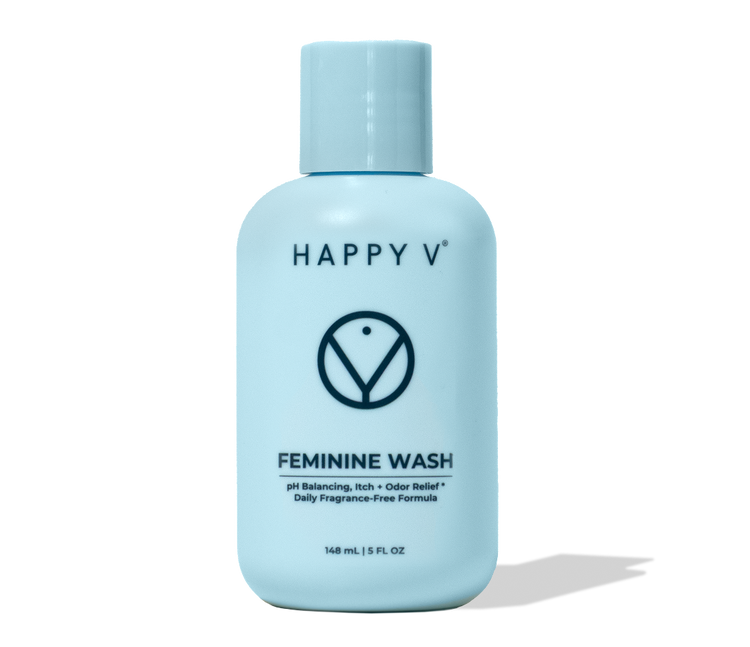 New
NewFeminine Wash
Fragrance-free feminine wash for pH balance, itch, and odor relief
Keep the Conversation Going
- Visit our blog for more women's health tips.
- Join our private Happy V Facebook group to hear from others who've been there.
- Explore supplements designed to support your vaginal health journey.
Disclaimer: This blog is for informational and educational purposes only and is not intended to diagnose, treat, cure, or prevent any disease. Statements about supplements have not been evaluated by the Food and Drug Administration. For more information about vaginal infections, visit the CDC or speak to a licensed healthcare provider.
FAQ
How can I tell if I have razor bumps or an STD?
How can I tell if I have genital herpes or friction burn?
How likely am I to get herpes from a razor?
What are seven warning signs of genital herpes?
How can I tell if I have herpes or just a rash?
How can I tell if I have an ingrown hair or herpes?
Our experts continually monitor the health and wellness space, and we update our articles when new information becomes available.
- Published on: September 11, 2026
- Last updates: September 11, 2026
Written by Daniella Levy
Edited by Liz Breen