


- Fact Checked
- September 09, 2026
- 13 min read
How (and Why!) to Properly Clean Your Sex Toys

- Written by Daniella Levy • Updated on September 09, 2026
- Updated on September 09, 2026

Table of Contents
Table of Contents
Sex toys are supposed to be fun, and when they're properly cared for, that's exactly what they are. But left uncleaned (or cleaned the wrong way for their material), that same toy can become a real hazard for your vaginal health, introducing bacteria that can lead to a urinary tract infection (UTI), yeast infection, or bacterial vaginosis (BV).
Whether you've got a drawer full of silicone vibrators or you just bought your first glass toy, knowing how to clean your sex toys properly protects your body and also makes your toys last a lot longer. So let's talk about how to properly clean each toy, depending on its material and type, as well as special considerations when you're sharing.
This post is for informational purposes only and does not constitute medical advice. See full disclaimer below.
Why Cleaning Sex Toys Matters
Sex toys not only come into contact with skin bodily fluids but, depending on where they're stored, also lube, lint, and even pet hair. All of that can create a breeding ground for bacteria, especially if it's just left to sit. This can ultimately raise your risk of:
- BV
- Yeast infections
- UTIs
- Sexually transmitted infections (STIs), if a toy is shared without a barrier
- General irritation and inflammation from bacterial buildup, even without a full-blown infection
Beyond the increased infection risk, a toy that isn't cleaned regularly can also develop odors, discoloration, and material breakdown over time, which shortens its lifespan and can eventually make it unsafe to use altogether. Cleaning after every use, and following the manufacturer's instructions where you have them, is the simplest way to protect both your health and your investment.
Identifying Your Toy's Material
Proper sex toy cleaning starts with properly identifying which material the toy is made out of. Specifically, you want to determine whether the material is porous or non-porous.
Non-porous materials have a smooth, sealed surface that doesn't harbor bacteria in tiny gaps, which makes them easier to fully clean and disinfect. Examples of non-porous materials include medical-grade silicone, borosilicate glass, stainless steel and other metal, and ABS plastic or hard plastic.
Porous materials have a surface full of microscopic gaps where bacteria and mold can hide, even after washing. Examples of porous materials include TPE (thermoplastic elastomer) and TPR (thermoplastic rubber), jelly rubber, cyberskin, elastomer blends, PVC, vinyl, nylon, and leather. These materials actually can't fully be disinfected the way non-porous ones can, which is why it's important that they always be used with a condom. This makes cleanup easier and also helps protect you from bacteria that stick around, even after cleaning.
Don't just guess what your toy is made out based on look or feel. Check the packaging or the manufacturer's website for its water safety rating.
Everyday Cleaning Methods
You want to clean your sex toys after every single use. (Yes, really.) Routine washing is what keeps a toy safe between the deeper cleans, and it's the single biggest habit for good toy hygiene.
Most toys just need something simple, not totally different from washing your own hands. This is basic surface cleaning, not a deep sanitize, but it matters just as much:
- Rinse with room temperature water to remove any visible fluid or lube.
- Wash with mild soap and water, or a dedicated cleaner made for sex toys, using a damp cloth, soapy washcloth, or your hands to work the cleaner over the entire surface. Make sure to get into any grooves and crevices, since that's where residue tends to collect.
- Rinse thoroughly under a full-rinse cycle of running water to remove all soap residue. Leftover soap can cause irritation, so don't cut this step short.
Skip antibacterial soap for routine cleaning. A mild, fragrance-free soap does the job just as well and won't degrade your toy's material the way harsher antibacterial formulas can, whether you're working with porous materials or non-porous products.
If your toy is motorized or uses any kind of batteries, avoid submerging the battery compartment or charging ports in water unless the toy is labeled waterproof. Instead, wipe the body with a damp cloth for surface cleaning, and clean around seams and charging ports with a barely damp cotton swab.
Deep Cleaning and Sanitizing by Material
While everyday washing is critical, it's also important to give the toy a deep clean or sanitize it periodically (think: roughly once every week or two for toys in regular rotation, or any time you're sharing a toy or using the toy with a new partner).
Always start with a pre-clean: a quick rinse and wipe to remove visible fluid or lube before you disinfect. Trying to sanitize a toy that's still coated in residue just traps that residue instead of killing what's underneath it.
What you do next depends on what the toy is made out of:
- Silicone (nonvibrating silicone toys, pure silicone): Boil in water for a few minutes, run through the dishwasher on a full-rinse cycle without soap, or wipe down with a diluted bleach solution as part of bleaching. Just check that your toy is pure silicone and not a silicone blend first, since blends may not hold up to boiling or bleaching.
- Glass (borosilicate glass toys): Borosilicate glass is non-porous and heat-resistant, so it can also be boiled or run through the dishwasher, making it one of the easiest materials to fully sanitize and disinfect.
- Stainless steel and other metal: Boil it, or run it through the dishwasher, for another easy way to fully disinfect between uses or partners.
- ABS plastic and hard plastic: These are non-porous but generally shouldn't be boiled or put in the dishwasher, since heat can warp the material. A thorough handwash with soapy, lukewarm water is your best bet instead.
- TPE, TPR, jelly rubber, and cyberskin: These porous materials can't be boiled, bleached, or fully sanitized, so disinfecting them the way you would non-porous materials isn't possible. Hand wash with mild soap and warm water, and use a condom during use for any toy you plan to share or that sees anal-to-vaginal play.
- Leather and fabric harness components: Wipe down with a damp cloth and a small amount of mild soap. Never fully submerge, soak, boil, or bleach leather, since it will break down quickly.
If sex toys make a regular appearance in the bedroom, UV boxes are a sanitizing option worth knowing about. These use a UV cycle (typically a few minutes of ultraviolet light) to kill bacteria on non-porous toys without water, heat, or chemicals, making them a convenient option for toys that can't be boiled or bleached. UV boxes are not a replacement for that pre-clean rinse we mentioned, but they're worth considering for regular disinfecting if you share toys often.
Whatever method you choose, when in doubt, defer to the manufacturer-approved sanitizing methods listed for your specific toy, since not every silicone blend or plastic composite responds to heat and chemicals the same way.
Cleaning Based on Toy Type
Along with knowing your toy's material, there are special cleaning considerations based on what type of toy it actually is:
- Vibrators. Vibrators often combine a motorized component with silicone or another outer material. Clean the body with a damp cloth or mild soap and water, be careful around any charging ports, and avoid full submersion unless it's labeled waterproof.
- Dildos and butt plugs. Those without motors are usually easier to clean fully, especially if they're silicone, glass, or stainless steel. You can often boil or dishwasher-clean these directly.
- Cock rings. Rings made of silicone or stretchy TPE should be hand washed with mild soap and warm water after each use. Check them regularly for tears or stretching that could compromise them.
- Fleshlights and other sleeves. These need extra attention since they're often made from porous materials like TPE or cyberskin, and some incorporate latex-based sleeves that need the same gentle, non-boiling approach. Rinse with warm water immediately after use, clean with a mild, unscented soap or a sex toy cleaning wash made specifically for sleeves, and make sure they're completely dry before storing to avoid trapping moisture inside.
Safe Storage Practices
The cleaning process is just one half of the story. How you store the toy also matters, since improper storage can cause bacteria to accumulate, even after disinfecting.
First thing's first: never store a toy while it's still damp. Trapped moisture on porous or textured sleeves is exactly what invites mold and bacteria growth. Air-dry toys fully on a clean rack, or pat them down with a lint-free towel. Skip paper towels or regular washcloths, since both can leave lint behind in creases and grooves. If your toy has metal hardware or charging ports, make sure those are also fully dry before storage to avoid corrosion, and let any renewing powder you've applied finish absorbing before you put a toy away.
Once a toy is completely air-dried, be sure to:
- Give each toy its own storage, since storing toys together in one bin or drawer lets materials touch, transfer residue, and even react with each other. A breathable pouch, a fabric bag, or a sealable pouch all work well as everyday storage. Many toys also come with a dedicated protective bag or storage container from the manufacturer, and it's worth holding onto that and using it every time rather than improvising with whatever's on hand.
- Keep them in a cool, dry place away from direct sunlight. Heat and UV exposure can degrade silicone and other materials over time, so don't store toys on a sunny windowsill or anywhere temperatures swing widely, like a car or an uninsulated garage.
- Protect the battery compartment and charging cables. Remove batteries between extended periods of non-use to prevent corrosion, and coil charging cables loosely rather than storing them tangled, which can wear down the connection over time. If you keep more than one rechargeable toy, avoid a single shared charging station where cables and ports touch, and dry each one fully before plugging in.
- Think about privacy and access. A lockable medication case or a dedicated nightstand drawer are both good options if you want to keep toys away from kids, roommates, or pets, or simply want a private, designated spot.
- Follow the care instructions that came with the toy. Manufacturer guidance sometimes calls out material-specific storage needs, like keeping certain elastomer blends away from other plastics, that you wouldn't catch just by looking at the toy.
Hygiene When Sharing Toys or Switching Partners
If you share toys with a partner, or use the same toy for both anal and vaginal play, you want to pay even closer attention to hygiene between uses.
In these instances, be sure to:
- Use a condom on any toy that's being shared or used for anal-to-vaginal play. Swap the condom out between each switch rather than reusing it.
- If you and a partner have both been tested and have agreed to stop using barriers with each other (sometimes called being "fluid bonded"), you may choose to skip condoms on toys used exclusively between the two of you. That's a personal decision worth discussing openly with your partner rather than assuming.
- Fully clean and sanitize toys between partners whenever possible. Non-porous materials that can be boiled or bleached make this easiest.
- Consider color-coded pouches or single-partner sleeves if you're regularly using toys with more than one partner, so there's no confusion or cross-contamination.
- Alcohol wipes and sex toy wipes are convenient for a quick clean on the go, but treat them as a supplement to real washing, not a substitute for it.
Most people don't think about it, but shared or poorly cleaned toys can transfer bacteria just as easily as skin-to-skin contact can. That's why skipping any of this raises your risk of BV, UTIs, yeast infections, and even STIs.
Don't Forget to Clean Yourself, Too!
Clean toys are a big piece of the picture, but they're not the whole thing. Just like a toy can carry bacteria, lube, and fluid from one use to the next, so can your own body, and that's true whether you used a toy, had sex, or both. Skipping post-play cleanup (or reaching for whatever soap happens to be in the shower) can leave you more prone to irritation, odor, or an infection like BV or a yeast infection.
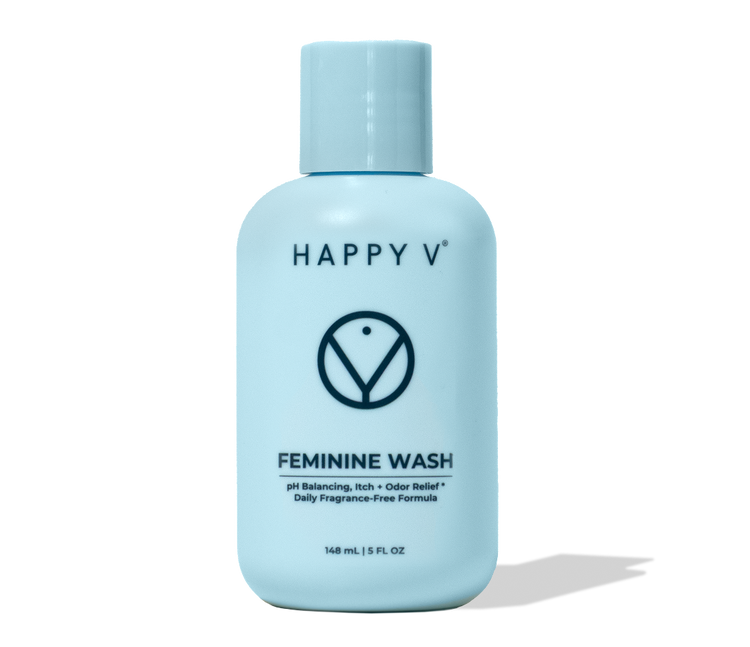
Rinsing off and washing with a gentle, pH-balanced feminine wash after sex or toy play is a simple habit worth building into your routine. Happy V's Feminine Wash is formulated to cleanse without disrupting your natural pH or stripping the skin the way harsh soaps and fragranced body washes can, which matters even more after intimate contact when the skin is more sensitive. Keep it by the shower or on your nightstand, and make a quick post-sex cleanup as much a part of your routine as cleaning the toy itself.
 New
NewFeminine Wash
Fragrance-free feminine wash for pH balance, itch, and odor relief
Knowing When to Replace Your Toys
Even the best, most expensive toys don't last forever, and using one past its prime also raises your infection risk (and could just be downright dangerous).
Retire a toy if you ever notice:
- Visible tears, cracks, rips, or peeling anywhere on the surface, including tears in silicone toys that might otherwise seem durable
- A warped shape that wasn't there before
- Persistent stickiness that doesn't go away with cleaning, which often signals the material is starting to break down
- Compromised waterproofing on a toy that used to be water-resistant, especially around charging ports or seams
- A loose charging port on a rechargeable toy
Check your manufacturer's instructions for material-specific guidance too, since some materials show wear and tear differently than others, and material compatibility with cleaning methods can change once a toy starts to degrade.
Troubleshooting and Stain Removal
Even with a solid cleaning routine, toys can develop odors, stains, or texture changes over time. Here's how to handle the most common issues, and how to tell when a problem means it's time to replace the toy instead.
- Lingering odors or discoloration on non-porous toys: Try a diluted bleach solution, a longer boil, or a UV box's sanitizing setting, followed by a very thorough rinse to fully remove any residue from the grooves and crevices where it likes to hide.
- No dedicated adult toy cleaner on hand? This is a good moment to pick one up. General-purpose cleaners, including antibacterial soap, aren't always tested for compatibility with toy materials.
- Ejaculate stains or general discoloration on silicone: Make a paste from a cornstarch-based renewing powder and a little water, and work it gently over the area with a soft toothbrush for stubborn discoloration and odor removal.
- Sticky surfaces, especially on TPE or jelly rubber toys: Usually a sign the material breakdown has already started, rather than something you can permanently clean away. At that point, it's time to replace the toy rather than keep troubleshooting it.
Final Thoughts
Good toy hygiene isn't complicated once you know your toy's material and stick to a routine. Remember to clean after every use, store toys properly once they're fully dry, and don't push a toy past its useful life once it starts showing wear. It's the same logic as washing your hands or cleaning your makeup brushes, just applied to something that deserves the same care.
And don't stop at the toy. A quick clean-up for yourself afterward, with a gentle feminine wash instead of whatever's already in the shower, is just as much a part of staying ahead of irritation and infection as cleaning your toys is.
FAQ
Can I put my sex toys in the dishwasher?
Is soap and water enough, or do I need a special sex toy cleaner?
Can sex toys cause a yeast infection or UTI?
Do I need to use a condom on my sex toys?
How often should I deep clean versus just rinse my toys?
Are liquid soap, cleaning sprays, and sex-toy wipes all interchangeable?
Is it safe to use lube with silicone toys?
What's the right way to dry a toy before I put it away?
What's the difference between routine washing and everyday surface cleaning?
Do I need a special cleaner, or will any soap work?
Are motorized toys and batteries handled differently when cleaning?
Our experts continually monitor the health and wellness space, and we update our articles when new information becomes available.
- Published on: September 09, 2026
- Last updates: September 09, 2026
Written by Daniella Levy
Edited by Liz Breen