

- Fact Checked
- February 19, 2026
- 12 min read
Unlocking the Benefits: What Do Digestive Enzymes Do For You?

-
Written by
Hans Graubard
• Updated on April 02, 2026

Dietary supplement manufacturing, regulatory and product development, and DTCt; leadership experience...
- Updated on April 02, 2026
Table of Contents
Table of Contents
Ever feel like things in the digestion department are just… lacking? Maybe you are experiencing digestive issues, like bloating and gas. Or maybe you have reason to believe you aren't getting all the nutrients from your meals. If so, a quick Google search has likely suggested adding digestive enzyme supplements to your diet. But what are digestive enzymes, exactly? And will supplements help, or will you just end up wasting your time and money?
That's what we're here to talk about today, and we'll cut right to the chase and say that digestive enzyme supplements do live up to the hype… if you understand all the available types of digestive enzymes and how to incorporate them into your daily routine properly.
This post is for informational purposes only and does not constitute medical advice. See full disclaimer below.
What Are Digestive Enzymes?
Digestive enzymes are proteins your body produces naturally to break down food into smaller, absorbable molecules1. Think of them as your digestive system's friendly wrecking ball, dismantling complex food structures so your body can access the nutrients inside.
As you might imagine, they’re pretty important. Without enough digestive enzymes, food moves through your digestive system without being fully broken down2. That can mean uncomfortable symptoms like bloating and gas, plus you miss out on the vitamins, minerals, and other nutrients your body needs to maintain optimal health.
Where Do Digestive Enzymes Come From?
Digestive enzymes come from two sources: your body (which is called endogenous) and external sources (which is called exogenous)3.
Endogenous Enzymes
Your digestive system produces these naturally, with multiple organs all playing a role:
- Salivary glands produce amylase (digestion starts in your mouth)
- Stomach produces proteases and lipases along with stomach acid
- Pancreas produces multiple pancreatic enzymes that work in your small intestine
- Small intestine produces lactase and sucrase
Confused as to what exactly amylase or sucrase are? Don’t worry, we dive into what those mean next!
Exogenous Enzymes
You can get enzymes from the food you eat as well as through supplements4.
Foods that contain enzymes include:
- Pineapple (contains bromelain, a protein-digesting enzyme)
- Papaya (contains papain, another protein-digesting enzyme)
- Mango (contains amylases that help break down carbohydrates)
- Bananas (contain natural amylases and glucosidases that support carb digestion)
- Honey (contains small amounts of enzymes like diastase/amylase)
- Fermented foods like sauerkraut, kimchi, miso, and kefir (often contain enzyme activity from fermentation)
While adding these to your diet is a smart move if you’re struggling with digestion issues, many people looking to beat digestive discomfort turn to digestive enzyme supplements to ensure they are getting the amount of enzymes they need daily5.
The 5 Types of Digestive Enzymes (And What They Do)
A healthy diet involves a wide variety of foods, some high in fibers, others high in fats or carbs6. It takes a variety of enzymes to break these foods down. Understanding the main players can ultimately help you identify what your body needs if you feel like you may be enzyme-deficient.
Amylase
Produced in your pancreas and salivary glands, amylase breaks down complex carbohydrates from bread, pasta, rice, and potatoes into simple sugars like glucose and fructose7. If you're athletic or particularly active, amylase is especially important. Research shows that improved carbohydrate absorption can enhance endurance performance.
Protease
These enzymes (also called proteolytic enzymes) break down proteins from meat, fish, eggs, dairy products, legumes, and nuts into peptides and amino acids your body can use8. Your stomach, pancreas, and small intestine all produce protease to help digest food throughout your digestive tract. Interestingly, pineapples contain a proteolytic enzyme called bromelain, and papaya contains papain.
Lipase
Lipase tackles fats and oils from foods like butter, nuts, avocados, and fatty meats, breaking them down into fatty acids and glycerol9. This pancreatic enzyme is critical because it unlocks the energy stored in dietary fats. If you’ve got a sluggishness you can’t shake, lipase may be worth looking into.
Lactase
This enzyme breaks down lactose, the natural sugar in milk and dairy products. Low lactase levels lead to lactose intolerance (aka that uncomfortable feeling after eating ice cream or drinking milk)10.
Cellulase
Cellulase breaks down cellulose in plant cell walls, helping you digest plant-based foods like fruits, vegetables, grains, and legumes more efficiently11. Better cellulose breakdown means more energy from plant-based foods and less bloating.
Signs You Might Have a Digestive Enzyme Deficiency
Every person’s body produces fewer enzymes as they age, but not everyone struggles with digestion issues due to digestive enzyme deficiency12. So how do you know if you're actually experiencing an enzyme deficiency? Here are the key signs:
Trouble Digesting Certain Foods
Sudden lactose intolerance is one of the most common early signs, but you might notice digestive issues with other foods depending on which enzyme you're lacking13. Some people also struggle with complex carbohydrates or fatty foods, feeling serious discomfort after eating them.
Bloating and Gas
When food isn't properly digested, it undergoes fermentation in your gut14. That fermentation creates gas and bloating, and if left untreated, can lead to more serious gastrointestinal complications.
Abdominal Pain and Cramps
Enzyme deficiencies can cause inflammation and irritation in your digestive tract, leading to sharp or persistent abdominal pain and abdominal cramps15.
Irregular Bowel Movements
Enzyme deficiencies can cause either diarrhea (from undigested sugars reaching your colon) or constipation (from the inability to break down fats properly)16.
Nutrient Deficiencies and Malnutrition
When your body can't break down food, it can't absorb nutrients17. This can lead to deficiencies that increase your risk for other health conditions and, in severe cases, malnutrition.
Persistent Fatigue
Proper digestion creates energy18. If you're constantly tired even after adequate sleep, an enzyme deficiency might be the culprit.
The Benefits of Digestive Enzyme Supplements
People who start digestive enzymes often do so with one wellness goal in mind: feel less uncomfortable. And in that respect, digestive enzymes are highly effective. One study found that people who took digestive enzyme supplements before meals experienced significant improvements in bloating, gas, and fullness compared to the placebo group19.
But the health benefits go beyond symptom relief and include:
Improved Digestion
Digestive enzyme supplements help break down food into smaller molecules that move more easily through your digestive system, reducing bloating, gas, and constipation20.
Better Nutrient Absorption
You're probably eating those leafy greens for their health benefits (not for their taste), and enzyme supplements help ensure you actually get those benefits by maximizing nutrient absorption and preventing malnutrition21.
Reduced Inflammation
Undigested food in your gut triggers immune responses and inflammation22. Digestive enzyme supplements help eliminate that undigested food and the resulting inflammation.
Stronger Immune Function
Your gut health and immunity are deeply connected23. Supporting your digestion with enzyme supplements supports your immune system, too.
Enhanced Athletic Performance and Weight Loss Support
Digestive enzyme supplements can improve athletic performance by increasing nutrient absorption, reducing inflammation, and speeding recovery time after exercise24. Better nutrient absorption may also support healthy weight loss efforts by ensuring your body efficiently processes the nutrients it needs.
Digestive Enzymes vs. Probiotics vs. Other Digestive Aids: What's the Difference?
Digestion woes are pretty common, which is why there is no shortage of digestive aids on the market25. Between digestive enzymes, probiotics, antacids, and fiber supplements, it can get confusing. Here’s how different supplements compare, at a glance, and what issues they are best at combatting:
Digestive Enzymes
What they do: Break down proteins, carbohydrates, and fats into absorbable nutrients
Best for: Bloating, gas, food intolerances, nutrient absorption issues
How they work: Supplement your body's natural enzyme production to improve food breakdown
Take when: Right before or with meals


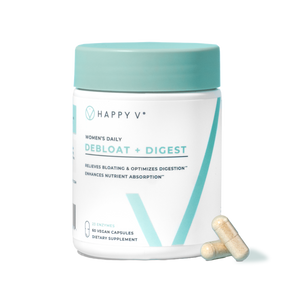
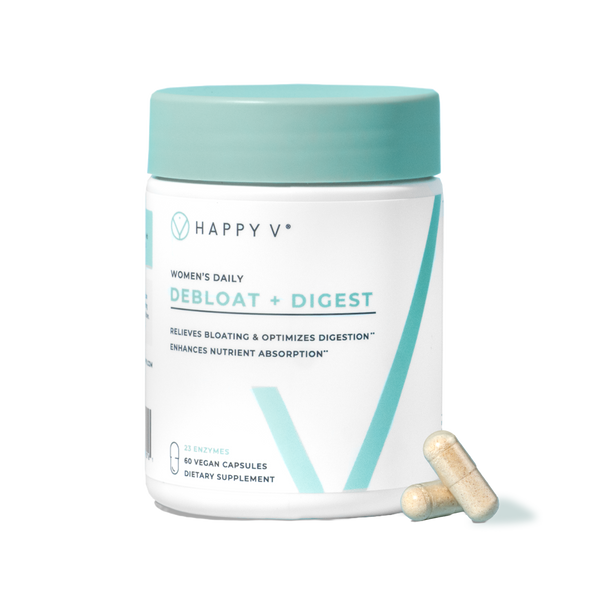
Debloat + Digest
Reduces bloating and soothes constipation, by supporting healthy digestion and enhancing nutrient absorption
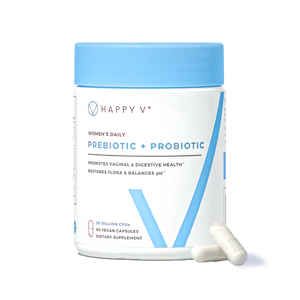
Probiotics
What they do: Introduce beneficial bacteria to support gut microbiome balance
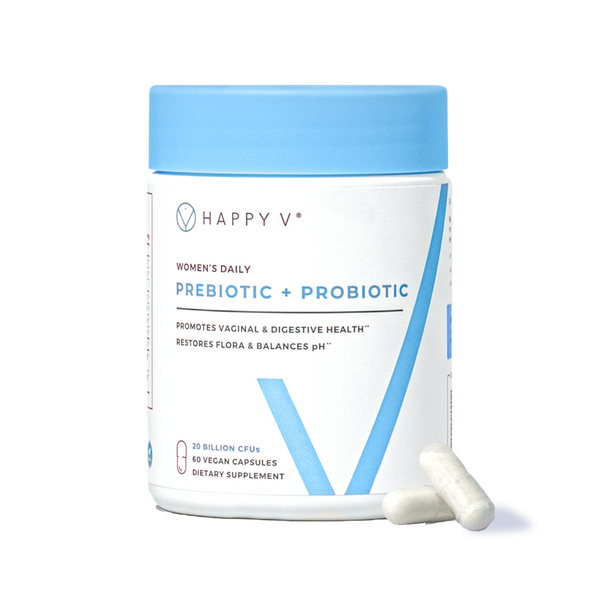
Best for: Overall gut health, immune support, regularity, vaginal health
How they work: Populate your gut with good bacteria that support digestion and overall health
Take when: Daily, consistency matters more than timing
Prebiotics
What they do: Feed the beneficial bacteria already in your gut
Best for: Supporting existing healthy bacteria, maintaining gut microbiome
How they work: Provide fiber and compounds that nourish beneficial bacteria
Take when: Daily, often found in fiber-rich foods

Antacids (Over-the-Counter)
What they do: Neutralize stomach acid
Best for: Immediate relief from heartburn and acid reflux
How they work: Create a chemical reaction that reduces stomach acid
Take when: As needed for symptoms (not for daily prevention)
Fiber Supplements
What they do: Add bulk to stool and support regular bowel movements
Best for: Constipation, supporting regularity
How they work: Absorb water and add bulk to digestive contents
Take when: Daily, with plenty of water
You’ll notice that many of these aids are complimentary, particularly digestive enzymes and probiotics. Enzyme supplements help break down food, while probiotics support the healthy bacteria that keep your entire digestive system functioning optimally26. This is why people who struggle with chronic digestive health issues often find benefit from taking both together as part of a daily wellness routine.
Can Digestive Enzymes Help Specific Gut Conditions?
Yes. Research shows that certain health conditions are associated with lower levels of specific digestive enzymes. This means that restoring enzyme levels through supplements can be helpful. However, that’s something that’s best discussed with your healthcare provider or gastroenterologist before incorporating into your routine, since they are familiar with your health history and current treatment plan27.
Here’s where the science says enzymes can be helpful:
Celiac Disease & Gluten Intolerance
People with celiac disease often have lower levels of lactase, sucrase, and maltase28. While digestive enzyme supplements won’t suddenly allow people with celiacs to eat gluten, they may help with overall digestive function.
Pancreatic Insufficiency
Conditions like chronic pancreatitis and cystic fibrosis can prevent your pancreas from producing enough lipase, amylase, and trypsin, leading to exocrine pancreatic insufficiency (EPI)29. Enzyme replacement therapy (PERT) with pancreatic enzyme supplements is often essential for managing this condition. People with pancreatic cancer may also develop EPI and require enzyme replacement therapy.
Irritable Bowel Syndrome (IBS)
Many people with IBS have reduced levels of lactase, sucrase, and maltase. Digestive enzyme supplements can provide significant relief from IBS symptoms like bloating and abdominal cramps.
Inflammatory Bowel Disease (IBD)
Conditions like Crohn's disease and ulcerative colitis can cause malabsorption issues and nutrient deficiencies30. Digestive enzyme supplements may help improve nutrient absorption and prevent malnutrition.
Acid Reflux and Heartburn
Reduced pepsin levels are common with acid reflux. While over-the-counter (OTC) medications treat symptom flare-ups, digestive enzyme supplements may help prevent reflux and heartburn by improving overall digestion.
How to Choose a Digestive Enzyme Supplement
Not all digestive enzyme supplements are created equal, and choosing the right one can make the difference between “wow, I feel better” and “why did I spend money on this?”
Here’s are some tips to choose the right formula and get the most benefit out of it:
- Look for a broad-spectrum formula if you eat a mixed diet. If you’re eating a combination of carbs, fats, proteins, and fiber (aka… normal life), a supplement that includes amylase, protease, lipase, lactase, and cellulase tends to offer the most consistent, all-around support.
- Check the label for transparency (and avoid “proprietary blends”). A quality digestive enzyme supplement should clearly list the enzymes included and their amounts. Be cautious with vague “proprietary blends,” since you may not know whether you’re getting clinically meaningful doses or just trace amounts.
- Time them right. Digestive enzymes are most effective when taken right before or with meals, because that’s when your body actually needs them to break down food. Taking them hours later usually won’t do much.
- Be mindful of allergies and sensitivities. Some enzymes (like bromelain from pineapple or papain from papaya) can trigger reactions in sensitive individuals. If you’ve had food allergies in the past, start with a low dose and talk to your healthcare provider before adding enzymes to your routine.
- When in doubt, start low and give it time. More isn’t always better. Start with the recommended serving, take it consistently for a few weeks, and track changes in bloating, fullness, gas, and regularity before increasing your dose.
Potential Side Effects and Precautions
As with any supplement, digestive enzymes can cause side effects for some people. Here’s what to keep in mind:
- Watch for allergies. Some enzymes (especially plant-based ones like bromelain from pineapple or papain from papaya) can trigger allergic reactions in sensitive individuals.
- Don’t overdo it. Taking more than the recommended amount can cause cramping, diarrhea, bloating, constipation, indigestion, or heartburn (aka the exact symptoms you’re trying to avoid).
- More isn’t always better long-term. Regularly taking higher-than-needed doses may cause stomach discomfort and could irritate your digestive system over time.
- Talk to your provider if you have a GI condition. Enzymes can be helpful for certain digestive conditions, but it’s smart to check with a healthcare provider first if you have IBS, IBD, celiac disease, chronic pancreatitis, or another diagnosed issue.
- Know the FDA difference. Digestive enzymes sold as supplements aren’t regulated the same way as prescription enzyme therapy (like PERT for pancreatic insufficiency), so always stick to the label and choose reputable brands.
Final Thoughts
If you're struggling with bloating, gas, nutrient absorption issues, or general digestive discomfort, digestive enzyme supplements might be exactly what you need. They help your body break down proteins, carbohydrates, and fats efficiently so you can actually absorb the nutrients from your healthy diet and keep your digestive system running smoothly.
Keep in mind that consistency matters. You won't see overnight results, but after about a month of daily use, most people notice significant improvements in their digestive health.
Keep the Conversation Going
- Visit our blog for more women's health tips.
- Join our private Happy V Facebook group to hear from others who've been there.
- Explore supplements designed to support your vaginal health journey.
Disclaimer: This blog is for informational and educational purposes only and is not intended to diagnose, treat, cure, or prevent any disease. Statements about supplements have not been evaluated by the Food and Drug Administration. For more information about vaginal infections, visit the CDC or speak to a licensed healthcare provider.