





- Fact Checked
- February 17, 2026
- 9 min read
Can You Have BV and a UTI at the Same Time? Here's What You Need to Know

- Written by Daniella Levy • Updated on July 24, 2026
- Updated on July 24, 2026

Table of Contents
Table of Contents

Maybe you're reading this because you're dealing with unusual, watery vaginal discharge and that tell-tale burning sensation every time you pee. Or maybe you just recovered from a urinary tract infection and are noticing a fishy odor a few days later. And along with wondering how you got so unlucky, you also may be wondering if you can have bacterial vaginosis (BV) and a UTI at the same time.
The short answer is yes—and it's more common than you might think. While these are two distinct conditions affecting different parts of your body, they can absolutely occur together, and sometimes one can even trigger the other. And whether or not you get it isn't a matter of being lucky or unlucky: it's a matter of balance or imbalance.
This post is for informational purposes only and does not constitute medical advice. See full disclaimer below.
BV vs. UTI: What's the Difference?
Before we dive into how these conditions can coexist, it's helpful to understand what each one actually is1.
Bacterial vaginosis happens when your vaginal microbiome (aka the millions of microbes living in your vagina) is imbalanced. Normally, beneficial bacteria like lactobacilli keep everything in check. But when something causes the levels of lactobacilli to drop, bacteria like Gardnerella vaginalis can overgrow, causing a BV infection2. This bacterial overgrowth creates risk factors for other vaginal infections and can impact your overall vaginal health.

A urinary tract infection, on the other hand, affects your urinary system (aka your bladder, urethra, or kidneys)3. Most UTIs affect the bladder and/or urethra and are caused by Escherichia coli (or E. coli) bacteria that travel from the genitourinary area into the urinary tract through sexual activity or improper wiping. While UTIs are bacterial infections of the urinary system, they're distinct from sexually transmitted infections (STIs) or sexually transmitted diseases, though sexual intercourse can be a risk factor.
Distinguishing BV Symptoms from UTI Symptoms

While BV and UTI are different conditions that affect different systems of the body, some symptoms can overlap, which can make it hard to know what infection (or even infections) you're dealing with4.
Common symptoms of BV include:
- Thin, grayish-white vaginal discharge
- Strong fishy odor, especially after sex
- Vaginal itching or irritation
- Burning sensation in the vaginal area
UTI symptoms usually involve:
- Burning or pain when you pee
- Constant need to urinate (even if little comes out)
- Urgent need to rush to the bathroom
- Cloudy, dark, or bloody urine
- Strong-smelling urine
- Pelvic or lower abdominal pain
- In severe cases, back pain or signs of a kidney infection
Trying to distinguish the symptoms from one another can be confusing. Take burning during urination, for example. BV can cause external irritation in the genital area that burns when urine touches it, while a UTI causes internal burning that comes from the urinary tract itself5.
But at the end of the day, both are pretty uncomfortable when you're experiencing them. That's why it's important to not try to self-diagnose. Though we'll get into at-home testing a little later, it's important to remember tools like that never replace professional medical advice from a healthcare provider6.
Can BV and UTI Happen Together?
Absolutely. Your vagina and urinary tract are basically next door neighbors, meaning that what affects one—especially if left untreated—can impact the other7.
For instance, when you have BV, the bacterial imbalance in your vaginal flora can spread to the nearby urinary tract, potentially causing a UTI8. When you have a UTI, same thing, and the risk of contracting both increases if you experience recurrent UTIs or chronic bacterial vaginosis. When you're constantly battling one condition, your immune system becomes taxed and your body becomes more vulnerable to the other.
It's worth noting that BV is different from a yeast infection or STI, though symptoms can sometimes feel similar9. Understanding what type of vaginal infection you're dealing with matters for proper treatment.
Testing for BV and UTIs At Home
When you're dealing with confusing, uncomfortable symptoms, it's completely normal to want answers now—not in three days, after a phone call, and a long wait at urgent care10. The good news is that at-home testing exists for both BV and UTIs. But while these tests can be helpful, they also have limitations you need to understand.
At-home UTI test kits (like Diagnox at-home UTI tests) usually use a dipstick-style strip to check your urine for common signs of infection, including nitrites and white blood cells11. They can give you quick insight and help you decide whether it's time to seek medical treatment, especially if you get recurrent urinary tract infections and know your typical symptoms.
At-home BV tests and vaginal pH strips (like VaginOx) measure your vaginal pH balance. A normal vaginal pH is usually between 3.8 and 4.5. If your pH rises above 4.5, it can be a sign of BV or another vaginal infection. While pH strips can't diagnose BV on their own (your doctor typically needs to look at your discharge under a microscope or take a swab to do that), they can be a useful clue when you're trying to figure out what's going on.
Basically, at-home tests are good starting points, not final answers. If your results suggest an infection, or if your symptoms are lingering but the test is negative, it's still worth checking in with a healthcare provider.
Treating BV and UTIs

If you've been diagnosed with both BV and a UTI, it can feel like your body is really piling on. But the reality is both are highly treatable, though they usually are treated separately, through different types of antibiotics (though your doctor may sometimes recommend you take them at the same time)12.
For BV, doctors typically prescribe:
- Metronidazole (oral tablets or vaginal gel)
- Clindamycin (vaginal cream/gel applied directly to the vagina)
- In some cases, boric acid suppositories may be recommended to help restore vaginal pH, particularly for recurrence prevention13
Whereas for UTIs, doctors typically prescribe:
- Nitrofurantoin
- Trimethoprim-sulfamethoxazole
- Or another antibiotic that targets the specific bacteria behind the infection
Treatment for both is around 3-7 days, though in the case of recurrent infections or chronic bacterial vaginosis, your healthcare provider may prescribe a longer course of one or both that goes for 14-21 days14.
When BV and a UTI happen together, your healthcare provider will look at the full picture before deciding the best order of treatment. Sometimes they'll treat both infections concurrently. Other times they may treat the UTI first, since urinary tract infections can lead to more immediate complications if left untreated, including kidney infection.
Whatever your course or courses of antibiotics looks like, it's important that you finish them exactly as prescribed and don't stop just because you're feeling better. This increases your chances of recurrence and bacterial resistance (and let's be real, no one wants this coming back).
How to Prevent BV and UTIs

Remember, when it comes to any kind of bacterial infection, prevention is the best treatment. Luckily, even though these infections affect different parts of the body, they are both prevented with many of the same healthy habits.
To prevent both BV and UTI:
- Stay hydrated—drinking plenty of water helps flush bacteria from your system
- Urinate before and after sexual activity to clear bacteria from the urinary tract
- Wipe front to back after using the bathroom
- Wear breathable cotton underwear
- Avoid tight-fitting pants that trap moisture in the genital area and vulva
- Skip douching, which disrupts your vaginal flora and pH balance
- Limit or avoid scented soaps, bubble baths, and feminine hygiene products
For UTI prevention specifically:
- Don't hold your urine for long periods
- Empty your bladder completely when you pee
- Consider ingredients like cranberry and D-mannose, which research suggests may help prevent bacteria from adhering to the urinary tract walls
- Avoid spermicides, which can irritate the urethra

D-Mannose + Cranberry
Supports urinary tract health and promotes long-term wellness.
For BV prevention specifically:
- Limit the number of sex partners (multiple partners can disrupt vaginal flora) and use barrier protection (like a condom)
- Be cautious with new soaps or laundry detergents that might irritate the vaginal area
The Role of Probiotics in BV and UTI Prevention
One of the most effective ways to support vaginal health long term—especially if you're prone to recurrent BV or UTIs—is by helping the right vaginal bacteria stay in charge. That's where targeted probiotics come in.
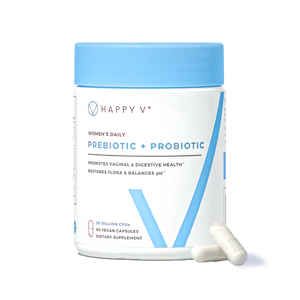
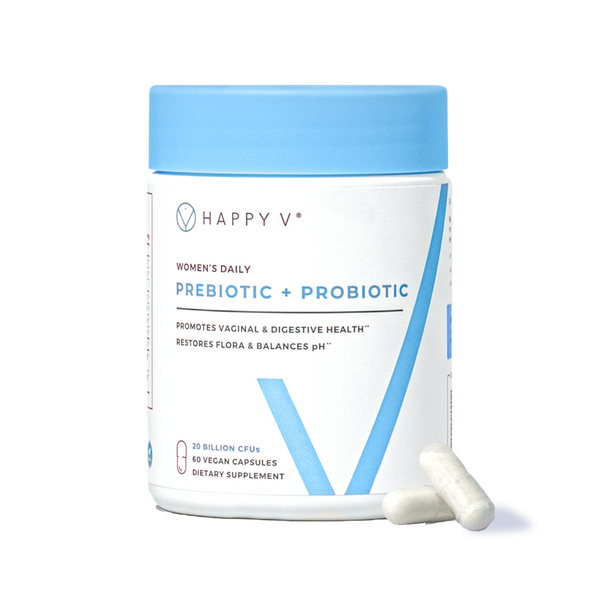
A healthy vaginal microbiome is typically dominated by beneficial Lactobacillus strains, which help maintain an acidic pH and make it harder for disruptive bacteria to take over. Not all Lactobacillus strains are equally beneficial, though. Happy V Prebiotics + Probiotics use only those strains of Lactobacillus that have been clinically studied and shown to support vaginal health. In fact, in preclinical studies, our unique probiotic blend was shown to affect the growth of Gardnerella vaginalis, the bacteria most commonly linked to BV15.
Even if you don't have a history of recurrent infections, probiotics like Happy V can be especially helpful during and after antibiotic treatment. While they rid the body of infection-causing bacteria, antibiotics can also further deplete the levels of healthy bacteria your body needs to fight future infection, increasing the risk of recurrence or imbalance afterward. Daily probiotic support helps replenish those protective bacteria as your microbiome recovers.
Probiotics are in no way a treatment for active infections, but when you choose your probiotic wisely, they can be a smart preventive tool to support balance, comfort, and long-term women's health.
Final Thoughts
Dealing with BV and a UTI at the same time isn't fun (to put it mildly), but both are very treatable with the right approach. The key is paying attention to your symptoms, getting medical care when something feels off, and being proactive about prevention, especially if you're prone to recurrent bacterial infections.
Vaginal and urinary health are more connected than most people realize, and supporting one often helps protect the other. If you're experiencing symptoms of BV, a UTI, or both, don't wait it out and hope it goes away. The sooner you get the right diagnosis and treatment, the sooner you'll feel like yourself again.
Keep the Conversation Going
- Visit our blog for more women's health tips.
- Join our private Happy V Facebook group to hear from others who've been there.
- Explore supplements designed to support your vaginal health journey.
Disclaimer: This blog is for informational and educational purposes only and is not intended to diagnose, treat, cure, or prevent any disease. Statements about supplements have not been evaluated by the Food and Drug Administration. For more information about vaginal infections, visit the CDC or speak to a licensed healthcare provider.