






- Fact Checked
- July 20, 2026
- 8 min read
Wellness Unfiltered with Dr. Rhonia Brooks-Gordon, MD: OBGYN Rethinking When Women's Health Begins

- Written by Daniella Levy • Updated on July 20, 2026
- Updated on July 20, 2026

Table of Contents
Table of Contents
For many women, healthcare comes with a trigger. A symptom appears. A test comes back abnormal. Pregnancy is on the horizon. An infection keeps coming back.
But according to board-certified OB-GYN Dr. Rhonia Brooks-Gordon, some of the most important decisions for reproductive health happen long before any of those moments.
Wellness Unfiltered is our monthly interview series featuring honest conversations with experts in women's health, medicine, and education.
In this edition, we spoke with Dr. Rhonia Brooks-Gordon, MD, FACOG, a board-certified OB-GYN practicing in New York City. She has cared for women through every stage of reproductive life, and has great advice to share on recurrent BV, pregnancy, postpartum, and more. No matter the topic, though, one theme remains consistent: supporting your health isn't something that begins once there's a problem. It's something you build over time.
This post is for informational purposes only and does not constitute medical advice. See full disclaimer below.
10 Questions for Dr. Rhonia Brooks-Gordon
1. Can you introduce yourself and share a bit about your background and what led you to specialize in women’s health, specifically as an OB/GYN?

R: I am a board-certified OB/GYN practicing in New York City. Growing up, my mother often shared the story of my own miraculous birth. Hearing how physicians at a community hospital in Brooklyn acted quickly to save both my life and hers gave me a deep appreciation for the profound impact healthcare providers can have on families.
My curiosity about science, combined with a passion for caring for others, ultimately led me to pursue a career in medicine. I attended Spelman College in Atlanta, Georgia, where I developed a strong interest in women’s health, reproductive justice, and health equity. During medical school at The Ohio State University College of Medicine, I found myself most drawn to caring for women and their families. The opportunity to support women through pregnancy, childbirth, and every stage of life solidified my decision to become an obstetrician-gynecologist.
2. In your opinion, what are the most exciting developments happening in women’s health right now?
R: One of the most exciting areas of advancement in women’s health is the treatment of uterine fibroids. Innovations such as radiofrequency ablation and MRI-guided focused ultrasound now offer effective, minimally invasive treatment options that can significantly reduce fibroid volume while helping women avoid major surgery.
In addition, several newer hormonal therapies introduced over the past few years have dramatically improved our ability to manage heavy menstrual bleeding associated with fibroids. These developments are particularly important because fibroids affect more than 11 million women in the United States and contribute to an estimated $30 billion in annual healthcare costs. I’m encouraged by the progress we’ve made and look forward to even more groundbreaking advances in fibroid prevention and treatment.
3. Many women tell us they've been prescribed antibiotics multiple times for recurring BV. What do you think the medical community is still learning about recurrence?
R: One of the most important areas of ongoing research is understanding the role sexual partners may play in recurrent bacterial vaginosis (BV). Historically, treatment has focused solely on women, but emerging data suggest that treating male partners with both oral and topical antibiotics may significantly reduce recurrence rates.
These findings are promising and may ultimately change how we approach the treatment of BV. While additional research is needed, this represents an important step toward improving long-term outcomes for women who experience recurrent vaginitis.
4. What role do you think proactive care plays in vaginal health today, and what does proactive care actually look like?

R: Proactive care plays a critical role in maintaining vaginal health. It starts with establishing healthy daily habits, including eating a balanced diet, staying physically active, managing stress, and avoiding behaviors that can disrupt the vaginal microbiome.
Probiotics are beneficial in supporting a healthy balance of vaginal bacteria, particularly those who experience recurrent infections. Proactive care also includes practice safe sex and regular gynecologic visits.
5. Many women are taught what to do once they're pregnant, but not necessarily how to prepare beforehand. What does “preconception wellness” mean, and why is it important?
R: Preconception wellness means optimizing your physical, emotional, and reproductive health before becoming pregnant. Ideally, I encourage patients to schedule a preconception visit with their OB/GYN six to twelve months before trying to conceive.
During this visit, we review medical history, medications, lifestyle factors, and any potential risk factors that could affect fertility or pregnancy outcomes. It also provides an opportunity to discuss nutrition, exercise, chronic medical conditions, vaccinations, and prenatal vitamins. Investing in your health before pregnancy can improve fertility, reduce complications, and help create the healthiest possible start for both mom and baby.
6. How does the vaginal microbiome change during pregnancy, and why is that important?
R: Pregnancy causes significant changes in the vaginal microbiome. Rising estrogen levels increase glycogen production within vaginal cells, creating an environment that supports the growth of Lactobacillus, the beneficial bacteria that help maintain a healthy vaginal pH.
This lower pH can help protect against bacterial vaginosis and other infections. However, these hormonal changes may also increase susceptibility to yeast infections in some women.
Maintaining a healthy vaginal microbiome during pregnancy is important because vaginal infections have been associated with complications such as preterm birth and low birth weight. Strategies that may support vaginal health include probiotics, eating a nutrient-rich diet, limiting excess sugar intake, maintaining adequate vitamin D levels, avoiding smoking, wearing breathable cotton underwear, and avoiding douching.
Bacterial Vaginosis in Pregnancy
Bacterial Vaginosis in Pregnancy: Common, Often Silent, and Worth Taking Seriously
7. What are some everyday habits that can impact fertility and reproductive health, and how do those factors come into play over time?
R: Everyday habits can have a significant impact on fertility and reproductive health over time. Maintaining a balanced diet, engaging in regular physical activity, getting adequate sleep, and managing stress all contribute to overall reproductive wellness.
Practicing safe sex is equally important. Sexually transmitted infections such as chlamydia and gonorrhea can lead to pelvic inflammatory disease (PID), which may cause scarring of the fallopian tubes and increase the risk of infertility. Small daily choices can have a meaningful impact on long-term reproductive health.
8. Why is the postpartum period sometimes referred to as the “fourth trimester,” and if you could redesign postpartum care, what would this experience look like for women?
R: The postpartum period is often called the "fourth trimester" because it is a time of tremendous physical, emotional, and hormonal adjustment. During this period, women are recovering from childbirth, adapting to new family dynamics, learning to care for their newborn, and often navigating significant sleep deprivation.
Despite its importance, the fourth trimester is frequently overlooked, with much of the attention focused on the baby rather than the mother. Yet this period lays the foundation for long-term health and well-being for both parent and child.
If I could redesign postpartum care, I would create a comprehensive support program that includes regular postpartum check-ins with a provider, access to mental health services, lactation support, and community-based support groups led by healthcare professionals or doulas. Postpartum care should be continuous, holistic, and centered on the needs of the mother as well as the infant.
9. What’s one thing women are often told is “normal” when it may actually be worth discussing with a healthcare provider?
R: Many women are told that feeling overwhelmed, anxious, or emotional after childbirth is simply part of becoming a mother. While mood changes can be common in the early postpartum period, persistent symptoms should never be dismissed.
More than one in five women experience a perinatal mood or anxiety disorder. Symptoms such as ongoing sadness, excessive worry, insomnia, withdrawal from loved ones, low energy, or difficulty bonding with a baby may indicate postpartum depression or anxiety and deserve prompt evaluation.
The good news is that effective treatments are available, including therapy, support groups, medication, and specialized in hospital care. No woman should feel she has to suffer in silence.
10. After years as an OB/GYN, what’s something you've learned from your patients that has changed the way you think about women’s health?
R: After nearly a decade as an OB/GYN, one of the most important lessons my patients have taught me is that women want to be seen, heard, and respected. Today, patients have greater access to health information than ever before and often arrive at appointments having done extensive research about their symptoms and treatment options.
Rather than viewing this as a challenge, I see it as an opportunity to build stronger partnerships. The best healthcare happens when patients feel empowered to ask questions, share their concerns, and actively participate in decision-making.
My approach is rooted in respect, empathy, and collaboration. My goal is to educate and empower women so they can confidently advocate for themselves and remain at the center of every decision made about their health.
Keep the Conversation Going
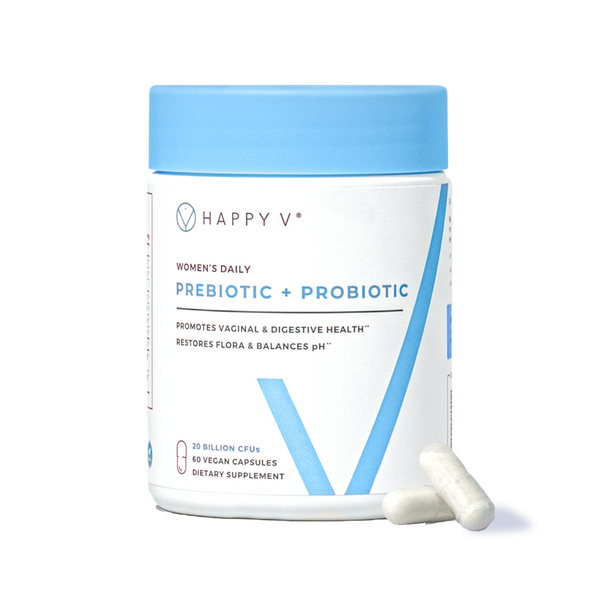
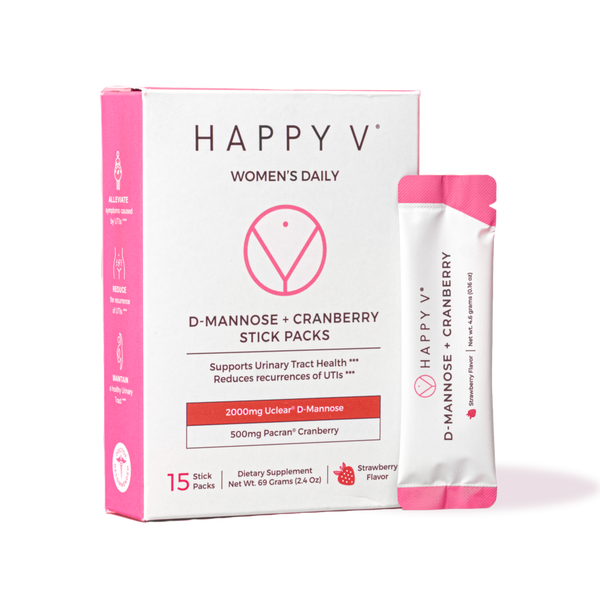
- Shop evidence-based probiotics designed to proactively support vaginal, urinary, and gut health.
- Explore more Expert Interviews featuring experts in women’s health, hormones, and the microbiome.
- Join our Happy V community to connect with other women navigating similar health experiences.
Disclaimer: This blog is for informational and educational purposes only and is not intended to diagnose, treat, cure, or prevent any disease. Statements about supplements have not been evaluated by the Food and Drug Administration. For medical concerns, consult a licensed healthcare provider.
Our experts continually monitor the health and wellness space, and we update our articles when new information becomes available.
- Published on: July 20, 2026
- Last updates: July 20, 2026
Written by Daniella Levy
Edited by Liz Breen