


- Fact Checked
- February 06, 2026
- 12 min read
How to Fix pH Balance While Pregnant: Safe Solutions for Every Trimester

- Written by Daniella Levy • Updated on July 23, 2026
- Updated on July 23, 2026

Table of Contents
Table of Contents
Pregnancy brings incredible changes to your body, including shifts in your vaginal pH that you might not have expected that make you more prone to vaginal infections like yeast infections and bacterial vaginosis (BV). In fact, bacterial vaginosis affects up to 32.5% of pregnant women, making it the most common cause of vaginitis during pregnancy.
Infections are not inevitable, though. There are safe, effective ways to support your vaginal health and restore your pH balance throughout your entire pregnancy journey, and we're here to walk you through them.
This post is for informational purposes only and does not constitute medical advice. See full disclaimer below.
Understanding Vaginal pH Balance During Pregnancy

To understand how pregnancy can mess with your vaginal pH balance, we need to understand what vaginal pH is and how it's determined1.
Your vaginal pH is a little number that tells you a whole lot about the makeup of your vaginal microbiome2. It normally sits between 3.8 and 4.5. This is slightly acidic, which helps to kill off harmful bacteria, and the acidity is maintained by certain strains of Lactobacillus (good bacteria), which release lactic acid in the vagina to create this protective acidic environment.
During pregnancy, your body experiences major hormone shifts3. Estrogen levels rise significantly, which initially supports Lactobacillus production and helps maintain that healthy acidic environment. But the stress of pregnancy, dietary changes, and other lifestyle factors can still disrupt this delicate balance of Lactobacillus and throw off your vaginal pH levels.
Without enough Lactobacillus to release adequate levels of lactic acid, your vaginal pH rises above 4.5, becoming more alkaline4. When the pH of the vagina becomes too alkaline, you become more vulnerable to vaginal infections like bacterial vaginosis and yeast infections. Though these are common during pregnancy, they are not without risk. Research has actually linked untreated bacterial vaginosis to preterm delivery and other pregnancy complications, so maintaining proper vaginal pH levels isn't just a matter of uncomfortable symptoms—it's about keeping you and your baby safe.
What Factors Affect Your pH Balance During Pregnancy?

Your vaginal microbiome is sensitive to so many things, especially during pregnancy when your body is already going through major changes5.
Here are the key factors that can throw your vaginal pH off balance during pregnancy:
- Hormonal changes. This is probably the biggest factor6. While estrogen supports Lactobacillus growth and a healthy vagina, the constant hormone shifts throughout pregnancy—especially during different trimesters and the menstrual cycle changes—can sometimes work against you and mess with your pH levels.
- Dietary changes. Pregnancy often comes with cravings… and not for carrots and celery7. High intake of simple sugars and saturated fat can feed harmful bacteria and bad bacteria, making you more prone to bacterial overgrowth and pH imbalance.
- Antibiotics and medications. Antibiotics are important to clear infections during pregnancy, but they don't discriminate8. They kill good bacteria along with bad bacteria, which can disrupt your vaginal flora and vaginal microbiota.
- Sexual activity. Semen has a higher pH (around 7.2-8.0), which can temporarily raise your vaginal pH and reduce Lactobacillus populations9. Using lubricants that aren't pH-balanced can have a similar effect on your vaginal pH levels.
- Clothing choices. Tight-fitting undergarments and synthetic underwear trap moisture and heat, creating the perfect environment for harmful bacteria to multiply. This is especially true during pregnancy, when most women deal with increased vaginal discharge10. Choosing cotton underwear helps maintain better vaginal health.
- Hygiene practices. Using scented products, douching (which you should never do, especially during pregnancy), or harsh soaps can strip away your protective bacteria and disrupt your natural pH balance and the vaginal walls11.
Signs Your pH Balance Needs Attention
When your pH is balanced and your vaginal flora is healthy, you typically don't notice because everything down there is working as it should. But when something's off, your body will usually send out signals in the form of uncomfortable symptoms, which often include12:
- Unusual vaginal discharge: Gray, white, yellow, or green discharge that's different from your normal pregnancy discharge
- That telltale fishy or foul odor: Often the first sign of bacterial vaginosis, especially noticeable after sex
- Itching, itchiness, or burning sensation: Both around your vulva and inside your vagina
- Redness, swelling, or rash: Signs of irritation or infection
- Thick, cottage cheese-like discharge: A classic sign of yeast infections
- Burning with urination or pelvic pain: Could indicate a more serious issue like urinary tract infections (UTIs) or pelvic inflammatory disease
- Vaginal dryness or discomfort: Can occur alongside pH imbalance
As you can see, these aren't just symptoms of a general pH imbalance, but often signal an active vaginal infection caused by a bacterial or yeast overgrowth.
Pregnancy Care
Safe Ways to Fix pH Balance While Pregnant

When you're figuring out how to fix pH balance while pregnant, it's crucial to focus on gentle, pregnancy-safe approaches.
The following have all been shown to be safe during pregnancy, but even with clinical data to back them up, it's important to check in with your healthcare provider before making any changes to your routine, since every body and every pregnancy has its own considerations13.
Add Probiotics to Your Daily Routine
Probiotic supplements are one of the safest and most effective ways to support vaginal wellness during pregnancy (or any time, really)14. Specific Lactobacillus strains have been shown in clinical studies to help restore and maintain the acidic environment your vagina needs to stay healthy and protect against bacterial vaginosis and yeast infections.
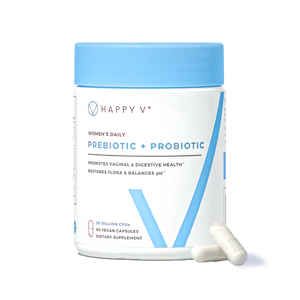
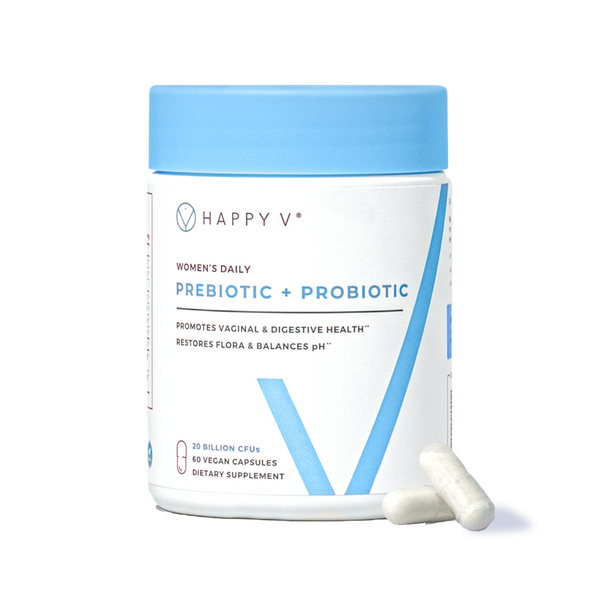
The trick is to find a probiotic that actually contains these clinically studied strains at their clinically effective doses15. That's where Happy V comes in. Happy V's Prebiotic + Probiotic combines 7 clinically studied strains specifically formulated to support your vaginal microbiome naturally, including:
- Lactobacillus acidophilus La-14®: A patented strain that helps restore vaginal microbiome balance, maintain healthy pH levels, and protect against harmful bacteria like Gardnerella vaginalis.*
- Lactobacillus rhamnosus HN001™: Clinically studied to maintain vaginal balance, support vaginal immunity, and promote overall comfort. This strain has been shown in preclinical research to help combat both bacterial vaginosis and Candida species that cause yeast infections.*
- Lactobacillus crispatus CCFM1110™: The dominant strain in healthy vaginal flora, this powerhouse probiotic helps prevent pathogenic overgrowth and is particularly effective against Gardnerella and other BV-causing bacteria.*
- Lactobacillus reuteri HR7™: Produces antimicrobial compounds, including reuterin and hydrogen peroxide, that create an inhospitable environment for harmful bacteria and yeast.*
- Lactobacillus gasseri HLG13™: Helps regulate vaginal pH, reduces odor and discharge, and supports overall microbial balance, which is especially important during pregnancy when hormonal changes can disrupt your natural defenses.*
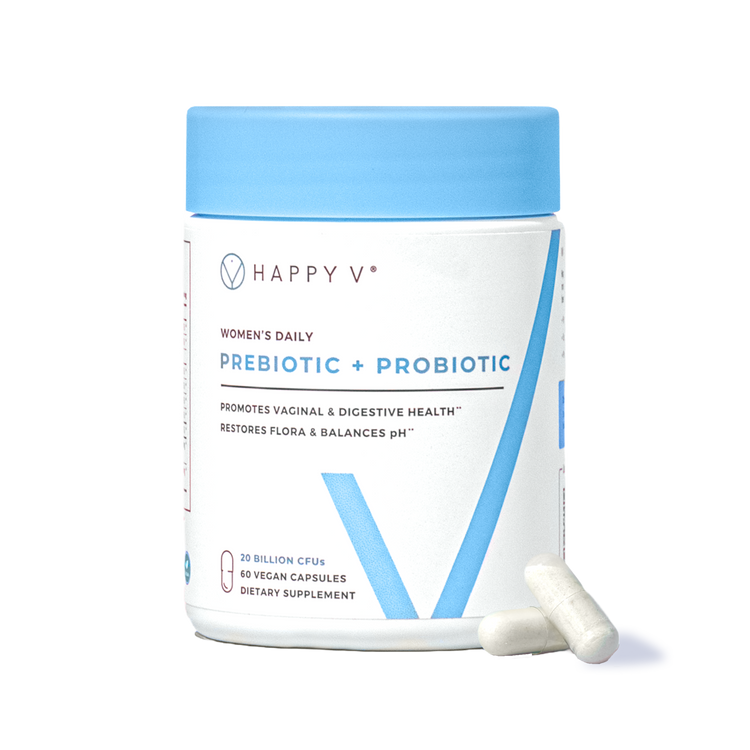 Bestseller
Prebiotic + Probiotic
Maintains vaginal pH and restores gut health.
Regular supplementation with these clinically studied probiotic strains can help maintain healthy bacterial balance throughout your pregnancy, giving your body the support it needs to fight off Gardnerella and Candida overgrowth naturally.* As with all supplements during pregnancy, though, check with your OBGYN or healthcare provider before starting16!
Make Smart Dietary Changes
What you eat directly impacts your vaginal microbiome and overall health17. We're not saying you can't indulge in a pregnancy craving here or there, but in general, focus on a diet high in:
- Fermented foods rich in good bacteria like yogurt with live cultures, kefir, kimchi, and sauerkraut
- Prebiotic foods like garlic, onions, bananas, and asparagus that feed your good bacteria
- Leafy greens and colorful vegetables
- Plant-based proteins and whole grains
Don't forget hydration, either! Drinking at least eight glasses of water daily supports your entire body's function, including your vaginal health and immune system.
For more on what to eat and what to avoid for vaginal health, check out our separate article all about it.
Choose the Right Personal Care Products
Harsh soaps, scented products, and douching can strip away protective bacteria and seriously disrupt your pH. Whether pregnant or not, it's smart to:
- Wash your vulva with warm water and mild, unscented soap only
- Avoid douching completely. Your vagina is self-cleaning, and douching pushes bacteria higher into your reproductive tract and disrupts the delicate balance of microorganisms18
- Ditch scented tampons, pads, sprays, and washes
- Stick with hypoallergenic detergent for your underwear
- Avoid over-the-counter vaginal products without consulting your healthcare provider first19
Some women consider natural remedies like boric acid suppositories, but these should never be used during pregnancy without explicit approval from your OBGYN, as suppositories can pose risks to your developing baby20.
Wear Breathable, Comfortable Clothing
Your clothing choices can create or prevent the perfect environment for bacterial overgrowth. Since you will likely be buying some new maternity clothes anyway:
- Choose breathable cotton underwear made from 100% cotton
- Avoid wearing tight-fitting pants or undergarments for extended periods
- Change out of wet swimsuits or sweaty workout clothes promptly
- Consider sleeping without underwear to allow maximum airflow
- Skip synthetic fabrics that trap moisture and heat
Consider Stress Management and Regular Exercise
Here's something many people don't realize: stress hormones can actually affect your vaginal microbiome and women's health21. And pregnancy can be… pretty stressful, to say the least.
Finding healthy ways to manage stress—whether through prenatal yoga, meditation, walks, or whatever works for you—supports not only your vaginal health but your overall wellness22. Regular exercise is also important throughout pregnancy, as it promotes healthy circulation, supports your immune system, and can even make for easier labor and deliveries! Just check in with your doctor before beginning any kind of new exercise routine to make sure it's pregnancy-safe!
When to See Your Healthcare Provider

While lifestyle changes like taking probiotic supplements, eating well, and wearing breathable cotton underwear can go a long way in supporting vaginal health from home during pregnancy, there are times when calling your healthcare provider is necessary to protect your health and the health of your baby.
Don't Try to Self-Diagnose During Pregnancy
Self-diagnosis of vaginal infections is never a good idea, but it's especially risky during pregnancy23. What you think might be a simple yeast infection could actually be bacterial vaginosis, trichomoniasis, or another condition entirely, and treating the wrong condition can make things worse or delay proper treatment when time matters.
Even more than that, the over-the-counter treatments and natural remedies you always go to might not actually be safe during pregnancy, meaning they not only prolong symptoms, but can put your baby at risk.
Bottom line: If you suspect any kind of vaginal infection or pH imbalance during pregnancy, contact your healthcare provider before trying to treat it yourself.
When to Call for an Appointment
You've been taking your probiotics, eating yogurt, wearing cotton underwear, and staying hydrated, but your symptoms of pH imbalance aren't improving24. That's a sign to call your doctor to schedule an appointment, especially if:
- Symptoms persist after 3-5 days of home care and lifestyle changes
- You're experiencing frequent recurrences of the same symptoms (more than 2-3 times during your pregnancy)
- Symptoms are getting worse instead of better, even with home treatment
- You're not sure what's causing your symptoms or if they're normal for pregnancy
Remember, the most common symptoms associated with pH imbalance and vaginal infections are:
- Unusual vaginal discharge (gray, green, yellow, or frothy)
- Strong fishy or foul odor, especially after intercourse
- Thick, white, cottage cheese-like discharge with severe itching
- Persistent itching, itchiness, burning sensation, or irritation that interferes with daily activities
- Redness, swelling, or rash around your vulva that's worsening
- Pain during intercourse
- Burning with urination (could indicate urinary tract infections or UTIs)
Symptoms That Need Immediate Medical Attention
While some symptoms require that you see your doctor within the next day or two, others are more urgent.
Contact your healthcare provider to be seen right away or seek immediate medical care if you experience:
- Fever (temperature of 100.4°F/38°C or higher)
- Severe abdominal pain or cramping
- Severe pelvic pain that's getting worse
- Signs of preterm labor (regular contractions, pelvic pressure, low back pain before 37 weeks)
- Heavy vaginal bleeding
- Severe burning with urination combined with back pain (could indicate a kidney infection)
Risks of Bacterial Vaginosis During Pregnancy
While BV is incredibly common and not cause for panic, it does require prompt medical treatment with prescription antibiotics during pregnancy because it has been associated with serious pregnancy complications, including:
- Preterm delivery
- Low-birth-weight infants
- Preterm or pre-labor rupture of membranes (water breaking too early)
- Late-term miscarriages
- Increased risk of other infections
This means that you should not attempt to treat an active BV using home remedies or natural remedies during pregnancy. Instead, let your healthcare provider or gynecology specialist prescribe pregnancy-safe antibiotics (typically metronidazole or clindamycin) that will not only effectively treat BV but reduce risks25.
Regular Screening Matters
Even if you don't have symptoms, your healthcare provider may recommend vaginal pH screening during pregnancy, especially if you have risk factors like a history of preterm delivery or recurrent BV26. Regular screening has been shown to help detect and treat infections early, reducing the risk of pregnancy complications. This is why it's so important to attend all your prenatal appointments (even though there can feel like a lot of them!)
Your healthcare provider is your partner in keeping you and your baby safe throughout your pregnancy. When in doubt, always reach out. It's better to check in and find out everything's fine than to delay treatment when you or your baby needs it.
Final Thoughts
Pregnancy isn't just about keeping your baby healthy and growing, but taking care of your body and maintaining your wellness through these changes, too. By adding probiotic supplements to your routine, making thoughtful dietary changes, choosing breathable cotton underwear, and avoiding douching (like, not even once), you're taking real steps to protect your vaginal health and maintain your vaginal pH balance throughout pregnancy.
Listen to your body, pay attention to symptoms like unusual vaginal discharge, fishy or foul odor, or any burning sensation, and don't hesitate to reach out to your healthcare provider when something feels off.
Keep the Conversation Going
- Visit our blog for more women's health tips.
- Join our private Happy V Facebook group to hear from others who've been there.
- Explore supplements designed to support your vaginal health journey.
Disclaimer: This blog is for informational and educational purposes only and is not intended to diagnose, treat, cure, or prevent any disease. Statements about supplements have not been evaluated by the Food and Drug Administration. For more information about vaginal infections, visit the CDC or speak to a licensed healthcare provider.