

- Fact Checked
- January 28, 2026
- 13 min read
Vaginal Pain vs. Vulvar Pain: Understanding the Difference and Finding Relief

- Written by Daniella Levy • Updated on July 29, 2026
- Updated on July 29, 2026

Table of Contents
Table of Contents
If you're experiencing discomfort "down there," you're not alone. And you deserve answers. But finding those answers requires that you drill down on your discomfort to identify exactly where the pain is, what other symptoms accompany it, and what the triggers are. With this information, you’ll have what you need to talk with your healthcare provider and get to the root cause of your pain so you can finally find relief.
This post is for informational purposes only and does not constitute medical advice. See full disclaimer below.
What's the Difference Between Vaginal and Vulvar Pain?

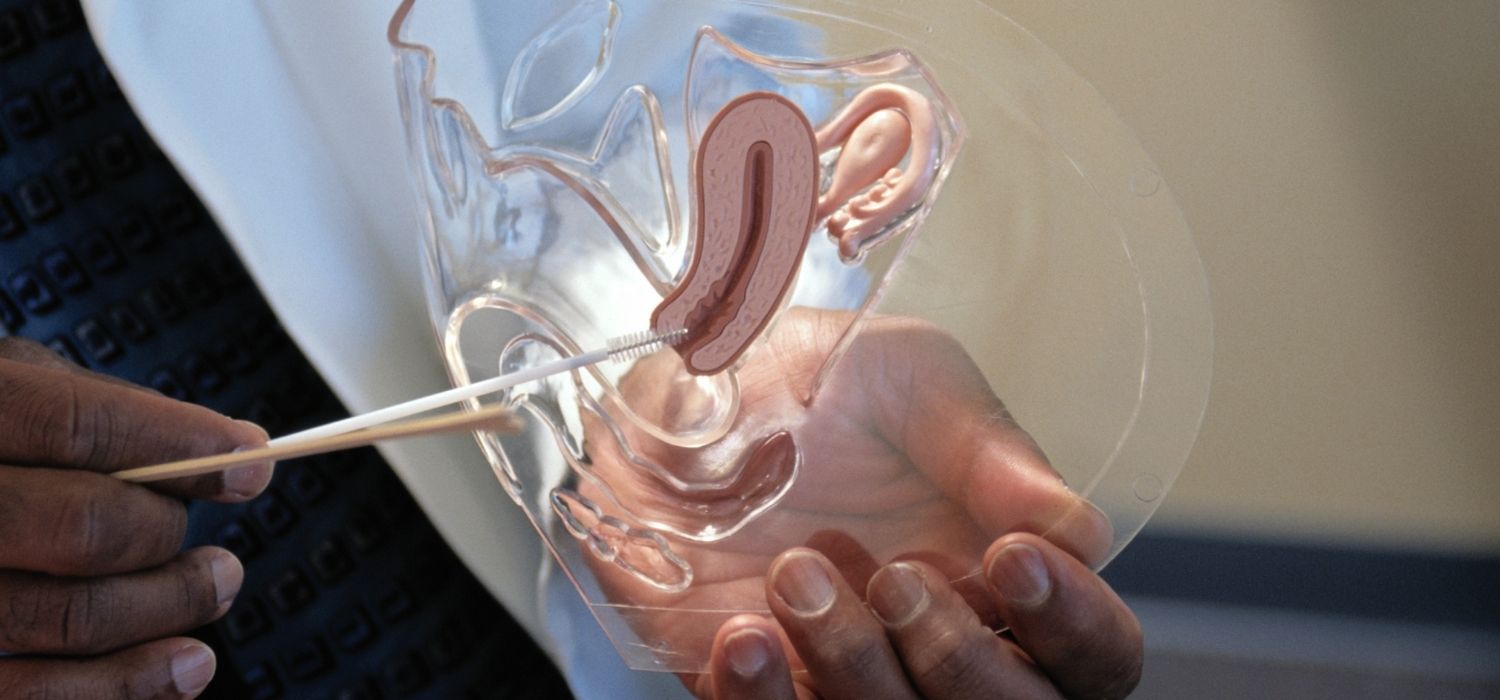
The biggest difference between vaginal and vulvar pain is the location of the pain1. The vulva and vagina are different anatomical structures in the female genital area, and pain in each location can have different causes.
While many people use the word vagina to refer to the entire female reproductive system, the vagina is actually the internal canal that connects your cervix to the outside of your body2. So when we talk about vaginal pain, we're referring to discomfort inside this canal, the kind you might feel during sexual intercourse, when inserting tampons or menstrual cups, or during gynecologic examinations. This internal pain might feel like pressure, aching, or sharp sensations deep within.
The vulva, on the other hand, is everything you can see on the outside3. This includes your labia (both the inner labia minora and outer labia majora), clitoris, vaginal opening, and the urethra. Vulvar pain typically manifests as burning, itching, rawness, soreness, or discomfort on these external tissues. Some people describe symptoms of vulvodynia (a type of vulvar pain we’ll discuss in detail in a bit) as feeling like a sunburn or paper cuts in the vulvar area.
Using the correct terminology matters because it can point your healthcare provider toward the right diagnosis and treatment options.
What Causes Vaginal and Vulvar Pain? The Main Triggers

The tricky thing about any kind of intimate pain, whether vulvar or vaginal, is that there are a variety of different causes and triggers and sometimes pain isn’t caused by any one of them, but rather a variety of them4.
The main causes of vaginal pain and vulvar pain include:
Infections and Irritation
One of the most common culprits behind both vaginal and vulvar discomfort are infections and inflammation5.
Vaginal Infections
Vaginal infections like bacterial vaginosis, vaginal yeast infections, and trichomoniasis can cause unusual vaginal discharge, itching, odor, and often internal and external pain6. Sexually transmissible infections (STIs) such as chlamydia, gonorrhoea, and herpes can also cause pelvic pain and discomfort in both areas. Herpes, in particular, can cause extremely painful vulvar sores and burning sensations.
Because there are so many potential infections, it’s important to get an accurate diagnosis from a healthcare provider before beginning treatment7. Many of the most common infections are easily treatable through a short course of antibiotics or over-the-counter antifungals, but without an accurate diagnosis, you won’t know the correct form of treatment and the pain will only linger.
Vulvar Irritation
Your vulva is skin. Very sensitive skin, actually, which means it's still vulnerable to dermatitis, eczema, or reactions to irritants, including soaps, detergents, or personal care products8. Scented toilet paper, synthetic underwear, laundry detergent residue, and certain fabrics can trigger contact dermatitis that leaves the vulva red, itchy, and inflamed.
The most common vulvar irritants include:
- Scented soaps or body washes
- Vaginal deodorants or sprays
- Perfumed menstrual products
- Bubble baths with added fragrances
- Synthetic underwear fabrics
- Fabric softeners and harsh laundry detergents
Identifying the cause is a process of elimination. When you can identify the trigger and eliminate it from your routine, the irritation should clear9.
Pain Related to Sexual Activity

Painful sex (also known as dyspareunia) is more common than many people realize, and it can stem from several causes that affect both physical and emotional well-being10.
Vaginal Dryness
Vaginal dryness can make sexual penetration uncomfortable or painful, creating friction that leads to micro-tears and burning sensations11. This is especially common during menopause when estrogen levels drop, causing vaginal tissues to become thinner, less elastic, and produce less natural lubrication.
But dryness isn't just a menopausal issue. It can happen at any age due to breastfeeding, hormonal birth control, certain medications (like antihistamines or antidepressants), stress, or insufficient arousal before penetration12.
Using a personal lubricant can make a world of difference, and there's absolutely nothing wrong with needing it13. Look for water-based or silicone-based options that are pH-balanced and free from glycerin, parabens, and fragrances, which can cause irritation.
Vaginismus
Vaginismus is a pain condition where the pelvic floor muscles involuntarily contract or spasm, making penetration difficult, painful, or impossible14. Women with vaginismus can not only struggle with sexual intimacy but also find it difficult to use tampons or menstrual cups.
The muscle spasms associated with vaginismus can range from mild discomfort to a complete inability to allow anything to enter the vagina15. Vaginismus can develop after a traumatic experience, due to fear or anxiety about sex, or sometimes without any clear trigger.
The good news is that vaginismus is highly treatable. A pelvic floor physiotherapist can teach you exercises to relax and gain control over these muscles, often using techniques like progressive desensitization with vaginal dilators16. Working with a sex therapist alongside physical therapy can address any psychological factors.
Don't feel embarrassed!
Childbirth-Related Pain
If you've recently had a baby, vaginal tears or episiotomies during delivery can cause ongoing discomfort that affects both the vagina and vulva17. Even after your stitches have dissolved and your six-week gynecologic checkup gives you the "all clear," you might still experience pain, especially during sexual intercourse.
Medical interventions like forceps or vacuum extraction may also contribute to vulvar pain and vaginal pain that persists beyond the initial postpartum phase because these tools can cause bruising, swelling, and sometimes nerve compression that takes time to resolve18.
Don't underestimate the impact of scar tissue, either. Even well-healed episiotomies and tears can create areas of reduced elasticity that pull or sting during penetration19. A pelvic floor physiotherapist who specializes in postpartum care can use massage techniques and exercises to improve scar tissue mobility and reduce pain.
Most postpartum pain improves with time, but if you're still experiencing significant discomfort weeks or months after your stitches have healed, don't hesitate to reach out to your healthcare provider20. Though many things about your body are different after childbirth, painful intimacy is not something you have to live with.
Chronic Pain Conditions
Some conditions cause persistent, long-term discomfort that requires ongoing management and a more comprehensive approach21.
Vulvodynia

Vulvodynia is chronic vulvar pain lasting three months or more without a clear identifiable cause22. It affects an estimated 8-16% of women at some point in their lives, yet many suffer in silence because they don't realize it's a recognized pain syndrome, so they don’t reach out for help.
Vulvodynia can manifest in two main ways: unprovoked and provoked.
Unprovoked vulvodynia (also called generalized vulvodynia) causes constant burning pain, rawness, or irritation even without any touch or pressure to the vulvar area23. People describe symptoms of vulvodynia as feeling like acid on the skin, a perpetual sunburn, or sitting on broken glass. This type can be present all the time or come and go in flares.
Provoked vulvodynia is when a person feels pain only when pressure is applied to the vulva24. This might happen during sex, inserting tampons, wearing tight pants, sitting for long periods, or during gynecologic exams using a swab or speculum. The pain is typically localized to the vestibule (aka the opening of the vagina) and can range from mild stinging to severe burning.
Researchers aren't entirely sure what causes vulvodynia, but contributing factors may include nerve injury or irritation, genetic factors, pelvic floor muscle dysfunction, or past infections.
Vulvodynia treatment is less about medication and more of a multidisciplinary approach that includes a gynecologic specialist, pelvic floor physiotherapist, and sometimes a psychologist who specializes in chronic pain, though some women may get topical medications or oral medications for nerve pain25.
Lichen Schlerosus
Lichen sclerosus is an autoimmune skin condition that causes white patches on the vulva, typically affecting the labia and area around the vaginal opening and anus26. The affected skin becomes thin, fragile, and can develop a crinkled, parchment-like appearance.
Along with the visual symptoms, lichen sclerosus can cause intense itching (especially at night), burning, painful intercourse, tearing or bleeding during sex or even from scratching, and, over time, scarring of the labia27. It is also associated with a small increased risk of vulvar cancer.
As scary as that all sounds, though, it's very manageable with proper treatment, typically with high-potency topical corticosteroids. Because of the cancer risk, lifelong monitoring with regular checkups is also important.
Persistent Pelvic Pain
Sometimes vulvovaginal pain is part of a broader pattern of persistent pelvic pain or discomfort that lasts six months or longer28. This type of chronic pain can be incredibly frustrating because it affects so many aspects of life: work, exercise, intimacy, and emotional well-being.
Many women come to believe or are even told this pain is in their head, but there are often real medical causes—with real medical treatment options!–behind it.
Pelvic Inflammatory Disease
Pelvic inflammatory disease (PID) is an infection of the reproductive system that typically results from untreated vaginal infections or STIs29. Without treatment, PID can cause scarring that leads to chronic pelvic pain, infertility, and increased risk of ectopic pregnancy. This is why it’s important to see a doctor at the first sign of any vaginal symptoms like itching, odor, or unusual discharge.
Overactive Pelvic Floor Muscles
Overactive pelvic floor muscles are another common cause of persistent pelvic pain that extends to the vagina and vulva30. Just like you can hold tension in your shoulders or jaw, your pelvic floor muscles can become chronically tight and spasmed. This creates constant pressure, aching, and pain that may worsen with sitting, bowel movements, sexual intercourse, or physical activity.
A pelvic floor therapist can be incredibly helpful here, helping you focus on relaxation, lengthening, and releasing tension through internal and external massage, breathing techniques, stretching, and biofeedback.
Other Common Causes of Chronic Pain
Endometriosis, adenomyosis, and fibroids can also cause chronic pelvic pain that sometimes radiates to the vagina and vulva. While they might not directly involve the vaginal or vulvar structures, the pain can be referred to these areas, especially during menstruation or sexual intercourse.
If you're experiencing ongoing pelvic pain alongside vulvar or vaginal discomfort, please don’t try to “suck it up.” Instead, discuss with your healthcare provider. They may recommend gynecologic evaluations, pelvic ultrasounds, or referral to specialists, all of which are meant to help get to the bottom of your pain so you can find relief.
How to Prevent Vaginal and Vulvar Pain
If you’ve ever struggled with vaginal or vulvar pain, one thing’s for sure: you don’t want it coming back. These strategies will all help improve your vaginal health to keep the most common causes of pain (think: vaginal infections and PID) at bay.
Take Daily Vaginal Probiotics
Your vagina actually has a built-in defense against infections: Lactobacillus probiotics. These Lactobacillus release lactic acid and hydrogen peroxide, which gives your vagina a slightly acidic pH. This slight acidity kills off bad bacteria before they have the chance to reproduce, overtake the microbiome, and cause symptoms like vaginal or vulvar pain.
Daily vaginal probiotics can help maintain Lactobacillus levels and support natural defenses. Not all strains of Lactobacillus are created equal, though. Only certain strains have been shown in clinical studies to support vaginal health. Look for vaginal probiotics that include strains like:
- Lactobacillus acidophilus LA-14®
- Lactobacillus rhamnosus HN001™
- Lactobacillus crispatus CCFM1110™
- Lactobacillus gasseri HLG13™
- Lactobacillus reuteri HR7™
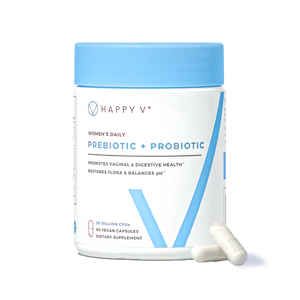
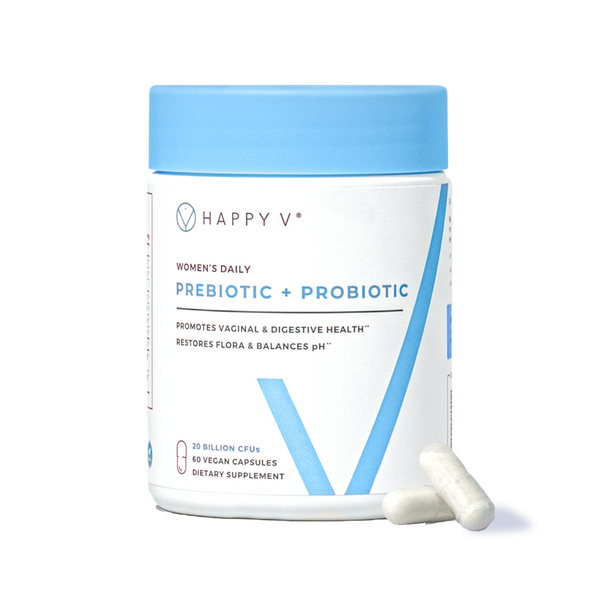
Happy V's Prebiotic + Probiotic contains all these clinically studied strains at their clinically effective doses. In preclinical studies, our unique formula was proven effective against Gardnerella and Candida, the main culprits behind bacterial vaginosis and vaginal yeast infections, both of which can lead to vaginal or vulvar pain.
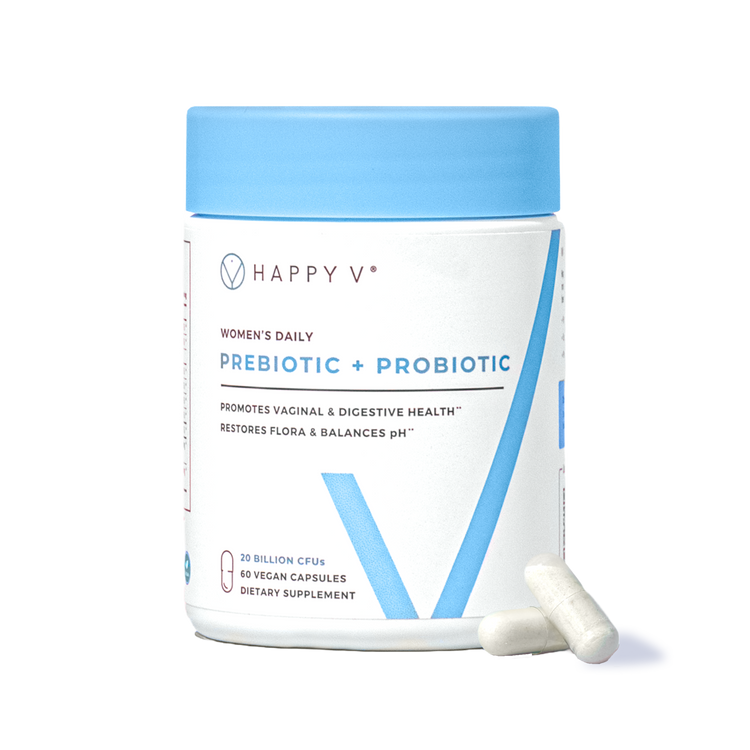 Bestseller
Prebiotic + Probiotic
Maintains vaginal pH and restores gut health.
Practice Gentle Hygiene
The biggest mistake people often make with vaginal hygiene is overdoing it. Good vaginal hygiene is relatively simple and includes these core ideas:
- Use warm water and mild, unscented soap on the vulva only
- Skip douching entirely—your vagina doesn't need internal cleaning
- Always wipe front to back after using the bathroom
- Change out of wet clothing like swimsuits or workout gear promptly
- Choose breathable cotton underwear over synthetic materials
- Avoid irritants like scented products in the female genital area
- Pat dry gently after washing
Use Personal Lubricant During Sex
Because insufficient lubrication can cause friction, pain, and micro-tears during sexual activity, using a quality personal lubricant is essential for many people, particularly during menopause or after childbirth. Just look for pH-balanced options free from irritating ingredients.
When to See a Healthcare Provider
If you're experiencing symptoms like unusual discharge, odor, itching, burning, or soreness, schedule an appointment with your healthcare provider. While supportive supplements can help maintain vaginal health, symptomatic infections or persistent pain typically require professional evaluation and treatment.
You should reach out to a healthcare provider if you're experiencing:
- Pain that persists for more than a few days or keeps coming back
- Discomfort that interferes with daily activities, exercise, or sexual life
- Unusual vaginal discharge or bleeding
- Symptoms that don't improve with over-the-counter medications
- Pain during urination or bowel movements
- Visible changes to vulvar skin, like white patches or lesions
- Painful sex that makes intimacy difficult
We know discussing intimate pain with your doctor can be uncomfortable at first, but it’s what they’re there for, and with the right information, they can identify the underlying cause and point you to the right next step for relief.
Final Thoughts
Understanding the difference between vaginal pain and vulvar pain puts you in the driver's seat when it comes to your intimate health.
While some causes like chronic pain conditions require medical intervention, many others can be prevented or managed through supporting your vaginal microbiome with probiotics, practicing gentle hygiene, and making other lifestyle adjustments. With the right information and prevention strategies, you can significantly reduce your risk of recurring pain and feel comfortable and confident every single day.
Keep the Conversation Going
- Visit our blog for more women's health tips.
- Join our private Happy V Facebook group to hear from others who've been there.
- Explore supplements designed to support your vaginal health journey.
Disclaimer: This blog is for informational and educational purposes only and is not intended to diagnose, treat, cure, or prevent any disease. Statements about supplements have not been evaluated by the Food and Drug Administration. For more information about vaginal infections, visit the CDC or speak to a licensed healthcare provider.