


- Fact Checked
- January 30, 2026
- 14 min read
Vaginal Itching Without Discharge: What's Really Going On Down There?

-
Written by
Hans Graubard
• Updated on April 02, 2026

Dietary supplement manufacturing, regulatory and product development, and DTCt; leadership experience...
- Updated on April 02, 2026
Table of Contents
Table of Contents
So you’re itchy down there. Like… really itchy. But there’s no discharge, no smell, and no other obvious sign of infection. Confusing? Definitely. Unusual? Not at all. Vaginal itching without discharge happens to a lot of people and is often linked to things you’d never expect, like laundry detergent, tight jeans, or shaving irritation. Here’s how to pinpoint the exact cause to find some relief.
This post is for informational purposes only and does not constitute medical advice. See full disclaimer below.
What's Behind the Itch? Common Causes of Vaginal Itching Without Discharge
When you're dealing with an itchy vulva, your mind may automatically think, “Yeast infection.”1 But if there is no vaginal discharge or other sign of infection—just that itch that won’t quit— the culprit is often something external rather than an internal infection, though there are skin conditions that can affect the vulva and lead to itching.
Here are the most common causes of vaginal itching without any accompanying discharge:
Contact Dermatitis and Allergic Reactions
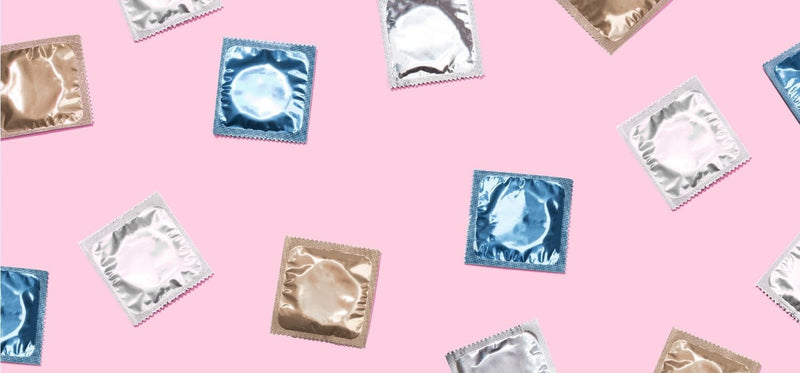
Contact dermatitis is basically your skin's way of saying, "Nope. Hard pass." It happens when something irritating touches your vulvar area or genital area. As to what that “something irritating” might be, think scented soaps or body washes, scented tampons and menstrual pads, latex condoms, fabric softeners, or even certain laundry detergents.
Even if you’ve been using a certain product for a while, your skin can develop an allergic reaction to any of these at any time, leading to itching, redness, and sometimes a rash without any vaginal discharge2. What was fine yesterday might be irritating today, so even if nothing about your care routine has changed, it’s worth looking at anything that’s coming in contact with your genital area.
Shaving Irritation and Hair Removal Issues
Razor burn and hair removal irritation are super common causes of vulvar itching3. When you shave or wax your pubic area, you're essentially creating tiny wounds that can become irritated, inflamed, or develop ingrown hairs. This can lead to small, flushed bumps, tenderness, and—you guessed it—itch.
Ingrown hairs are particularly problematic because the pubic hair there is naturally coarser and curlier4. When it grows back after shaving, it can curl back into the skin, creating itchy or even painful bumps.
Sweating and Friction from Tight Clothing
Just like all other areas of skin, your vulva has sweat glands, and when moisture gets trapped by tight clothing or non-breathable fabrics, it creates the perfect environment for irritation5. Friction from tight jeans, workout leggings, or synthetic underwear can also cause itching and discomfort without any discharge.
This is particularly common among women who exercise regularly or work in hot environments where sweating is inevitable.
Eczema and Psoriasis
If you have eczema (also called atopic dermatitis) or psoriasis anywhere else on your body, it can show up on your vulva, too6. Eczema creates patches of dry, scaly skin that can be incredibly itchy, and the vulvar skin is particularly sensitive, so eczema here can feel even more intense, especially at night.
Psoriasis, on the other hand, presents as red, scaly patches that can crack and itch7. Both psoriasis and eczema are chronic skin conditions, meaning they come and go in flares. What makes these conditions particularly challenging in the vulvar area is that the skin there is more sensitive and prone to irritation, which means that treatments that work well in other areas of the body may not work well in the genital area.
Lichen Sclerosus
Lichen sclerosus is a chronic inflammatory skin condition that predominantly affects the vulvar area, including the labia8. It creates thin, white patches of skin that can be intensely itchy. Over time, the affected skin can become fragile and may even tear.
While certainly not a cause for panic, lichen sclerosus is not something to dismiss or ignore, either9. Left untreated, it can lead to scarring and structural changes that can affect urination and sexual function. If you notice white patches, severe itching, or skin that seems thinner or more fragile, definitely get it checked out.
Lichen Planus and Lichen Simplex Chronicus
Lichen planus causes purplish, flat-topped bumps that can appear on the vulva and cause significant itching10. It's another inflammatory condition (sensing a trend?) that can affect mucous membranes and skin throughout the genital area.
Lichen simplex chronicus is a condition that is actually the result of chronic scratching11. It's a vicious cycle where itching leads to scratching… which causes more itching. The constant scratching thickens the skin and makes it leathery. Breaking this itch-scratch cycle is crucial for healing, and your doctor is the best person to advise you on how to do that.
Less Common: Pubic Lice
While less common than the others on this list, pubic lice can cause intense (like, intense) itching without discharge, and if you look, you might notice tiny bugs or eggs in your pubic hair12. Pubic lice are transmitted through sexual contact and close physical contact. And as uncomfortable as it is to think about, it can be treated with over-the-counter or prescription shampoos.
Hormonal Changes and Other Contributing Factors
Though less common than exterior irritants and skin conditions, hormonal changes and fluctuations can have all kinds of effects on your reproductive health and can contribute to itching without discharge13. Here’s how:
Low Estrogen Levels and Vaginal Dryness
Low estrogen levels are one of the biggest hormonal causes of vaginal itching without discharge14. When estrogen drops, as it does during menopause, pregnancy, breastfeeding, or certain times in your menstrual cycle, your vaginal tissues can become thinner, drier, and more sensitive. This vaginal dryness leads to itching, irritation, and discomfort, especially during sex.
Menopause is the most common time for this to happen. As women approach and enter menopause, estrogen levels decline significantly, leading to vaginal atrophy and reduced natural lubrication15. But younger women can experience low estrogen too, particularly if they're on certain medications or hormonal birth control.
Sex and Vaginal Lubrication
If you're not producing enough vaginal lubrication during intercourse, the friction can cause irritation and itching afterward16. Without adequate lubrication, the friction from sex can cause micro-tears in the delicate vaginal tissue, leading to a burning sensation and itching.
Plus, if you're allergic to latex condoms or certain lubricants, that can also trigger itching without any abnormal discharge.
Sexually Transmitted Infections (STIs) and Other Health Conditions
The last group of causes to consider when it comes to vaginal itching without discharge is an STI or another form of infection17. While itching often sends minds straight to infections, most of the time, that’s not actually what’s going on.
Still, because some STIs and other health conditions can cause itching without obvious discharge, it’s helpful to understand when they might be part of the picture.
STIs and Sexually Transmitted Diseases
Not all sexually transmitted infections or sexually transmitted diseases cause obvious discharge18. Some STI symptoms can be subtle, as with:
- Genital herpes. Infection can start with itching, tingling, or a burning sensation before blisters appear on the vulva or pubic area
- Chlamydia and trichomoniasis. Both can lead to itching, but also usually involve at least minimal discharge.
- Gonorrhea. Itching is an early symptom, though it also tends to progress to include others19.
While STIs aren’t the most common cause of vaginal itching without discharge, they’re still worth ruling out, especially if you’ve had unprotected sex or new partners. Routine STI testing is straightforward, and early detection makes treatment easier and more effective.
Yeast Infections and Bacterial Vaginosis
As common as vaginal yeast infections and bacterial vaginosis are, they are usually not associated with itching without discharge20. In fact, both usually involve distinct discharge.
Vaginal yeast infections (also called candidiasis) typically cause thick, white discharge, while bacterial vaginosis (aka BV) can have thin, gray discharge with a distinct, fishy smell21.
Prevention and Home Remedies for Vaginal Itching Without Discharge
Because vaginal itching without discharge is most often linked to everyday habits—like the products you use or the clothes you wear—simple lifestyle changes can make a big difference22. Small adjustments can help calm irritation, relieve itching, and prevent it from coming back.
The most impactful lifestyle changes that can provide relief relatively quickly include:
Wardrobe Changes
What you wear has a direct impact on vulvar comfort, especially when it comes to moisture, friction, and airflow. When choosing your clothing:
- Choose breathable cotton underwear, ideally with a 100% cotton crotch, to allow airflow and absorb moisture
- Avoid tight clothing whenever possible, especially tight jeans, leggings, and shapewear
- Change out of sweaty workout clothes immediately after exercising
- Opt for natural, breathable fabrics like cotton, bamboo, or modal instead of polyester or nylon
Smart Hygiene Habits
A gentler hygiene routine helps protect the vulva’s natural balance and prevents unnecessary irritation. Be sure to:
- Wash external areas only with warm water alone or a mild, unscented soap
- Avoid douching entirely, as douching disrupts vaginal pH and healthy bacteria
- Skip scented tampons, pads, and panty liners and choose unscented options instead
- Switch to fragrance-free, hypoallergenic laundry detergent
- Avoid fabric softeners and dryer sheets; use wool dryer balls if needed
Better Hair Removal Strategies
Hair removal can be a major trigger for vulvar itching, especially if the skin barrier becomes irritated. When grooming:
- Use a fresh, sharp razor every time
- Shave in the direction of hair growth, not against it
- Use a gentle, fragrance-free shaving cream or gel
- Never dry shave; wet the area thoroughly first
- Space out shaving sessions by 24–48 hours
- Apply a fragrance-free, alcohol-free moisturizer after shaving
- Consider trimming instead of full hair removal
If shaving continues to cause irritation, letting pubic hair grow naturally is completely fine. There’s no medical need to remove it, and many people find it actually reduces itching.
Soothing Baths and Topical Relief
If itching is intense, you want relief, and you want it now. This is where soothing baths and topical products can come in handy.
When taking a bath, the best way to reduce itching and irritation is to:
- Keep water temperature lukewarm (not hot), limiting soak time to 15–20 minutes
- Add colloidal oatmeal or baking soda to the water (about ¼–½ cup in shallow water)
- Pat dry gently after bathing and avoid rubbing the skin
Topical relief options are also available at most pharmacies. The trick is to choose one that won’t further irritate the skin, like a 1% hydrocortisone cream. This should be externally only once or twice daily, and should not be used for more than a few days without medical guidance.
Other options that don’t get to the root cause of itching but can provide short-term relief from itching include applying a cold ice pack wrapped in a soft cloth for up to 10–15 minutes or taking an oral oral antihistamines like diphenhydramine or loratadine if you think allergies may be involved23.
Daily Probiotic Support
Most “down there” discomfort starts when the vaginal microbiome gets nudged out of its happy place, often after irritation, friction, antibiotics, stress, or hormonal shifts. A daily probiotic routine won’t replace medical care when you need it, but it can support your body’s natural defenses by helping beneficial bacteria stay in charge24.
The trick is to choose probiotics that actually work (because not all formulas are created equal!). Probiotics are strain-specific, and only certain strains have been shown in clinical studies to support vaginal health25. These strains include:
- Lactobacillus acidophilus LA-14®
- Lacticaseibacillus rhamnosus HN001™
- Lactobacillus crispatus CCFM1110™
- Lactobacillus gasseri HLG13™
- Lactobacillus reuteri HR7™
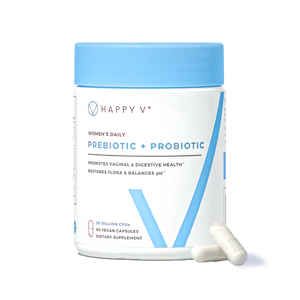
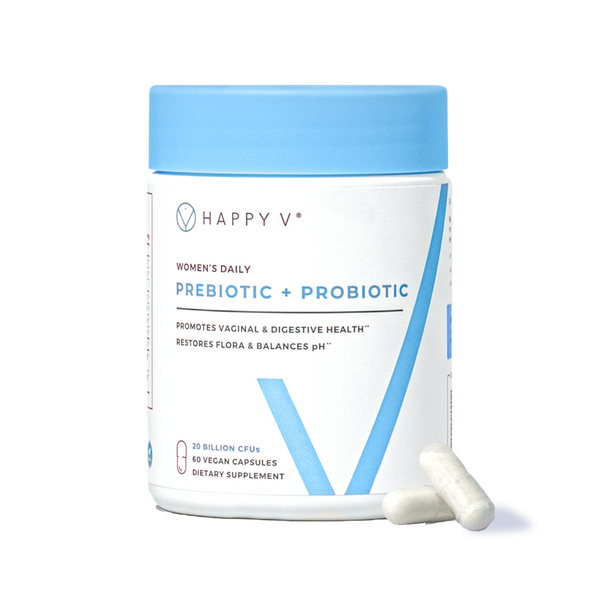
Happy V’s Prebiotic + Probiotic is formulated for vaginal health, which means you’ll see each of these clinically studied ingredients listed clearly on our label. If you don’t see the strain listed on a probiotic label or, worse, see a sketchy “proprietary blend,” that’s a sign to look elsewhere.
In preclinical testing, Happy V’s unique formula was shown to be effective against Gardnerella and Candida, the main culprits behind BV and yeast infections (and the itching that can come along with them!).
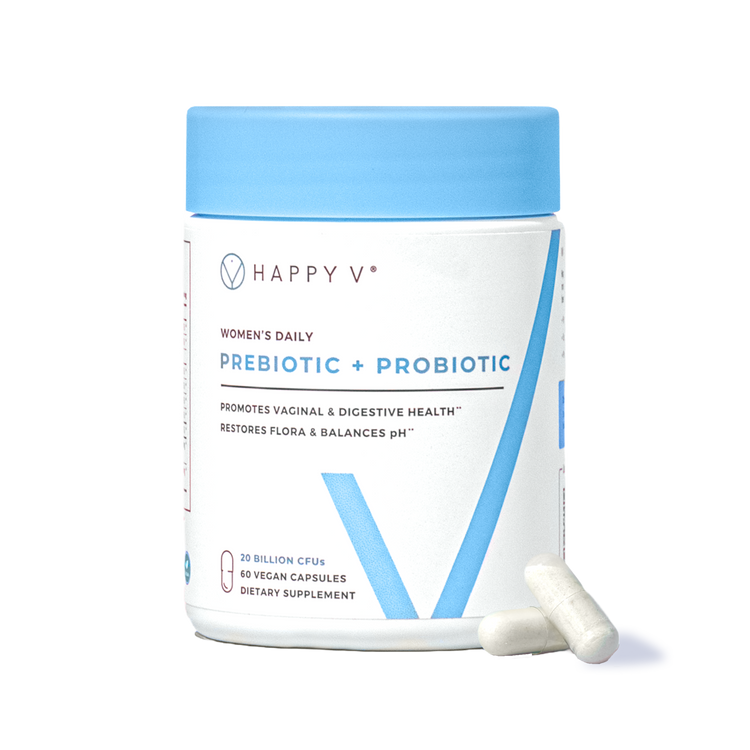 Bestseller
Prebiotic + Probiotic
Maintains vaginal pH and restores gut health.
Symptom Assessment: Is Your Itching Normal or a Red Flag?
One of the most confusing parts of dealing with vaginal itching is figuring out whether what you're experiencing is normal or something that needs medical attention.
What's Considered Normal
Not all vaginal itching is cause for alarm. Here's when itching is usually nothing to worry about:
- Occasional, mild itching that resolves quickly, especially if you can connect it to an obvious cause like shaving, wearing tight clothing, or trying a new product. This is typically normal, and if the itchiness goes away within a day or two after removing the irritant, you're probably fine.
- Brief itching related to your menstrual cycle. Some women experience temporary itching or sensitivity before their period due to hormonal changes. As long as it's mild and doesn't come with other symptoms like abnormal discharge or foul odor, it's usually not a concern.
- Minor irritation after sex. This is common, especially if you didn't use enough lubrication. If it resolves within 24 hours and you don't see any rash or flushed skin, it's generally not worrying.
When to Pay Closer Attention
Some itching is mild and temporary, but certain signs suggest it’s time to look deeper. These include:
- Severe itching that disrupts sleep, affects concentration, or feels impossible not to scratch
- Persistent itching that lasts longer than a week despite home remedies should be evaluated
- Visible skin changes, including:
- A rash that doesn’t improve or begins to spread
- Flushed skin that stays red or inflamed for several days
- Small, flushed bumps that persist or increase
- Dry, scaly skin that doesn’t respond to moisturizing
- White patches on the vulva (a possible sign of lichen sclerosus)
- Thickened or leathery skin from repeated scratching
- Swelling or tenderness beyond mild irritation—especially if it’s painful to touch or makes wearing underwear uncomfortable
If any of these sound familiar, it’s a good idea to check in with a healthcare provider to rule out underlying conditions and get the right support.
Self-Assessment Questions to Ask
When trying to figure out if your itchy vulva needs medical attention, it can also help to ask questions like:
- How long has the itching lasted? (More than a week is concerning)
- How intense is it? (Is it disrupting your life?)
- Have I tried removing potential irritants?
- Are there any visible changes to my skin?
- Do I have any other symptoms? (Pain, burning, swelling, unusual discharge)
- Could I have been exposed to an STI?
- Is the itching getting better, staying the same, or getting worse?
If you answered yes to concerning questions—especially about severity, duration, or additional symptoms—it's time to see your healthcare provider. Don't let embarrassment keep you from getting care. Vaginal itching is incredibly common, and healthcare providers deal with it every single day.
When to Seek Medical Advice
Don't hesitate to reach out to your doctor if:
- The itching lasts more than a week despite home remedies
- You develop severe itching that's affecting your quality of life
- You notice blisters, sores, or significant swelling in the genital area
- You experience pain along with the itching
- You have redness that's spreading or getting worse
- You've had unprotected sex and are concerned about a sexually transmitted infection
- You have any abnormal vaginal discharge develop
- You suspect eczema, psoriasis, lichen sclerosus, or another skin condition
- Over-the-counter treatments like antifungal creams for suspected yeast infections aren't working
- You need antiviral medication for suspected genital herpes
Your healthcare provider can pinpoint the cause of your vaginal itching and create a treatment plan that will help you find relief. This might include prescription medication, antifungal treatments for confirmed yeast infections, topical treatments for skin conditions, or guidance on managing chronic conditions.
Final Thoughts
Vaginal itching without discharge can be frustrating—and uncomfortable!—but it's usually caused by something totally manageable, whether that's irritating products, hormonal changes, or simple friction from your favorite jeans. The key is paying attention to your body, identifying potential triggers, and making small changes that can have a big impact on your comfort and overall health.
Keep the Conversation Going
- Visit our blog for more women's health tips.
- Join our private Happy V Facebook group to hear from others who've been there.
- Explore supplements designed to support your vaginal health journey.
Disclaimer: This blog is for informational and educational purposes only and is not intended to diagnose, treat, cure, or prevent any disease. Statements about supplements have not been evaluated by the Food and Drug Administration. For more information about vaginal infections, visit the CDC or speak to a licensed healthcare provider.