


- Fact Checked
- October 07, 2026
- 20 min read
The Cortisol-Estrogen Balance After 50: Why Stress Hits Differently

- Written by Daniella Levy • Updated on October 07, 2026
- Updated on October 07, 2026

Table of Contents
Table of Contents
Maybe it’s a big work deadline getting moved up by two days or maybe it’s a phone call from your sister with worrying news about your mom. In your 30s, these stressful situations were often easily handled by a long walk and a good night’s sleep. Now that you’re in your 50s, though, these events often keep you awake for nights on end, have your heart racing while you’re awake, and generally leave you feeling wrung out for a week afterward.
These reactions aren’t because life’s stressors are suddenly bigger than they used to be or because you’re somehow “weaker” than you used to be. It’s because your hormone levels have changed and, with them, your body's capacity to regulate the stress response.
As estrogen declines through perimenopause and after menopause, you lose one of your primary buffers against cortisol, your body's main stress hormone. This means the same stressors you’ve always lived with can push cortisol levels higher, keep them elevated longer, and cause more downstream wear and tear on your sleep, mood, metabolism, and heart. The good news is that once you understand how cortisol and estrogen affect each other, you can start working with your body instead of blaming yourself for being "less resilient." And that’s hopefully what this article is going to help you do.
This post is for informational purposes only and does not constitute medical advice. See full disclaimer below.
How Estrogen Normally Buffers Your Stress Response
To understand why stressful events feel different now, it helps to know what cortisol (aka the stress hormone) actually does and how estrogen used to keep it in line.
Cortisol is a steroid hormone, part of a class called glucocorticoids, that’s made by your adrenal glands, which sit on top of your kidneys. Despite how it’s often discussed on social media, cortisol isn't a villain. It actually releases glucose into your bloodstream for fuel, helps maintain blood pressure, tempers inflammation, shapes your immune response, and helps set your sleep-wake cycle, all of which are great things. Its partner, adrenaline, delivers the fast jolt of a stressful moment (think: the pounding heart rate, the sharp focus), and cortisol sustains the response over hours.
In a healthy rhythm, cortisol peaks within about 30 to 45 minutes of waking (a surge called the cortisol awakening response), then tapers through the day and bottoms out around midnight. Problems start when that curve flattens, spikes at the wrong times, or never comes back down. And for women in perimenopause or menopause, those problems can sometimes be triggered by declining levels of estrogen.
See, during your reproductive years, relatively steady estrogen supports the "off switch" that brings cortisol back down after a stressor passes. Estrogen also supports serotonin activity, helps regulate calming GABA signaling, and improves insulin sensitivity, which keeps blood sugar more stable and reduces one of the triggers for cortisol release.
The science here is nuanced, and estrogen's effects vary with dose and timing. But the overall pattern is consistent: stable estrogen tends to mean a stress response that rises, does its job, and resolves. So while stress still happened in your 30s, your body was simply better equipped to recover from it.
What Changes After 50: The Cortisol-Estrogen Feedback Loop
The average age of menopause in the U.S. is about 51, but as you may well know, the hormonal shifts (and the symptoms that accompany them) start years earlier.
Declining levels of estrogen to blame for hot flashes and missed periods, but it also affects your stress system. Your stress system, in return, can also further affect your estrogen levels, creating a feedback loop that leaves you trapped in a cycle of stress-related symptoms.
How Declining Estrogen Raises Cortisol Sensitivity
To understand how declining estrogen can have such an effect on your stress response, it helps to look at how cortisol release is controlled in the first place. It's run by what's called the hypothalamic-pituitary-adrenal (HPA) axis, a three-part chain of command. When you encounter a stressor, your hypothalamus sends a signal to your pituitary gland, which releases adrenocorticotropic hormone (ACTH). ACTH then tells your adrenal glands to produce cortisol. Once cortisol rises high enough, it signals your brain to stop, kind of like a thermostat shutting off the heat once the room is warm.
You may have already guessed what controls that “off switch”: estrogen. So when estrogen declines, the brakes get weaker, and cortisol tends to linger after a stressor instead of dropping back to baseline. In fact, studies that followed women through the menopausal transition have found that overnight cortisol levels tend to rise in the late transition and early postmenopause, and that women with higher cortisol reported more hot flashes and more disrupted sleep.
How Elevated Cortisol Further Suppresses Estrogen: The Vicious Cycle
So declining estrogen can affect cortisol, but cortisol can also affect estrogen, creating that loop. Chronic stress and high cortisol levels suppress the brain signals that tell your ovaries to produce estrogen and progesterone. So if you're in perimenopause and your ovaries are still producing hormones, chronic stress can speed up their decline and make your cycles even more irregular.
Once you reach menopause, your ovaries are no longer your main source of estrogen. Instead, your body relies on a backup system. Your adrenals and fat tissue produce precursor sex hormones, which enzymes then convert into estrogen and small amounts of testosterone. Your liver’s activity matters here, too, since the liver metabolizes these hormones and clears them once they’ve done their job. Chronically high cortisol can put strain on that whole system, which is one reason stress can make menopause symptoms feel so much worse.
After menopause, cortisol keeps the cycle going in other ways. It disrupts your sleep, and poor sleep raises the next day's cortisol. It pushes blood sugar up and drives insulin resistance. It encourages belly fat, which generates even more cortisol. And all the while, progesterone, which has a naturally calming effect on the brain, has declined too. Each of these pieces amplifies the others, which is why it can feel like your whole stress system is running hotter than it used to.
Can Low Estrogen Cause Anxiety? What the Research Says
The short answer is yes. Estrogen supports serotonin production and receptor activity, and it influences GABA and other mood-regulating pathways. When estrogen drops, those supports weaken at the same time cortisol is running higher, a combination that leaves many women feeling on edge without being able to point to a reason why. Research on the menopausal transition links this window to increased vulnerability to anxiety and depression, especially for women who've dealt with either before.
You may also have seen the opposite question: does high estrogen cause anxiety? The answer is also, yes it can, particularly in perimenopause. That's because estrogen doesn't decline in a smooth, predictable line. It can surge higher than normal before crashing, sometimes within the same cycle, and both the spikes and the drops can trigger anxiety, irritability, and sleep disruption.
So again, if you feel like stressful days get to you more than they did before, it’s not due to any kind of weakness on your part. It’s a matter of biology, and one your doctor or gynecologist should be more than familiar with, which is why it’s important to share the emotional and mental symptoms of menopause along with the physical.
Symptoms of Cortisol-Estrogen Imbalance After 50
When a cortisol imbalance is layered on top of declining estrogen, it tends to show up in some very specific ways. If several of the symptoms below sound familiar, rest assured that you're not imagining them, and you're not simply "getting older."
These are the most common signs of cortisol-estrogen imbalance in women over 50:
Anxiety, Dread, and Panic That Feels New
For a lot of women, this is the first sign that something has shifted. It might feel like a low hum of dread when you wake up, a sudden wave of panic in the checkout line, or a kind of worry that attaches itself to anything and everything. Many women say it's unlike any anxiety they've felt before, which makes sense when you consider that the chemistry behind it is new, too. In fact, anxiety is one of the most common (and most overlooked) symptoms of menopause and perimenopause.
Waking Between 2 and 4am
If you've found yourself staring at the ceiling at 3am more nights than not, cortisol may be part of the reason. Your cortisol levels are supposed to be at their lowest in the middle of the night before gradually rising in the early morning hours to help you wake up. But when your overnight cortisol is already running high, that early rise can come on too soon and too strong. Add in a night sweat, or a dip in blood sugar that triggers a release of cortisol and adrenaline, and suddenly you're wide awake with a racing mind. Over time, this pattern can turn into full-blown insomnia, which only feeds the cycle by raising your cortisol the following day.
Belly Weight Gain and Metabolic Slowdown
Cortisol raises blood sugar, and chronically elevated glucose means your body needs more insulin to manage it. Combine that with lower estrogen, and weight gain tends to settle around your midsection, even if your eating habits haven't changed at all.
Unfortunately, that visceral fat is more than just frustrating. It's metabolically active, contributes to inflammation, and raises your risk of obesity, type 2 diabetes, and heart disease. It's also a big part of why weight loss can feel so much harder after 50, no matter how disciplined you are. (For a deeper look, check out our guide to getting rid of menopause belly.)
Heart Palpitations, Brain Fog, and Emotional Volatility
Adrenaline (cortisol’s partner) raises your heart rate, and lower estrogen can make your heart's electrical signaling more reactive, which is why so many women experience palpitations in midlife with no underlying cardiac cause.
Sustained cortisol also affects the hippocampus (your brain's memory center), which may help explain the word-finding lapses and foggy afternoons that so many women describe. Throw in fatigue and a shorter emotional fuse, and it can start to feel as though your personality has changed. But it hasn't. Your stress chemistry has.
The Less Obvious Effects: Bones, Digestion, and Immunity
Some effects of high cortisol are easy to miss because they happen quietly in the background. Chronically high cortisol levels speed up bone breakdown, for example, which compounds the bone loss that already accelerates after menopause and raises your risk of osteoporosis.
Cortisol can also slow digestion and weaken immune function over time, which is one reason women under chronic stress may find themselves getting sick more often. Stress can even affect your urinary tract and the balance of your vaginal microbiome, both of which are already more vulnerable as estrogen declines.
How to Balance Estrogen and Cortisol After 50
The goal is not to eliminate stress from your life. Why? Because that’s not realistic. Stressful moments happen at any age. While you can’t prevent them, you can give your body the tools it needs to allow your stress response to rise, resolve, and reset the way it used to. There are several, evidence-backed ways to do that, both through supplements and lifestyle support.
Adaptogens: Ashwagandha, Rhodiola, and the Evidence Behind Them
Adaptogens are hot in the wellness space right now, but most people still don’t really understand what they are or how they can help.
Adaptogens are herbs that help your body adapt to stress, and of all of all the adaptogens out there, Ashwagandha has the strongest research behind it. In randomized controlled trials, adults under chronic stress who took Ashwagandha extract saw meaningful drops in serum cortisol and perceived stress compared with those who took a placebo, and small trials in perimenopausal women have found improvements in menopausal symptoms, too. Rhodiola is another adaptogen you may have heard of, and while there's some evidence it can ease stress-related fatigue, it hasn't been studied as closely in menopause.
That's why Happy V Menopause Relief AM + PM includes Sensoril® Ashwagandha in both its AM and PM capsules. In the morning, it helps support calm focus through the day, and in the evening, it helps keep nighttime cortisol spikes in check.
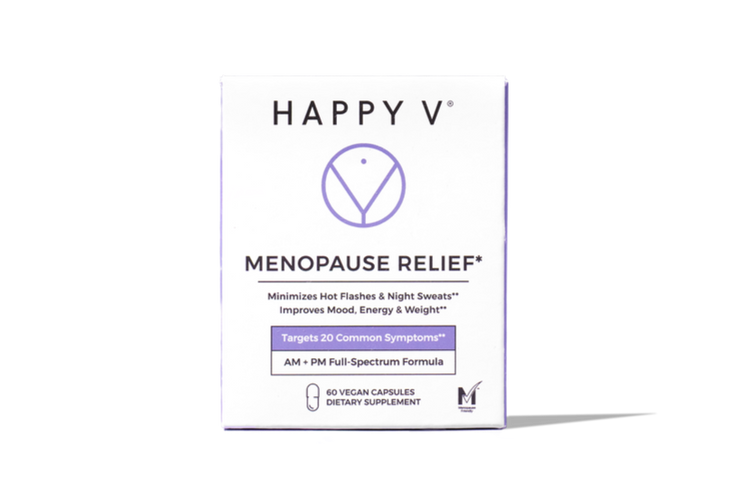
Menopause Relief AM + PM
Supports mood, energy and weight. Minimizes hot flashes and night sweats.
And because cortisol and estrogen work as a pair, AM capsule pairs Ashwagandha with DIM, genistein, and BroccoRaphanin® to support healthy estrogen metabolism, along with Lifenol® hop extract for hot flash relief. The PM capsule adds red clover, HMRlignan™ Norway spruce lignans, and Graminex® flower pollen extract to help ease night sweats and support more restful sleep. It's hormone-free and built around your circadian rhythm, so each dose supports what your body needs at that time of day. As with any supplement, check with your healthcare provider first if you take other medications, especially antidepressants, sleep aids, or hormone therapy.
Magnesium, B Vitamins, and Nutritional Cortisol Support
Certain nutrients also play a direct role in how your body handles stress. Magnesium, for example, helps calm the nervous system and plays a role in melatonin production, but chronic stress tends to deplete it.
Vitamin B6 is essential for making serotonin and GABA, and vitamin B12 supports energy and nervous system function, both of which tend to take a hit when cortisol runs high. Happy V's Menopause Relief AM capsule includes B6 and B12 for daytime energy and mood, while the PM capsule combines magnesium, zinc, an active form of B6, and 5-HTP (a building block of serotonin) to help your body shift into rest.
What you eat matters just as much as the supplements you take. Cortisol responds sharply to swings in your blood sugar levels, so a few simple habits can go a long way toward keeping things steady. These include:
- Build your meals around fiber and healthy fats. A Mediterranean-style pattern, with plenty of fish, olive oil, legumes, vegetables, and whole grains, is well supported for both metabolic health and inflammation.
- Give protein special attention. Including lean protein at every meal helps you hold on to muscle mass, which naturally declines with age and plays a big role in your metabolism. Pairing protein and quality fats with fiber also slows digestion, which supports blood sugar stability and means your body needs less insulin to manage each meal. And healthy fats matter for a less obvious reason: your body uses them as raw material for making sex hormones, which makes good nutrition one of the simplest ways to support hormonal balance. If you’re not sure where to start, a registered dietitian who specializes in menopause can offer personalized support based on your symptoms, health history, and goals.
- Try not to skip breakfast. Going hours without food on a busy morning can push cortisol even higher.
- Cut off caffeine after noon. Caffeine raises cortisol, and it can linger long enough to interfere with your sleep.
- Keep an eye on alcohol. That evening glass of wine may feel relaxing, but it's a common trigger for 3am wake-ups and night sweats.
The Lifestyle Foundation: Sleep, Exercise, and Circadian Rhythm
Your cortisol curve takes its cues from light, movement, and routine, which means supporting your circadian rhythm is one of the most powerful (and least expensive) forms of stress management out there.
A few good places to start:
- Get some morning sunlight. Spending 10 to 15 minutes outdoors within an hour of waking helps anchor a healthy cortisol peak in the morning and a proper decline at night.
- Keep a consistent sleep schedule, even on weekends.
- Strength train two to three times a week. Building muscle improves insulin sensitivity, protects your bones, and helps your body clear glucose. That said, very long, intense workouts can raise cortisol when you're already depleted, so balance your harder sessions with gentler physical activity like walking.
- Tap into your parasympathetic nervous system. This is your "rest and digest" mode, and it acts as a natural counterweight to cortisol. Slow breathing (with an exhale that's longer than your inhale), yoga, and tai chi can all help switch it on.
- Try journaling before bed. Getting your worries down on paper can quiet the mental loop that keeps you awake.
If you're still struggling with insomnia after making these changes, ask your provider about cognitive behavioral therapy for insomnia (CBT-I), a structured sleep treatment that's considered a first-line approach. And if past traumatic stress is part of your story, working with a therapist can make a real difference, since trauma can leave the HPA axis more reactive for years.
When to Talk to a Doctor About HRT or Targeted Hormone Support
For some women, lifestyle changes and supplements are enough. For others, addressing the drop in estrogen directly is what ultimately makes the biggest difference. Menopausal hormone therapy (MHT, often called HRT) typically uses systemic estrogen, such as an estradiol gel or patch, along with progesterone if you still have a uterus. For many healthy women under 60 or within 10 years of menopause, current evidence suggests the benefits for hot flashes, sleep, mood, and bone health often outweigh the risks. Still, it's a decision to make with your provider based on your personal and family history.
If hormone therapy isn't right for you, there are non-hormonal options, too. Certain SSRIs and SNRIs, for example, can ease both hot flashes and anxiety. There's no single right answer here, only the one that fits your body, your history, and your goals.
Should You Test Your Cortisol During Menopause?
With so much talk about cortisol online, you've probably seen at-home test kits promising to tell you whether your stress hormones are "off." It's an appealing idea, but cortisol testing is best done through your doctor, not a kit you order online.
That's because cortisol is one of the trickiest hormones to measure accurately. Your levels shift from hour to hour, so a single sample taken at the wrong time, after a bad night's sleep, or following a stressful morning can easily point you in the wrong direction. Certain medications can also affect your readings, including oral estrogen and corticosteroids like prednisone. And even when a home test shows an unusual result, it can't tell you what's causing it or what to do next. Only a doctor can put your numbers in context.
It may also surprise you that, for many women with typical midlife stress symptoms, your doctor may not need to test cortisol at all. The stress-related symptoms we've covered in this article are usually addressed through lifestyle changes, supplements, and menopause care rather than lab work. Testing becomes more important when your symptoms suggest a true cortisol disorder (more on those warning signs below). In that case, your doctor can order the right test at the right time of day. This might be a standard blood test in the morning, a late-night saliva test, or a 24-hour urine collection.
Your doctor may also want to check other hormones, like estrogen, progesterone, testosterone, and thyroid hormones, to get a fuller picture. Keep in mind that during the transitioning process your hormone levels can swing significantly from one day to the next, so perimenopause and menopause are usually diagnosed based on your age and symptoms rather than lab numbers alone.
You may also come across pregnenolone in online discussions of menopause and stress. It's a building block your body uses to make cortisol, progesterone, estrogen, and testosterone, with different enzymes steering it toward each one. Some sources claim stress "steals" pregnenolone away from your progesterone system to make more cortisol, but research doesn't back that up, so be wary of tests or supplements marketed on that idea.
The most helpful thing you can do is walk into your appointment prepared. For two to three weeks beforehand, jot down:
- When you wake up at night and how long it takes you to fall back asleep
- Any hot flashes, night sweats, or heart palpitations
- Your mood, anxiety levels, and energy throughout the day
- Any medications and supplements you take
Then bring a few specific questions to your appointment, like "Could my symptoms be related to cortisol?" and "Would testing change how we treat this?" A clear record of your symptoms and overall well-being will often tell your doctor more than any single lab value.
When to See a Specialist
Most midlife stress symptoms trace back to the cortisol-estrogen shifts we've covered. But some signs point to something that needs a closer look from a medical professional, not just hormone balancing. Talk to your doctor promptly if you notice any of the following.
- Signs of high cortisol levels from an underlying condition. Cushing syndrome, also called hypercortisolism, happens when your body is exposed to too much cortisol for a long period of time. Watch for rapid weight gain in your face, upper back, or abdomen, wide purple stretch marks, easy bruising, muscle weakness, new high blood pressure, or rising blood sugar. The most common cause of Cushing syndrome is long-term use of corticosteroid medications like prednisone, though tumors of the pituitary gland or adrenal glands can also be responsible. If you take a corticosteroid for asthma, arthritis, or another condition, never stop it suddenly without talking to your doctor first.
- Signs of low cortisol. Adrenal insufficiency, which includes Addison's disease, is the opposite problem: your adrenal glands don't produce enough cortisol. Symptoms include persistent fatigue, muscle weakness, unintended weight loss, low blood pressure, dizziness when you stand up, and salt cravings.
- Heart symptoms that need a cardiology evaluation. Palpitations that come with chest pain, shortness of breath, fainting, or a very fast heartbeat that won't settle should be checked out right away.
- Mental health symptoms that need more support. If anxiety or panic attacks are getting in the way of your work or relationships, or you're noticing signs of depression like persistent hopelessness or a loss of interest in things you used to enjoy, reach out to your doctor or a mental health professional. If you ever have thoughts of harming yourself, seek help immediately.
- Other red flags. New or severe headaches, unexplained high blood pressure, and sleep problems that stick around despite changes to your routine are all worth a visit.
If your doctor suspects a true cortisol disorder, you may be referred to an endocrinologist.
Keep the Conversation Going
- Visit our blog for more women's health tips.
- Join our private Happy V Facebook group to hear from others who've been there.
- Explore supplements designed to support your vaginal health journey.
Disclaimer: This blog is for informational and educational purposes only and is not intended to diagnose, treat, cure, or prevent any disease. Statements about supplements have not been evaluated by the Food and Drug Administration. For more information about vaginal infections, visit the CDC or speak to a licensed healthcare provider.
FAQ
Can low estrogen cause anxiety?
Does high cortisol make menopause symptoms worse?
How do estrogen and cortisol affect each other?
How do I balance estrogen and cortisol naturally?
Why do I wake up anxious at 3 a.m. during menopause?
Does Ashwagandha help with cortisol and menopause?
Our experts continually monitor the health and wellness space, and we update our articles when new information becomes available.
- Published on: October 07, 2026
- Last updates: October 07, 2026
Written by Daniella Levy
Edited by Liz Breen