







Dealing with Infections
How Much Water to Drink to Flush Out a Yeast Infection?
Learn how water can help flush out vaginal yeast infections by supporting hydration and diluting sugar levels.
Your cart is empty!
Need help finding your perfect product?
Take the QuizBest sellers

Popular products

Take our quiz and we'll recommend the best Happy V products for you with clinically proven ingredients.
Take our QuizTake our quiz and we'll recommend the best Happy V products for you with clinically proven ingredients.
Take our Quiz🎉 Happy V Day FLASH SALE!
Spend $60 or more and claim a FREE Premium Gua Sha on us! This limited edition gift is made from 100% stainless steel, with a custom leather sleeve. Limited quantity, available only while supplies last! Gua shas have been shown to promote lymphatic drainage and support your body's detox system. Enjoy a little extra self-love in honor of Valentine's day!

Learn how water can help flush out vaginal yeast infections by supporting hydration and diluting sugar levels.

Yeast infections during pregnancy are more common than you think. While your treatment options are limited, there are ways to prevent and manage active infections.
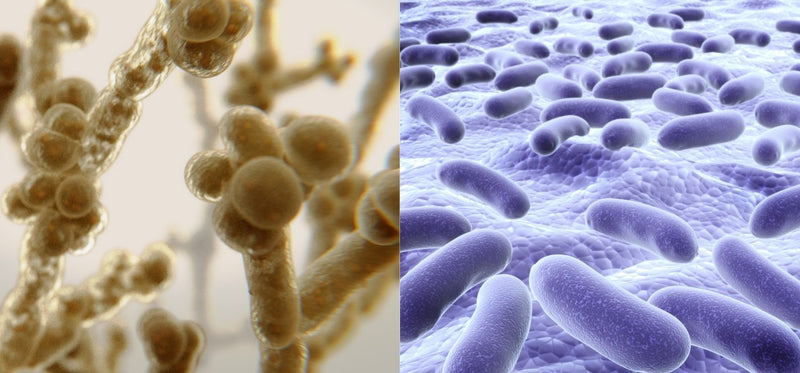
Don't keep guessing - learn how to recognize the differences between bacterial vaginosis and yeast infections.
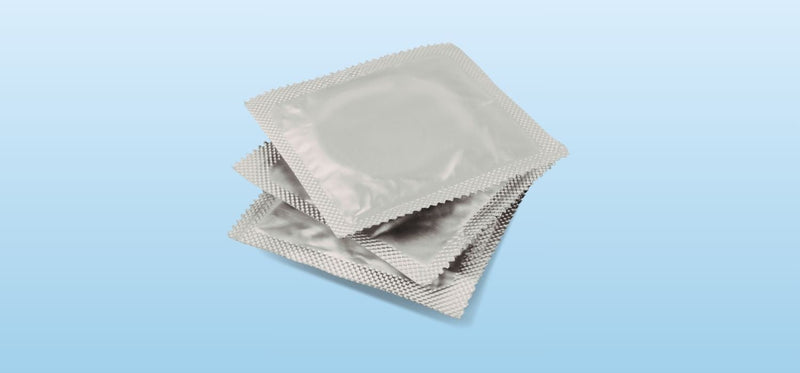
Condoms aren't direct culprits for yeast infections, but some the ingredients inside condoms can make your vaginal microbiota more prone to develop one. Learn more about what you can do...
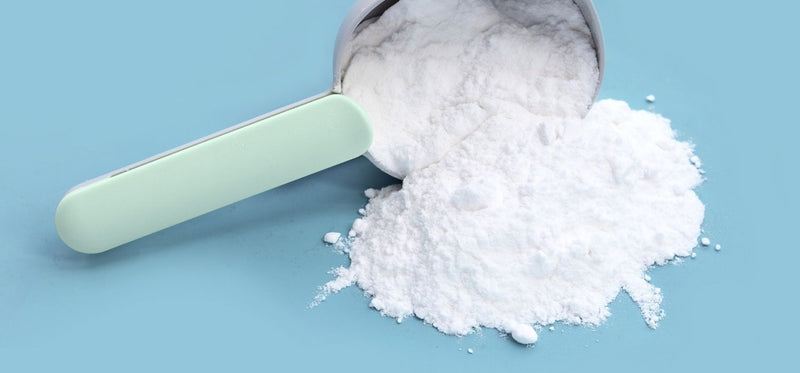
There are many natural remedies to support a doctor's prescribed treatment for yeast infections. One of them is baking soda baths. But just how effective are they?
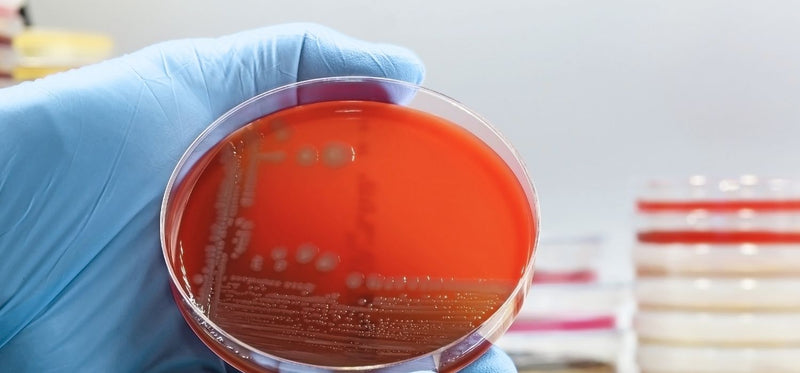
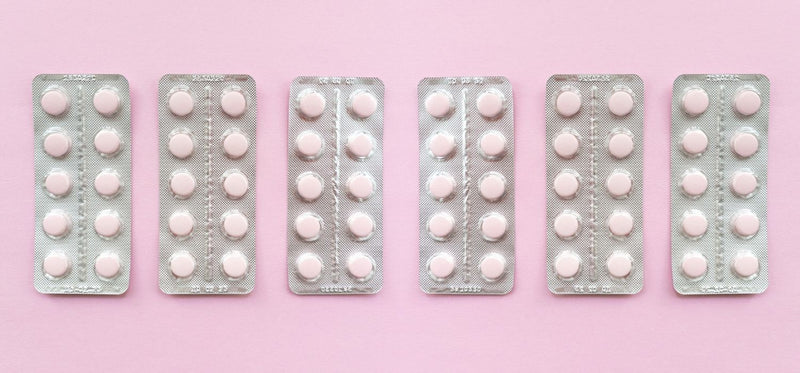
While Fluconazole doesn't flush out discharge, it disrupts the growth of Candida bacteria- the main cause for yeast infections. Learn more about how this antifungal works and tips on taking Fluconazole effectively.
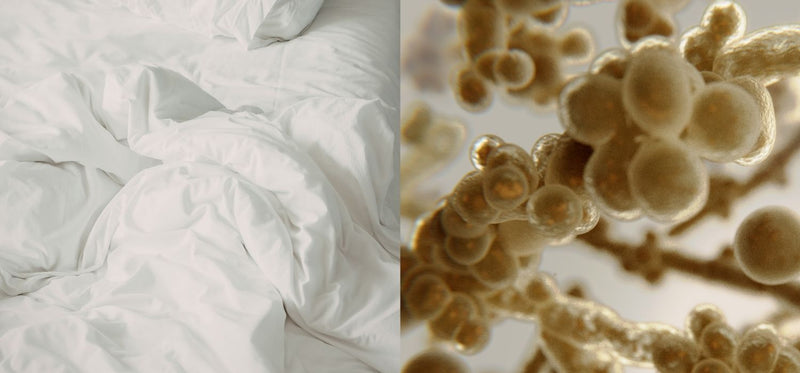
Find out why it's better to wait to have sex, if you have an active yeast infection.

Learn how to recognize the differences between bacterial vaginosis (BV) and trichomoniasis (trich), how yeast infections may mimic their symptoms, and what you can do about it.

While yeast infections don’t directly delay periods, recurrent infections can cause inflammation that may affect menstrual regularity.
FREE Premium Gua Sha with your first subscription
FREE with your Subscription:

Your gift today - Premium Gua Sha Subscribe and claim a FREE Premium Gua Sha on us! This limited edition gift is made from 100% stainless steel, with a custom leather sleeve. Limited quantity, available only while supplies last!