



- Fact Checked
- April 21, 2026
- 13 min read
Ovarian Support After Hysterectomy: What Your Body Needs to Thrive

-
Written by
Hans Graubard
• Updated on June 17, 2026

Dietary supplement manufacturing, regulatory and product development, and DTCt; leadership experience...
- Updated on June 17, 2026
Table of Contents
Table of Contents
If you've had a hysterectomy or are preparing for one, you probably have a lot of questions about what comes next. How will your body change? What symptoms should you expect? And if your ovaries are still intact, do they keep working the way they did before?
Firstly, remember that your doctor expects and has answers to all these questions, and these answers will be tailored to your specific case and health history, because they depend more on the type of hysterectomy you had than most people realize.
That being said, let this serve as a first step in having the important conversation and learning how to take good care of your hormonal health after surgery.
This post is for informational purposes only and does not constitute medical advice. See full disclaimer below.
Types of Hysterectomy and What They Mean for Your Hormones

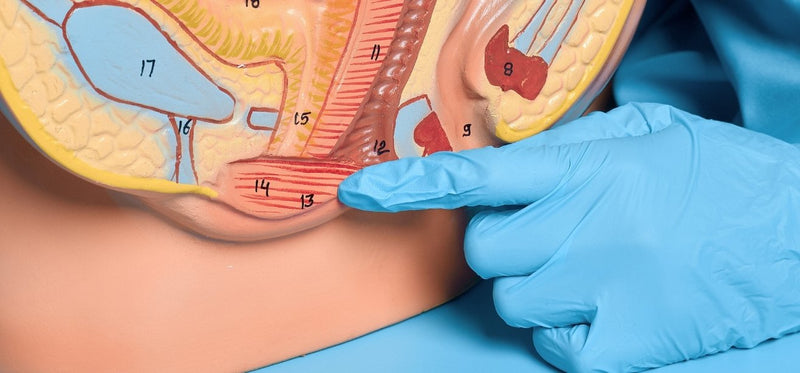
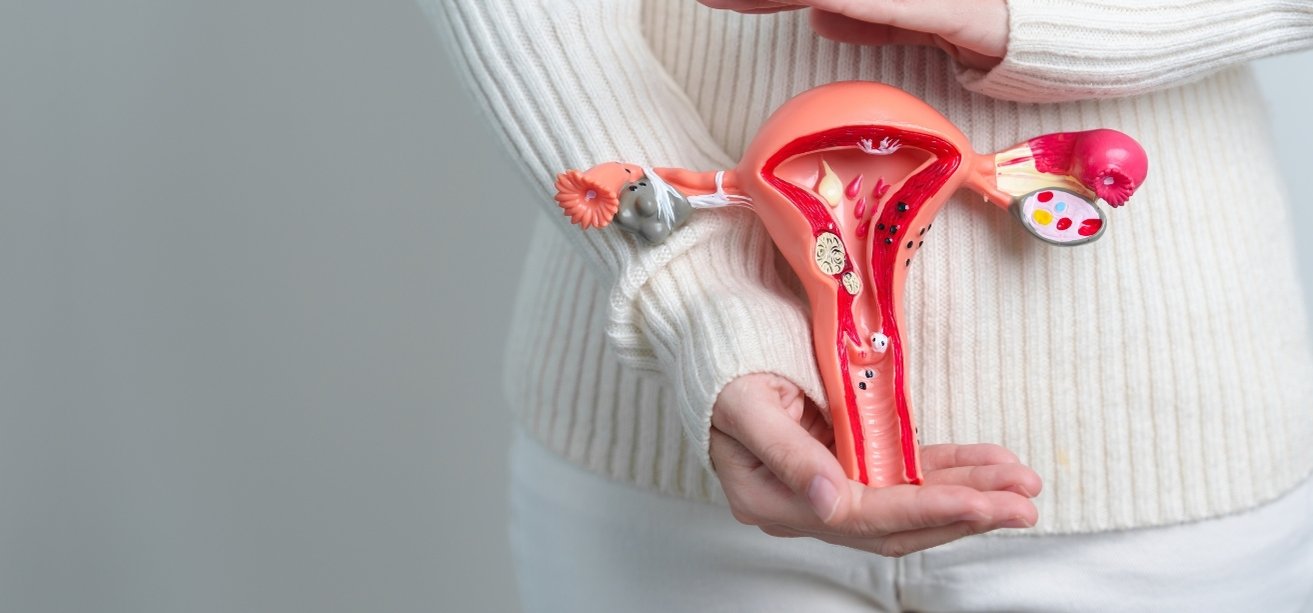
Having a hysterectomy (a surgery that removes the uterus) doesn’t look the same for every person.1 The procedure varies significantly based on which structures are removed, and each type carries different implications for your hormonal health, both immediately after surgery and over the long term.
There are three types of hysterectomy: a partial hysterectomy, a total hysterectomy, and a radical hysterectomy.
- A partial hysterectomy (also called a subtotal or supracervical hysterectomy) removes the uterus but leaves the cervix in place.
- A total hysterectomy removes both the uterus and cervix, and is also the most common type performed in the United States.
- A radical hysterectomy removes the uterus, cervix, upper portion of the vagina, and often nearby lymph nodes. It's typically reserved for cases of cervical or uterine cancer.
Beyond the uterus itself, the procedure may also involve removal of the fallopian tubes (called a salpingectomy), the ovaries (called an oophorectomy), or both.2 When both ovaries are removed alongside the uterus, this is called a bilateral salpingo-oophorectomy. This is often performed in cases of ovarian cancer risk, severe endometriosis, uterine fibroids, or as a preventive measure in women with BRCA gene mutations.
Why are we giving you all these complicated names and terminologies? Because it matters! Whether or not your ovaries are removed is the single biggest hormonal variable of the entire surgery.3 The uterus plays a critical role in reproduction, but it's not a hormone-producing organ. The ovaries are. When they stay, your endocrine system has the tools to keep functioning. When they go, the hormonal landscape changes almost immediately and significantly.
Even in cases where the ovaries are preserved, the type of hysterectomy matters.4 A total hysterectomy may affect blood supply to the ovaries differently than a supracervical hysterectomy, and the extent of surgical disruption to surrounding tissue can influence how well the ovaries continue to function post-operatively.
If you have not yet had surgery, these are conversations your doctor will hopefully have with you, but if not, you can and should push for specifics about what exactly is being removed and how it will affect your recovery.5
How Hormones Change After a Hysterectomy
Again, the removal of the uterus is not what prompts hormonal change post-surgery; it’s the potential removal of the ovaries along with it.6
Your ovaries are the primary source of three key hormones: estrogen, progesterone, and testosterone.7 Together, these ovarian hormones regulate far more than just your reproductive cycle. They influence your bones, heart, brain, skin, mood, metabolism, and more. When ovarian hormone production is disrupted or eliminated, the effects are felt throughout the entire body.
When the Ovaries Are Removed

When the ovaries are removed during surgery, estrogen levels drop sharply and quickly, often within 24 to 48 hours of surgery.8 This is called surgical menopause, and unlike natural menopause, which unfolds gradually over years), it happens abruptly. Progesterone production also halts. Testosterone, produced in smaller amounts by the ovaries and adrenal glands, may decline as well, affecting energy, libido, and muscle tone.
When the Ovaries Are Preserved
When the ovaries are preserved, either partially or completely, the hormonal picture is a little more complicated.
Many women assume that keeping their ovaries means keeping their hormones intact, and while that's largely true in the short term, it's not the whole story. Research suggests that a hysterectomy can disrupt the blood supply to the ovaries, even when they aren't removed.9 This disruption may reduce ovarian hormone output over time and has been associated with earlier onset of menopause, sometimes by as much as three to four years, compared to women who haven't had a hysterectomy. So, yes, the ovaries are still there, but they may not be functioning at full capacity, and this has side effects.
It's also worth understanding the role of the adrenal glands in this picture. Located just above the kidneys, the adrenal glands produce small amounts of estrogen precursors and testosterone even after the ovaries are removed.10 For some women, adrenal hormone production provides a sort of hormonal buffer post-surgery, but it can't fully replace what the ovaries were producing long-term, particularly after bilateral oophorectomy. Chronic stress places additional strain on the adrenal glands, which is one reason stress management becomes especially important for hormonal health after a hysterectomy.
Basically, while the ovaries are the hormonal start, the broader endocrine system (or the network of glands and organs that produce and regulate hormones throughout the body) is deeply interconnected.11 A shift in one area sends ripple effects across the system. Changes in estrogen levels, for example, can affect thyroid function, insulin sensitivity, and cortisol regulation. Hormone imbalance after hysterectomy isn't just about reproductive hormones, but a whole-body recalibration.
Symptoms and Health Effects Post-Hysterectomy

As you might imagine, based on everything we’ve said thus far, the symptoms that follow a hysterectomy vary depending on the type of surgery, whether the ovaries were removed, your age at the time of surgery, and your hormonal baseline going in. But there are common experiences worth knowing about. Some are immediate, some that develop over time.
The most common symptoms women experience post-hysterectomy include:
Hot Flashes and Night Sweats
These are among the most frequently reported symptoms, particularly after oophorectomy. These occur when fluctuating or declining estrogen levels mess with the body's temperature regulation.12
In surgical menopause, these hot flashes and night sweats can be more intense and more sudden than those associated with natural perimenopause, precisely because the hormonal shift happens so quickly rather than gradually.13
Vaginal Dryness
Vaginal dryness is another common post-hysterectomy complaint.14 That’s because estrogen plays a key role in maintaining the health and moisture of vaginal tissue. As estrogen levels decline, vaginal tissue can thin, become less elastic, and produce less natural lubrication, leading to discomfort, painful intercourse, and an increased susceptibility to urinary tract infections. This particular constellation of symptoms is sometimes referred to as genitourinary syndrome of menopause (GSM) and can persist long after surgery if not addressed.
Mood Changes
Mood changes are widely reported and often underestimated. Estrogen and progesterone both influence neurotransmitter activity, including serotonin and dopamine (aka the chemicals most closely associated with mood and emotional regulation). Hormone imbalance after hysterectomy can contribute to irritability, anxiety, low mood, and disrupted sleep. For some women, these mood shifts are mild and temporary; for others, they're significant enough to affect daily functioning and relationships.15
Remember, your mental health matters. If you notice your mood is affecting your daily life, reach out to your doctor. You aren’t the first person to experience these symptoms, and they can direct you to resources that can help.
Cognitive Changes
Cognitive changes are less often discussed but worth taking seriously.16 Symptoms like brain fog and forgetfulness are easy to laugh off or attribute to something else, but they are often linked to post-hysterectomy changes in your body.
Estrogen has neuroprotective properties and plays a role in memory, focus, and cognitive processing speed.17 Some research has linked early surgical menopause, particularly oophorectomy before the age of natural menopause, to an increased risk of cognitive impairment and dementia later in life. This doesn't mean every woman who has a hysterectomy will experience cognitive decline, but it underscores why proactive hormonal support matters beyond just symptom relief.
Skin Changes
Skin changes can also occur as estrogen levels fall. Estrogen supports collagen production and skin hydration. Declining levels may contribute to dryness, reduced elasticity, and accelerated skin aging.18
Bone Health
Bone health is something worth knowing and being proactive about. Estrogen regulates bone resorption, or the process by which the body breaks down old bone tissue. When estrogen levels drop, bone resorption can outpace bone formation, gradually reducing bone density over time. This raises the risk of osteoporosis, especially in women who undergo oophorectomy before natural menopause. Premenopausal women who lose their ovaries surgically are at significantly higher risk for osteoporosis and fracture compared to women who reach menopause naturally, because they lose estrogen's protective effect on bones earlier and for a longer period of time.19
Cardiovascular Health
Like bone health, cardiovascular health is another long-term consideration following surgery.20 Estrogen actually has a cardioprotective effect, helping to maintain healthy cholesterol levels and arterial flexibility. Women who undergo surgical menopause before the natural age of menopause lose this protection earlier, which is associated with a higher risk of heart disease over time.
Adrenal Fatigue
Adrenal fatigue is sometimes reported by women post-hysterectomy, particularly those who underwent oophorectomy.21 This involves ongoing fatigue or exhaustion, difficulty managing stress, and disrupted sleep. When the ovaries are removed and the adrenal glands are left to compensate for the loss of ovarian hormone production, the added demand can tax the system, leading to symptoms.
Hormone Balancing Strategies After Hysterectomy
Managing hormonal health after a hysterectomy is not a one-size-fits-all plan.22 The right approach depends on your age, symptoms, type of surgery, and personal health history, including any risk factors for breast cancer, blood clots, or heart disease.
That being said, here's an overview of the main strategies to discuss with your doctor. Your individual plan may involve one or, in many cases, many of these strategies.
Hormone Replacement Therapy (HRT)

Hormone replacement therapy is one of the most effective tools available for managing surgical menopause.23 Estrogen therapy can significantly reduce hot flashes and night sweats, prevent vaginal dryness, protect bone density, and support cardiovascular health.
It can also be more straightforward than HRT associated with traditional menopause.24 Because the uterus has been removed, progesterone isn't typically required to protect the uterine lining, which simplifies the HRT picture for many post-hysterectomy women.
HRT comes in various forms, from pills to patches, gels, creams, and vaginal rings. The right delivery method for you depends on your symptoms but also your preferences.25 Side effects and risks vary by individual, and estrogen therapy isn't appropriate for everyone, including some women with a history of breast cancer, blood clots, or certain cardiovascular conditions. Always have a thorough discussion with your OB-GYN or gynecologist before starting HRT.
Bioidentical Hormone Replacement Therapy (BHRT)
Bioidentical hormones are chemically identical to the hormones your body makes on its own, as opposed to synthetic hormones of traditional HRT, which have a slightly different structure.26 The idea behind BHRT is that because the hormones are such a close match, your body may recognize and process them more naturally.
BHRT comes in two main forms. There are FDA-approved versions that come in standard doses, much like conventional HRT, and there are compounded versions, which are custom-mixed by a pharmacist based on your specific hormone levels and symptoms, so the dosing is tailored to you rather than one-size-fits-all. The tradeoff is that compounded preparations haven't been studied as extensively as their FDA-approved counterparts, so if you go this route, it's important to work with a provider who will monitor your levels regularly and adjust as needed.
The bottom line on HRT vs. BHRT: both can be effective, and the best choice depends on your individual health history, symptoms, and what your provider recommends.
Hormone balancing after hysterectomy isn't something to navigate alone and what works well for one woman may not be the right fit for another.
Plant Hormones and Natural Support

For women who can't or prefer not to use hormone therapy, plant-based approaches can offer meaningful support.27 Plant hormones, or phytoestrogens, are naturally occurring compounds found in foods like soy, flaxseed, red clover, and certain herbs that can bind to estrogen receptors in the body and exert mild estrogenic effects. While they're not a direct replacement for estrogen, phytoestrogens can help ease menopausal symptoms for some women and may offer mild protective effects on bone and cardiovascular health.
Herbal botanicals are another tool in the natural support toolkit. Ashwagandha supports adrenal and hormonal balance, which is helpful given the extra demands placed on the adrenal glands post-hysterectomy.28 Vitex (also called chasteberry) has traditionally been used to support hormonal balance, and maca root is commonly included in integrative approaches for energy and libido. These ingredients work best as part of a broader strategy rather than standalone solutions, and they are all included in Happy V’s Ovarian Support.
Formulated for women navigating the hormonal shifts that come with perimenopause, surgical recovery, PCOS, or general ovarian health maintenance, Ovarian Support brings together evidence-backed botanicals and nutrients designed to support healthy ovarian function and hormonal balance, without a prescription.29 If you're looking for a place to start with natural ovarian support, it's a doctor-formulated daily option worth considering.
 New
NewOvarian Support
Promotes cycle regularity, hormone balance, and reproductive wellness.
Lifestyle Modifications
Lifestyle factors are foundational to hormonal health after a hysterectomy, regardless of what medical or supplemental path you choose.
Weight-bearing exercises like walking, running, and resistance training are one of the most evidence-backed tools for maintaining bone density as estrogen levels decline. Aim for consistency over intensity. Regular movement matters more than occasional intense sessions.
Nutrition also plays an important supporting role. Calcium and vitamin D are essential for bone health and become especially important post-hysterectomy. A diet rich in leafy greens, dairy or fortified alternatives, fatty fish, and legumes provides a strong nutritional foundation. Limiting alcohol and avoiding smoking are also important, as both accelerate bone loss and worsen menopausal symptoms.
Stress management is also non-optional. It’s not a “nice to have” but an important part of recovery and hormone management post-op. Chronic stress elevates cortisol, which can suppress other hormone production and further strain the adrenal glands. Practices like yoga, meditation, adequate sleep, and social connection aren't just good for mental health; they're genuinely supportive of hormonal balance.
The Bottom Line
A hysterectomy is a major surgery, and the hormonal changes that follow depend heavily on which structures were removed and which weren't. Whether you're navigating surgical menopause after bilateral oophorectomy or more subtle hormonal shifts with preserved ovaries, the downstream effects on your bones, brain, mood, cardiovascular health, and quality of life are real and worth addressing proactively.
The good news is that you have options. Medical therapies, lifestyle habits, and targeted supplementation can all help you feel well after surgery. Start with an honest conversation with your OB-GYN about your specific hormonal picture, and build your approach from there.
Keep the Conversation Going
- Visit our blog for more women's health tips.
- Join our private Happy V Facebook group to hear from others who've been there.
- Explore supplements designed to support your vaginal health journey.
Disclaimer: This blog is for informational and educational purposes only and is not intended to diagnose, treat, cure, or prevent any disease. Statements about supplements have not been evaluated by the Food and Drug Administration. For more information about vaginal infections, visit the CDC or speak to a licensed healthcare provider.