

- Fact Checked
- May 20, 2026
- 14 min read
Irregular Bowel Movements? Try These 8 Natural Remedies for Constipation

- Written by Lenia Lopez • Updated on May 27, 2026
- Updated on May 27, 2026

Table of Contents
Table of Contents
Let’s be real: nobody really wants to share the details of their daily bowel movements. But the reality is that irregular digestion is one of the most common gastrointestinal complaints in the world, and women are disproportionately affected.
Whether it's constipation that comes and goes, bloating that won't quit, or a bowel habit that's shifted without explanation, these aren’t just annoyances or embarrassments; they’re legitimate health concerns that deserve real answers.
This guide is designed to do exactly that: give you the answers you need to find relief. We’ll cover what "normal" actually looks like when it comes to bowel movements, why your digestion may be struggling, and share evidence-backed natural remedies to help you feel more comfortable and regular again.
This post is for informational purposes only and does not constitute medical advice. See full disclaimer below.
What Counts as "Regular" Bowel Movements
The truth is, there’s no one right answer when it comes to how many bowel movements you should be having a day.
It’s easy to think that “regular” means once a day, but according to gastroenterology guidelines, anything from three times a day to three times a week falls within a healthy range, as long as stools are soft, well-formed, and passed without straining.1 A 2007 study on female bowel habits found that only about half of women reported one daily bowel movement, confirming that "normal" varies widely from person to person.
What matters most is consistency. Every person has their own “pattern,” so to speak. If your pattern has shifted noticeably, or if you're regularly experiencing bloating, discomfort, or incomplete evacuation, your body is signaling that something needs attention.2
Why Your Bowel Movements May Be Off
Irregular bowel movements rarely have a single cause. For many women, a combination of dietary, hormonal, and lifestyle factors can quietly disrupt digestive regularity over time.3 Here are the most common contributors:
- Diet and Hydration Gaps. A low-fiber diet is one of the most common contributors to sluggish bowel movements. Most adults fall well short of the recommended 25 to 30 grams of fiber per day, and without enough bulk, stool moves more slowly through the colon.4 Inadequate water intake further compounds the issue. When your body is dehydrated, the colon absorbs more fluid from stool, making it harder and more difficult to pass.
- Hormones and Your Cycle. If you've ever noticed your bowel movements change around your period, pregnancy, or perimenopause, hormones are likely playing a role.5 Rising progesterone in the second half of the menstrual cycle can slow gut motility, while the prostaglandin surge just before menstruation may have the opposite effect. These fluctuations are completely normal and affect most women to some degree.
- Stress and the Gut-Brain Connection. Your gut and brain communicate constantly through a network known as the gut-brain axis.6 When you're under chronic stress, this communication can slow or speed up digestion, leading to constipation, diarrhea, or an unpredictable mix of both. It’s further proof that anxiety and emotional tension don't just live in your head, but directly influence how your digestive tract moves and processes food.
- Physical Inactivity. A sedentary lifestyle can slow peristalsis, the wave-like muscle contractions that move stool through your intestines.7 Research has shown that periods of prolonged inactivity are associated with new-onset constipation, even in people who previously had regular bowel movements.
8 Natural Ways to Get Your Bowel Movements Back on Track
Because constipation rarely has a single cause, the most effective approach is actually a combination of approaches that address multiple factors at once.
Despite what many believe, restoring regularity doesn't require harsh laxatives or drastic changes, just consistent attention to the right levers. These eight strategies are grounded in current research and designed to work together with your body's natural rhythms.
1. Increase Your Fiber Intake (Gradually!)
Fiber is the single most well-studied intervention for improving bowel movements. A 2022 meta-analysis of randomized controlled trials found that fiber supplementation significantly increased stool frequency and improved overall treatment response in adults with chronic constipation.8
There are actually 2 types of fiber, soluble and insoluble. And a strategy to combat constipation includes both. Here’s why:
- Soluble fiber dissolves in water to form a gel that softens stool and slows digestion. Good sources include oats, beans, lentils, flaxseed, citrus fruits, and psyllium husk (that last one is actually one of the most researched fiber supplements for constipation relief and is often available at health food stores and easy to mix into smoothies).
- Insoluble fiber adds bulk and helps stool move faster through the colon. Find it in whole grains, wheat bran, vegetables like broccoli, kale, and carrots, as well as nuts and seeds.
Just be sure to increase your intake gradually. Adding too much fiber too quickly can temporarily worsen bloating, and we know no one wants that!
2. Stay Consistently Hydrated
Water keeps stool soft and supports smooth transit through the digestive tract. The Institute of Medicine recommends that women aim for approximately 2.7 liters of total fluid per day from all sources, including plain water, food, and other beverages.9
If you're increasing your fiber intake, staying well hydrated becomes even more important, since fiber needs water to do its job.10 Plain water is a good go-to, but warm lemon water in the morning has a mild stimulating effect on digestion for some people.
Keep in mind that caffeine and alcoholic beverages can have a dehydrating effect and may worsen constipation if your water intake isn't keeping pace.
3. Move Your Body Daily
Regular physical activity stimulates the intestinal muscles responsible for moving stool forward. A 2019 systematic review and meta-analysis confirmed that exercise therapy significantly improved constipation symptoms in adults.11 You don't need intense workouts, either. Even a daily 20 to 30-minute walk, yoga session, or stretching routine can make a meaningful difference in bowel movement frequency and comfort.
Aerobic exercise and brisk walking are particularly effective for stimulating gut motility and supporting peristalsis.
4. Support Your Gut Microbiome
Your gut is home to trillions of microorganisms that play a direct role in digestion and regularity.12 When the gut microbiota is out of balance, constipation and bloating often follow.
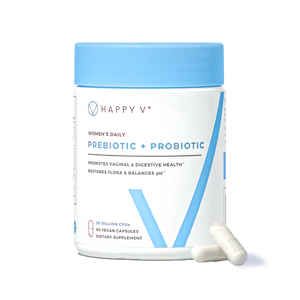
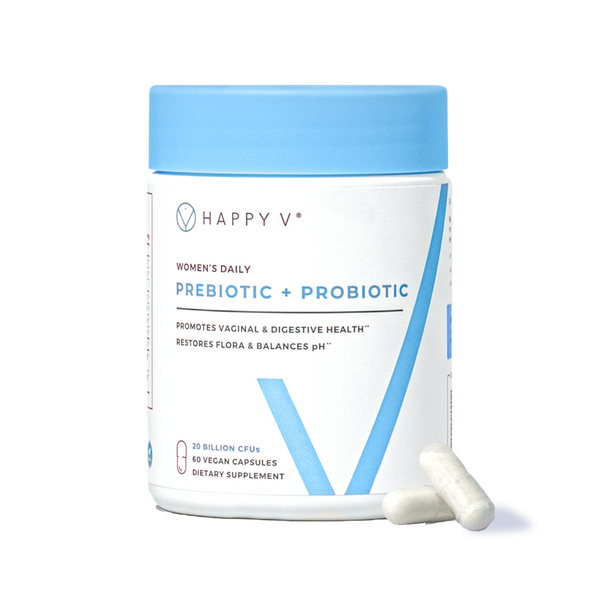
A systematic review and meta-analysis published in the American Journal of Clinical Nutrition found that probiotics significantly increased stool frequency and improved stool consistency in adults with constipation.13 Eating a diverse, fiber-rich diet with prebiotic foods (think garlic, onions, asparagus, and bananas) and fermented foods is a good start, but people with regular digestive issues may benefit from a targeted daily probiotic like Happy V Prebiotic + Probiotic, which contains contains seven clinically studied strains, including Lactobacillus rhamnosus HN001™ and Bifidobacterium lactis HN019™, that help support both gut regularity and vaginal health.
5. Manage Your Stress Levels
Because the gut-brain axis works in both directions, calming your nervous system can have a real effect on your bowel movements.14 Deep breathing, meditation, gentle yoga, journaling, time outdoors, and consistent sleep routines are all practical tools that help regulate the autonomic signals your brain sends to your digestive tract. Abdominal massage through gentle circular strokes following the path of the large intestine has also shown benefit for relieving constipation and reducing bloating in clinical studies. Even a few minutes of focused relaxation or self-massage daily can shift your digestion in the right direction.
6. Try Natural Laxatives and Herbal Support
While over-the-counter laxatives do exist, there are more natural, food and herbal-based remedies you can try first with solid research behind them. These include:
- Prunes and prune juice. Both contain sorbitol (a natural osmotic agent) and fiber, and have consistently outperformed other interventions in clinical trials for mild to moderate constipation.15
- Kiwifruit and raspberries. These fruits are among the most effective high-fiber foods for improving bowel movement frequency and stool consistency.16
- Psyllium husk. Psyllium husk acts as a gentle bulk-forming natural laxative and is one of the most well-tolerated fiber supplements for long-term use, and the NIH actually recognizes it as a first-line option for managing chronic constipation.17
- Magnesium-rich foods. Leafy greens, nuts, seeds, and legumes support healthy muscle contractions in the gut. Magnesium supplements (such as magnesium citrate or milk of magnesia) work as osmotic agents, drawing water into the colon to soften stool.18
- Stool softeners. Stool softeners are a gentle over-the-counter option for short-term relief when stool is hard and painful to pass, though they work best alongside adequate hydration and dietary fiber.19
- Senna. Senna is a stimulant laxative derived from natural plant ingredients that is widely used for short-term relief, though it is generally not recommended for long-term daily use.20
- Herbal teas. Teas made with ginger or peppermint may help ease digestive discomfort and support gut motility, especially when sipped warm after meals.21
Always check with your healthcare provider before starting any new supplement, even one that’s marketed as all natural and particularly if you take medications or have an underlying health condition.
7. Give Your Digestion Extra Enzyme Support
Sometimes sluggish bowel movements are less about what you eat and more about how efficiently your body breaks it down.22 When digestion is incomplete, food can sit longer in the gut and contribute to bloating, discomfort, and slower transit. Digestive enzymes help your body process proteins, fats, carbohydrates, and fiber so that food moves through your system more smoothly.
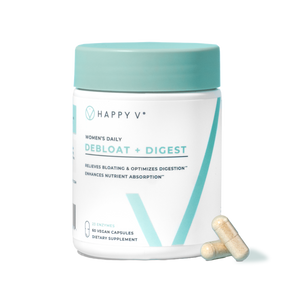
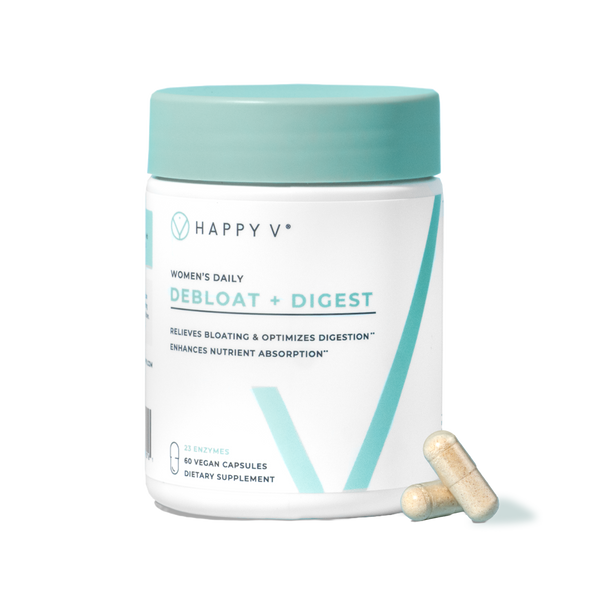
Happy V Debloat + Digest combines 23 clinically supported enzymes with ginger and peppermint extracts, natural ingredients with a long track record in digestive health, to help reduce bloating, support healthy digestion, and promote regularity.

Debloat + Digest
Reduces bloating and soothes constipation, by supporting healthy digestion and enhancing nutrient absorption
8. Build a Consistent Daily Routine
Your digestive system thrives on predictability. Eating meals at regular times, building in time for movement, and not ignoring the urge to go can all help retrain your bowel movements over time. Many gastroenterologists even recommend sitting on the toilet at the same time each morning (ideally after breakfast) to take advantage of the natural gastrocolic reflex that stimulates the colon after eating.22
A toilet stool (such as a Squatty Potty) can also make a meaningful difference. Elevating your feet to create a more natural squat position relaxes the puborectal muscle and straightens the anorectal angle, making it easier to pass stool without straining.
Best Foods for Constipation Relief (and What to Avoid)
Don’t think we forgot about diet! What you eat has a direct impact on how regularly your bowels move, and there’s a lot more to a digestion-supporting diet than just fiber.
These are the most effective natural foods for keeping things moving, along with what to cut back on when you're struggling.
Foods That Help Relieve Constipation
Foods with the most evidence behind them include:
- Prunes and prune juice. Not totally surprising, right? Prunes are one of the most well-researched natural food remedies for constipation. They contain both insoluble fiber and sorbitol (a naturally occurring sugar alcohol that draws water into the colon and acts as a mild osmotic laxative). Prune juice offers similar benefits and is especially useful when stool is hard and dry. Clinical studies have shown that eating about five prunes twice daily can meaningfully improve bowel movement frequency and stool consistency.
- Kiwi. Kiwi has emerged as a surprising standout in constipation research. It contains a unique combination of fiber and an enzyme called actinidin that accelerates gastric emptying and improves gut motility. Multiple clinical trials have shown that eating two kiwis per day improved stool frequency, reduced straining, and improved overall bowel habit in people with constipation.
- Oatmeal. Oatmeal is one of the richest sources of beta-glucan, a soluble fiber that absorbs water and forms a soft gel in the digestive tract, making stool easier to pass. A warm bowl of oatmeal in the morning is one of the simplest high-fiber foods you can add to a constipation-relieving routine, and it pairs well with other gut-friendly additions like flaxseed or raspberries.
- Lentils. Lentils pack both soluble and insoluble fiber into a small serving (about 15 grams of fiber per cooked cup), making them one of the most fiber-dense foods available. They also contain magnesium, which supports healthy muscle contractions in the gut. Add them to soups, salads, or grain bowls for an easy fiber boost.
- Black beans and chickpeas. Like lentils, black beans and chickpeas are legume powerhouses for digestive health. Black beans deliver around 15 grams of fiber per cup; chickpeas offer about 12. Both contain resistant starch that feeds beneficial gut bacteria, supporting a healthy microbiome alongside regularity. They're also among the most versatile high-fiber foods to work into everyday meals.
- Broccoli. Broccoli is a reliable insoluble fiber source that adds bulk to stool and helps speed transit through the colon. It also contains sulforaphane, a compound that may help protect the gut lining and support a balanced microbiome. Lightly steamed broccoli is easier on digestion than raw for those who are sensitive to gas.
- Kale. Kale delivers a solid dose of insoluble fiber along with magnesium, both of which support regular bowel movements. It's also high in water content, which contributes to overall hydration and stool softness. Add it to smoothies, soups, or sauté it as a simple side to get more fiber into your day.
- Carrots. Raw carrots are a good source of insoluble fiber, and their satisfying crunch makes them an easy snack to replace low-fiber processed options. Cooked carrots are gentler on a sensitive gut while still contributing meaningful fiber. Both forms support stool bulk and healthy transit time.
- Whole-grain bread and whole-wheat pasta. Swapping refined carbohydrates for whole-grain bread and whole-wheat pasta is one of the simplest dietary upgrades for digestive regularity. Whole grains retain their bran layer (aka the part richest in insoluble fiber) which refined white breads and pastas lose during processing. The NIH recommends prioritizing whole grains over refined grains for better digestive health. Aim for at least half your daily grain servings to come from whole grain sources.
- Raspberries. Raspberries are among the highest-fiber fruits available, delivering about 8 grams of fiber per cup, which is more than most other common fruits. That combination of soluble and insoluble fiber makes them an easy and delicious addition to oatmeal, yogurt, or smoothies when you're working to improve regularity.
Foods That May Worsen Constipation
Some foods actively work against regularity by slowing transit, displacing fiber, or reducing hydration include:
- Refined grains and white bread. Stripped of their fiber-rich bran, these add bulk without the digestive benefit of whole-grain bread or whole-wheat pasta
- Processed and fast food. These are high in fat and sodium, low in fiber, and tend to replace the high-fiber foods that keep your bowels moving
- Red meat. Red meat contains no fiber and is high in fat, which slows gastric emptying and transit time
- Dairy products in excess. Some people find that large amounts of cheese or milk slow their digestion; this varies individually
- Fried foods. High fat content slows the digestive process and delays gastric emptying
When to See a Doctor
In most cases, people see a difference in their constipation within a few weeks of making these lifestyle changes, but some symptoms are worth getting checked sooner rather than later.
Talk to your healthcare provider if you experience:
- Blood in your stool or rectal bleeding, which could indicate hemorrhoids, fissures, or in some cases, more serious conditions
- Unexplained weight loss alongside changes in bowel habits
- Severe or persistent abdominal pain
- Constipation lasting more than three weeks that doesn't respond to dietary changes
- Alternating constipation and diarrhea, which may suggest irritable bowel syndrome or another underlying condition
- Feeling of incomplete evacuation that becomes chronic or worsening
If a gastroenterologist suspects something beyond functional constipation, they may recommend diagnostic tests such as a colonoscopy, anorectal manometry, or colonic transit study to evaluate for conditions like outlet obstruction, colonic inertia, or fecal impaction.23 These are less common but worth ruling out if standard interventions haven't helped.
The Bottom Line
Irregular bowel movements are incredibly common, but they don't have to be something you simply live with, especially if they’re causing you physical discomfort.24 By gradually increasing fiber through high-fiber foods and smart supplementation, drinking plenty of water, moving daily, supporting your gut microbiome, and managing stress, you can improve your digestive health and restore your bowel habit naturally. If symptoms persist or include any red-flag signs, don't wait. Your healthcare provider is the right next step.
Keep the Conversation Going
- Visit our blog for more women's health tips.
- Join our private Happy V Facebook group to hear from others who've been there.
- Explore supplements designed to support your vaginal health journey.
Disclaimer: This blog is for informational and educational purposes only and is not intended to diagnose, treat, cure, or prevent any disease. Statements about supplements have not been evaluated by the Food and Drug Administration. For more information about vaginal infections, visit the CDC or speak to a licensed healthcare provider.