

- Fact Checked
- February 24, 2026
- 15 min read
How to Naturally Balance Vaginal pH at Every Life Stage

-
Written by
Hans Graubard
• Updated on May 02, 2026

Dietary supplement manufacturing, regulatory and product development, and DTCt; leadership experience...
- Updated on May 02, 2026
Table of Contents
Table of Contents
Your vagina is an ecosystem. And like any ecosystem, there are certain conditions that must be met that help it stay healthy and balanced. Get the conditions right, and your vagina largely takes care of itself. Let them drift, and… well… you start to feel it. Think: recurring yeast infections, BV that won't quit, and general (and generally annoying) irritation.
Most women don't think about vaginal pH until something's already wrong. And even then, the advice they get is usually reactive: here's an antibiotic, here's some cream, come back if it happens again. What's missing from that conversation is the bigger picture: what your pH is, why imbalance keeps happening, and what you can actually do to support your vaginal health before it becomes a problem you need to treat. That's what this post is about. We’ll dive deep into what's actually driving your vaginal pH off course at every life stage and the natural, practical ways to bring it back.
This post is for informational purposes only and does not constitute medical advice. See full disclaimer below.
What Is Vaginal pH and Why Does It Matter?

Vaginal pH is a little number that tells you a whole lot about your overall vaginal health1.
Generally, the pH scale runs from 0 to 14, with 0 being incredibly acidic and 14 being super alkaline or basic. A healthy vaginal pH sits between 3.8 and 4.5, making it slightly acidic. That acidity isn't arbitrary, either. It's your body's first line of defense against harmful bacteria, yeast overgrowth, and vaginal infections like bacterial vaginosis.
The key players maintaining that acidic environment are Lactobacillus bacteria (aka the dominant species in a healthy vaginal microbiota)2. Lactobacillus produces lactic acid, which keeps your vaginal pH levels low and your vaginal ecosystem in balance. When Lactobacillus populations drop (for reasons we’ll get into later), pH rises, and the door opens for bad bacteria like Gardnerella vaginalis and Atopobium vaginae to move in.
The result is vaginal dysbiosis, or an imbalance in your vaginal flora that can lead to bacterial vaginosis (BV), yeast infections, UTIs, and a whole cascade of symptoms that affect your comfort, your sexual health, and your overall health.
Signs Your Vaginal pH Might Be Off
Imbalances typically fly under the radar until they lead to a full-blown infection of some kind. Common symptoms of these imbalance-driven infections include:
-
Foul odor or a fishy smell, especially after sex, which many people try to manage with home remedies for fishy odor
- Off-color vaginal discharge (gray, yellow, or green)
- Thinner consistency of discharge than usual
- Itchiness or irritation in the vaginal area
- Burning sensation during urination
- Discomfort during sex
- Vaginal dryness
While you can test your vaginal pH at home using over-the-counter test strips, these strips will not tell you what infection is causing the symptoms3. For that, the best place to turn is your healthcare provider. They can access your symptoms and perform the right test to confirm what’s going on and get you started on the right treatment.
Causes of Vaginal pH Imbalance

Your vagina is pretty resilient, but it's also pretty complex. Vaginal pH rarely gets knocked off balance by a single thing4. More often, it's a combination of factors chipping away at your Lactobacillus populations until there simply aren't enough of them left to keep your vaginal pH levels in a healthy range.
The most common culprits for vaginal pH imbalance include:
Sexual Activity and Semen
Semen has a pH of around 7.2–8.0, which is considerably more alkaline than your vaginal environment5. It’s job is actually to create a temporary rise in vaginal pH after intercourse that makes it easier for sperm to swim and survive long enough to reach the egg. But that same alkaline window gives harmful bacteria a foothold too, which is one reason why vaginal infections like BV are more common in women who have unprotected sex, and why some women notice symptoms flare in the days following sex.
Antibiotics
Antibiotics are often necessary to clear an infection, and in some cases, they’re even genuinely life-saving6. But the thing is, they don't discriminate between harmful and helpful bacteria. A single course of antibiotics not only kills infection-causing bacteria but can significantly deplete your Lactobacillus populations, leaving your vaginal microbiome vulnerable to dysbiosis long after the original infection has cleared. If you've noticed a yeast infection or BV cropping up after antibiotics, this is exactly why.
Hormonal Changes

Estrogen plays a direct role in maintaining Lactobacillus dominance in the vaginal microbiota7. When estrogen levels drop, the vaginal walls thin, Lactobacillus activity decreases, and vaginal pH rises. This happens at multiple points across a woman's life: during the luteal phase of the menstrual cycle, postpartum, during breastfeeding, and most significantly and persistently during perimenopause and menopause.
Hygiene Products
Douching, scented soaps, and fragranced vaginal washes are among the most common and most avoidable causes of vaginal pH disruption8. The vagina is self-cleaning. It doesn't need help from specialty products, and introducing chemically fragranced products into or around it actively undermines the acidic environment your Lactobacillus bacteria work to maintain.
Menstruation
Menstrual blood has a higher pH than your vaginal environment, which means your period creates a monthly window of pH elevation. For women already prone to vaginal infections, this fluctuation is often what tips the balance. Using scented tampons or pads compounds the problem (see above!), as does not changing feminine products frequently enough, as this keeps the blood in contact with the vaginal walls longer9.
Vaginal pH Across Life Stages
Your vaginal pH doesn't stay static across your lifetime (or even across your menstrual cycle!). It shifts in response to your hormones.
Each of these stages comes with its own triggers and, for that reason, often comes with its own unique ways to support vaginal health. Here’s what to expect more generally at each life stage.
Reproductive Years
During your reproductive years (think: first period until menopause), estrogen production is relatively stable, which means your Lactobacillus populations tend to be robust and your vaginal pH naturally stays in a healthy range10. That said, your menstrual cycle still creates monthly fluctuations. In the days around your period, rising pH can make you more vulnerable to BV or yeast infections, especially if you're using scented tampons or pads, which can irritate vaginal tissue and disrupt vaginal flora.
This is also the life stage where sexual activity, birth control, and antibiotic use most commonly trigger pH disruption. Using condoms, choosing unscented menstrual products, and supporting your vaginal microbiome with a daily probiotic are the most effective protective habits you can build now.
Perimenopause and Menopause
As estrogen begins to decline during perimenopause, the vaginal walls thin, Lactobacillus populations drop, and vaginal pH naturally rises (often above 5.0)11. This shift is behind many of the vaginal symptoms associated with menopause, like dryness, irritation, discomfort during sex, and an uptick in vaginal infections.
The pH changes of menopause are gradual but significant, and they typically don't self-correct without support. A combination of vaginal probiotics, dietary shifts, and (for some women) medical intervention like hormone therapy is often the most effective approach.
Postmenopause
In the postmenopausal years, low estrogen becomes the new baseline12. Vaginal pH typically stabilizes at around 5.0 or above, and the vaginal environment becomes permanently less acidic without active support. This means the risk of BV, vaginitis, and UTIs remains elevated, and the protective Lactobacillus dominance that characterized earlier life stages requires more intentional maintenance.
Women in this stage often benefit most from a combination of targeted probiotic supplementation, dietary support, and regular check-ins with their gynecologist to monitor vaginal health as part of their overall health routine.
Breastfeeding and Postpartum
The postpartum period is one of the most hormonally turbulent times in a woman's life, and one of the least-discussed when it comes to vaginal health13. Breastfeeding suppresses estrogen in a way that closely mimics menopause, which means lower Lactobacillus activity, elevated vaginal pH, vaginal dryness, and a higher risk of vaginal infections (often at the exact moment you're least equipped to deal with them).
This is temporary, but it's real. Staying hydrated, supporting your gut and vaginal microbiome with probiotics, and using pH-balanced, fragrance-free products during this period can help your body bridge the gap until hormone levels stabilize.
Diet and Nutrition for Vaginal pH Balance
While certain life stages have certain considerations when it comes to vaginal health, there are ways to support your vaginal health that span a lifetime, with diet and nutrition being one of them14. If balancing your pH and strengthening your microbiome are a top priority, consider these evidence-based shift:
Load Up on Bacteria-Rich and Prebiotic Foods
Foods rich in live bacteria, like Greek yogurt, kefir, kimchi, sauerkraut, and other fermented foods, introduce beneficial bacteria into your gut, which communicates with your vaginal microbiota through what's known as the gut-vaginal axis15.
Prebiotic foods like garlic, onions, bananas, and asparagus support the growth of those beneficial bacteria and help them thrive.
Prioritize Healthy Fats and Nutrient-Dense Foods
Healthy fats from avocados, nuts, and fatty fish support the integrity of vaginal tissue and help maintain a balanced hormonal environment. Dark leafy greens are rich in folate and antioxidants that support overall vaginal health. Vitamin C-rich foods like citrus foods may help maintain vaginal acidity directly, since ascorbic acid can contribute to a lower vaginal pH16.
Cut Back on Sugar and Processed Foods
High-sugar foods and processed foods can actually feed the harmful bacteria and yeast that thrive in a high-pH vaginal environment, creating further imbalance17. A low-glycemic diet (think: whole-food based) is consistently associated with better vaginal microbiome diversity and fewer recurrent infections.
Consider Soy Products
Soy products are rich in phytoestrogens, which can gently support estrogen levels during perimenopause and postmenopause, potentially helping maintain the Lactobacillus-friendly environment that lower estrogen undermines18. Good sources of soy include tofu, tempeh, edamame, soy milk, and miso. If you're not a fan of soy-based foods, isoflavone supplements are a convenient alternative, just look for ones standardized to genistein or daidzein, which are the phytoestrogens with the most research behind them.
Increase Hydration
Hydration supports every mucous membrane in your body, including your vaginal walls. Staying well-hydrated won't fix a significant pH imbalance on its own, but chronic dehydration can worsen vaginal dryness and compromise the vaginal environment in ways that make imbalance more likely19.
Supplements for Restoring Vaginal pH Balance
Food, hydration, and lifestyle habits lay the foundation, but sometimes your body needs more targeted support20. This is where supplements can come in handy, but only if they are evidence-based.
Probiotic Supplements
While increasing your intake of bacteria-rich foods can be helpful, when it comes to restoring vaginal pH balance, a targeted vaginal probiotic supplement is usually the more reliable route21. But not all probiotic supplements are created equal, and strain selection matters more than most labels let on. Taking a generic probiotic won't necessarily move the needle on your vaginal pH. The research is strain-specific, and you need strains that have been clinically studied for vaginal health outcomes specifically.
 Bestseller
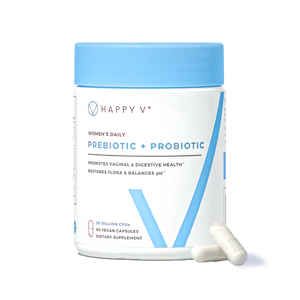
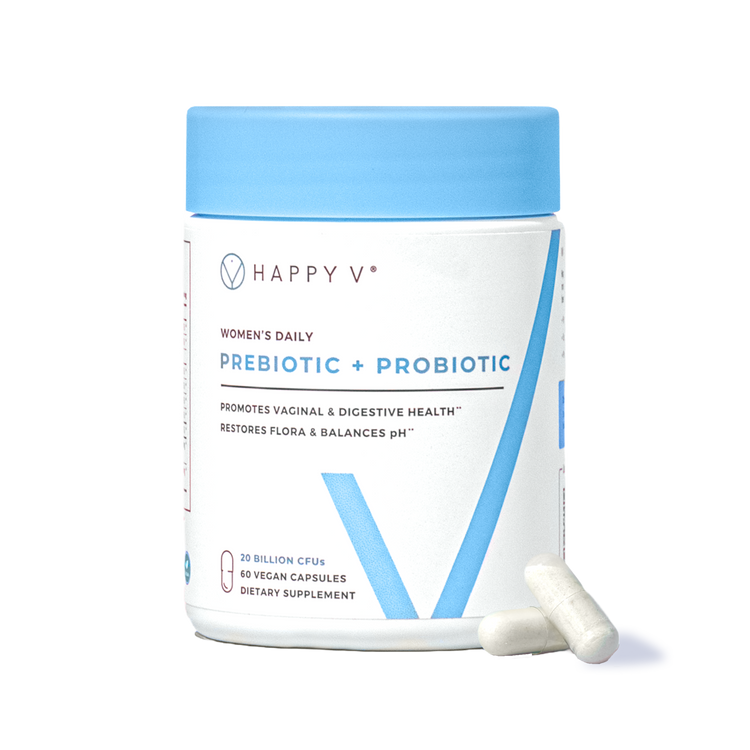
Prebiotic + Probiotic
Maintains vaginal pH and restores gut health.
Happy V's Prebiotic + Probiotic was formulated with exactly that in mind. It contains seven strains with strong clinical research behind them, including the four most important for vaginal pH balance:
- L. crispatus (CCFM1110™): the dominant species in a healthy vaginal microbiome, known for producing both lactic acid and hydrogen peroxide to maintain an acidic vaginal environment and inhibit BV-associated bacteria
- L. rhamnosus (HN001™): shown in clinical trials to reduce the risk of vaginal infections and support Lactobacillus dominance
- L. gasseri (HLG13™): studied for its role in stabilizing the vaginal microbiota and blocking harmful bacterial adhesion to vaginal walls
- L. acidophilus (LA-14®): supports vaginal pH maintenance and immune health
The formula also includes a prebiotic component to feed those strains so they actually survive and colonize rather than just passing through. In preclinical testing, Happy V's blend demonstrated direct activity against Gardnerella vaginalis (the pathogen most commonly linked to BV). It's plant-based, free from artificial fillers, and designed for daily use as a long-term foundation for vaginal health, not just a reactive fix after something goes wrong.
Vitamin C
Vitamin C is naturally acidic, which means oral supplementation may help support vaginal acidity by contributing to a lower overall pH environment. There are also vaginal vitamin C supplements designed for more direct, localized pH support, but these aren't always recommended, as they can cause irritation in some women. Oral supplementation is the safer starting point, and either way, it's worth discussing with your healthcare provider before adding it to your routine22.
Garlic Tablets
Garlic has well-documented antifungal and antimicrobial properties, and garlic tablets are sometimes used as a natural complement to treating vaginal infections, particularly yeast23. To be clear: these should be taken orally as a dietary supplement, not inserted vaginally. Despite what some corners of the internet suggest, inserting garlic into the vagina is not recommended (like, really not!) and can introduce new bacteria and cause irritation. Oral garlic tablets, on the other hand, are generally considered safe and may offer systemic antimicrobial support while the evidence continues to build.
Wait... Why Not Boric Acid?
Boric acid suppositories are one of the most commonly recommended over-the-counter options for vaginal pH issues, and they can help with clearing up the symptoms of BV and yeast infections. The problem is that they work by directly acidifying the vaginal environment, which treats the symptom of high pH without addressing why your Lactobacillus populations dropped in the first place. Stop using them, and if the underlying microbiome imbalance hasn't been resolved, the infection comes back. For women dealing with recurrent BV or yeast infections, boric acid can become a crutch that provides short-term relief while the root cause goes unaddressed24.
Lifestyle and Hygiene Habits That Protect Your pH Balance

Your vaginal microbiome is constantly responding to its environment, and some of the most common hygiene habits women rely on are quietly working against them25. Here are the habits that are worth cultivating:
Skip Douching and Fragranced Products
Douching and fragranced vaginal washes are the single most disruptive things you can do to your vaginal microbiome, full stop26. They flush out Lactobacillus, raise pH, and leave you vulnerable to exactly the infections you're trying to prevent. The same goes for scented sanitary pads and scented tampons. None of these products are doing you any favors, regardless of what the marketing says. Opt for unscented, fragrance-free alternatives across the board.
Cleanse the Right Way
Your vagina is self-cleaning, so internal washing is never necessary and always counterproductive27. If you want to cleanse the vulva (that’s the outside part!), all you need is warm water and mild, unscented soap. That's it. Anything more is too much.
Choose the Right Fabrics
Cotton underwear and other natural breathable fabrics reduce moisture buildup in the vaginal area, which discourages the warm, damp conditions that harmful bacteria and yeast thrive in28. Going underwear-free at night takes that a step further and gives your vaginal area a chance to breathe. And don't overlook your laundry detergent, either. Switching to a hypoallergenic detergent can eliminate a surprisingly common source of irritation for women with sensitive skin.
Use Condoms
Condoms do double duty for vaginal pH. They reduce the alkalizing effect of semen on your vaginal environment and lower your risk of STIs, many of which disrupt vaginal flora and can trigger vaginitis29. They're one of the simplest, most effective protective habits you can maintain regardless of your life stage.
Practice Stress Management
This one catches women off guard, but chronic stress elevates cortisol, and elevated cortisol suppresses immune function and disrupts hormonal balance, both of which directly affect your vaginal microbiome30. Meditation, regular movement, and consistent sleep aren't just good for your mental health. They're part of your vaginal health picture, too.
When It's Time to See a Doctor
Natural remedies and lifestyle shifts can do a lot, but they have their limits.
Make an appointment with your gynecologist, OB/GYN, or primary care doctor if:
- Symptoms like itchiness, foul odor, or unusual vaginal discharge aren't improving after a week or two of natural approaches
- You're experiencing burning during urination, which could indicate a UTI or STI that needs proper diagnosis and treatment
- You've had three or more bacterial vaginosis or yeast infection diagnoses in the past year
- You're pregnant, postpartum, or immunocompromised—these situations warrant closer medical oversight
Your healthcare provider can confirm whether you're dealing with BV, a yeast infection, trichomoniasis, or something else entirely. Getting the right diagnosis matters! Treating the wrong infection with the wrong remedy can make things worse.
There's no award for toughing it out, either. If something feels off and it's not resolving, that's your body asking for more support than home remedies can provide.
Final Thoughts
Your vaginal pH is one of those things that quietly does an enormous amount of work for your overall vaginal wellness. Supporting it doesn't require an elaborate routine, just a quality probiotic, a nutrient-rich diet, the right hygiene habits, and a willingness to check in with your healthcare provider when something's off.
Your vaginal microbiome shifts with you through every life stage. The more you understand those shifts, the better equipped you are to work with your body instead of against it.
Keep the Conversation Going
- Visit our blog for more women's health tips.
- Join our private Happy V Facebook group to hear from others who've been there.
- Explore supplements designed to support your vaginal health journey.
Disclaimer: This blog is for informational and educational purposes only and is not intended to diagnose, treat, cure, or prevent any disease. Statements about supplements have not been evaluated by the Food and Drug Administration. For more information about vaginal infections, visit the CDC or speak to a licensed healthcare provider.